Scientists Uncover Mysterious Structures Hidden Beneath Mars’ Surface


Mars has intrigued scientists for decades with its red dusty surface. Most studies focus on its surface craters, canyons, volcanoes, and dried-up riverbeds. But new research has shifted attention below the surface of the Red Planet. Scientists now see that Mars has large, previously hidden structures beneath its crust, changing what we thought we knew about this fascinating planet.
What Kind of Structures?
The structures are enormous zones under the Martian crust that have a completely different density and genetic makeup than the rock that surrounds them. Some are denser pockets, and others appear to be lighter mantle plumes rising toward the surface. They are invisible from orbit, but scientists manage to find them by measuring gravitational anomalies and seismic data.
How Were They Discovered?
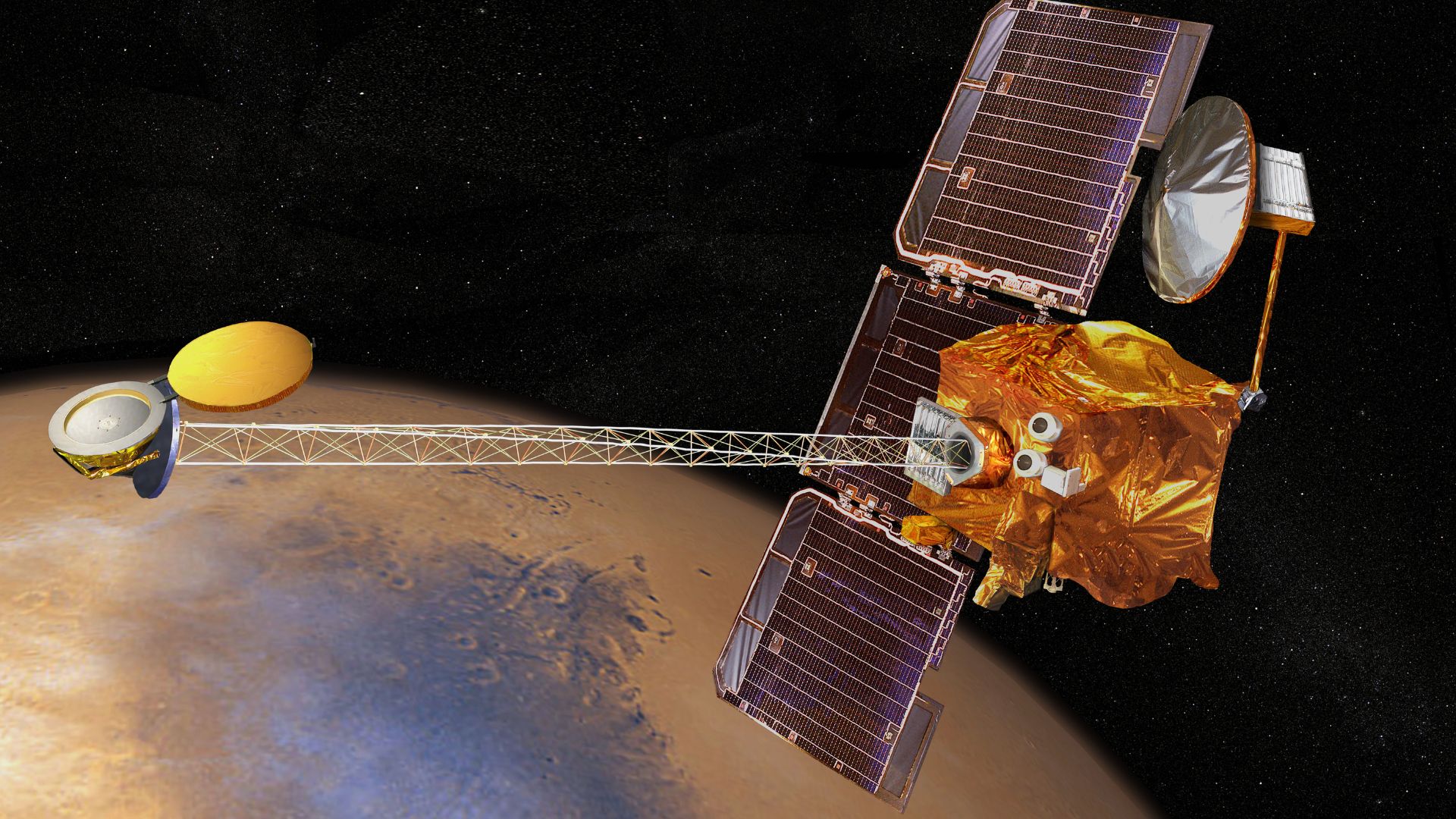
Two main tools revealed the underground features. For one, satellites detect Mars’ gravitational field changing, indicating the presence of something below the surface. The other tool is seismic data collected by landers (especially NASA’s InSight), which record marsquakes. The way quake waves slow or speed up tells scientists about what lies beneath.
Where They Are Located

Several of these hidden zones lie under Mars’s northern plains, buried beneath thick sediment layers that were likely seabeds at one time. There’s also a region under Tharsis, the hemisphere that hosts Olympus Mons and other giant volcanoes, where lighter material from deep beneath seems to be pushing upward towards the surface.
Size and Scale
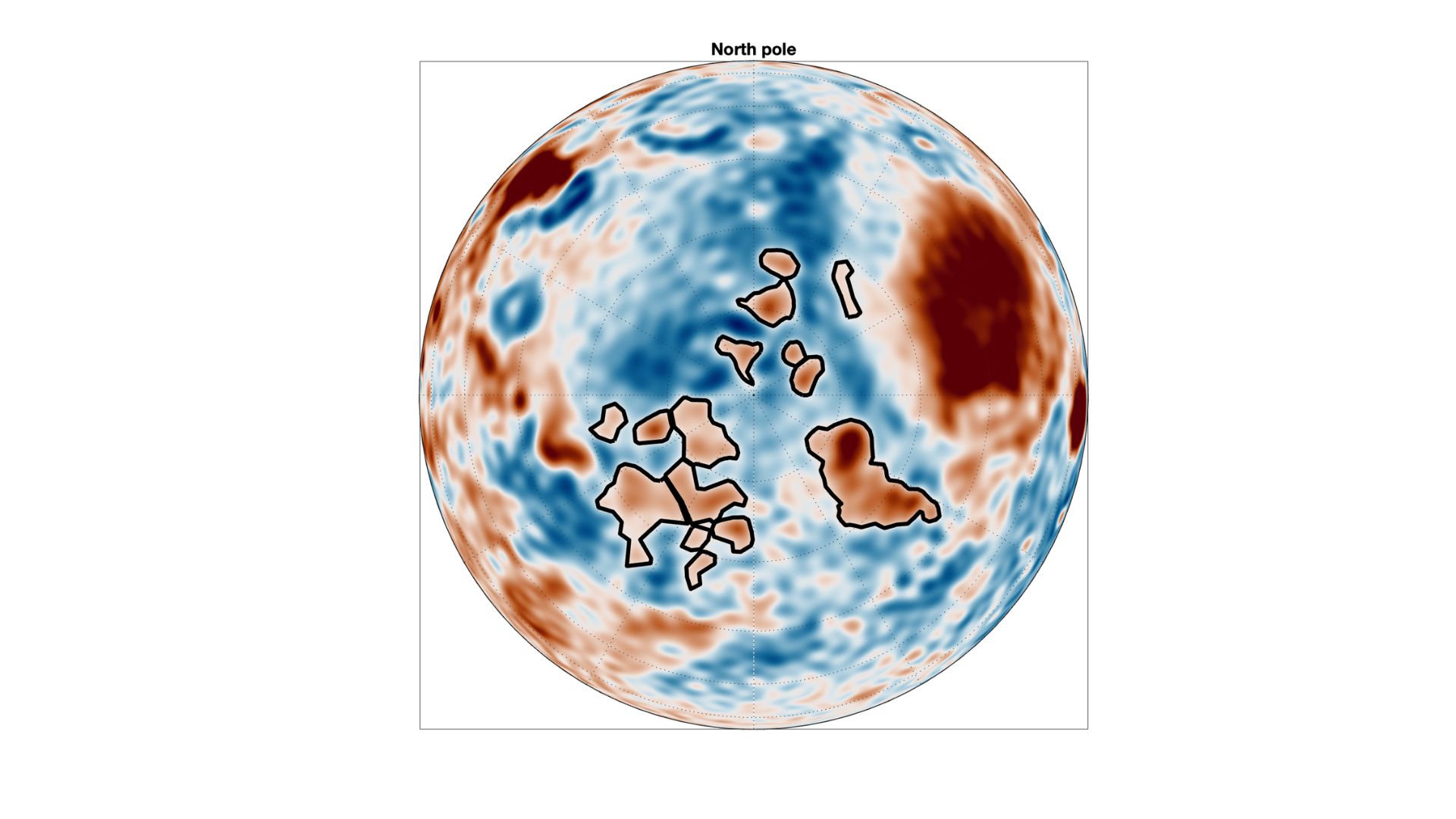
These structures are enormous. Some anomalies stretch over a thousand kilometers in width and are located around a thousand kilometers deep. Other, smaller dense pockets are only a few kilometers long.
Volcanic Activity Insight
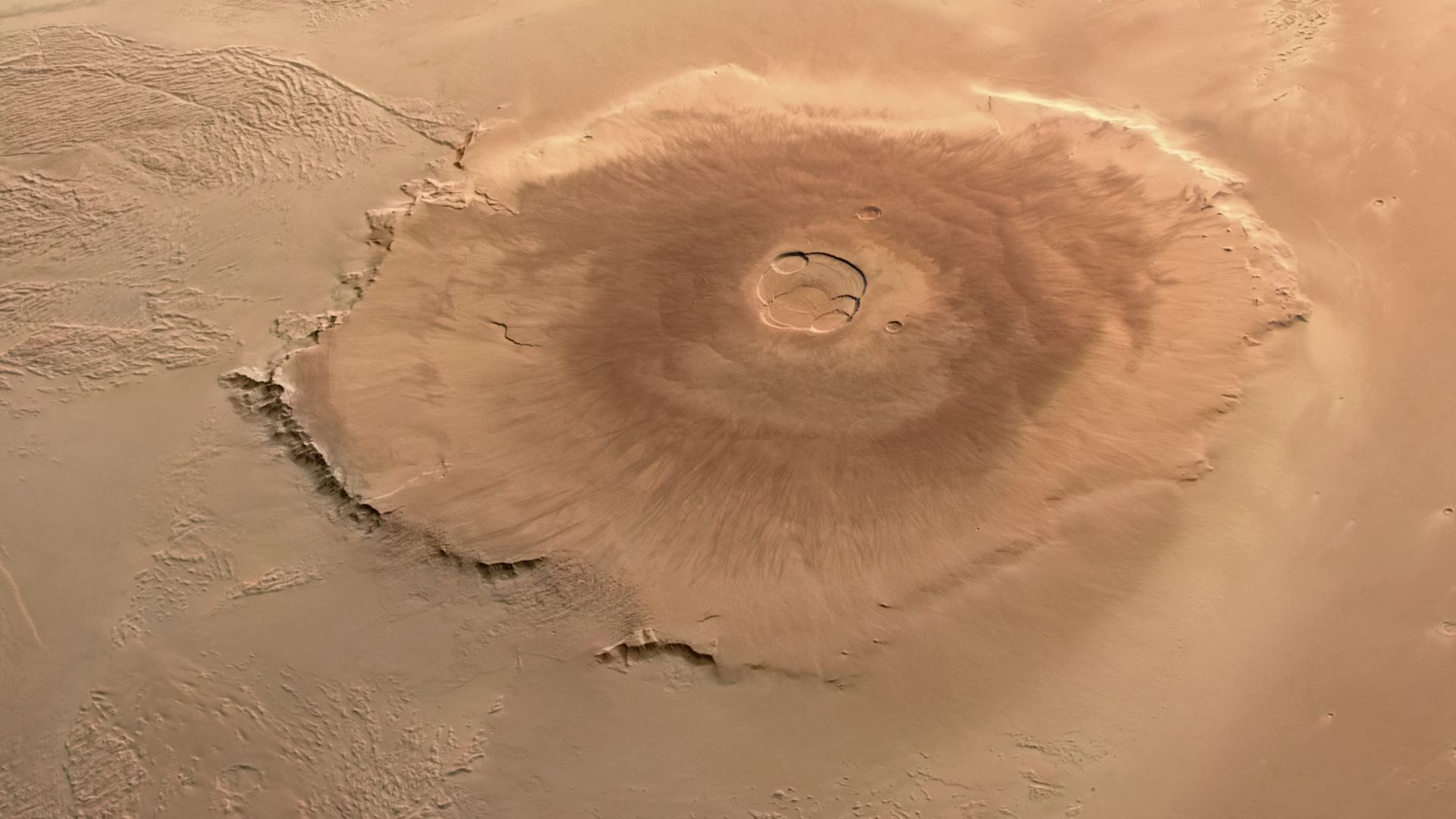
The lighter material under Tharsis suggests that Mars’s interior isn’t entirely dormant, despite previous assumptions. The material pushing towards the surface could have provided heat and energy in the past, possibly causing volcanic activity. Though there is no current volcanic eruption, this structure hints that Mars may still have some internal activity.
Implications for Mars’s Geological History
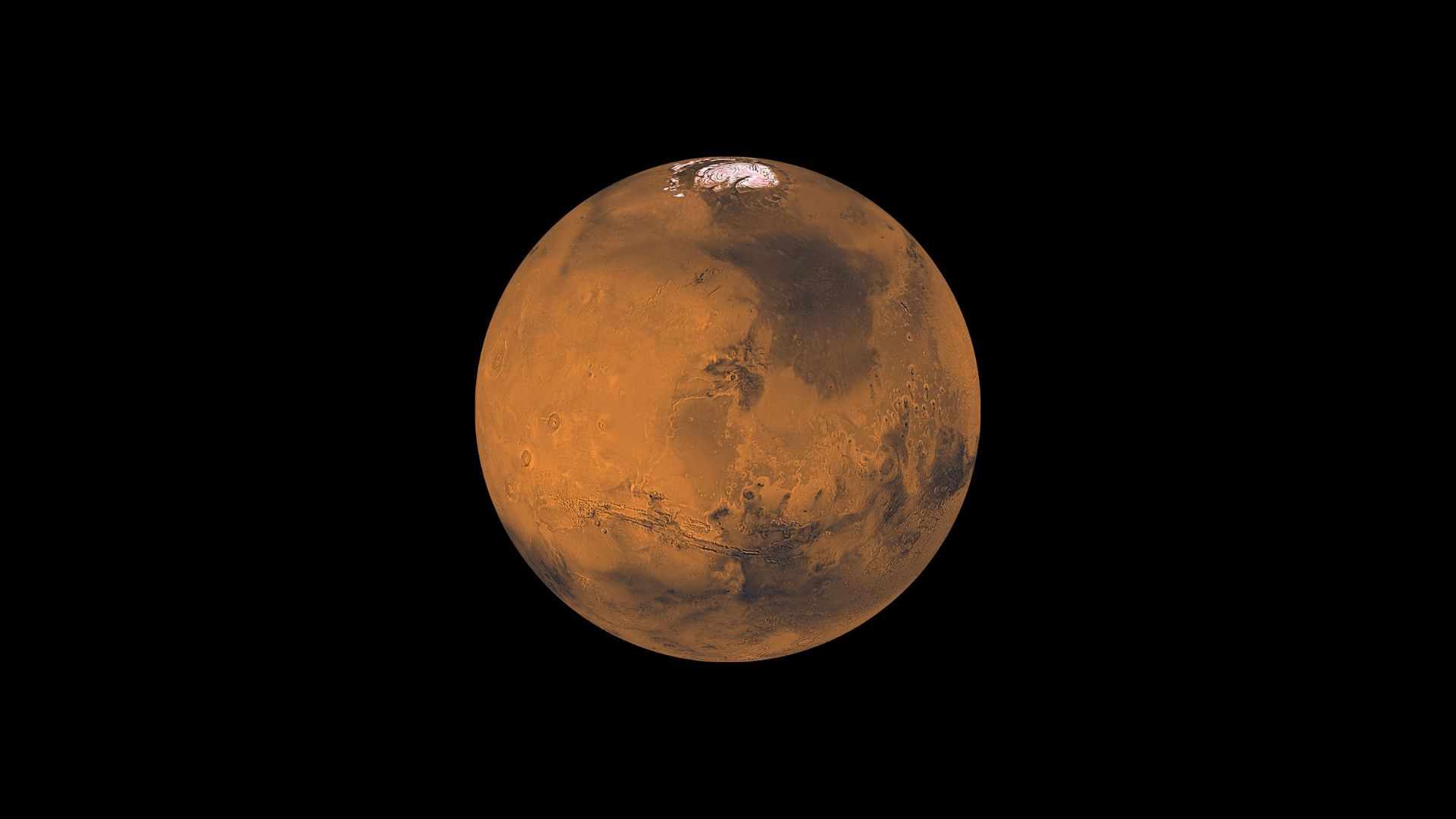
These anomalies below the surface provide proof of events that took place millions of years ago: impacts, volcanic processes, and sedimentation. Because Mars does not have the same plate tectonics as Earth, many of these buried features have been preserved. That makes Mars a natural time capsule for understanding planetary formation and early solar system dynamics.
Potential Effects on Surface Conditions
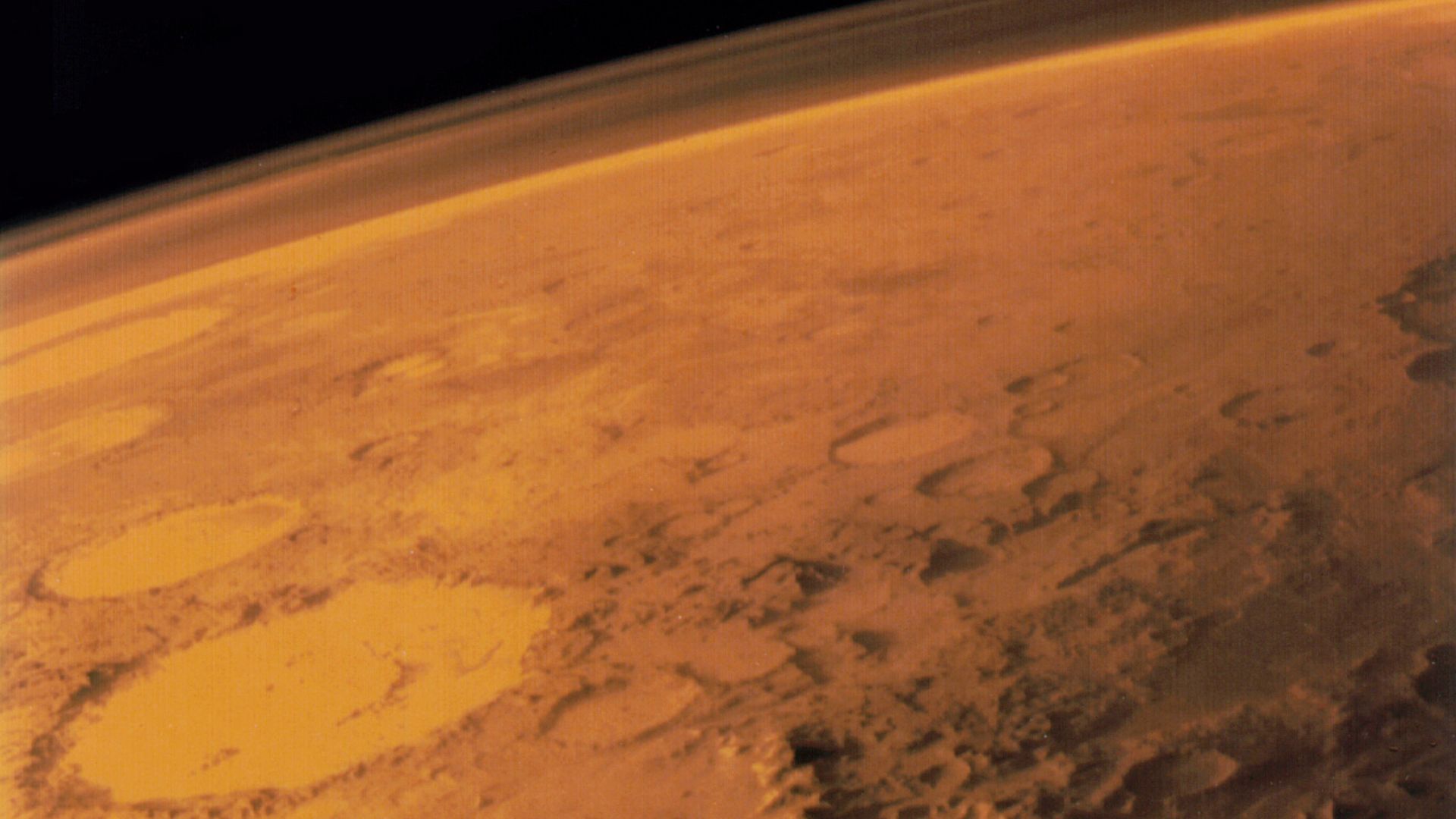
What’s happening deep inside Mars affects what happens on its surface. For instance, mantle plumes or buried volcanoes might influence uplift or the timing and style of volcanic eruptions. Sediment layers covering dense structures may affect heat flow, possibly influencing whether subsurface water or ice can exist stably.
Challenges and Open Questions

Despite the discoveries, many unknowns remain. Scientists don’t yet know what materials make up all these structures: are they dense rock melted and refrozen, minerals compacted by impacts, or something else? An important question remains: Are any of these processes active now?
Looking Beneath the Surface
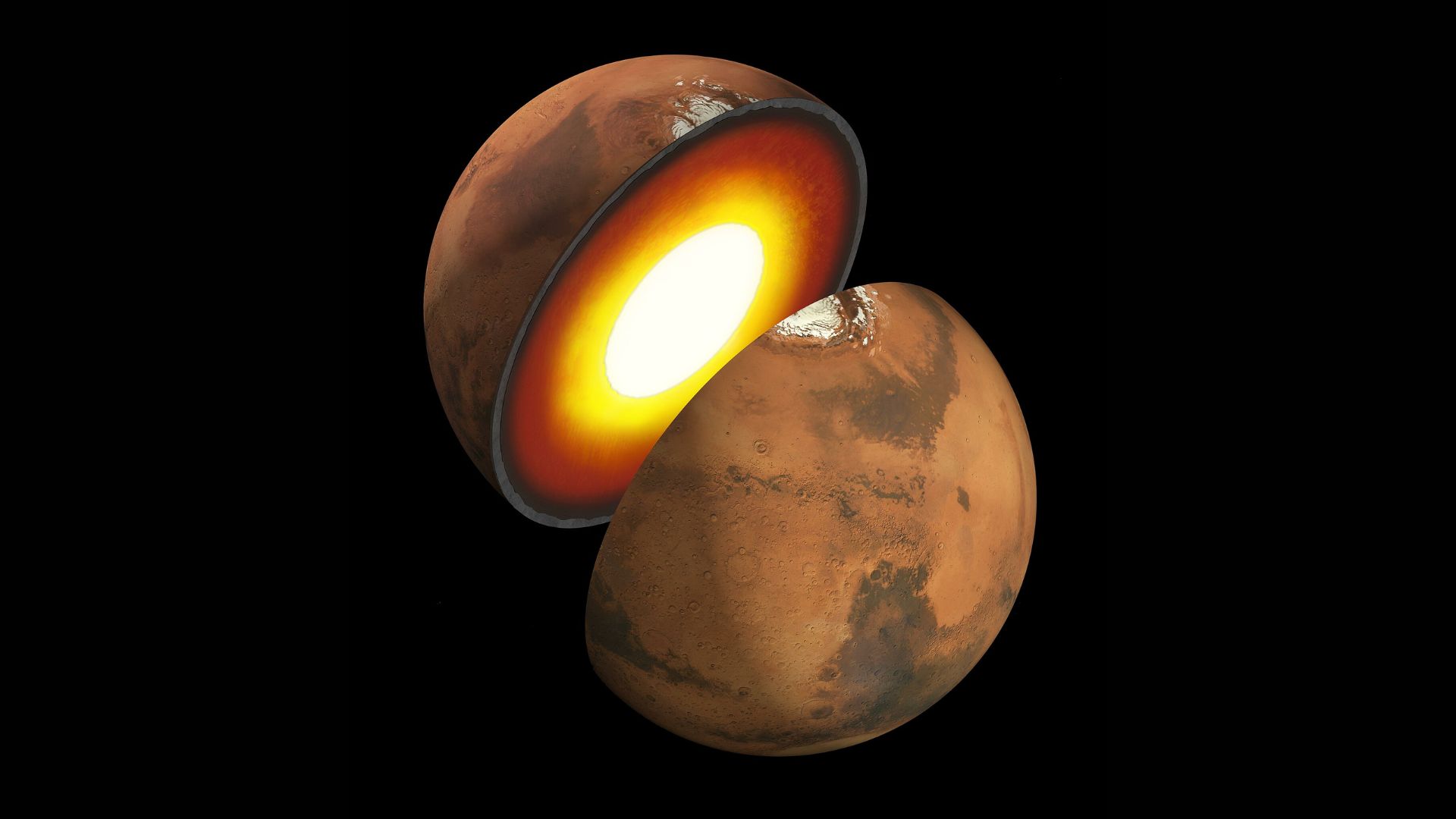
The discovery of giant underground structures on Mars offers insights into the planet’s past and present processes. Additionally, it affects how we assess Mars’s habitability in the past and its potential for life.