Scientists Suggest the Big Bang May Have Happened Inside a Black Hole
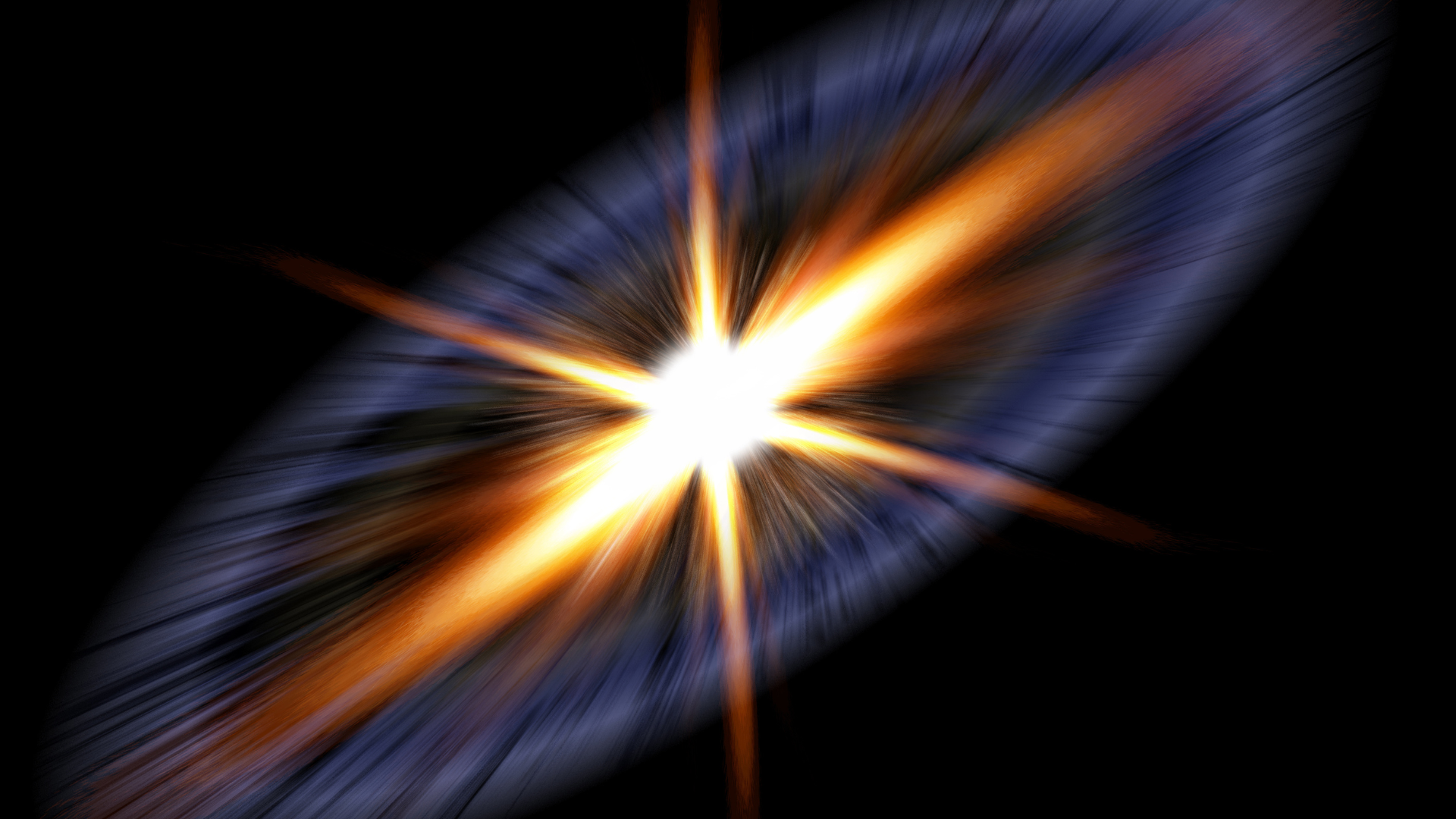

For nearly a century, the Big Bang has been understood as the event that marked the beginning of our universe. But a new theoretical proposal is challenging that idea by suggesting the Big Bang may not have been the true beginning at all. According to researchers writing in The Conversation, our universe could have formed inside a giant black hole that existed within a larger parent universe. If correct, this idea would eliminate the need for a singular starting point and could offer a new explanation for some of cosmology’s biggest mysteries. While the theory remains speculative, it is attracting attention because it attempts to reconcile several longstanding problems in physics.
The Traditional Big Bang Model Has Unanswered Questions
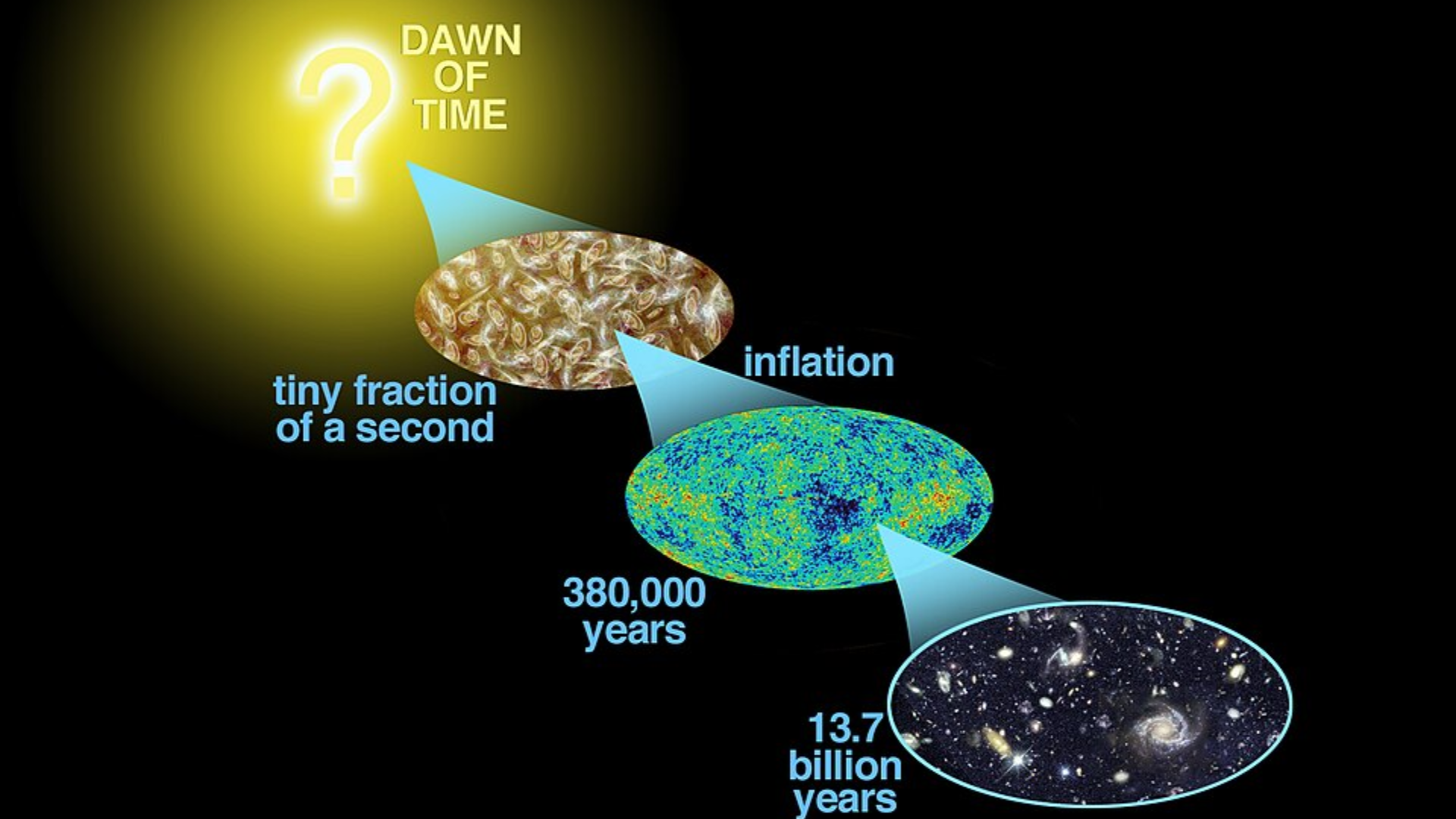
The standard Big Bang theory successfully explains many observations, including the expansion of the universe and the cosmic microwave background radiation. However, it leaves some important questions unresolved. One of the biggest challenges is the concept of a singularity, a point of infinite density and temperature where the known laws of physics break down. Scientists have long searched for theories that can explain what happened before or instead of this singularity.
What If the Big Bang Was a Bounce Instead?
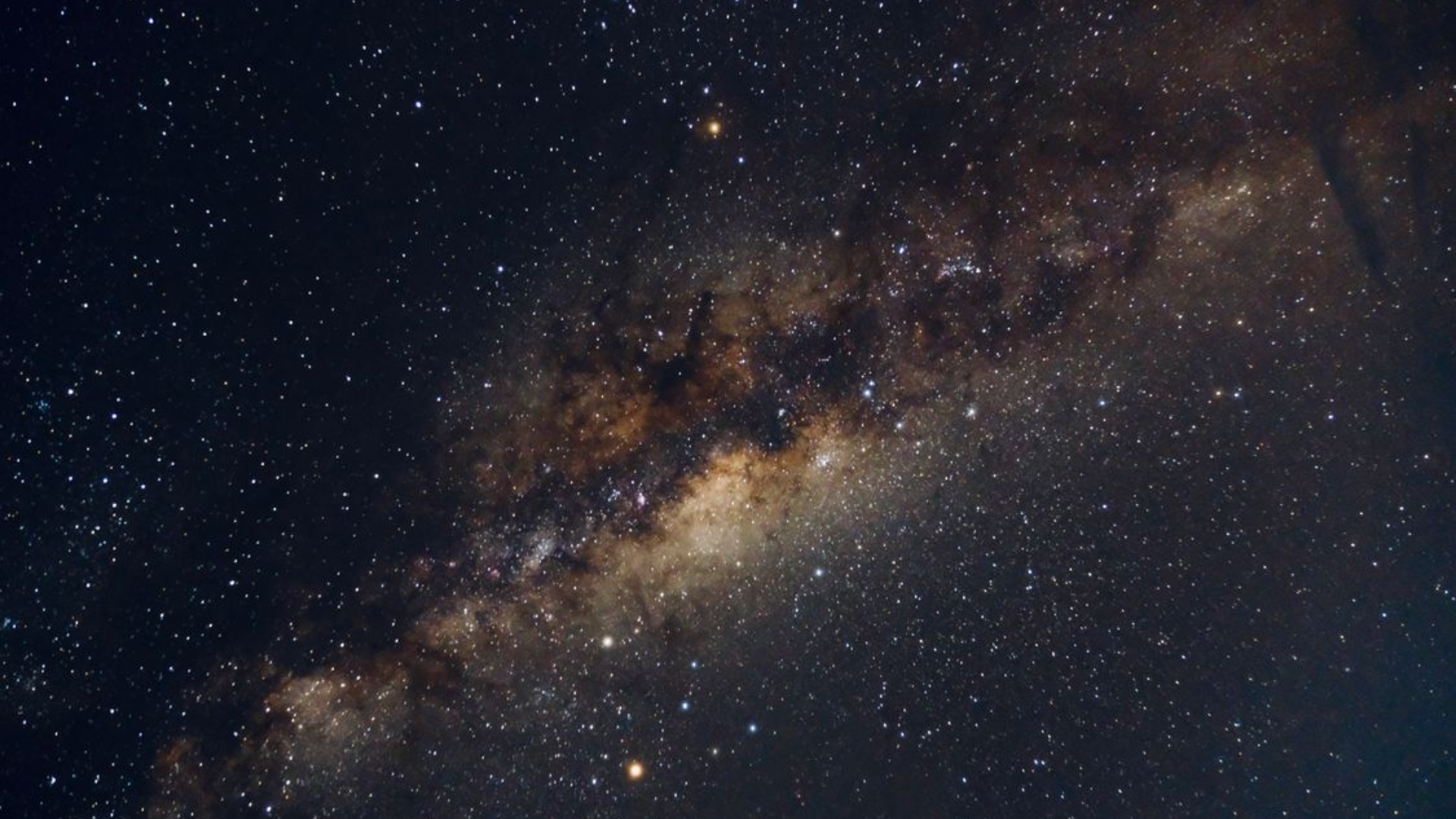
The new proposal suggests that rather than emerging from an infinitely dense point, the universe may have experienced a “bounce.” In this scenario, matter collapsed under gravity until it reached an extremely dense state, but instead of forming a singularity, quantum effects prevented complete collapse. The result would be a rebound that triggered rapid expansion, an event that could appear very similar to the Big Bang we observe today.
Black Holes Could Be Cosmic Birthplaces
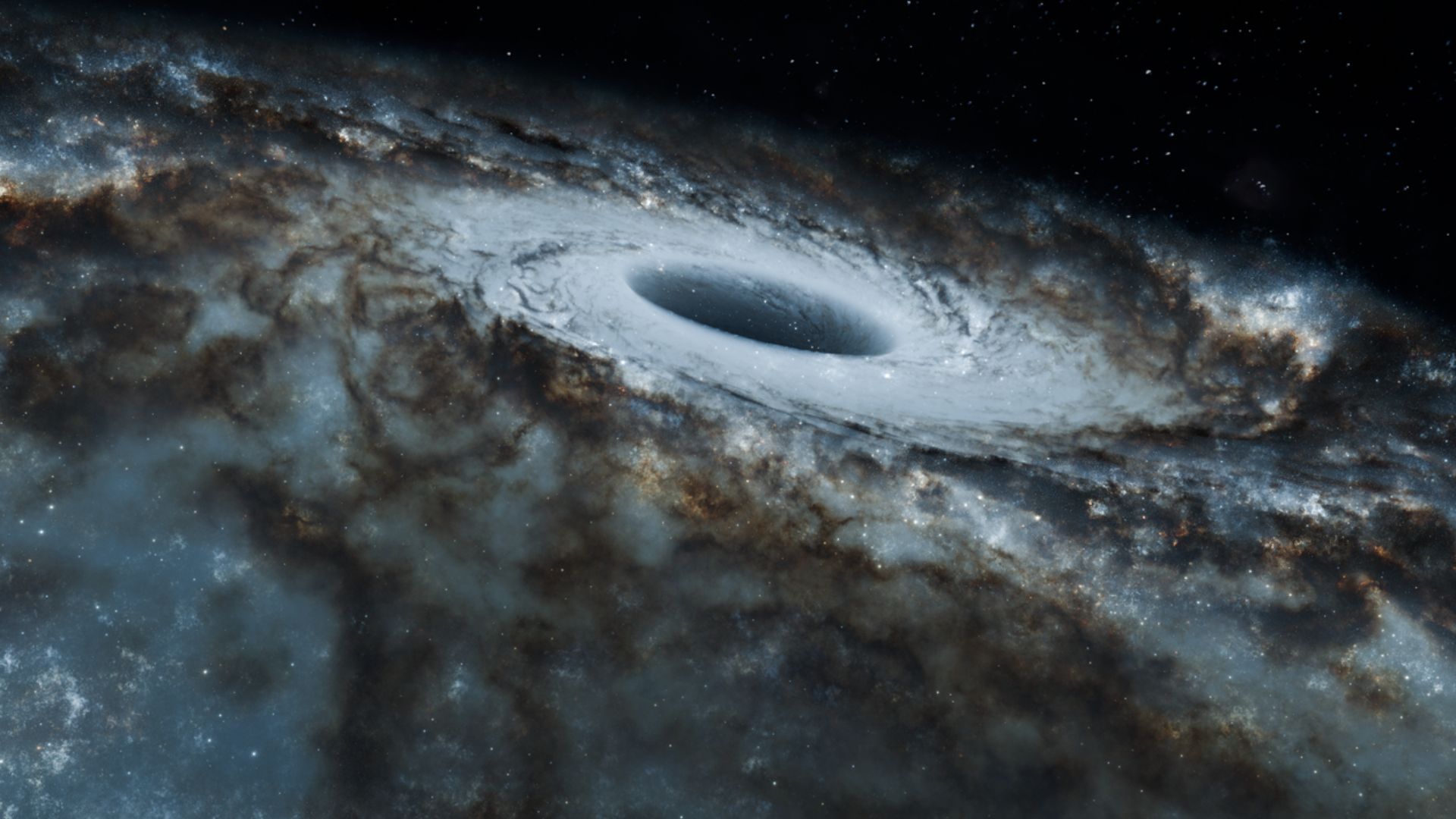
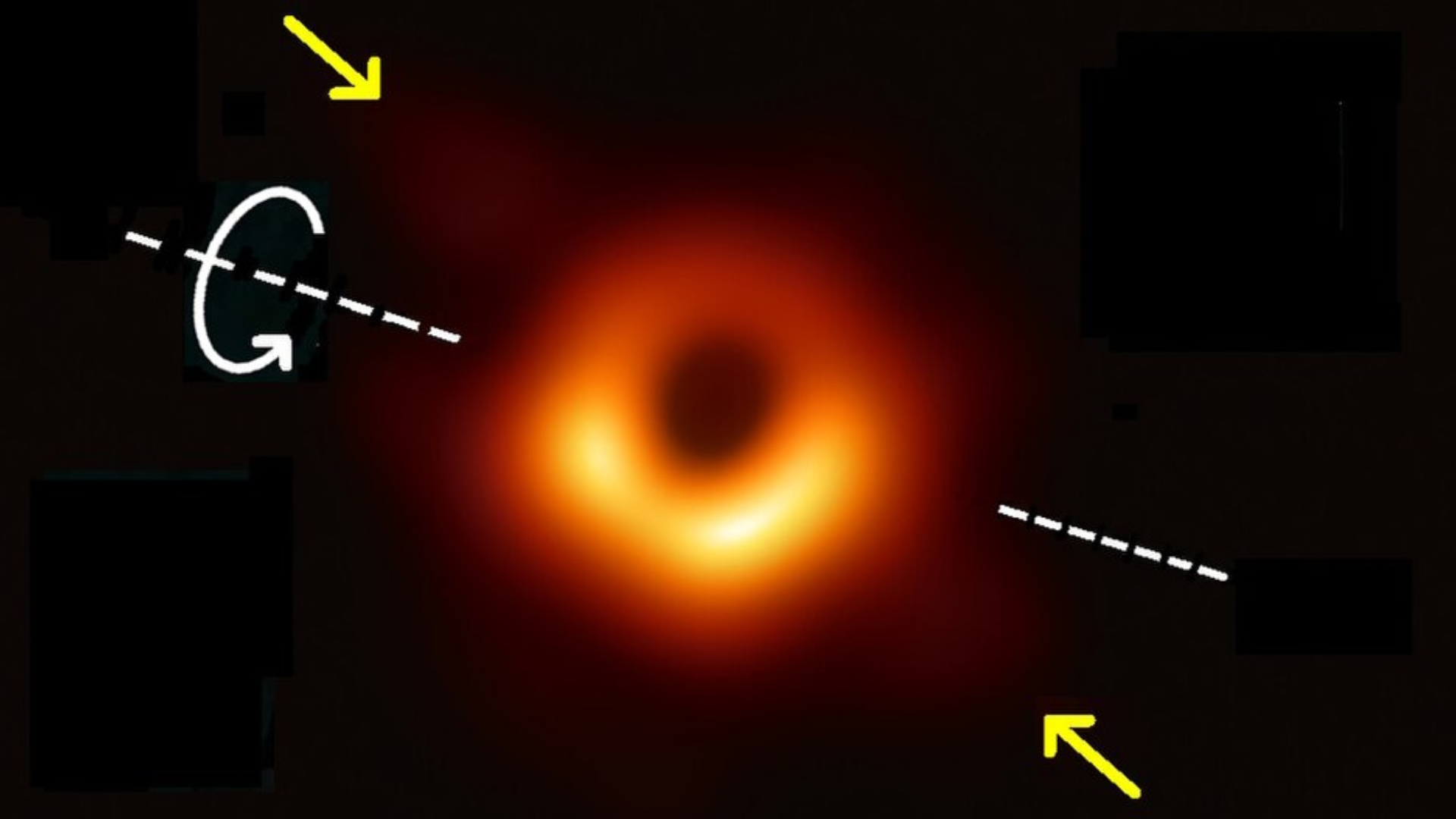
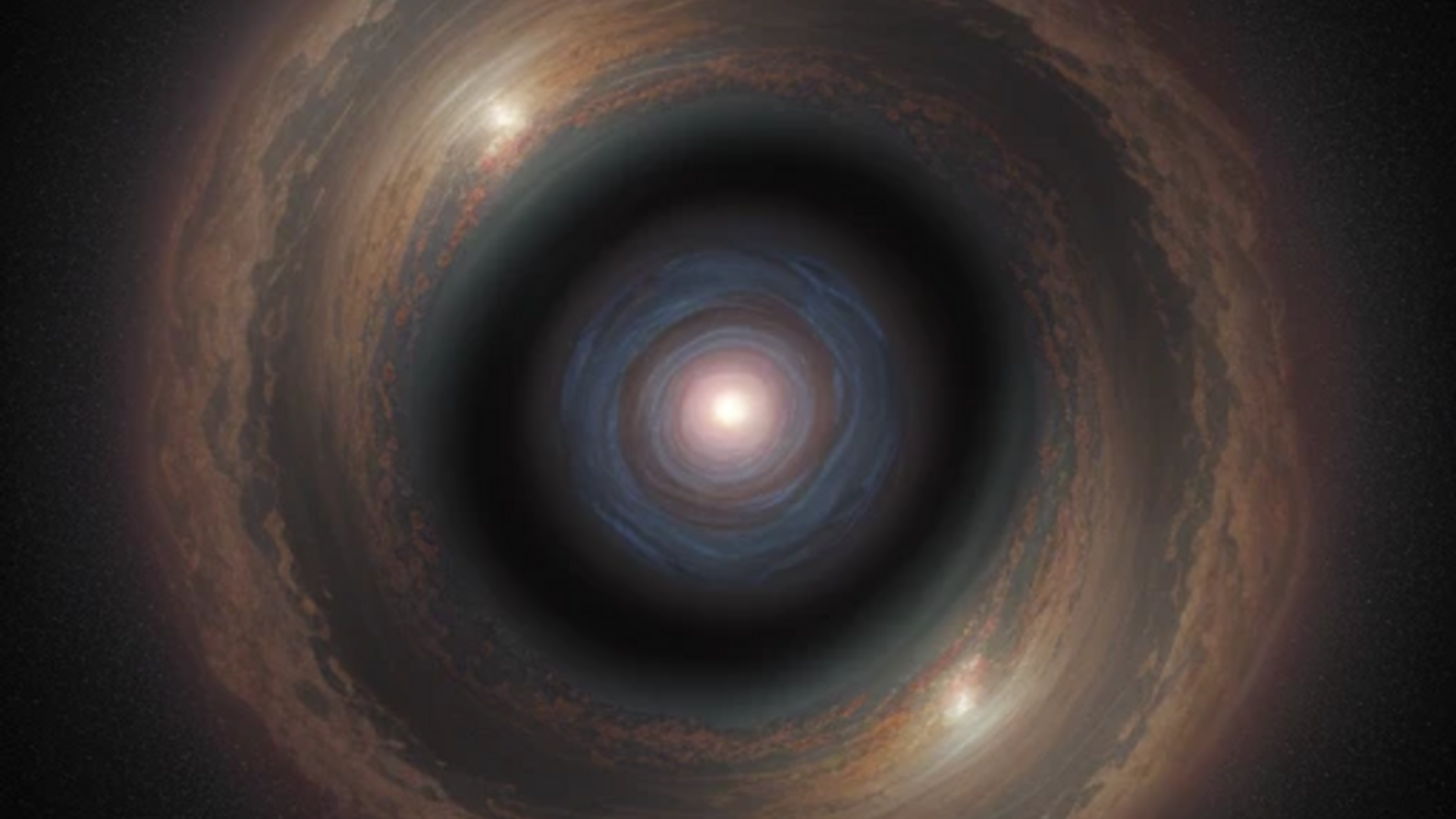
Researchers propose that the collapse leading to our universe may have occurred inside a black hole located within a larger universe. Black holes are regions where gravity is so strong that nothing, not even light, can escape. According to the theory, the interior of a black hole could provide the conditions necessary for creating an entirely new expanding universe. In this view, our cosmos might be the interior of a black hole that formed elsewhere.
The Theory Avoids the Singularity Problem
One reason scientists find the idea intriguing is that it avoids the troublesome singularity found in standard Big Bang models. Rather than requiring infinite density and infinite temperature, the black hole bounce model suggests that physical laws remain intact throughout the process. This allows researchers to continue applying physics to the earliest moments of cosmic history instead of encountering a mathematical dead end.
Quantum Gravity May Play a Critical Role
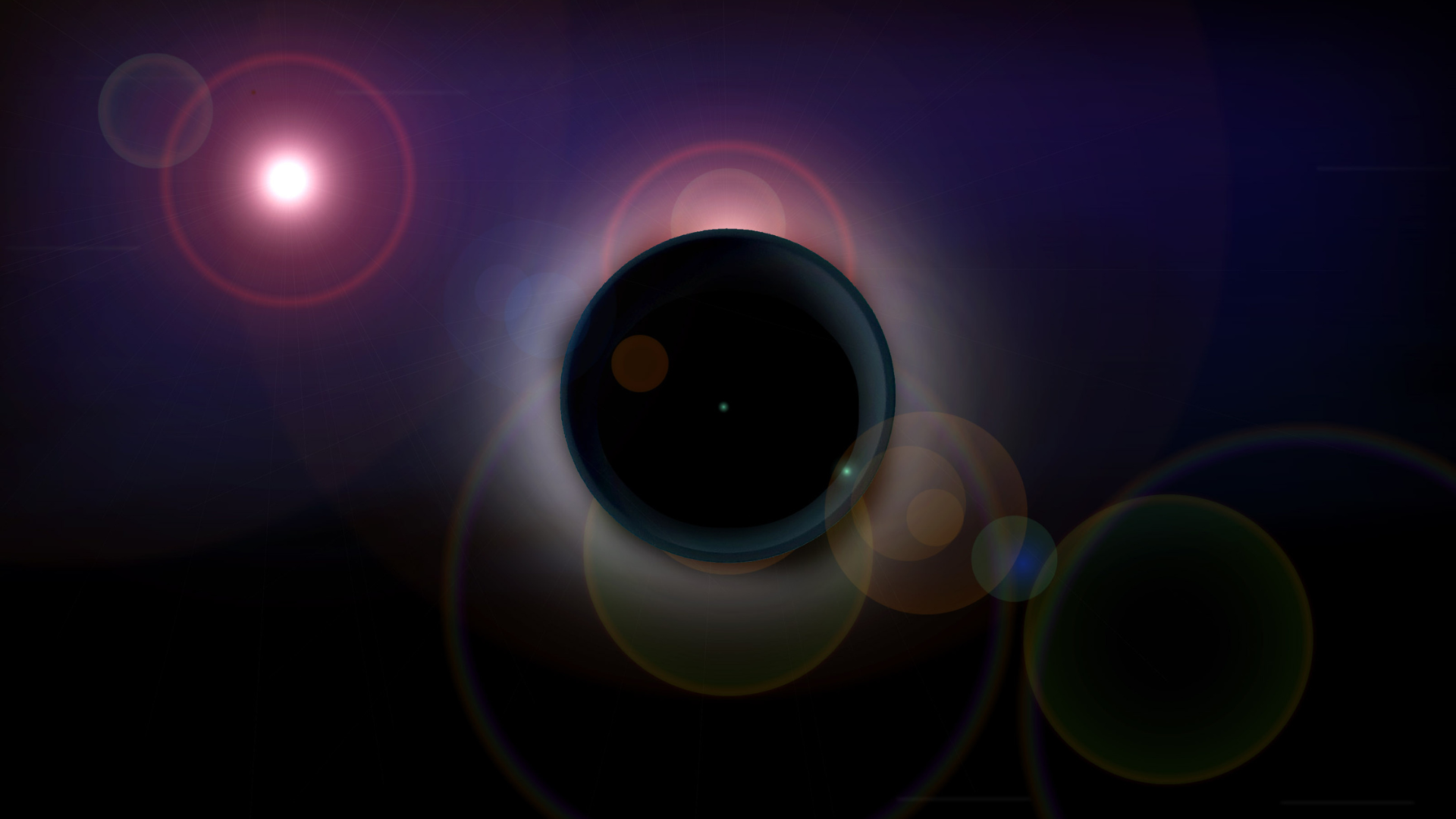
The theory relies on concepts from quantum gravity, an area of physics that seeks to unify Einstein’s theory of general relativity with quantum mechanics. Scientists believe that at extremely high densities, quantum effects could generate a repulsive force strong enough to prevent total gravitational collapse. Although a complete theory of quantum gravity has not yet been developed, many researchers believe it will be essential for understanding the universe’s earliest moments.
Could Our Universe Exist Inside a Larger Cosmos?
One of the most fascinating implications of the theory is that our universe may not be alone. If black holes can generate new universes, then countless universes could potentially exist inside black holes throughout a larger cosmic structure. Each universe might have its own physical properties, stars, galaxies, and history. This concept resembles certain multiverse theories, although the proposed mechanism is very different.
Researchers Believe the Idea May Be Testable
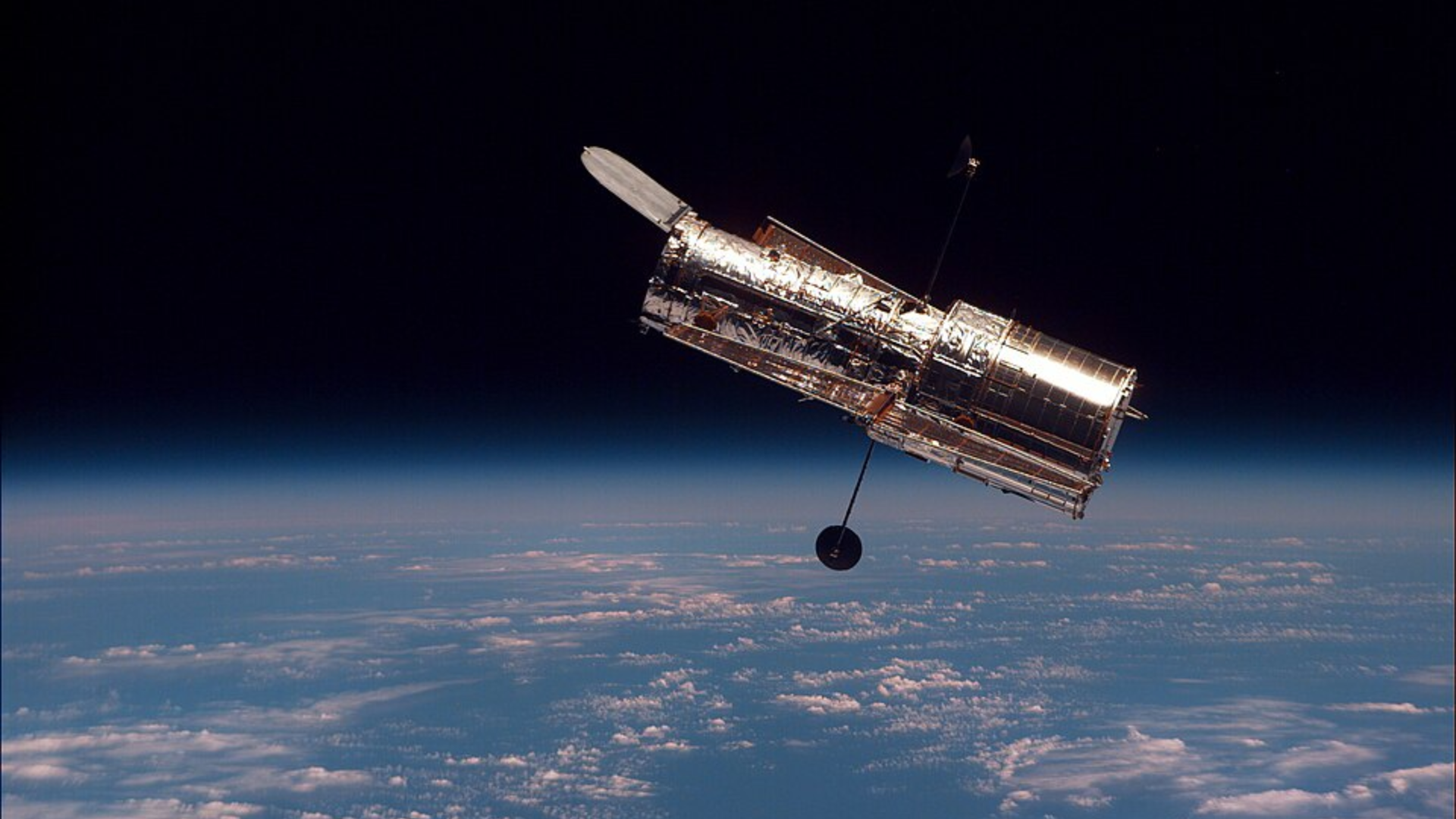
Unlike some purely philosophical cosmological ideas, researchers argue that this model could eventually be tested through observations. The theory may produce subtle differences in how the universe expanded during its earliest moments, leaving signatures in the cosmic microwave background or the large-scale distribution of galaxies. Future telescopes and space missions may help determine whether evidence supports or contradicts these predictions.
Many Scientists Remain Cautious
Although the theory has generated excitement, scientists emphasize that it remains highly speculative. Many competing explanations for the origin of the universe exist, and none have been definitively proven. Researchers will need to develop more detailed mathematical models and identify observational evidence before the black hole universe hypothesis can gain wider acceptance. As with many frontier ideas in cosmology, healthy skepticism remains essential.
A Radical New Perspective on Cosmic Origins
The proposal that the Big Bang may have occurred inside a black hole offers a dramatic rethinking of where our universe came from. By replacing the traditional singularity with a cosmic bounce, the theory attempts to solve some of the deepest puzzles in modern physics while opening the door to entirely new questions about the nature of reality. Whether the idea ultimately proves correct or not, it highlights how scientists continue pushing the boundaries of our understanding in the search for answers about the universe’s true origins.