Scientists Studying Donated Human Brains Say the Latest Finding Raised a Troubling Question
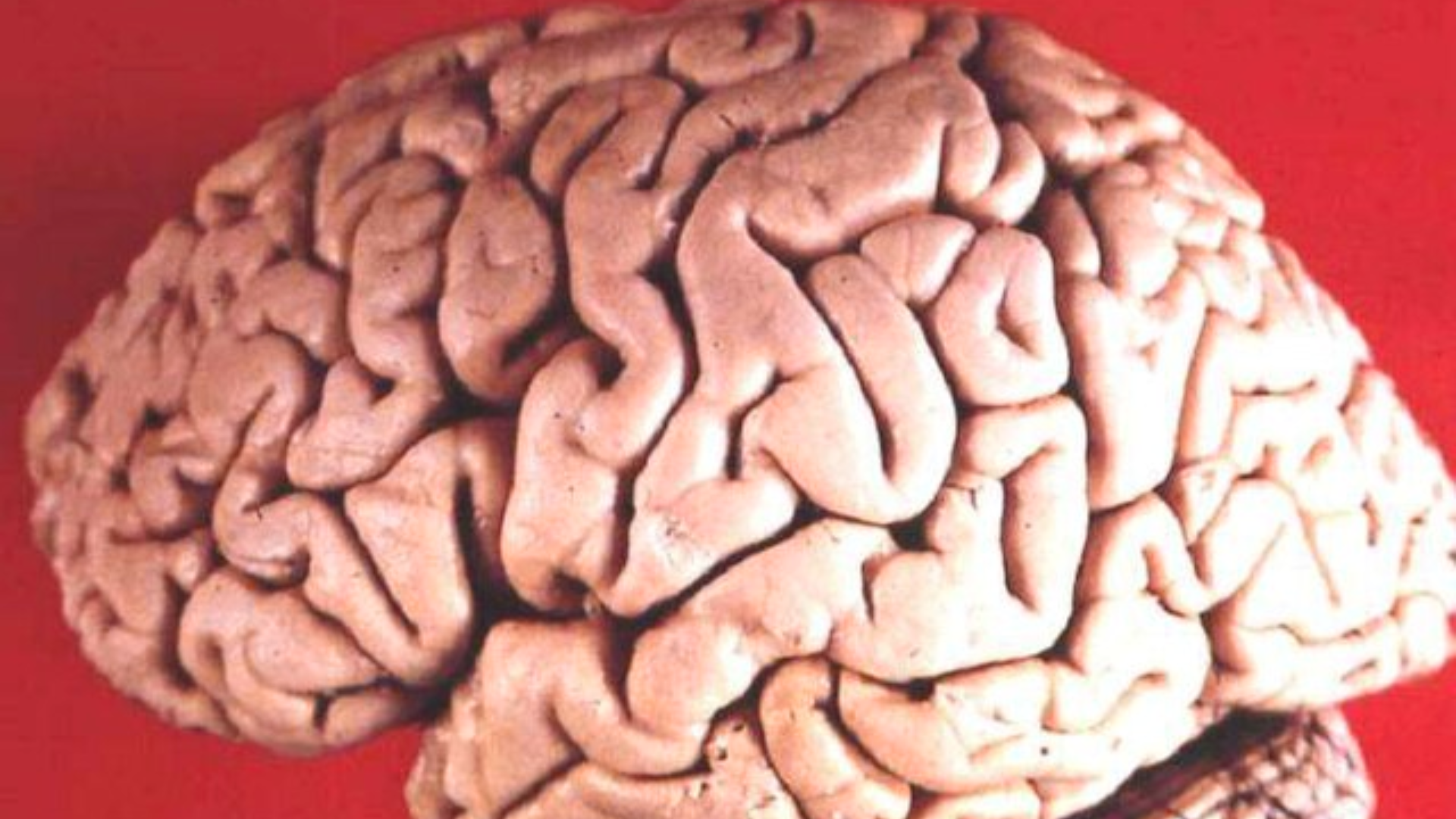

Scientists analyzing donated human brain tissue have uncovered a finding that is raising new and troubling questions about long-term health risks. The research focused on detecting unusual particles and changes inside the brain, with results that some experts say could have broader implications for human health. While the findings are still being studied, they are prompting renewed concern about how environmental exposure may affect the brain over time.
What Researchers Were Looking For
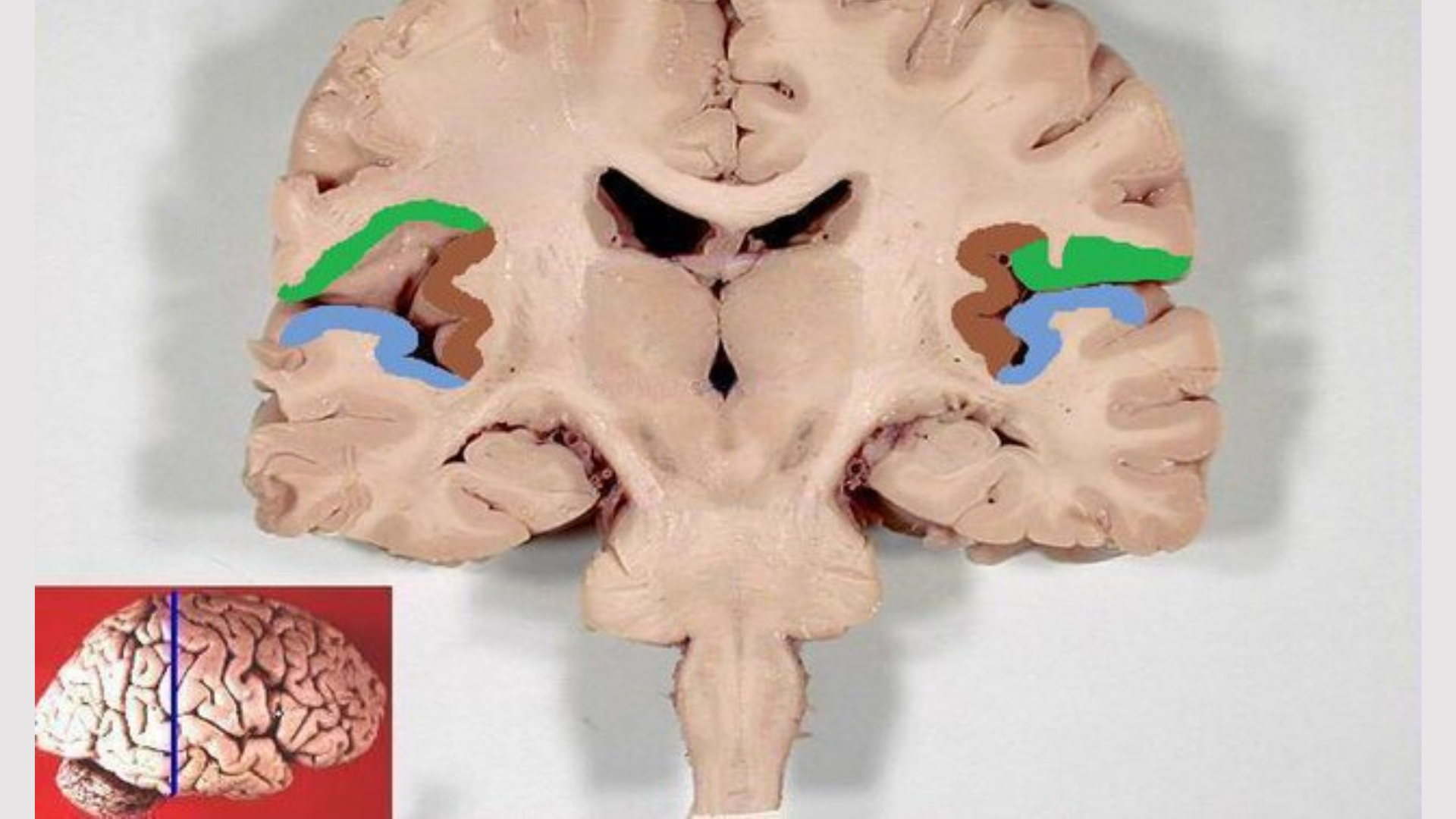
The study began as an effort to better understand how external substances interact with human brain tissue. Researchers analyzed donated samples to look for abnormalities, foreign particles, and signs of long-term exposure to environmental factors. What they found went beyond what many expected, leading to deeper investigation.
The Discovery That Raised Concern
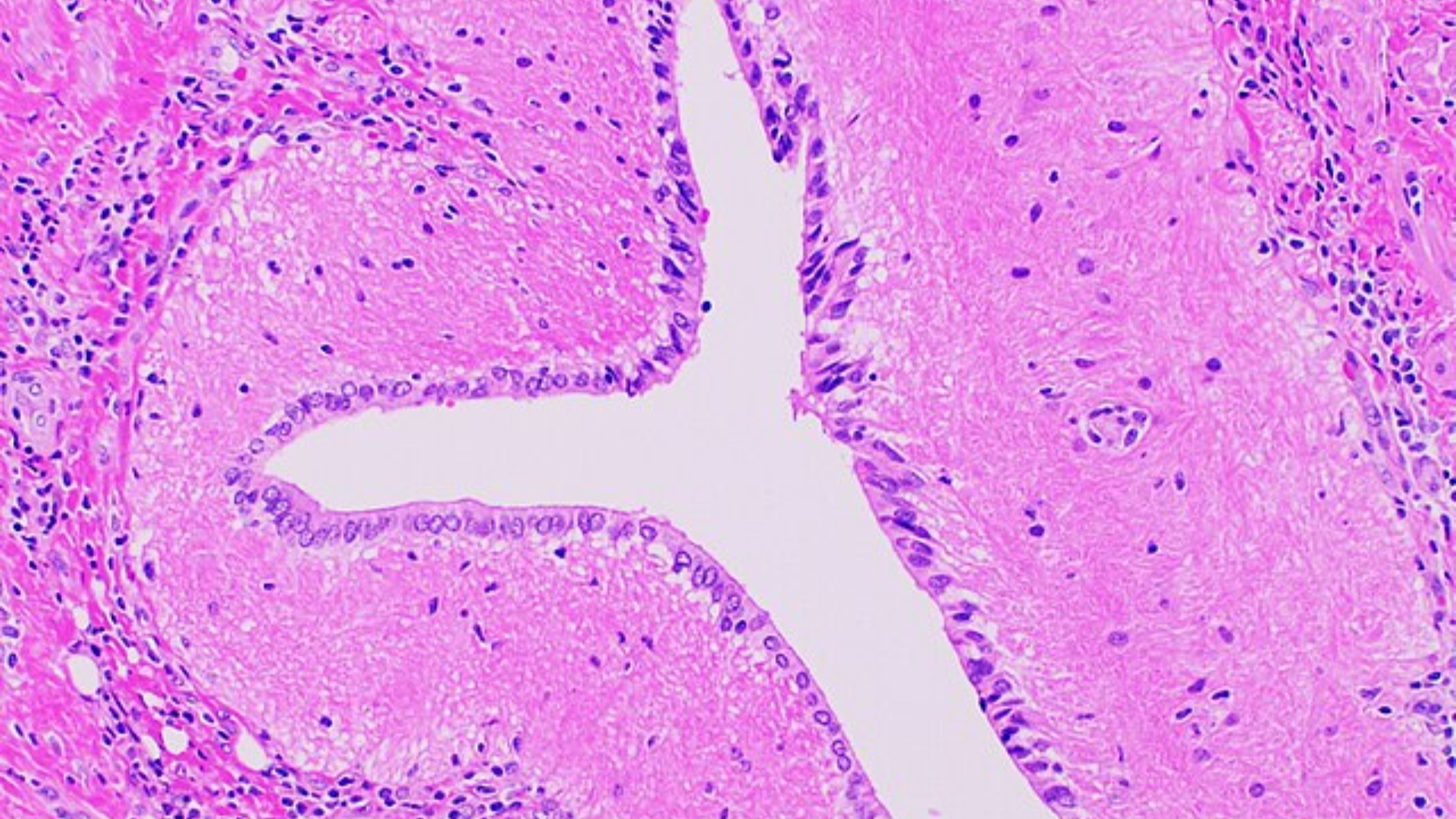
Scientists detected tiny foreign particles embedded within brain tissue, raising questions about how these materials entered and accumulated over time. The presence of these particles was not entirely unexpected, but the amount and consistency across samples made the findings more concerning. Researchers say the results suggest a broader pattern rather than isolated cases.
Where These Particles May Come From

Experts believe the particles could be linked to environmental pollution, including airborne contaminants and microscopic plastic fragments. Everyday exposure to polluted air, food packaging, and other sources may contribute to the accumulation over time. This possibility has fueled concerns about the long-term effects of modern environmental conditions.
Why the Brain Is Especially Vulnerable
The brain is protected by the blood-brain barrier, which is designed to keep harmful substances out. However, researchers suggest that some extremely small particles may still find ways to pass through this defense system. Once inside, these materials could remain in brain tissue for extended periods.
A Troubling Question Emerges
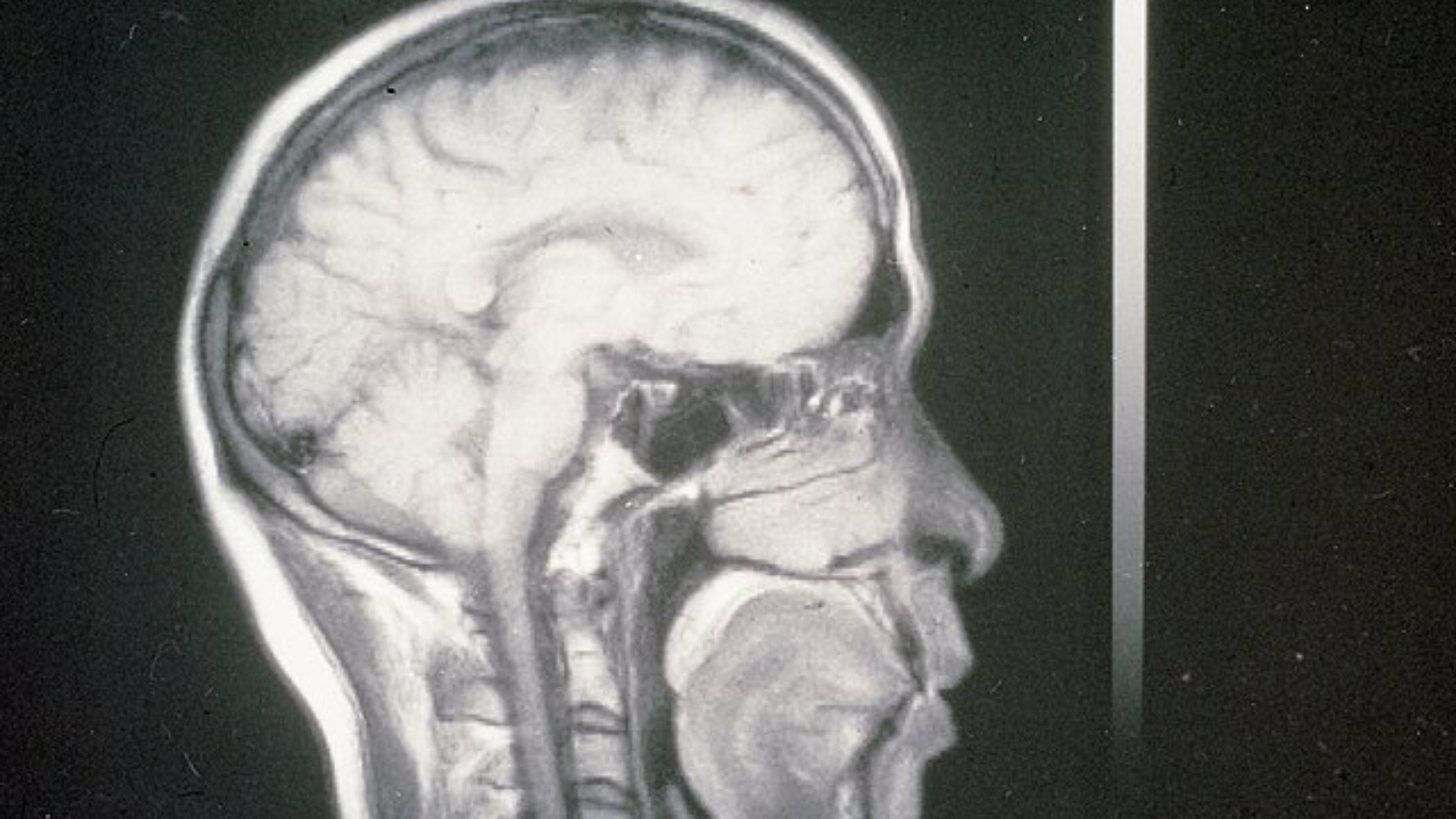
The key concern raised by the study is whether these particles could contribute to neurological issues over time. While no direct causal link has been confirmed, the findings are prompting scientists to ask whether long-term accumulation might play a role in certain brain conditions. This question remains at the center of ongoing research.
What Scientists Say So Far
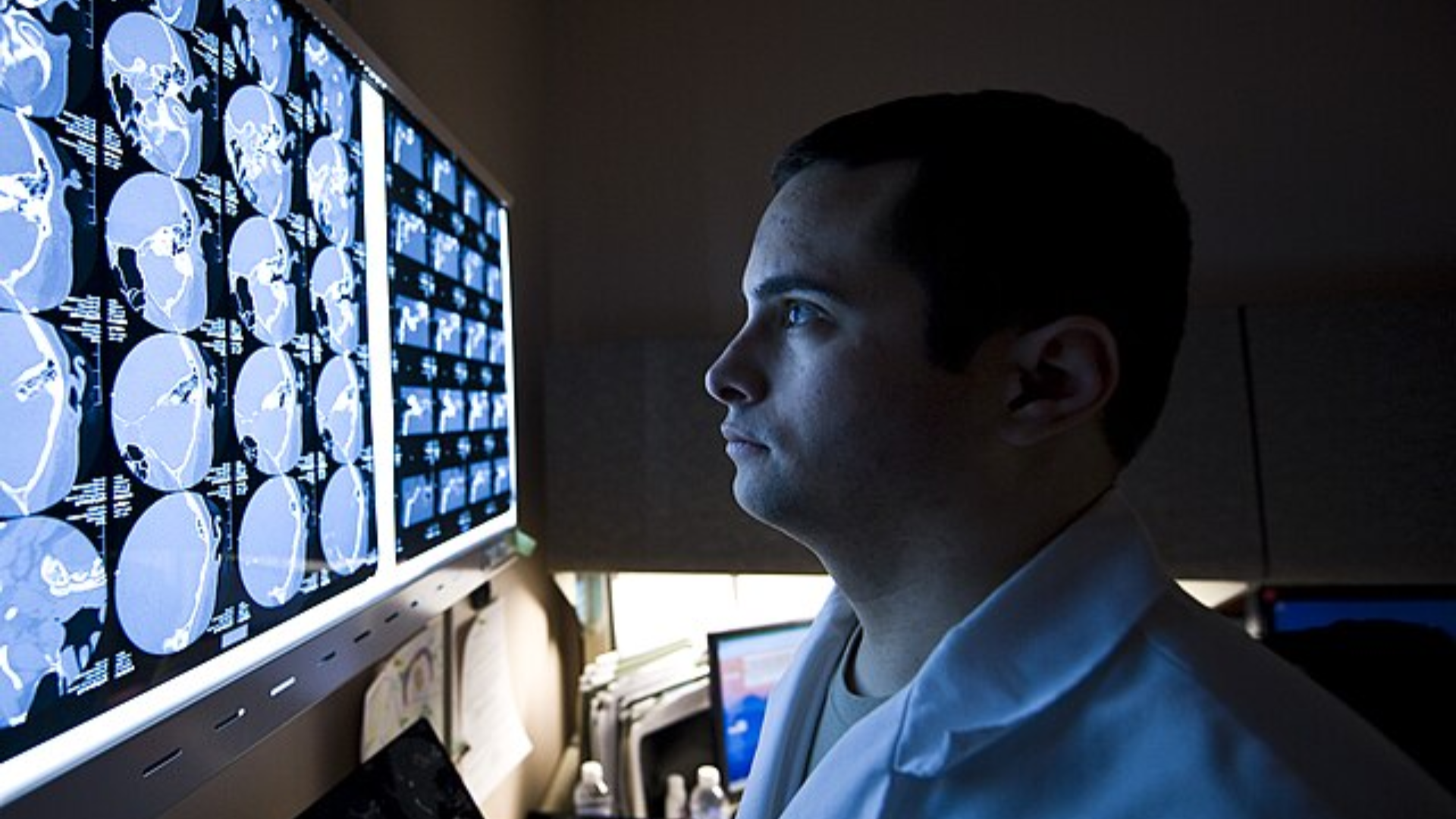
Researchers emphasize that more studies are needed before drawing firm conclusions about health impacts. The current findings show correlation, not causation, and experts caution against jumping to definitive outcomes. However, the consistency of the discovery means it cannot be easily dismissed.
Links to Broader Environmental Trends
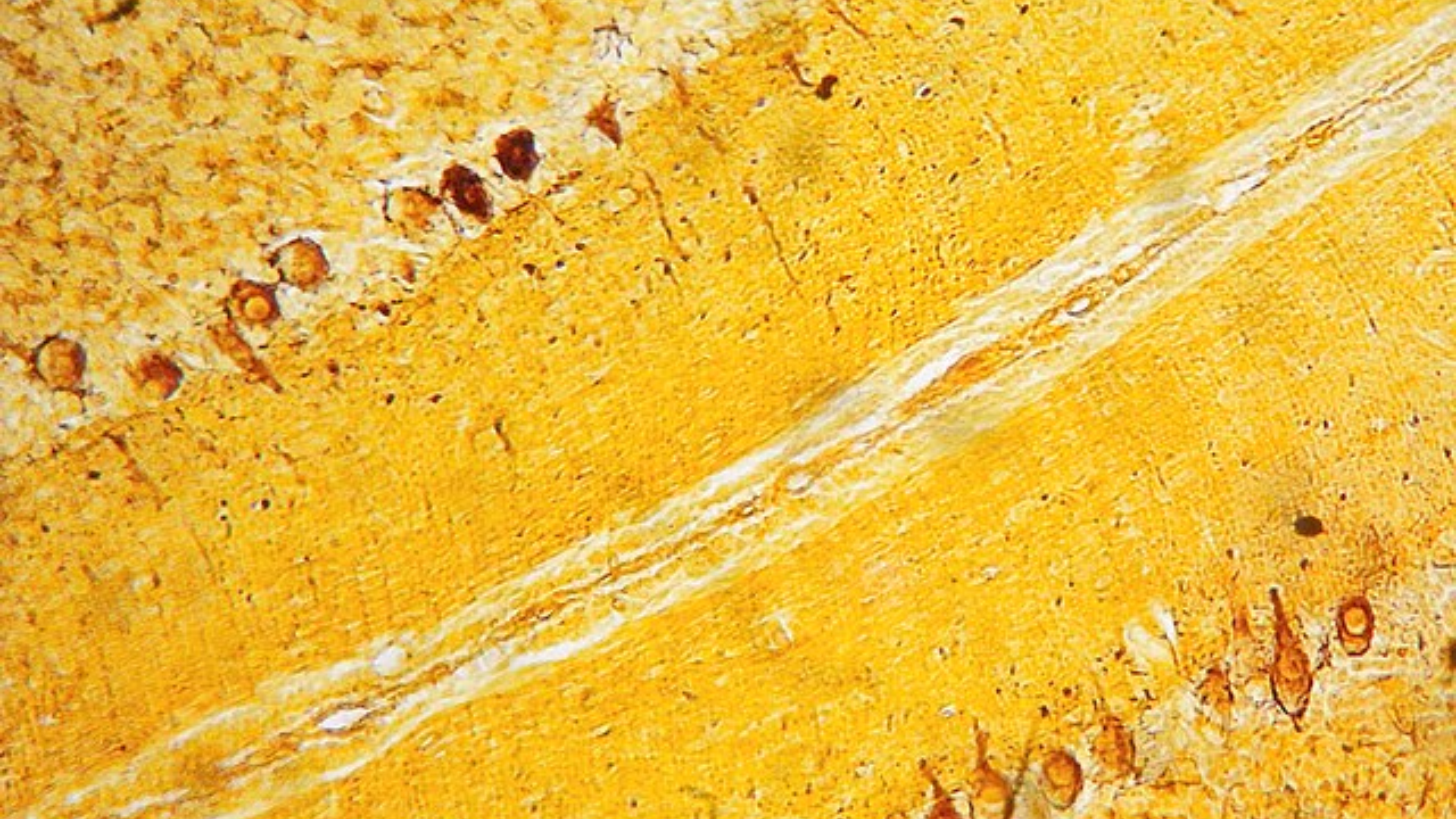
The discovery aligns with growing evidence that microscopic particles are now widespread in the environment. Studies have found similar materials in water, air, and even food supplies. This broader context suggests that exposure may be more common than previously believed.
What This Means for Future Research

The findings are expected to drive further research into how environmental factors affect brain health. Scientists are now looking at how these particles interact with cells and whether they trigger inflammation or other biological responses. Future studies could help clarify the risks and identify potential solutions.
Should People Be Worried Right Now?
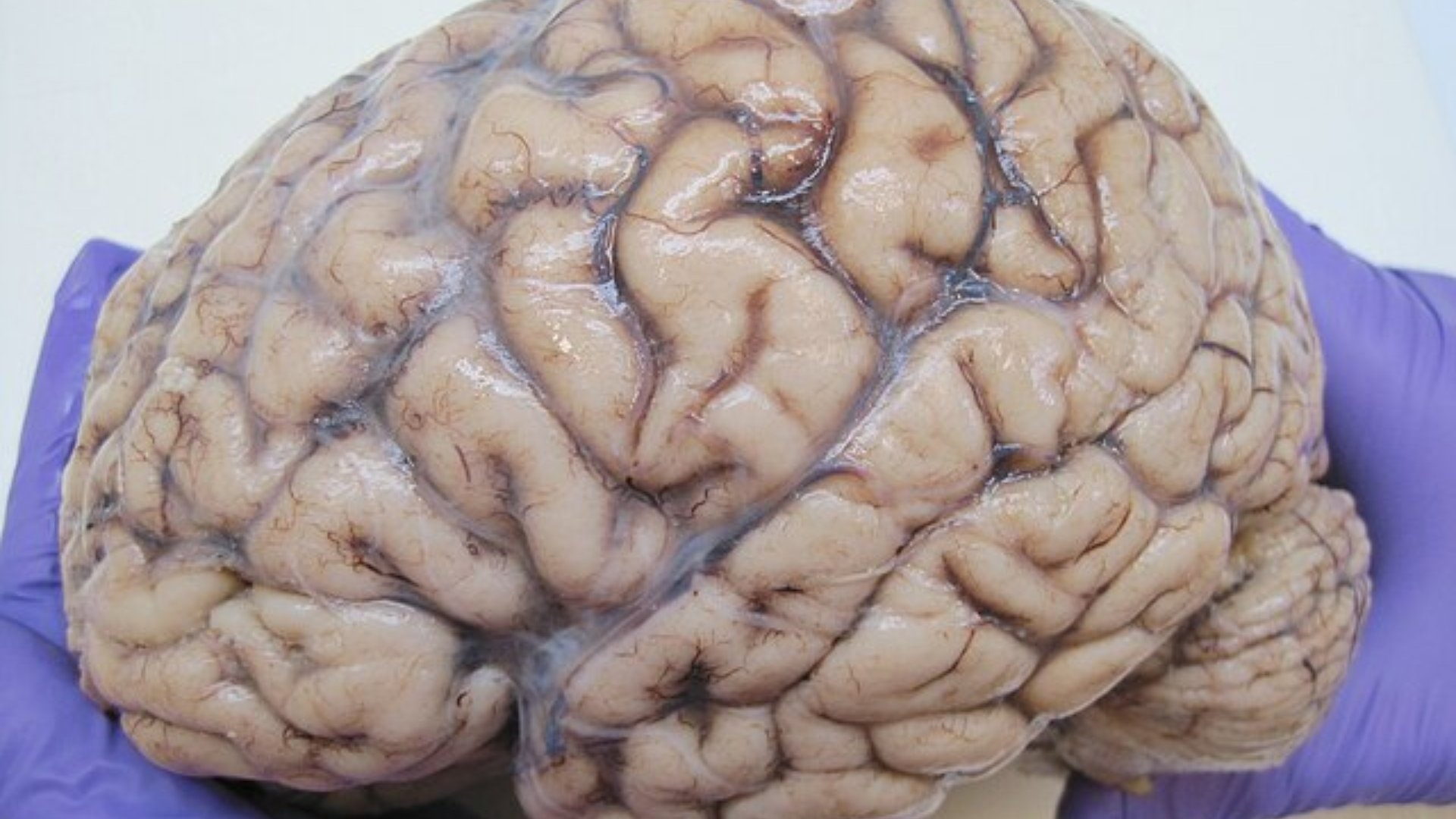
Experts say there is no immediate cause for alarm, but the findings do highlight an area that deserves attention. Awareness of environmental exposure and ongoing research will be key to understanding the full impact. For now, scientists are focused on gathering more data before making public health recommendations. The discovery of foreign particles in donated human brains has opened up a new and complex area of research. While many questions remain unanswered, the findings underscore how little we still know about the long-term effects of environmental exposure. As scientists continue their work, this troubling question may lead to important breakthroughs in understanding brain health and the world around us.