Scientists Say Your Emotional Connection to Home May Influence Hurricane Preparedness
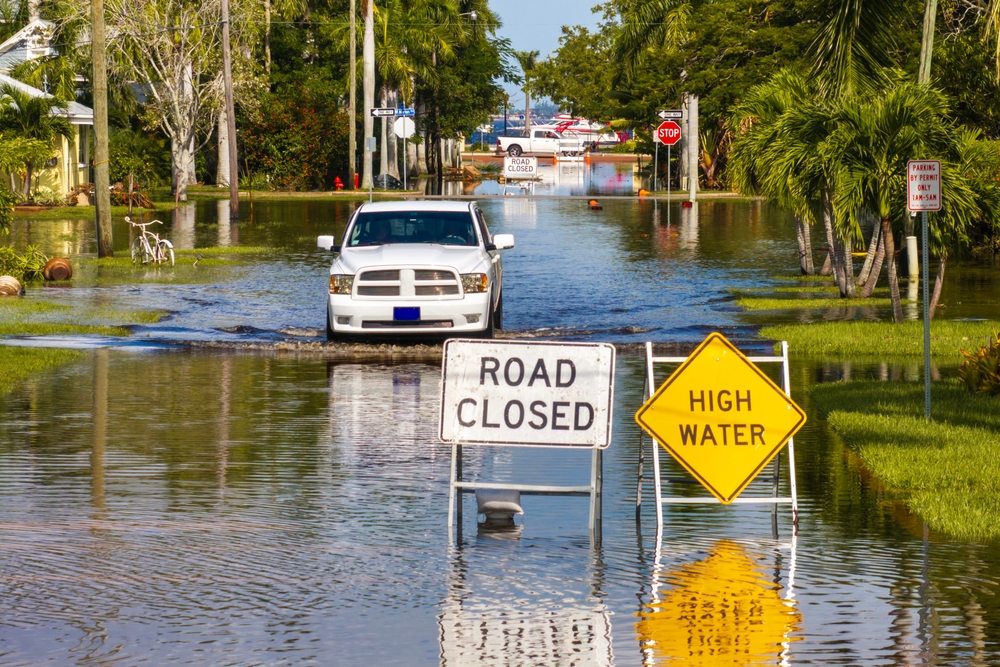

When a hurricane threatens, decisions about boarding windows, gathering supplies or following evacuation guidance may depend on more than a forecast map. New peer-reviewed research suggests that people’s emotional and practical attachment to where they live is associated with how they perceive hurricane danger and how they intend to respond. The finding gives emergency managers another factor to consider when communicating risks to coastal communities.
Researchers Surveyed More Than 1,400 Coastal Residents
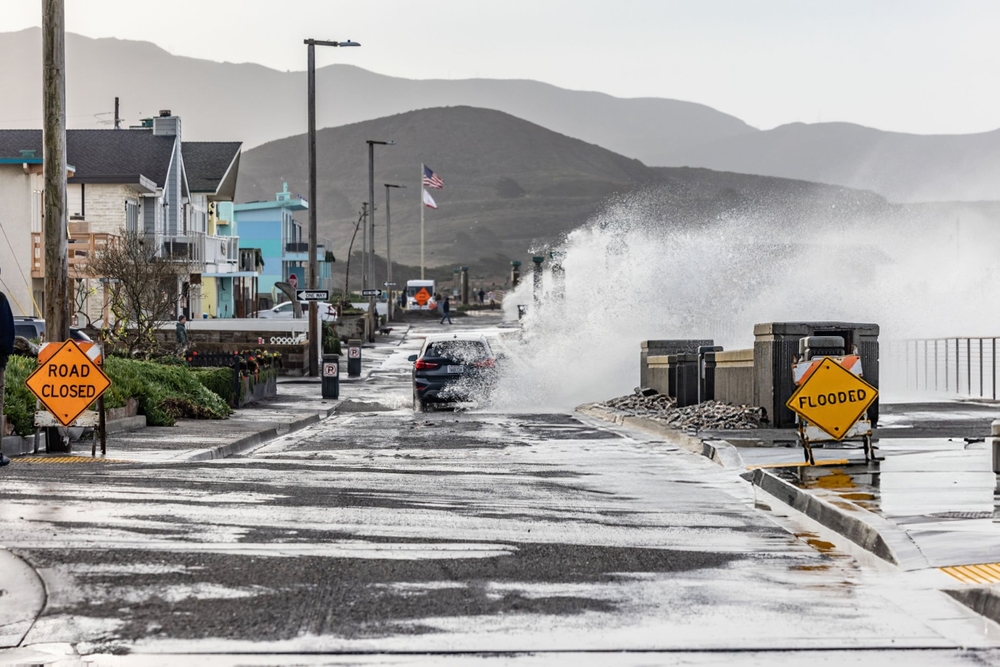
The study, published on July 2026 in Risk Analysis, surveyed 1,442 people living in storm-surge-risk areas of Georgia and South Carolina. Researchers from the National Science Foundation National Center for Atmospheric Research examined two factors: participants’ connection to place and their responses to different storm-surge map designs. They measured six dimensions of risk perception and four behavioral intentions, including evacuating, taking other protective measures, monitoring forecasts and following recommendations from local officials.
Stronger Attachment Was Linked to Greater Perceived Risk
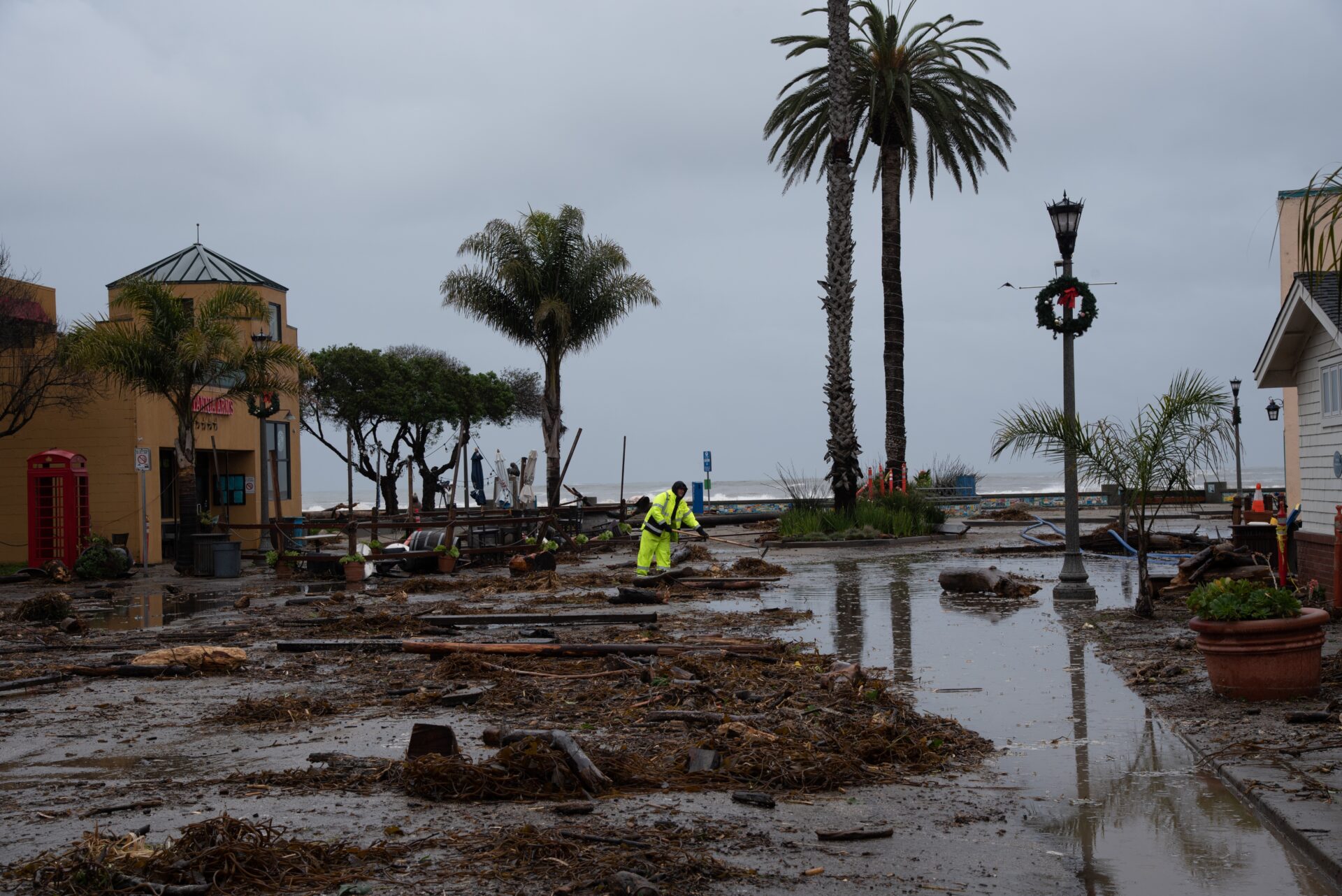
Participants with stronger place attachment reported higher perceptions of hurricane risk across five of the six dimensions researchers measured. That included believing they were more likely to experience storm surge or rainfall flooding and anticipating more severe consequences. The strongest relationship involved perceived severity, suggesting that emotional and functional ties to a community may make potential hurricane damage feel more consequential rather than encouraging residents simply to discount the danger to a familiar place.
That Connection Also Appeared in Preparation Choices
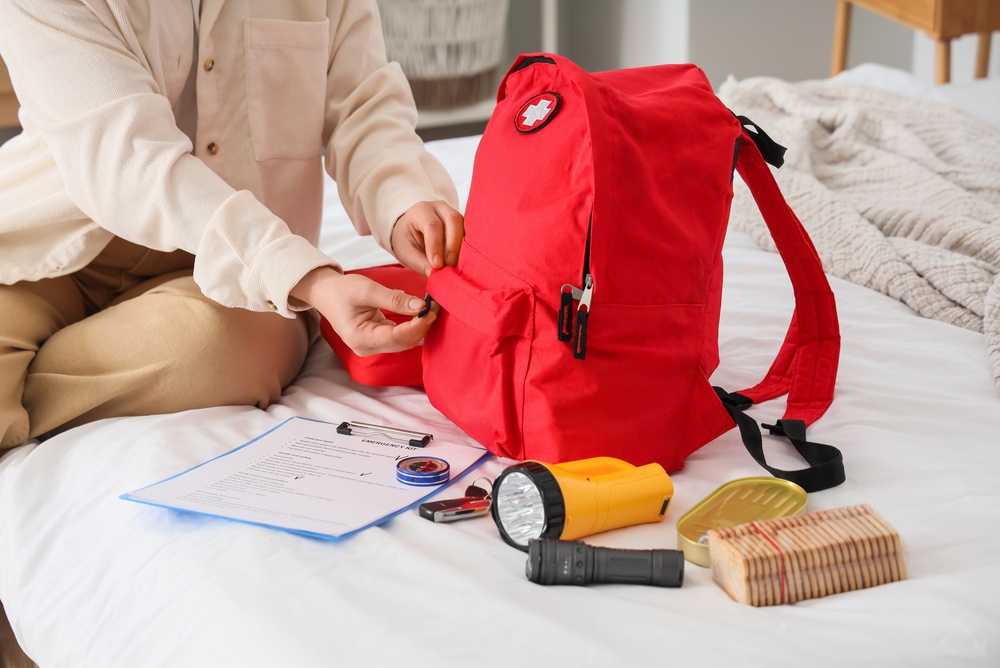
Place attachment was associated with a greater intention to take protective steps other than evacuation. Highly attached participants were more likely to say they would gather emergency supplies, board windows or move belongings somewhere safer, and they were more inclined to heed recommendations from local officials. Those behaviors closely resemble FEMA’s practical hurricane guidance, which includes strengthening homes, gathering enough supplies to potentially last days or weeks, monitoring emergency alerts and learning evacuation routes before a storm arrives.
Evacuation Is More Complicated
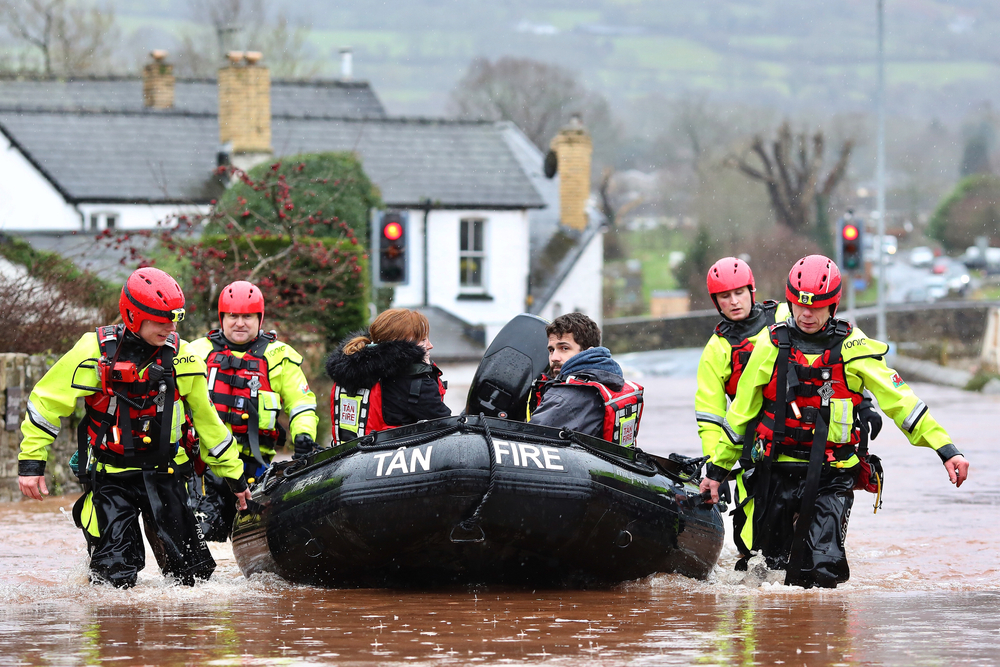
The study does not establish that stronger attachment to home automatically makes someone more likely to evacuate. That distinction matters because leaving home is fundamentally different from protecting it. Evacuation can involve transportation, accommodation, pets, work obligations and the emotional difficulty of leaving property behind. FEMA advises people in evacuation zones to learn routes and identify where they will stay beforehand, and to leave immediately when local officials order a mandatory evacuation.
Forecast Maps Produced a Surprising Result

Researchers also found evidence that seemingly straightforward storm-surge maps can produce unexpected reactions. In some map configurations, participants whose hypothetical home appeared just outside the forecast flooding area reported greater intentions to act than people whose home appeared inside it. Yet those “outside” homes were only 0.23 miles from the projected flooding. Participants still consistently rated their personal risk as lower, suggesting people can interpret forecast boundaries as more exact than the underlying uncertainty warrants.
Income, Age and Gender Were Also Connected to Responses
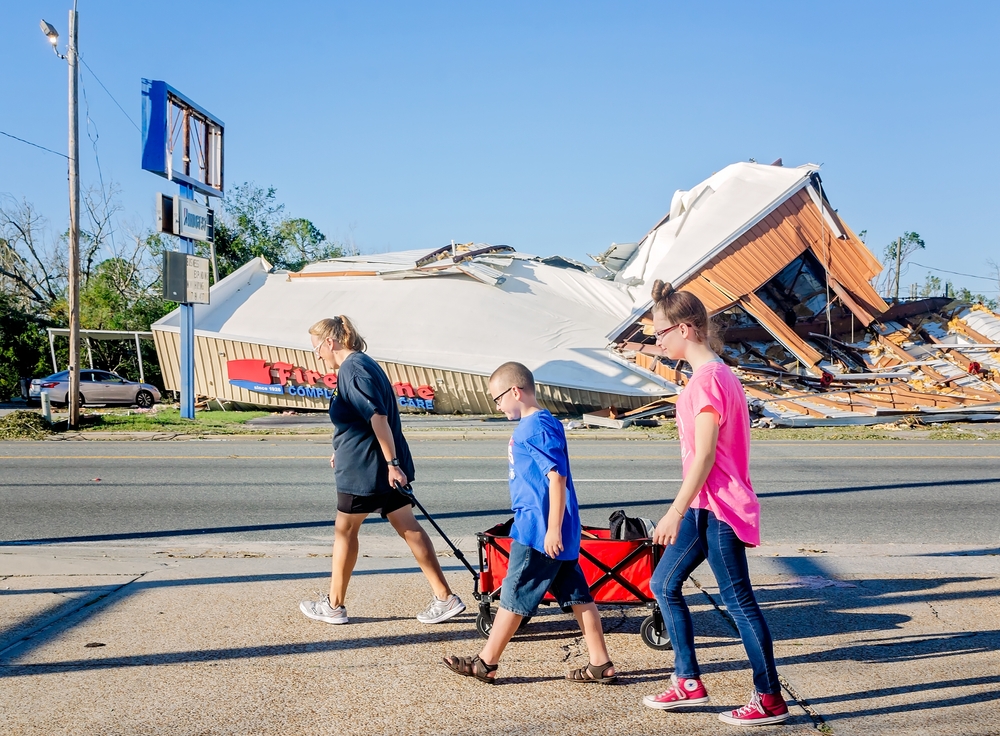
Place attachment was not the only pattern researchers detected. Women reported greater intentions than men to take protective measures and follow local warnings, while older respondents were also more inclined to do so. Lower-income respondents were less likely to say they would follow local safety recommendations. The researchers described the latter as an important equity consideration for risk communicators, since the ability to act on hurricane advice can differ substantially among households and communities.
The Stakes Are Especially High With Storm Surge
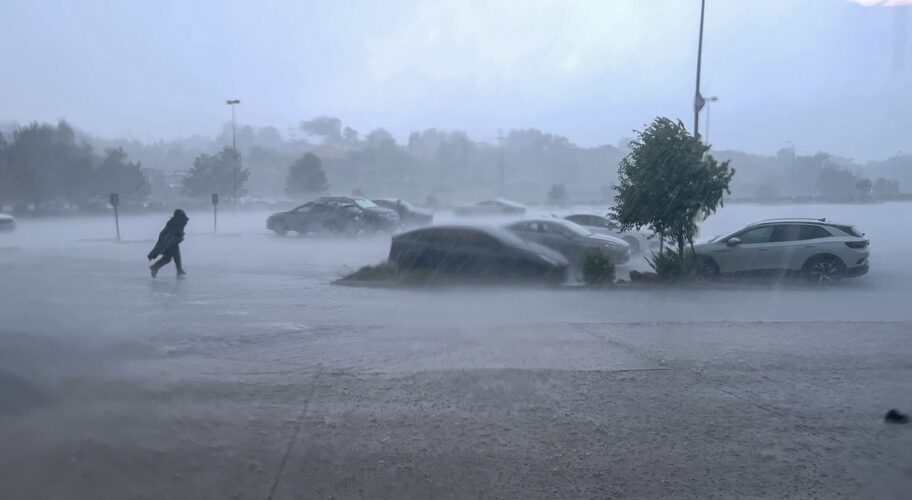
Understanding those decisions matters because storm surge can be deadly. The study’s accompanying release notes that surge caused 41 of the 66 direct deaths attributed to Hurricane Ian in 2022. FEMA identifies storm surge as historically the leading cause of hurricane-related deaths in the United States and stresses that hurricanes can also bring destructive winds, inland flooding, rip currents and tornadoes. That means communication has to translate forecasts into decisions people can make before conditions deteriorate.
A Quieter Season Doesn’t Eliminate the Threat
NOAA entered the 2026 Atlantic season forecasting a 55 percent chance of below-normal activity, compared with a 35 percent chance of a near-normal season and 10 percent chance of above-normal activity. Its May outlook projected eight to 14 named storms, including three to six hurricanes and one to three major hurricanes. But NOAA National Weather Service Director Ken Graham emphasized the limitation of seasonal forecasts: “It only takes one storm to make for a very bad season.”
Hurricane Messaging May Need to Become More Personal
The research points toward a challenge that better forecasting alone cannot solve. NOAA is introducing new hurricane communication and forecasting tools in 2026, while FEMA continues to urge households to make plans, know evacuation zones and prepare supplies before storms arrive. The new study suggests emergency managers may also benefit from understanding how residents relate to the places those warnings concern. As lead author Julie Demuth explained, hurricanes threaten people “in the place they call home,” making that connection potentially useful for designing warnings that people understand and act upon.