Scientists Say Saturn’s Moon Could Host Alien Life
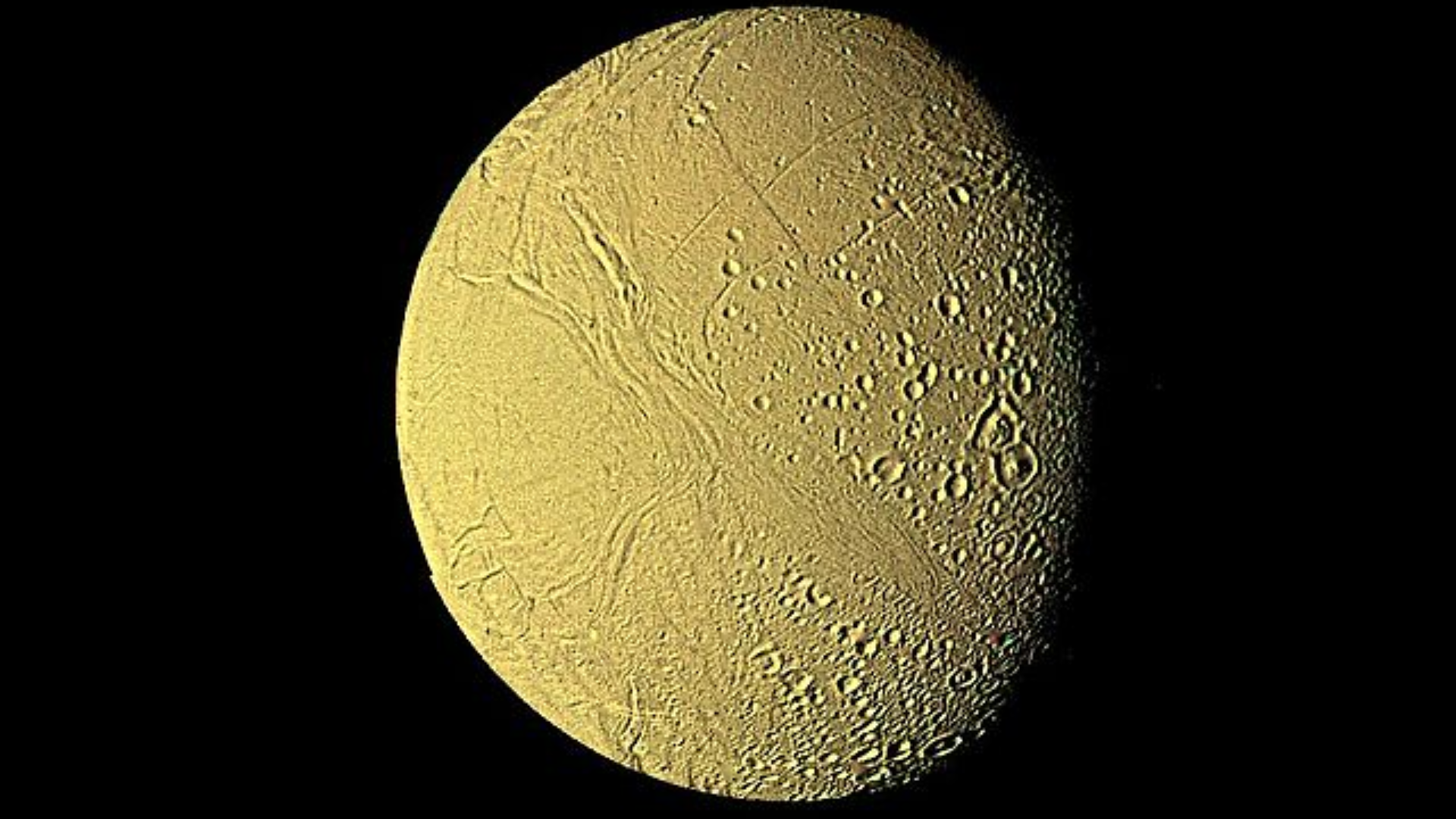

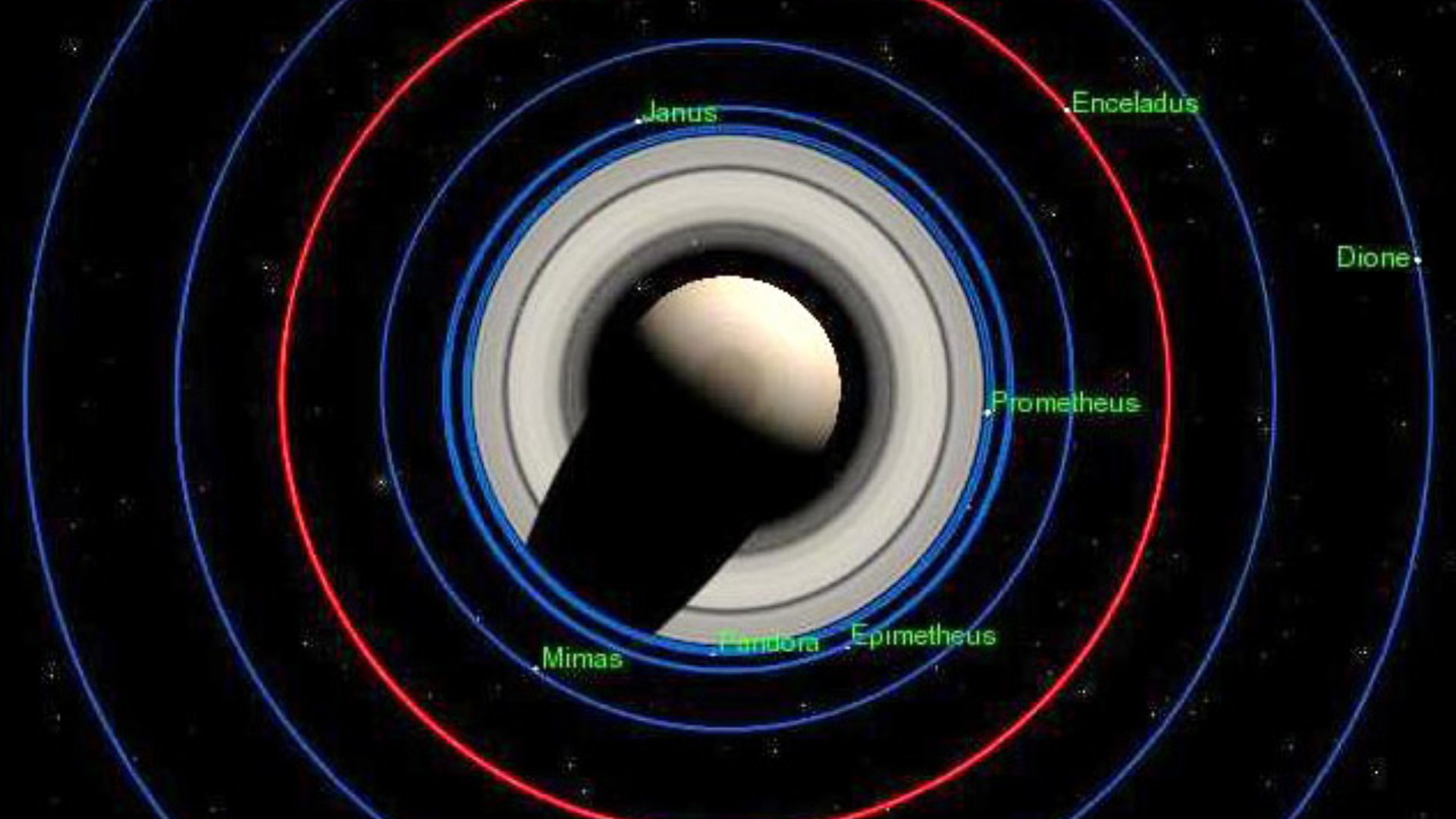
Scientists studying Saturn’s mysterious moon Enceladus say it may be one of the most promising places in our solar system to search for alien life, according to recent research highlighted by space scientists. Enceladus, a small ice covered world orbiting Saturn, has long intrigued researchers because it hides a global ocean beneath its frozen crust, an ocean that may contain the basic ingredients needed for life.
What makes Enceladus especially compelling is that its subsurface ocean is not completely sealed off from space, unlike many other icy moons. Powerful geysers regularly blast water vapor, ice particles, and organic material through cracks in the moon’s surface, offering scientists a rare opportunity to study material from an alien ocean without drilling through miles of ice.
Data collected by NASA’s Cassini spacecraft revealed that these plumes contain water, salts, simple organic molecules, and even molecular hydrogen, a chemical that on Earth is often associated with biological or hydrothermal activity. Together, these findings suggest Enceladus has the chemical energy and environmental conditions that could potentially support microbial life.
A Hidden Ocean With Life-Friendly Chemistry
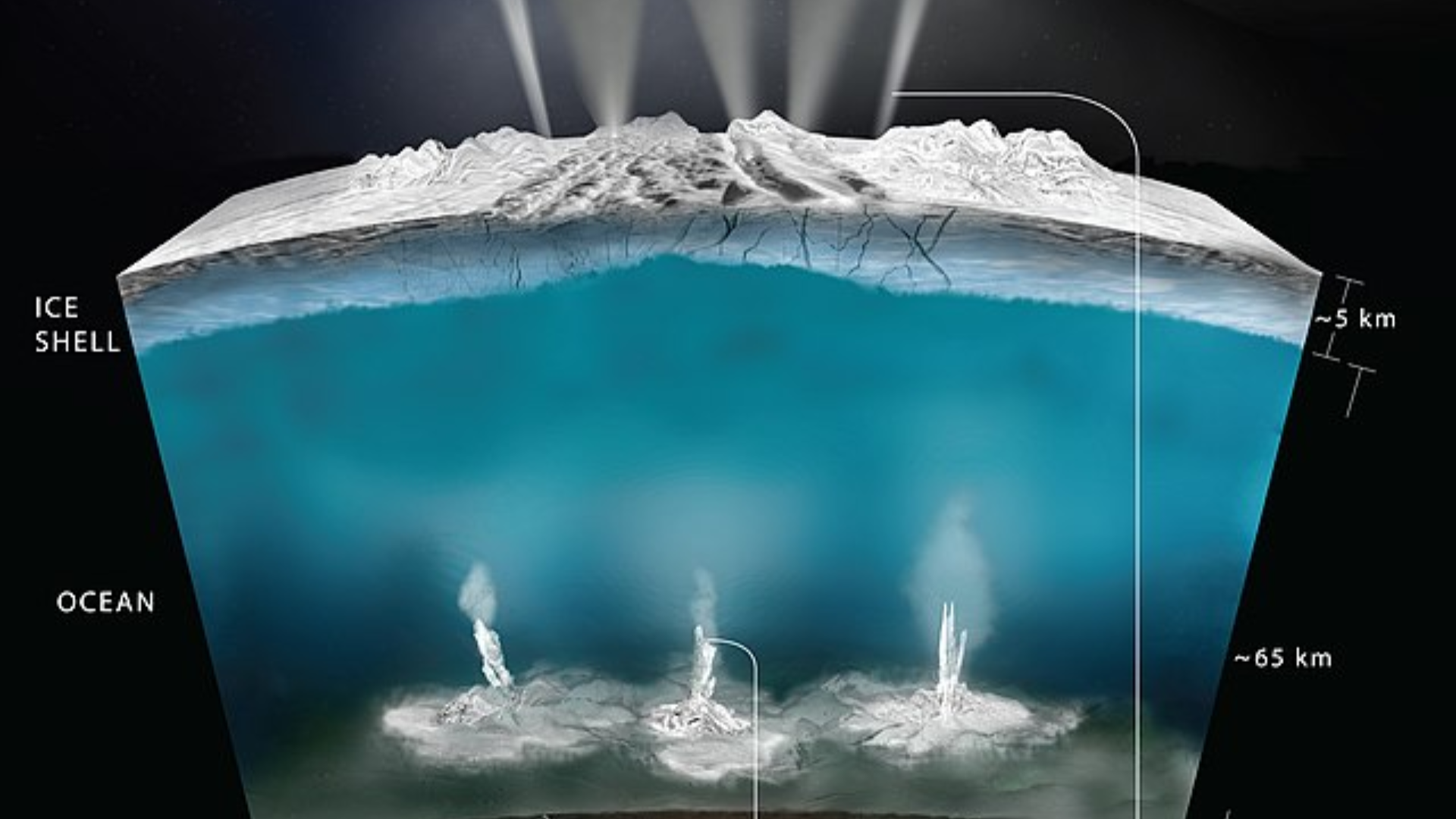
Scientists believe Enceladus’s ocean lies beneath an ice shell that may be tens of miles thick, but it is warmed from below by tidal forces caused by Saturn’s gravity. This constant flexing generates heat, preventing the ocean from freezing solid and allowing liquid water to persist for billions of years, which is considered crucial for the development of life.
Research indicates that the ocean is in direct contact with a rocky core, a combination that mirrors environments on Earth where life thrives around deep sea hydrothermal vents. In these dark, high pressure regions of our own planet, microbes survive by feeding on chemical energy rather than sunlight, raising the possibility that similar life forms could exist on Enceladus.
The presence of molecular hydrogen in Enceladus’s plumes strongly supports this idea, as it suggests ongoing chemical reactions between water and rock on the ocean floor. These reactions could provide a steady energy source capable of sustaining simple organisms, even in the absence of light and extreme cold conditions.
Why Enceladus Stands Out Among Alien Life Candidates
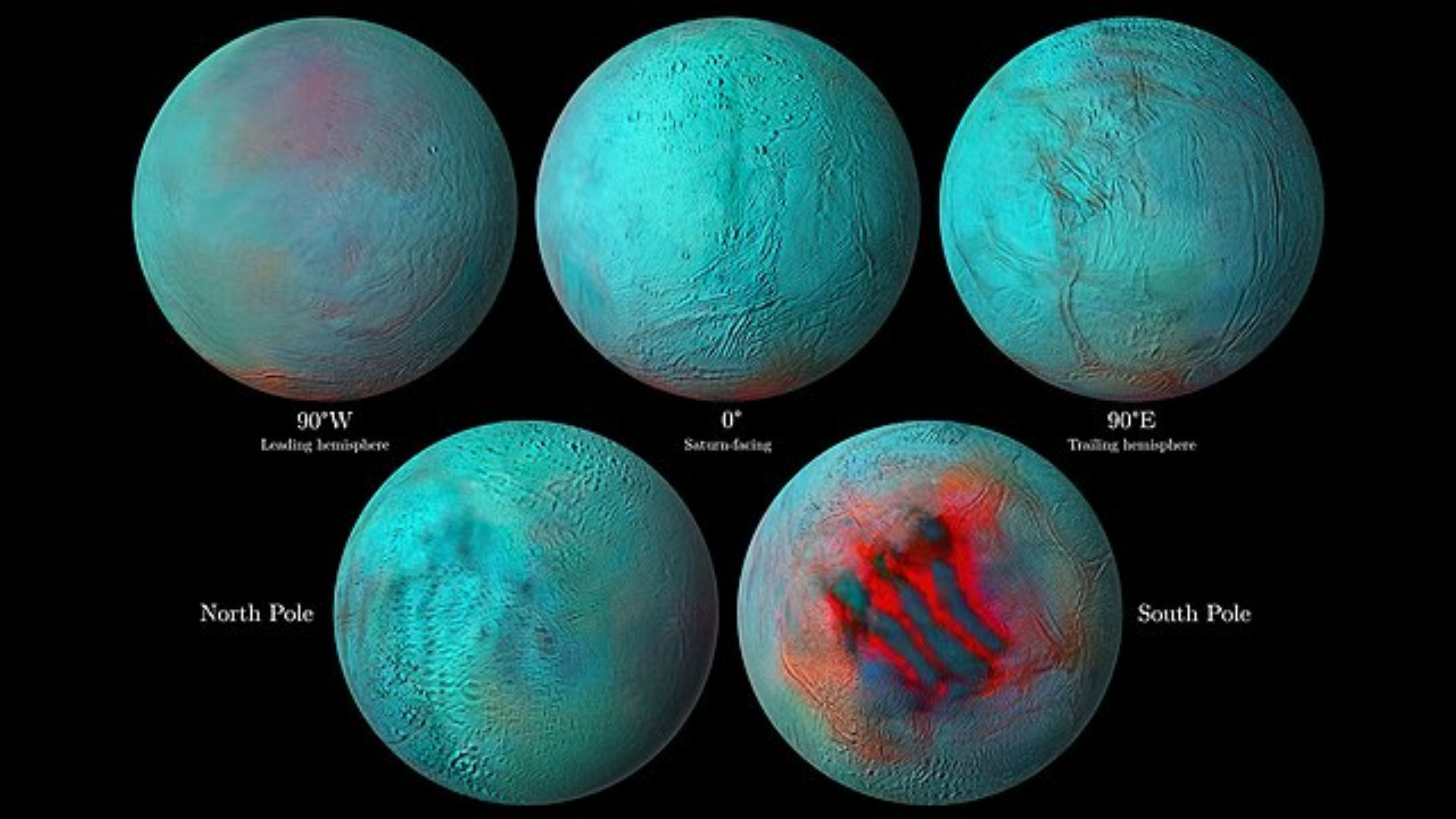
Among the many moons and planets scientists have studied, Enceladus stands out because it actively ejects material from its ocean into space, making it far more accessible for future exploration. Instead of landing and drilling, spacecraft could potentially fly through the plumes and directly sample ocean material for signs of life.
This accessibility dramatically lowers the technological barriers for life detection missions and makes Enceladus a prime target for upcoming space exploration concepts. Scientists have proposed future missions equipped with advanced instruments designed to analyze plume particles for complex organic molecules, cell like structures, or chemical patterns associated with biology.
Compared to Mars, which shows evidence of ancient water but appears largely dry today, Enceladus offers a present day, active environment where liquid water, energy, and organic chemistry coexist. This combination places the icy moon near the top of the list when scientists discuss where alien life might be found first.
What This Means for the Search for Alien Life
The growing body of evidence from Enceladus is reshaping how scientists think about where life can exist in the universe, showing that habitable environments are not limited to warm, Earth like planets. Instead, life may thrive in hidden oceans beneath ice, powered by chemistry and geology rather than sunlight.
If future missions confirm the presence of living organisms or complex biological chemistry on Enceladus, it would be one of the most significant discoveries in human history, proving that life can emerge in multiple places within a single solar system. Such a finding would dramatically increase the likelihood that life is common throughout the universe.
For now, Enceladus remains a tantalizing mystery, but scientists agree that it represents one of our best chances to answer the age old question of whether we are alone. As technology advances and new missions are planned, Saturn’s icy moon may one day reveal secrets that forever change our understanding of life beyond Earth.