Scientists Say Major US Cities Are Sinking Faster Than Expected
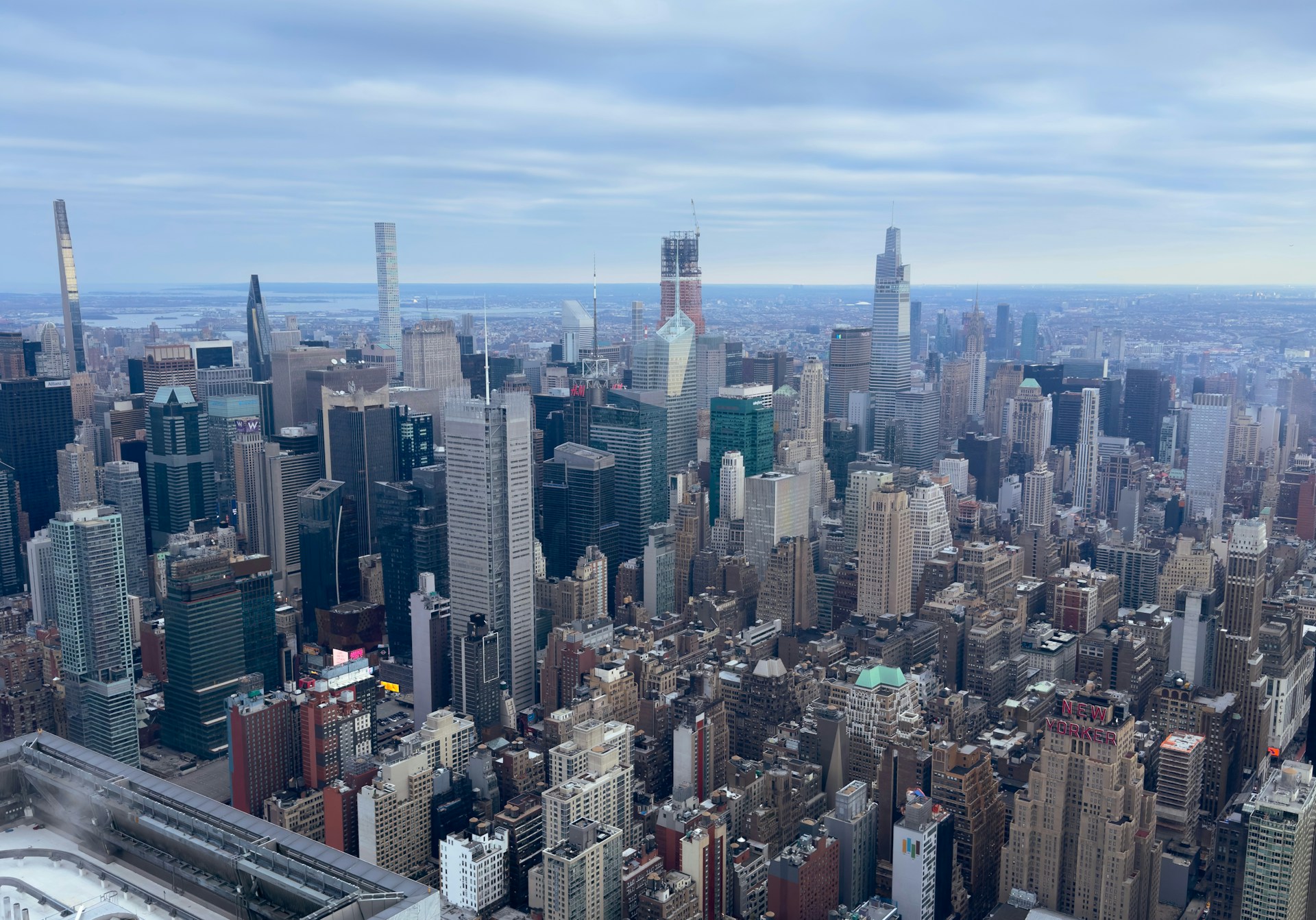

At first glance, cities may seem solid and unchanging, but new research shows that many of America’s largest urban areas are slowly sinking. While the movement is often too small to notice day to day, scientists warn that the long-term effects could be serious. From coastal hubs to inland cities, this issue is becoming more widespread and more urgent than previously thought.
Nearly Every Major City Is Affected

Recent studies reveal that almost all of the 28 largest U.S. cities are sinking to some degree. In fact, in 25 of those cities, at least two-thirds of the land area is moving downward. This means millions of people are living in areas where the ground beneath them is gradually shifting, even if they are unaware of it.
Some Areas Are Sinking Faster Than Expected
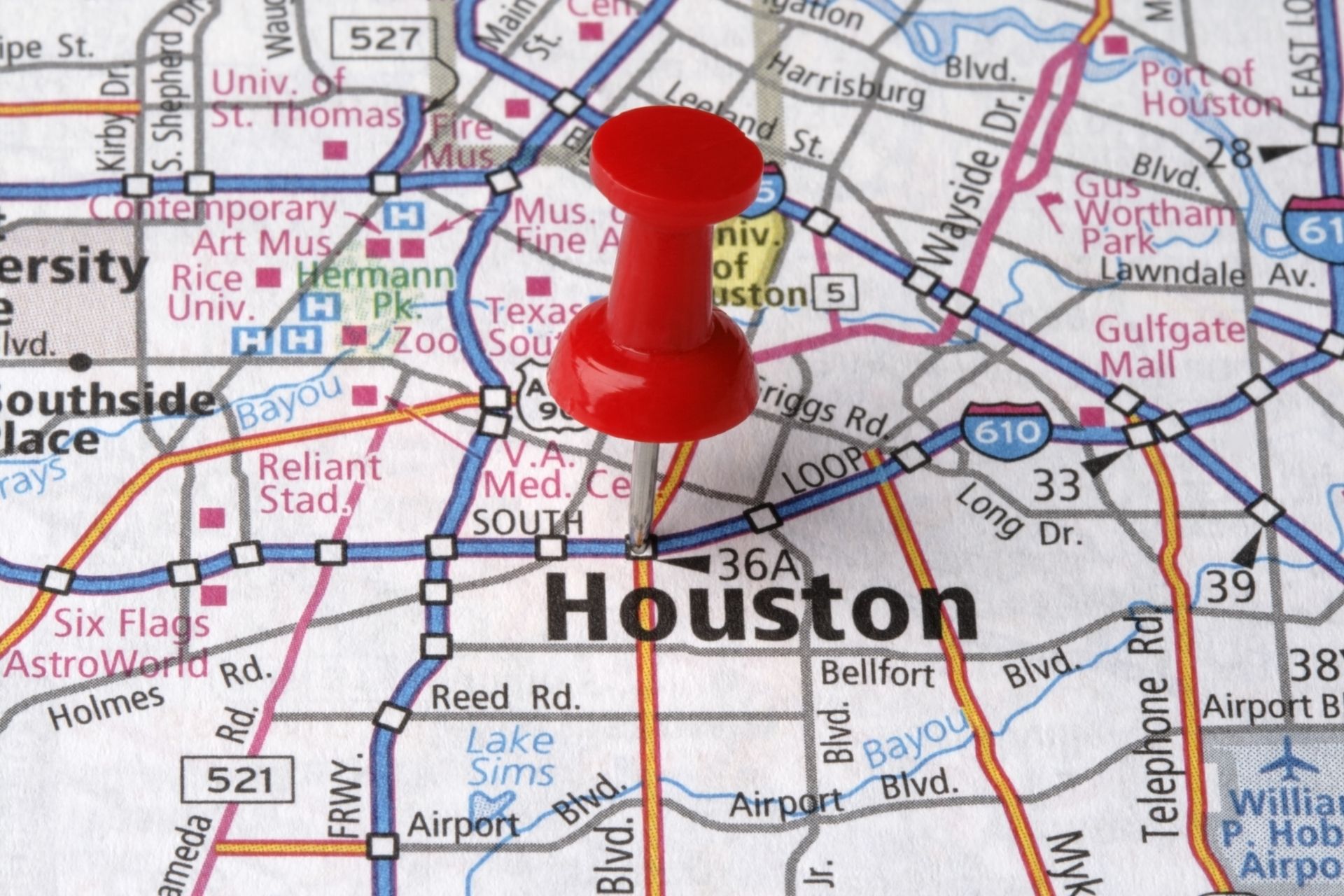
While many cities are sinking slowly, certain areas are dropping at a much faster rate. In some locations, land is sinking by as much as two inches per year, which is far higher than earlier estimates. Cities like Houston, Dallas, and Fort Worth are among the fastest affected, but smaller zones in places like New York and Las Vegas are also seeing noticeable changes.
The Main Cause Lies Underground
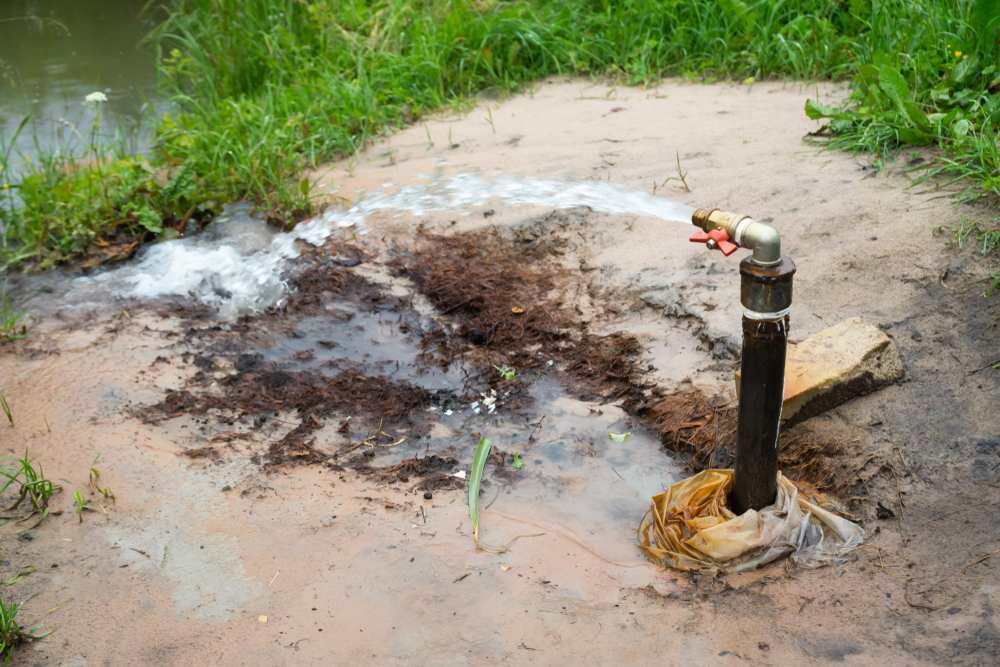
One of the biggest reasons for this problem is groundwater extraction. As cities pump water from underground sources, empty spaces in the soil begin to collapse, causing the land above to sink. Scientists estimate that about 80 percent of overall sinking in major U.S. cities is linked to this process. As populations grow and water demand increases, this issue is expected to worsen.
Climate Change Is Making Things Worse

At the same time, climate change is adding more pressure. Drought conditions are pushing cities to rely even more on groundwater, which speeds up subsidence. In coastal areas, the combination of sinking land and rising sea levels creates a double threat. In some cases, researchers say future sea level rise could be more than twice what was previously expected due to this combined effect.
Even Buildings Can Contribute
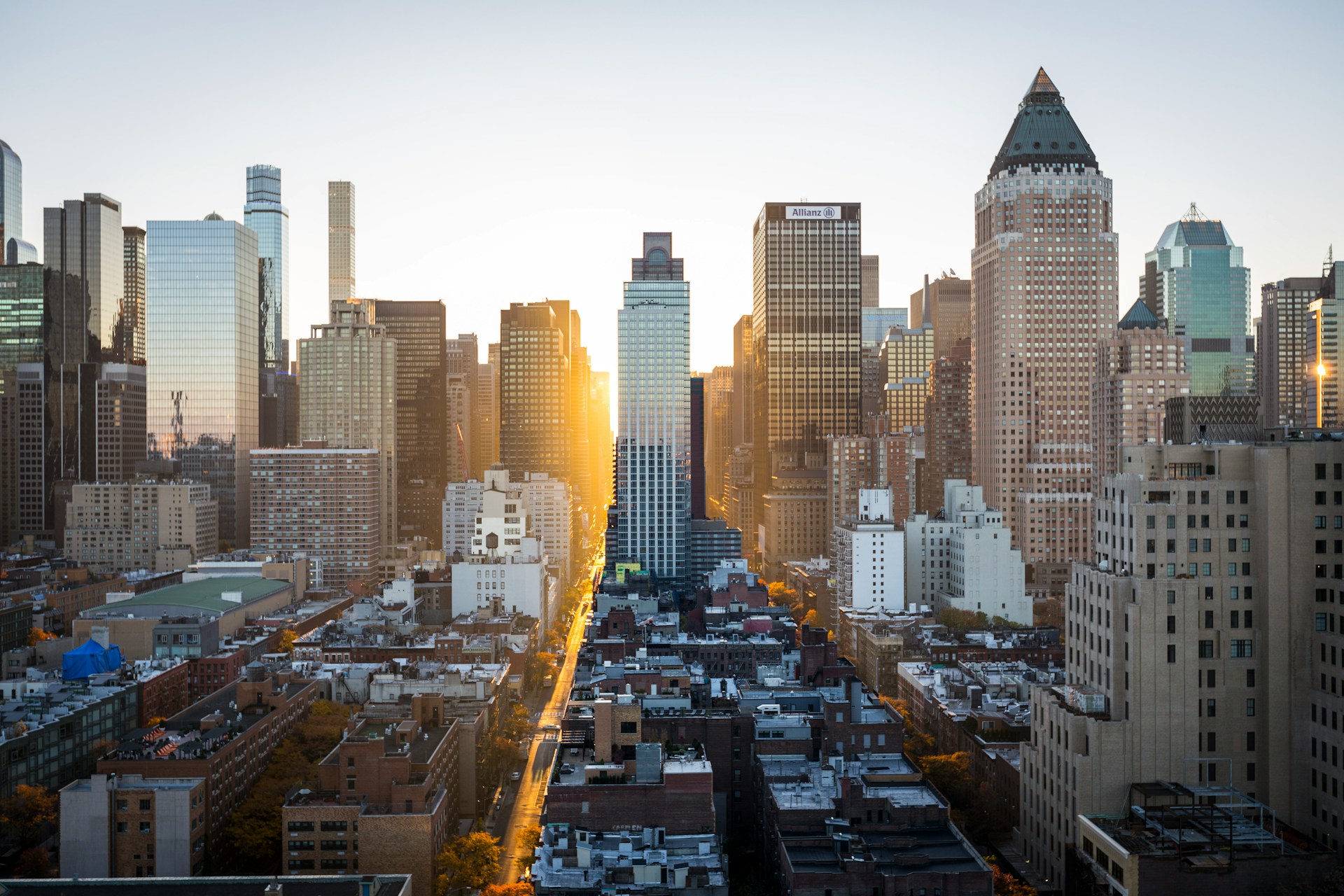
Surprisingly, the weight of large cities themselves can play a role. In places like New York City, the sheer mass of millions of buildings is pressing down on the ground. Over time, this added pressure may contribute to gradual sinking, especially in areas already vulnerable due to softer soils or past land use changes.
Not All Movement Is the Same
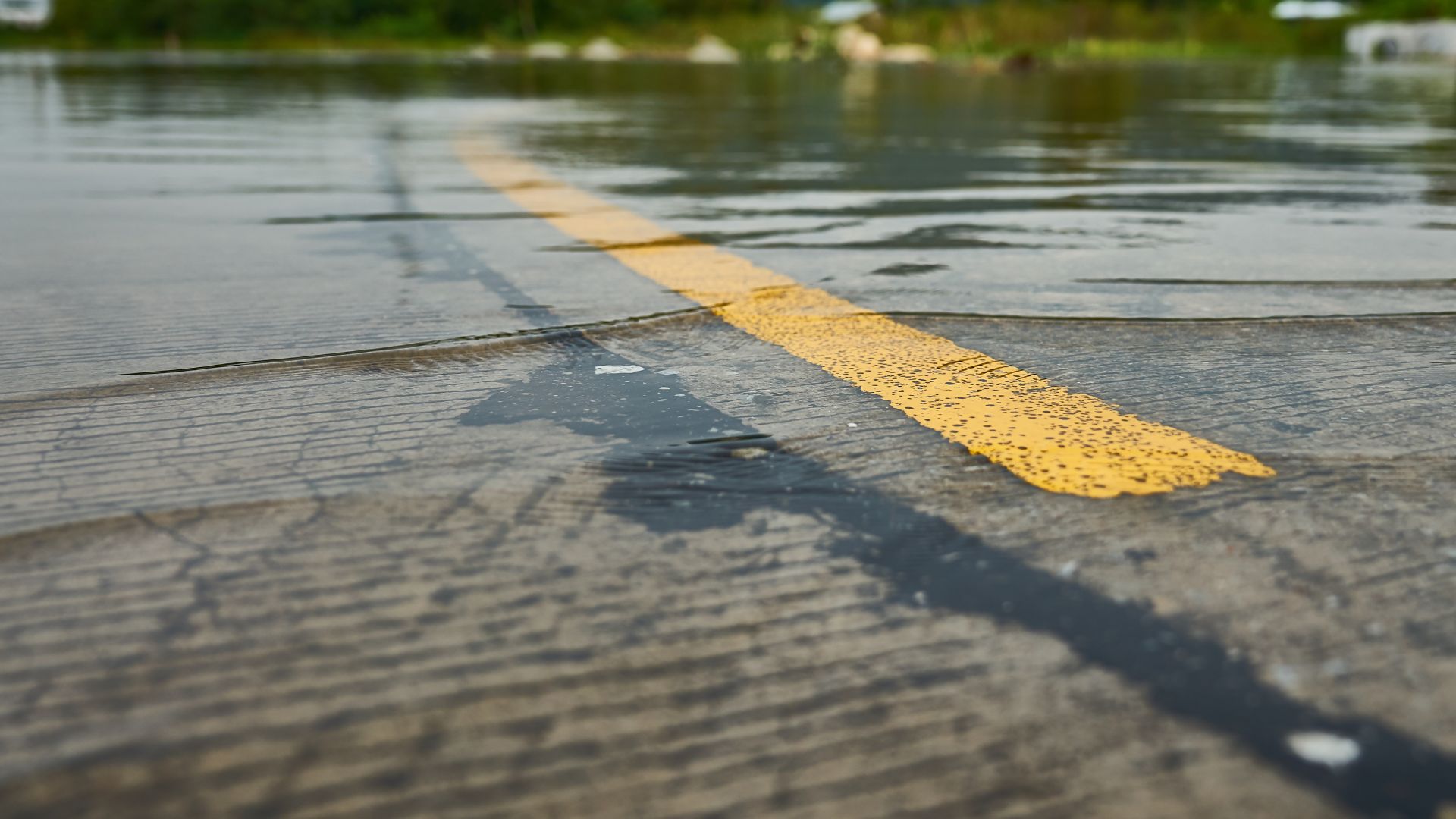
Another important detail is that cities are not sinking evenly. Some areas may drop while others remain stable or even rise slightly. This uneven movement can create stress on roads, buildings, and infrastructure. Experts warn that this type of shifting is more dangerous than uniform sinking because it can lead to cracks, tilting structures, and long-term damage.
Coastal Cities Face Greater Risk
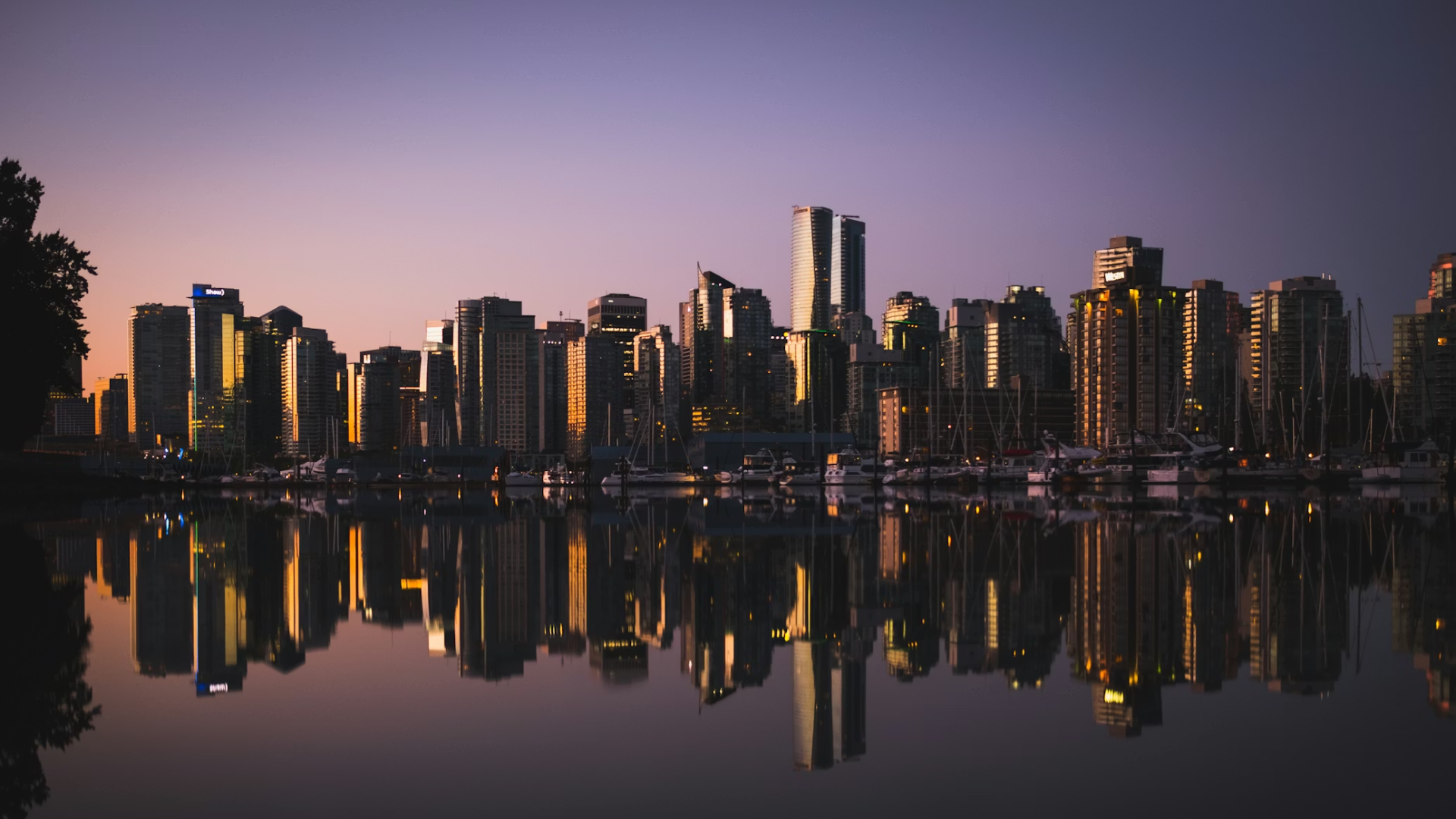
Coastal cities are especially vulnerable because sinking land increases the risk of flooding. Even small changes in elevation can make a big difference during storms or high tides. Scientists note that land movement, even at fractions of an inch per year, can significantly increase flood risk and saltwater intrusion in these areas. As a result, places like Los Angeles and San Francisco may face greater challenges in the coming decades.
Millions of People Are Already Affected

Overall, about 34 million people in the United States live in areas experiencing some level of sinking. Many of these regions have already seen increased flooding events over the past two decades. This suggests that subsidence is not just a future concern but a current issue that is already impacting communities.
What Comes Next for Cities
Looking ahead, scientists say cities must begin adapting to these changes. Solutions may include better water management, stronger building codes, and improved flood protection systems. While the problem cannot be reversed overnight, experts stress that it can be managed with the right planning. Ultimately, understanding how and why cities are sinking is the first step toward protecting them for the future.