Scientists Say a New Discovery Could Rewrite the Origin of Life
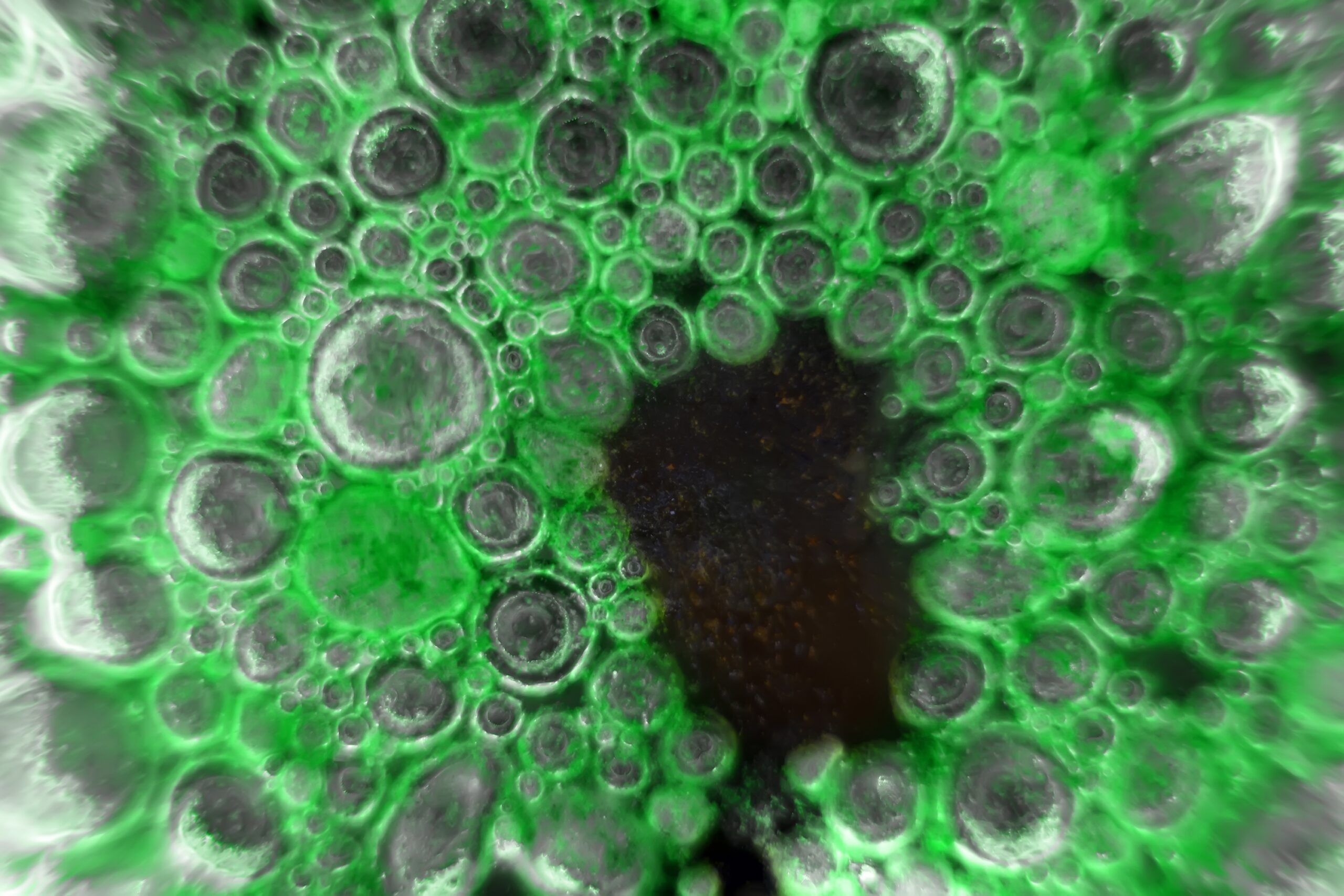

A recent scientific study is challenging one of the most established ideas about how life first developed on Earth. Researchers from the University of Arizona suggest that the earliest stages of genetic evolution may have been far more complex than scientists previously believed. Their work focuses on amino acids, the molecular components that eventually formed proteins and helped shape every living organism known today. By revisiting the timeline of how these amino acids emerged, the team believes modern science may have underestimated the role of primitive, pre-life chemical systems that existed before fully formed cells appeared.
At the center of the investigation is LUCA, the “last universal common ancestor,” considered the original life form from which all living species evolved. According to the researchers, examining the chemical traces linked to LUCA could reveal important details about the transition from non-living chemistry to biological life. Instead of viewing Earth’s early environment as one uniform soup of chemicals, the scientists argue that different regions of the young planet may have produced distinct molecular combinations that later competed and evolved over time.
The study also highlights how modern assumptions about genetic history may contain hidden biases. For decades, many researchers believed that the amino acids most commonly found in early organisms must have appeared first during evolution. However, the new analysis questions that logic and proposes that abundance alone may not accurately represent evolutionary age. This shift in perspective opens the door to a broader and more dynamic understanding of how the earliest genetic systems formed billions of years ago.
Ancient Protein Clues Are Reshaping Evolutionary Theory

To investigate these ideas, the research team analyzed ancient protein domains, structural components of proteins that have survived through immense stretches of evolutionary history. Using advanced computational tools and biological databases, they reconstructed patterns that may date back nearly four billion years. These protein domains function much like reusable mechanical parts, appearing repeatedly across many different forms of life despite dramatic evolutionary changes over time.
One of the most surprising discoveries involved tryptophan, an amino acid commonly associated with foods like turkey. Scientists have long believed tryptophan was among the last amino acids added to the genetic code. Yet the researchers found evidence suggesting it appeared more frequently before LUCA than after it. While the numerical difference was relatively small, the pattern itself raised major questions about the accepted timeline of genetic evolution.
The findings suggest that multiple genetic systems may have existed simultaneously during Earth’s earliest stages. Rather than one single path leading directly to modern biology, several primitive coding systems could have competed, adapted, and disappeared over time. Some of these ancient systems may have even relied on amino acids that are no longer part of life as it exists today. This possibility paints a far less linear picture of evolution than the one traditionally presented in biology textbooks.
Hydrothermal Vents May Hold Answers Beyond Earth

The researchers also explored environments that may have supported these early chemical processes. One leading theory points to alkaline hydrothermal vents located deep within ancient oceans. These underwater systems contain rich chemical interactions capable of generating organic compounds under extreme conditions. Scientists believe such environments may have provided the energy and molecular ingredients necessary for primitive biological activity to emerge long before stable organisms evolved.
What makes the study even more compelling is its connection to modern space exploration. The team suggests that similar chemical reactions could potentially occur beyond Earth, particularly on icy moons with hidden oceans beneath their surfaces. Saturn’s moon Enceladus has become one of the most intriguing candidates because scientists suspect it contains a subsurface ocean where water interacts with rock in conditions somewhat similar to ancient hydrothermal systems on Earth.
If amino acids and complex organic chemistry can form naturally in these distant environments, the implications for astrobiology become enormous. The possibility that life, or at least the chemical foundations of life, could emerge in multiple locations across the Solar System continues to reshape how scientists think about humanity’s place in the universe. Instead of being an isolated event, the origin of life may represent a process that nature repeats whenever the right conditions appear.
A New Perspective On Humanity’s Earliest Origins

Although many questions remain unanswered, the study contributes to a growing effort to rethink the earliest chapters of biological evolution. Researchers increasingly recognize that life’s beginnings were likely shaped by unstable environments, competing chemical systems, and countless molecular experiments occurring over vast periods of time. Each new discovery helps scientists refine the story of how simple chemistry eventually transformed into organized living systems.
The research also demonstrates how modern technology is changing the study of ancient life. Powerful software tools and expanding biological databases now allow scientists to compare genetic patterns at scales that were impossible only a few decades ago. As more data becomes available, theories once considered settled are being revisited with fresh evidence and more sophisticated methods of analysis.
Beyond its scientific significance, the study encourages a broader philosophical reflection about life itself. Understanding how biology emerged from non-living matter remains one of science’s deepest questions, connecting fields such as genetics, chemistry, geology, and astronomy. Whether the answers are eventually found on Earth or somewhere beyond it, discoveries like this continue to push humanity closer to understanding how life first entered the universe.