Scientists Reveal How Rapid Warming Is Turning Parts of the Baltic Sea Into ‘Underwater Wastelands’
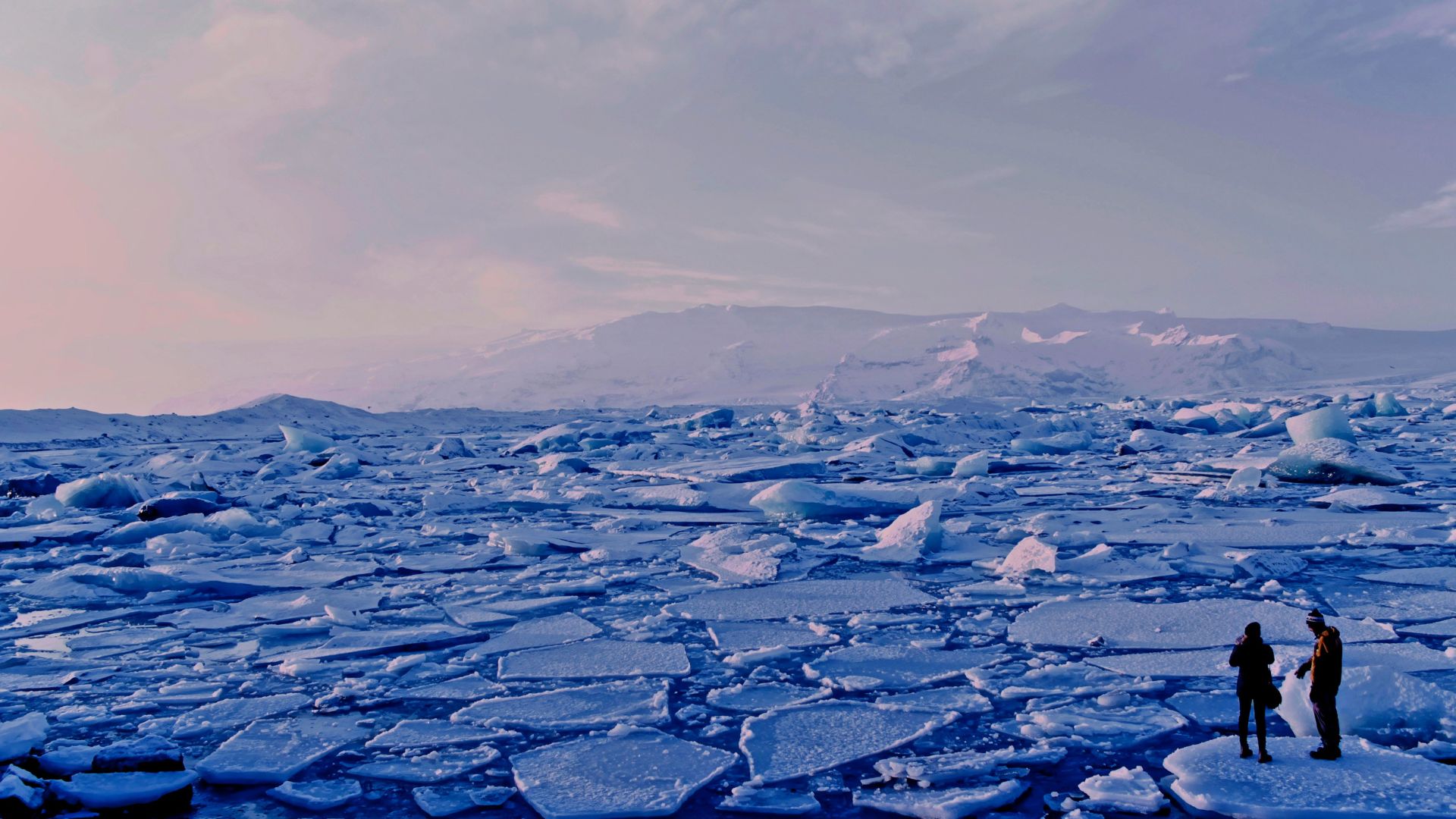

At the start of February, the Baltic Sea experienced an extraordinary decline in water levels, reaching nearly 67 centimeters below its long term average recorded since the late nineteenth century. While global sea levels continue to rise, this regional drop surprised observers and raised urgent questions among researchers.
According to specialists from the Institute of Oceanology of the Polish Academy of Sciences, the event was driven by a persistent pattern of strong easterly winds, high atmospheric pressure, and the absence of major weather fronts. These forces pushed massive volumes of water through the Danish Straits into the North Sea, temporarily lowering levels across the basin.
Although such fluctuations can occur naturally, scientists emphasize that this episode cannot be viewed in isolation. The scale of the change reflects broader atmospheric instability linked to global warming, particularly in the Arctic, where rising temperatures are reshaping long established climate systems.
The “Open Fridge” Effect and a Disrupted Arctic

Researchers describe the Arctic as a key regulator of the planet’s climate balance. As warming accelerates in the far north, the polar vortex, a high altitude circulation of cold air, becomes less stable. When this system weakens, it disrupts the jet stream, allowing unusual weather patterns to persist over Europe and surrounding regions.
Scientists sometimes refer to this phenomenon as the “open fridge” effect. When the Arctic’s cold air mass loosens its grip, frigid air spills southward while warmer air intrudes northward. This destabilization contributes to blocked high pressure systems, prolonged wind events, and dramatic anomalies such as the recent Baltic Sea decline.
In practical terms, the Baltic’s shrinking water levels reveal how interconnected atmospheric processes can amplify local impacts. While the immediate cause was meteorological, the underlying driver is a warming Arctic that is changing faster than most other regions on Earth.
A Sea Under Growing Ecological Pressure
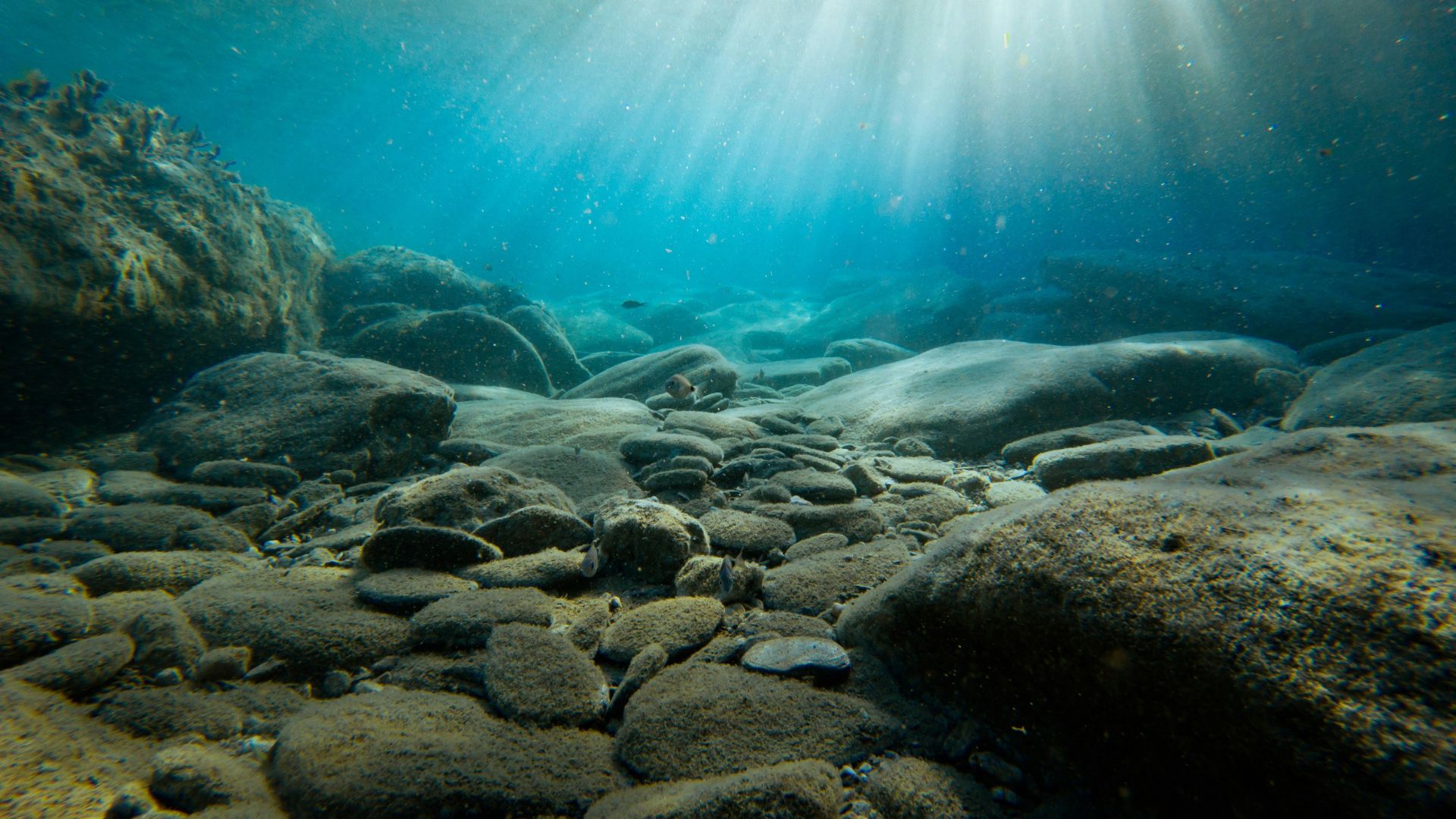
The Baltic Sea has long faced environmental stress due to its shallow depth and limited water exchange with the broader Atlantic system. As global temperatures climb, these characteristics make it particularly vulnerable. Warmer surface waters encourage algal blooms, especially when nutrient runoff from rivers carries excess phosphorus into the basin.
These blooms reduce oxygen levels, threatening marine organisms that depend on stable conditions. Over time, biodiversity declines and ecosystems become less resilient. Scientists warn that shallow waters heat more rapidly, intensifying the cycle of oxygen depletion and habitat loss.
Meanwhile, climate driven shifts in species distribution are reshaping northern ecosystems. In the Arctic, researchers have documented a process known as borealisation, in which species from lower latitudes expand northward, competing with native fauna. This ecological reorganization reflects a region warming at roughly four times the global average, accelerating cascading changes such as melting ice, freshwater influx, and ocean acidification.
From Coral Reefs to Cod Stocks, What Is at Stake

Marine scientists caution that rising ocean temperatures are not a distant threat but an active force transforming underwater environments worldwide. Coral reefs, which support nearly a quarter of all marine species, are particularly vulnerable. Even moderate warming can trigger bleaching events, during which corals expel the symbiotic algae they rely on for survival, leading to rapid ecosystem collapse.
In semi enclosed seas like the Baltic, the consequences are different but equally concerning. Cod populations, already under pressure, struggle to reproduce in deeper waters where oxygen depletion has expanded over decades. Although no species has officially vanished from the basin, its ecological capacity continues to narrow.
There are, however, signs of progress. Regional cooperation coordinated by organizations such as HELCOM and the European Union has improved wastewater treatment and reduced certain forms of pollution. Some coastal areas have even seen the return of seagrass meadows after years of decline. Still, experts agree that recovery will require patience and sustained commitment. Even if pollution remains controlled, the Baltic Sea will continue to feel the pressure of global climate forces. The recent water level anomaly serves as a visible reminder that environmental stability depends on complex systems now undergoing profound transformation.