Scientists Recreated a ‘Famous Experiment’ About How Life Began on Earth. Results Expose a ‘Key Clue Missed for Years’
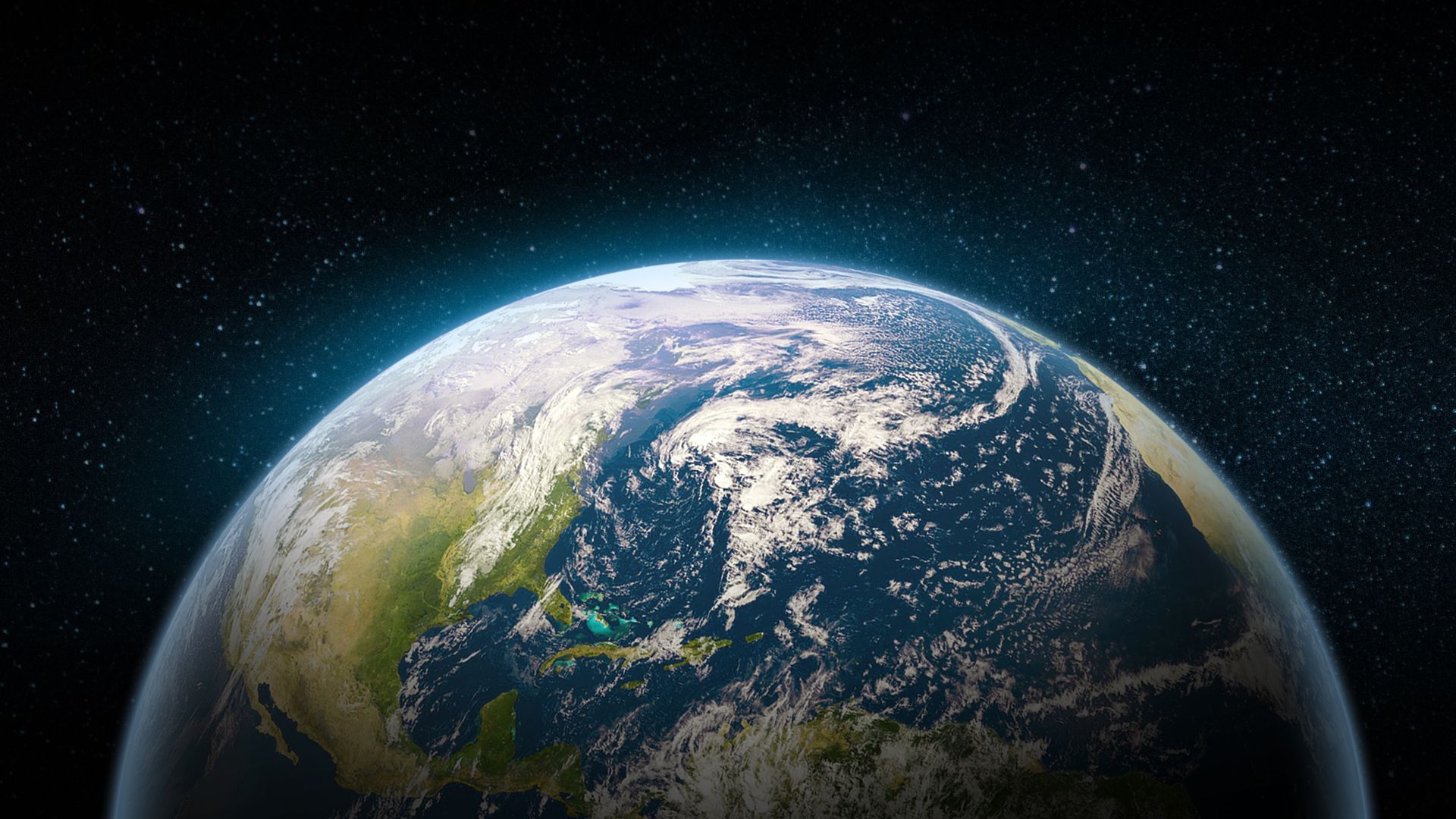

In 1952, Stanley Miller and Harold Urey sealed water, methane, ammonia, and hydrogen inside a glass flask, then zapped the mixture with electrical sparks. The experiment mimicked early Earth’s volatile conditions, and amino acids (life’s building blocks) formed in the churning liquid. For decades, this groundbreaking demonstration shaped how scientists understood the origins of life itself. But researchers recently discovered something Miller himself noted, then everyone forgot.
Two separate research teams revisited Miller and Urey’s famous work using modern techniques and uncovered revelations that had been hiding in plain sight. One team from the University of Tuscia in Italy, led by Raffaele Saladino, realized the glass container wasn’t just holding the experiment, it was participating in it. Another group at Stanford University discovered that massive lightning bolts might not have been necessary at all.
Both findings challenge assumptions scientists have held for 70 years about how organic molecules formed on primordial Earth. The Italian team found that borosilicate glass, considered inert by researchers, actually dissolved and catalyzed reactions in the mixture. Meanwhile, Stanford scientists demonstrated that tiny water droplets could generate enough electrical power through “microlightning” to create amino acids without massive lightning storms.
The Flask Itself Was Part of the Recipe All Along
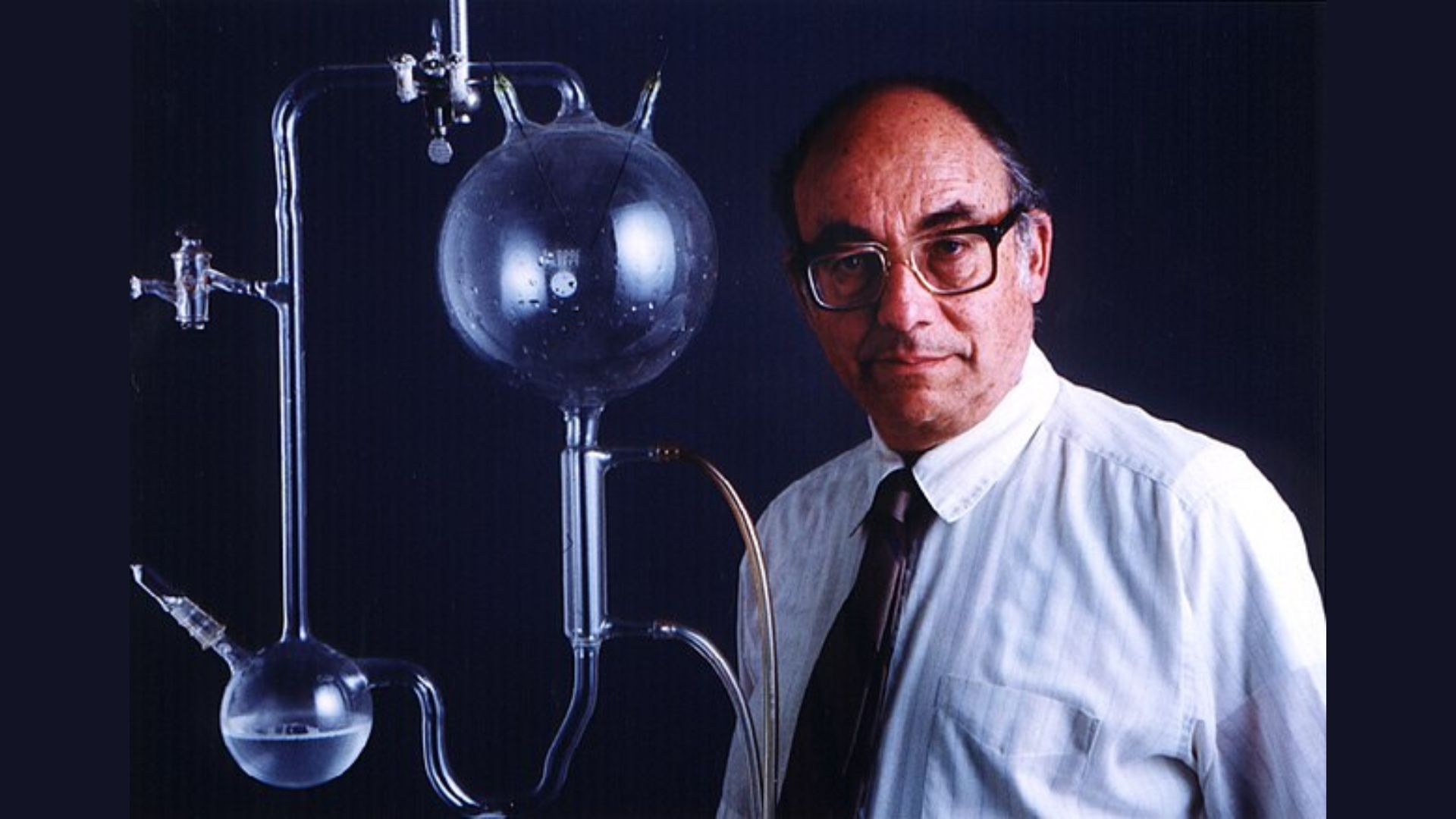
Saladino’s team discovered that the experiment’s container wasn’t just a passive vessel. The original Miller-Urey experiment used a pH of 8.7, which is alkaline. Under these conditions, borosilicate glass breaks down and releases silica into the mixture. “In the mind of the researcher, glass is inert,” Saladino explained. “But it became a reagent” that actively participated in the chemical reactions.
Miller himself actually documented the silica dissolution in his original notes, but the observation got buried beneath the excitement of discovering amino acid synthesis. As decades passed and future researchers modified the experiment’s atmosphere, energy intensity, and analytical tools, nobody circled back to examine what the container was contributing. The role of silica vanished from scientific memory entirely, overshadowed by more dramatic findings, according to research Saladino’s team published, as reported by Scientific American.
To test the glass container’s impact, Saladino’s team ran three versions of the experiment with identical conditions except for one variable: the vessel. They used glass alone, Teflon alone, and Teflon with glass pieces added inside. Mass spectrometry analysis revealed stark differences. Teflon produced minimal organic compounds. Teflon with glass showed more. The glass container generated the greatest number and largest variety of organic molecules by far.
Water Mist Could Generate Enough Power Without Storms
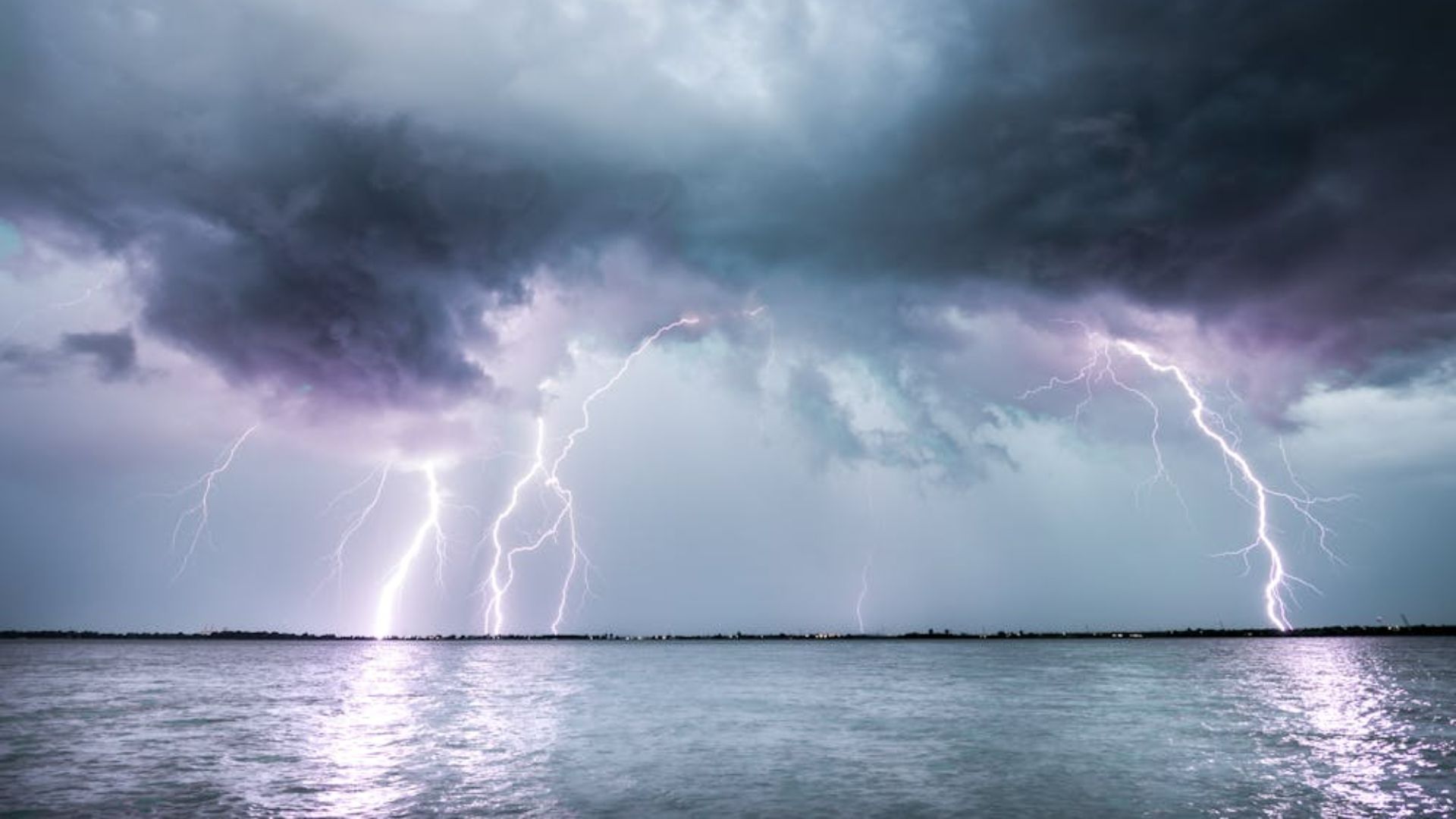
Richard Zare, a Stanford University chemistry professor, led research examining electrical activity on a dramatically smaller scale than lightning bolts. His team focused on charged water droplets measuring between 1 and 20 microns in diameter (the width of human hair is 100 microns for comparison). When oppositely charged droplets come close together, electrons jump between them, creating faint flashes researchers call microlightning, according to findings published in the journal Science Advances and reported by CNN.
Zare’s team mixed ammonia, carbon dioxide, methane, and nitrogen in a glass bulb, then sprayed the gases with water mist. High-speed cameras captured barely visible sparks flickering through the vapor. Analysis of the bulb’s contents revealed organic molecules with carbon-nitrogen bonds, including the amino acid glycine and uracil, a nucleotide base found in RNA. “We discovered no new chemistry,” Zare noted, but identified an overlooked mechanism.
Lightning has a key limitation: it strikes infrequently and without pattern. Even on the volatile early Earth, lightning may have been too rare to produce sufficient amino acids for life’s emergence. Water spray, however, would have been constant around pools and coastlines. “Lightning, or in this case, microlightning, has the energy to break molecular bonds and facilitate the generation of new molecules critical to the origin of life,” Dr. Amy J. Williams, a University of Florida geosciences professor, told CNN in an email.
Ancient Rocks and Water Held the Answer Together

The silica discovery has profound implications because Earth’s early oceans weren’t suspended in a vacuum. “The water is surrounded by minerals,” Saladino explained. “Borosilicate and silica are the most abundant minerals surrounding the water.” His team plans to update the experiment using amounts of silica that match early Earth conditions more accurately, testing whether the planet’s rocky environment played an even larger role than previously imagined.
Both research teams expanded understanding of life’s origins while acknowledging that competing theories remain. Some scientists propose that amino acids formed around hydrothermal vents on the seafloor, produced by seawater, hydrogen-rich fluids, and extreme pressure. Others suggest organic molecules formed in space and arrived via comets or asteroid fragments, a process called panspermia. “We still don’t know the answer,” Zare acknowledged, “but we’re closer to understanding.”
Saladino’s team also intends to replace the silica with extraterrestrial minerals like pieces of meteorites or rocks from other planets to explore how life might emerge elsewhere in the universe. After nearly 70 years, the Miller-Urey experiment continues to reveal overlooked details about our existence. As the Italian researchers wrote in their paper, “The role of the rocks was hidden in the walls of the reactors” the entire time.