Scientists Map New Moonquake Zones That Could Impact Future Lunar Landings
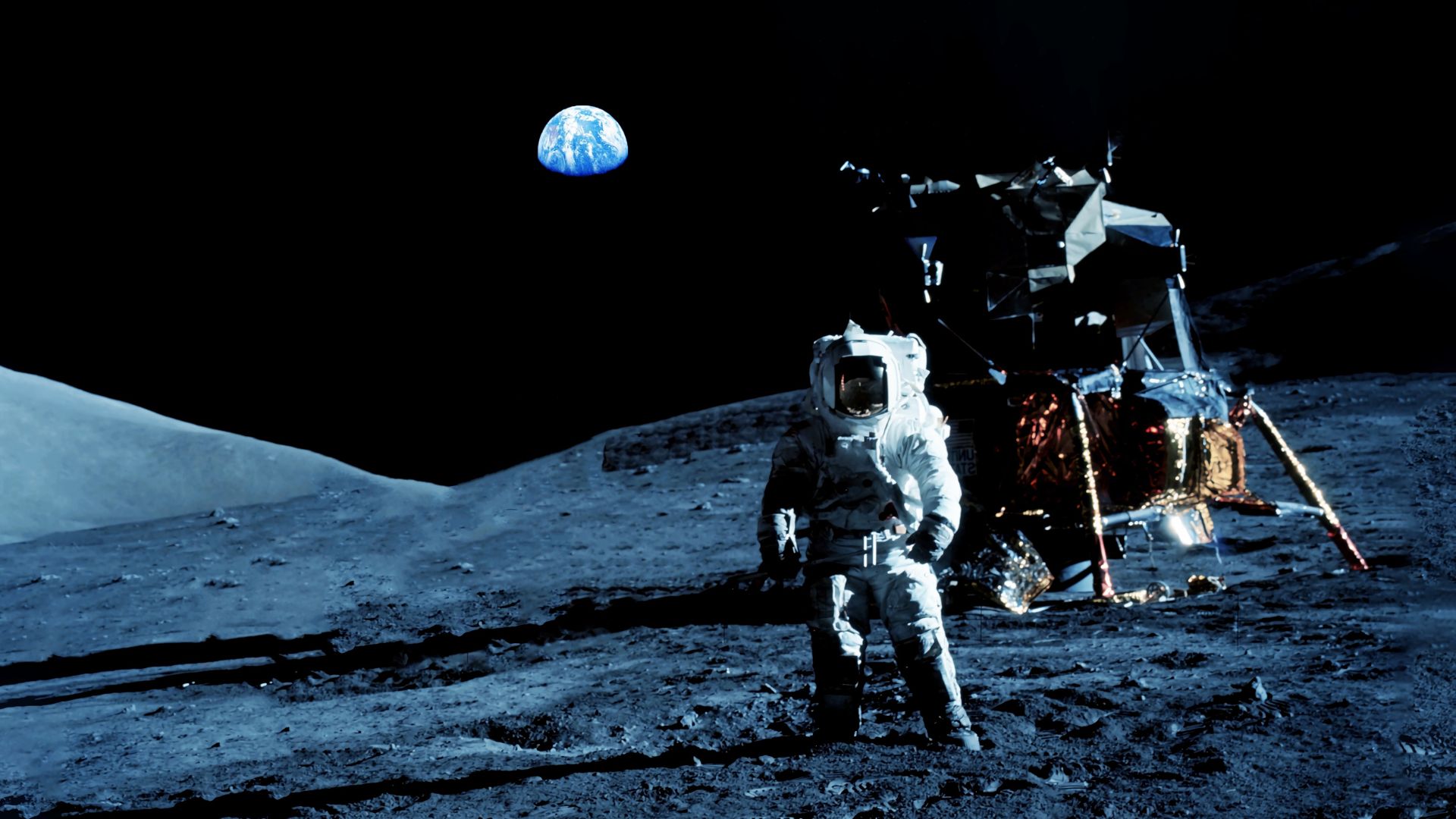

For decades, scientists tracked moonquakes tied to gravity and meteoroids, yet the surface itself held quieter clues that few had fully mapped. Now researchers have charted thousands of subtle ridges across the lunar plains, and that new picture suggests the ground future astronauts land on may not be as still as once thought.
First Ever Map of Lunar Mare Ridges
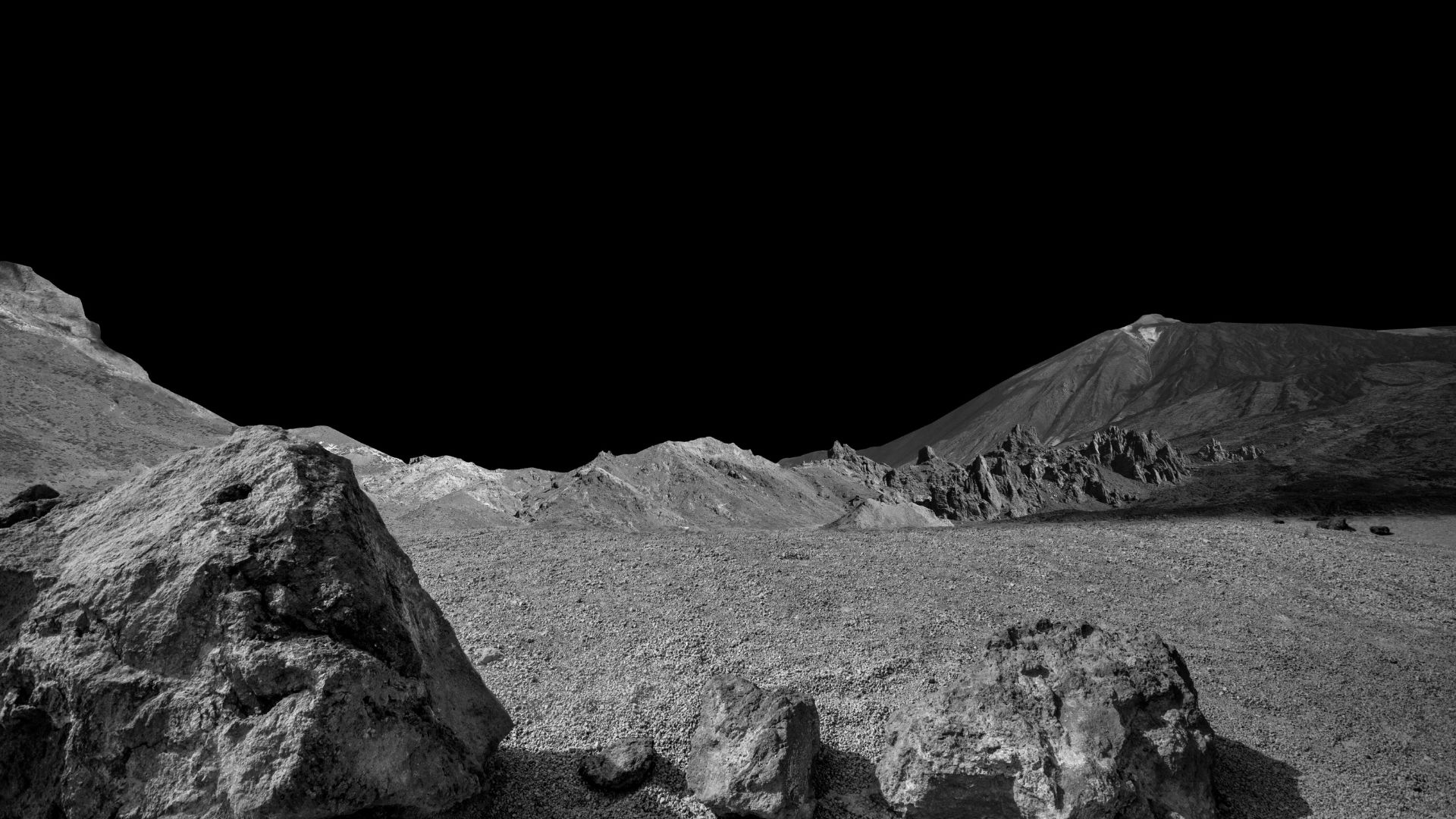
Scientists at the Smithsonian have produced the first detailed map of small mare ridges stretching across the moon’s dark plains, and as that map came together, it revealed widespread tectonic features that formed relatively recently, pointing to active stresses within the lunar crust that had not been fully documented before.
More Than 1,100 Newly Identified Ridges
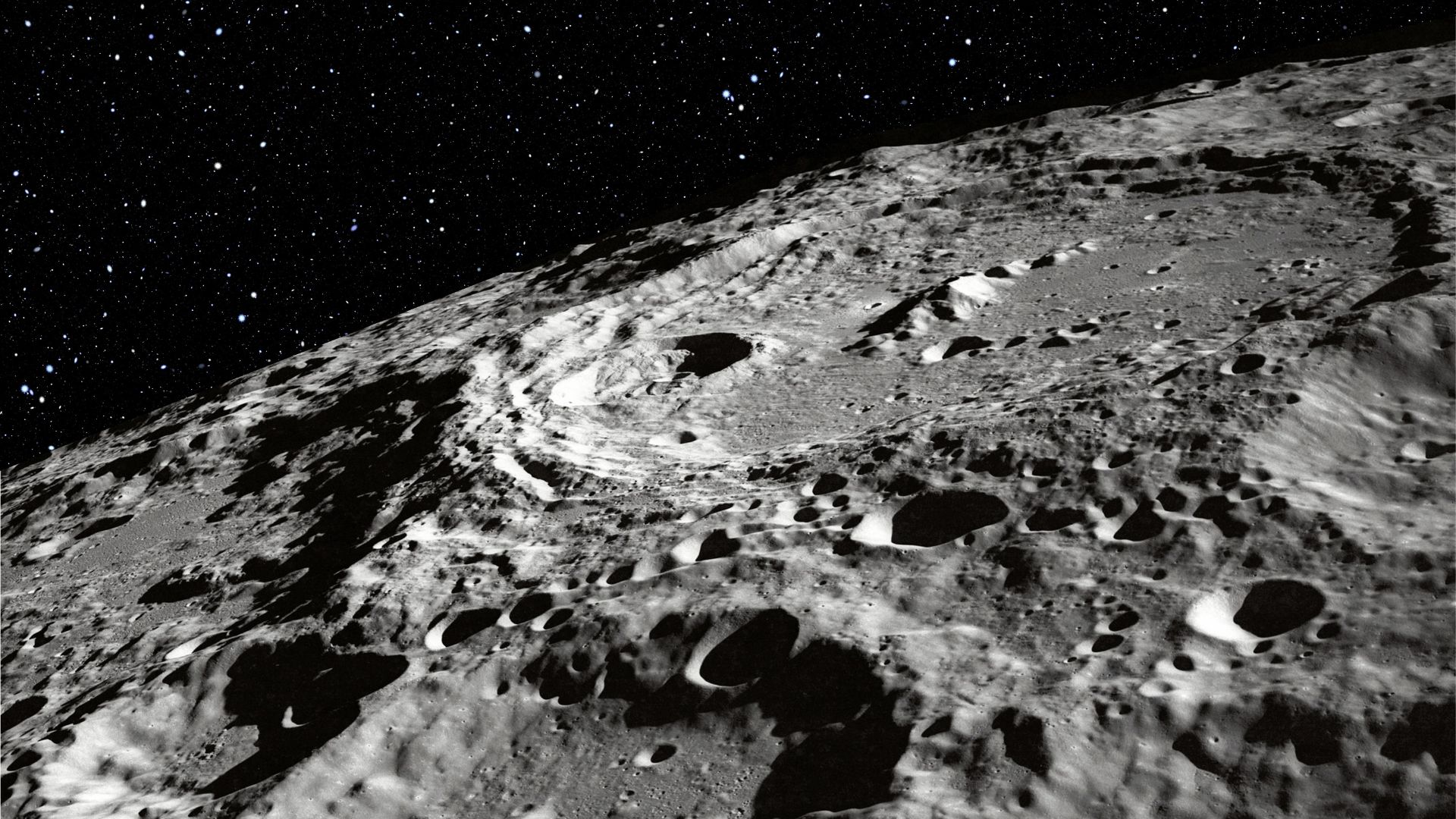
Researchers identified more than 1,100 additional ridges across the nearside lunar maria, and as that count pushed the total beyond 2,600 features, the scale of previously unrecognized tectonic deformation across the plains became far clearer in the updated survey.
Average Ridge Age Estimated at 124 Million Years

Researchers calculated that the average mare ridge formed about 124 million years ago, and when placed against the moon’s more than four billion-year history, that relatively recent age points to ongoing tectonic activity that continued far later than many earlier models suggested.
Links Between Mare Ridges and Lobate Scarps
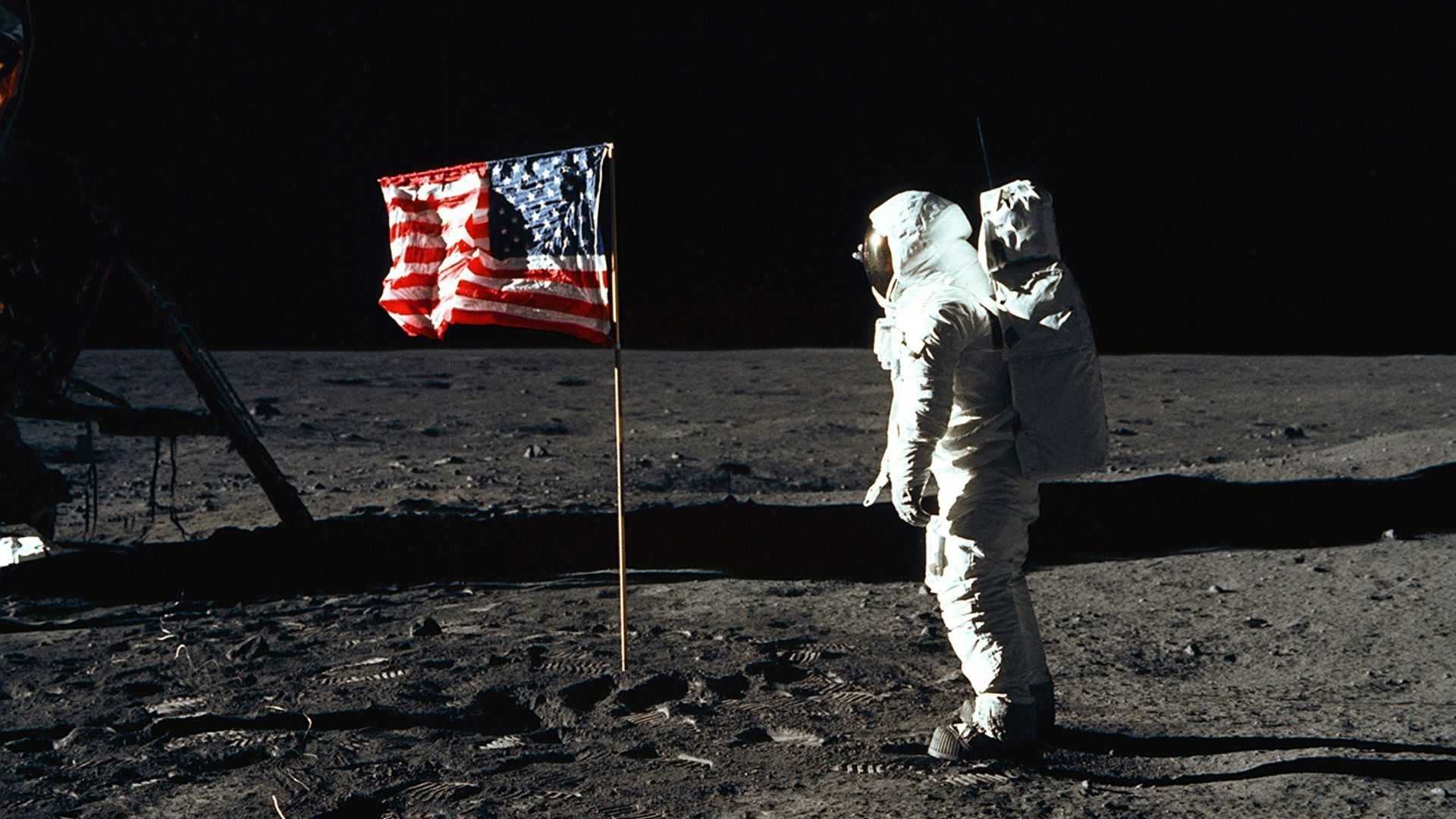
Scientists observed that many mare ridges share structural traits with lobate thrust fault scarps, and as those similarities became clearer, they pointed to the same internal crustal stresses shaping both features, linking plains deformation to processes long documented in the lunar highlands.
Expanded Sources of Moonquakes Beyond Tidal Forces
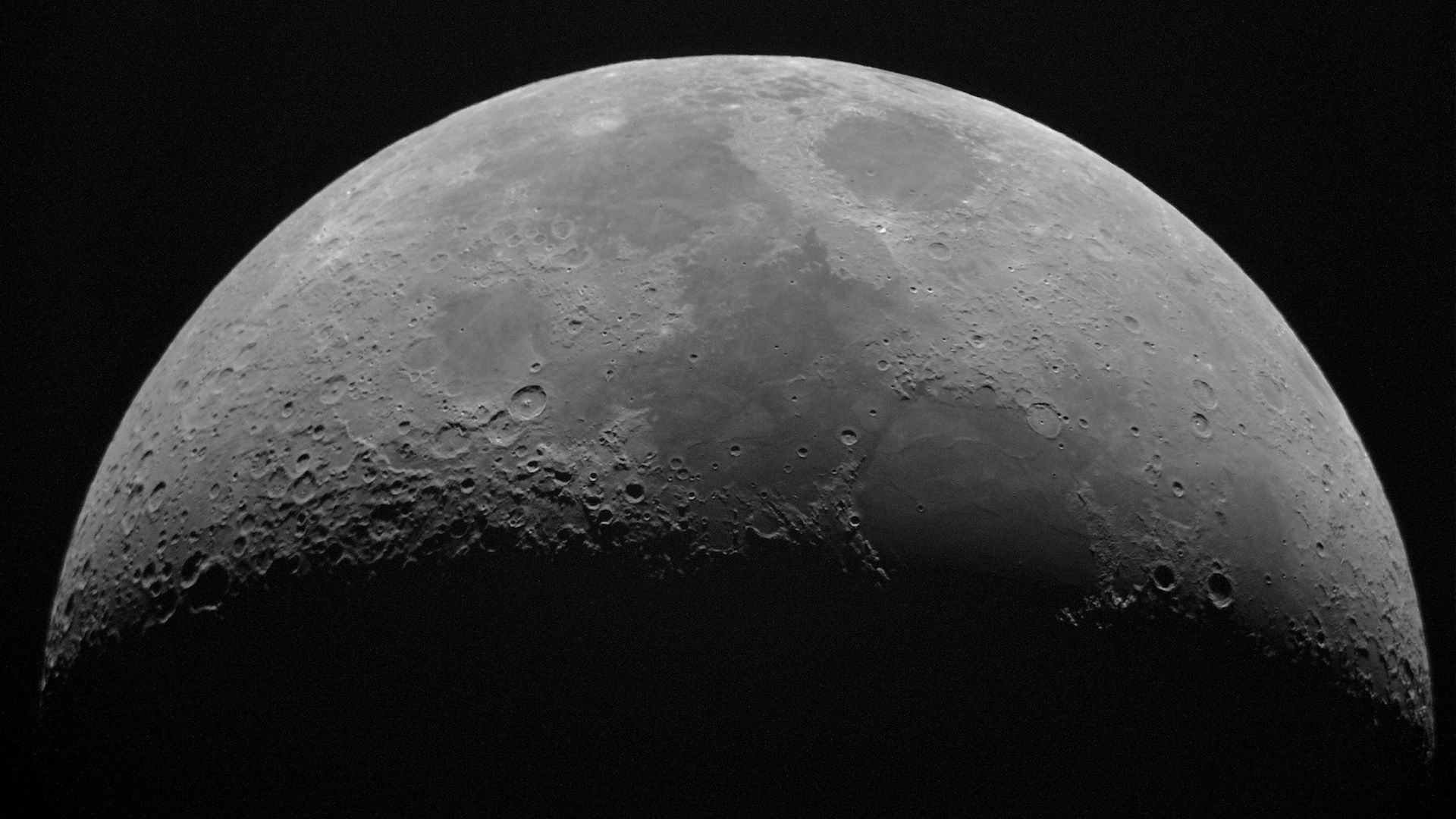
Scientists have long linked moonquakes to Earth’s gravitational pull, meteoroid impacts, and internal cooling, yet the newly mapped ridges now point toward additional tectonic stress zones across the lunar plains, expanding the range of areas where seismic activity may originate.
Seismic Risks Across Lunar Plains
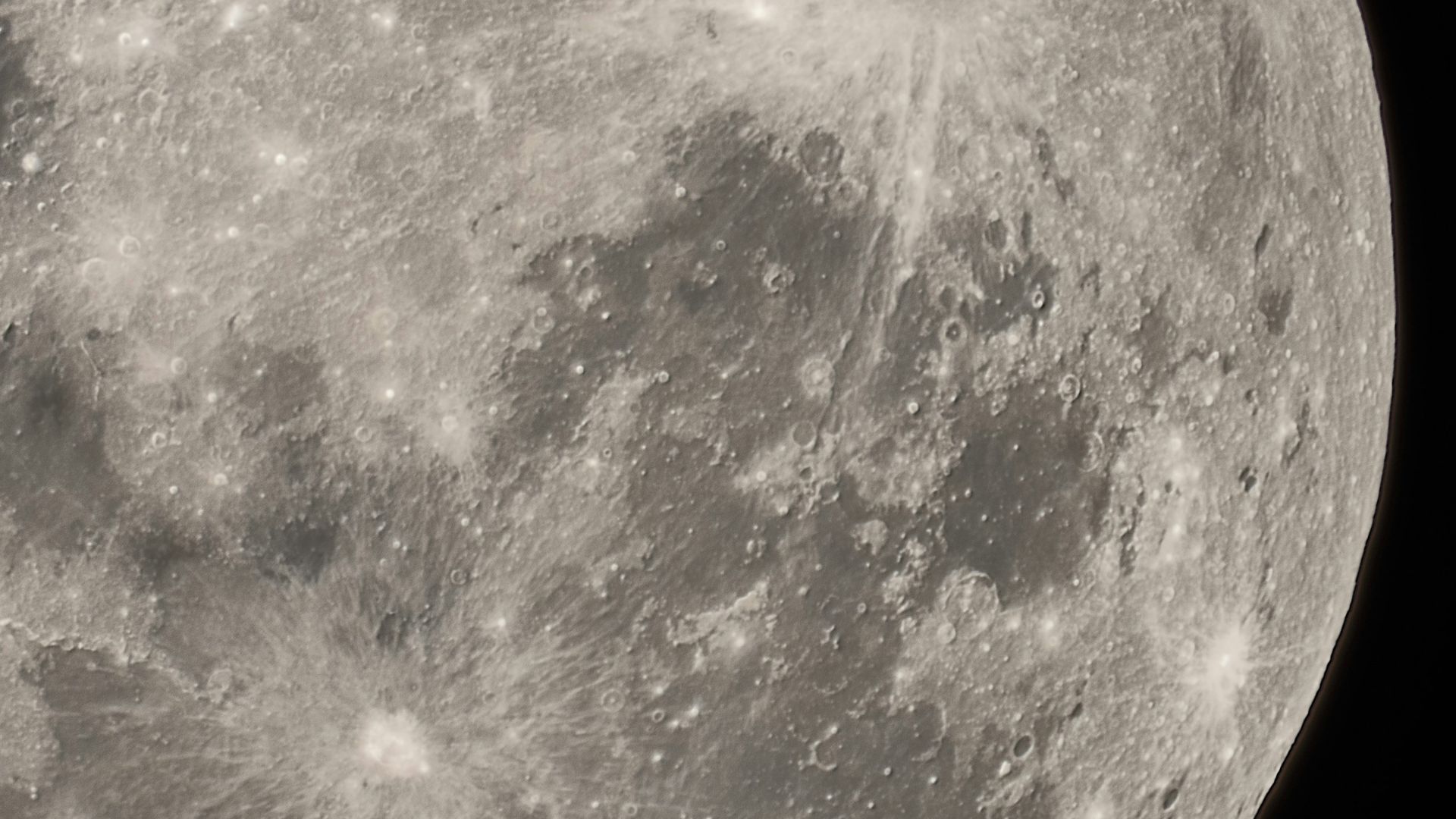
Moonquakes tied to lobate scarps may occur across the maria where these ridges spread, and as those plains overlap with areas considered for landings, the updated seismic picture suggests broader zones of ground movement that mission planners must now factor into site evaluations.
Implications for NASA’s Artemis Landing Sites

NASA plans to return astronauts to the lunar surface no sooner than 2027 under the Artemis program, and as mission planners evaluate potential landing zones, the newly mapped tectonic features now feed directly into site assessments that consider ground stability and long-term base development.
Ongoing Lunar Contraction From Long-Term Heat Loss
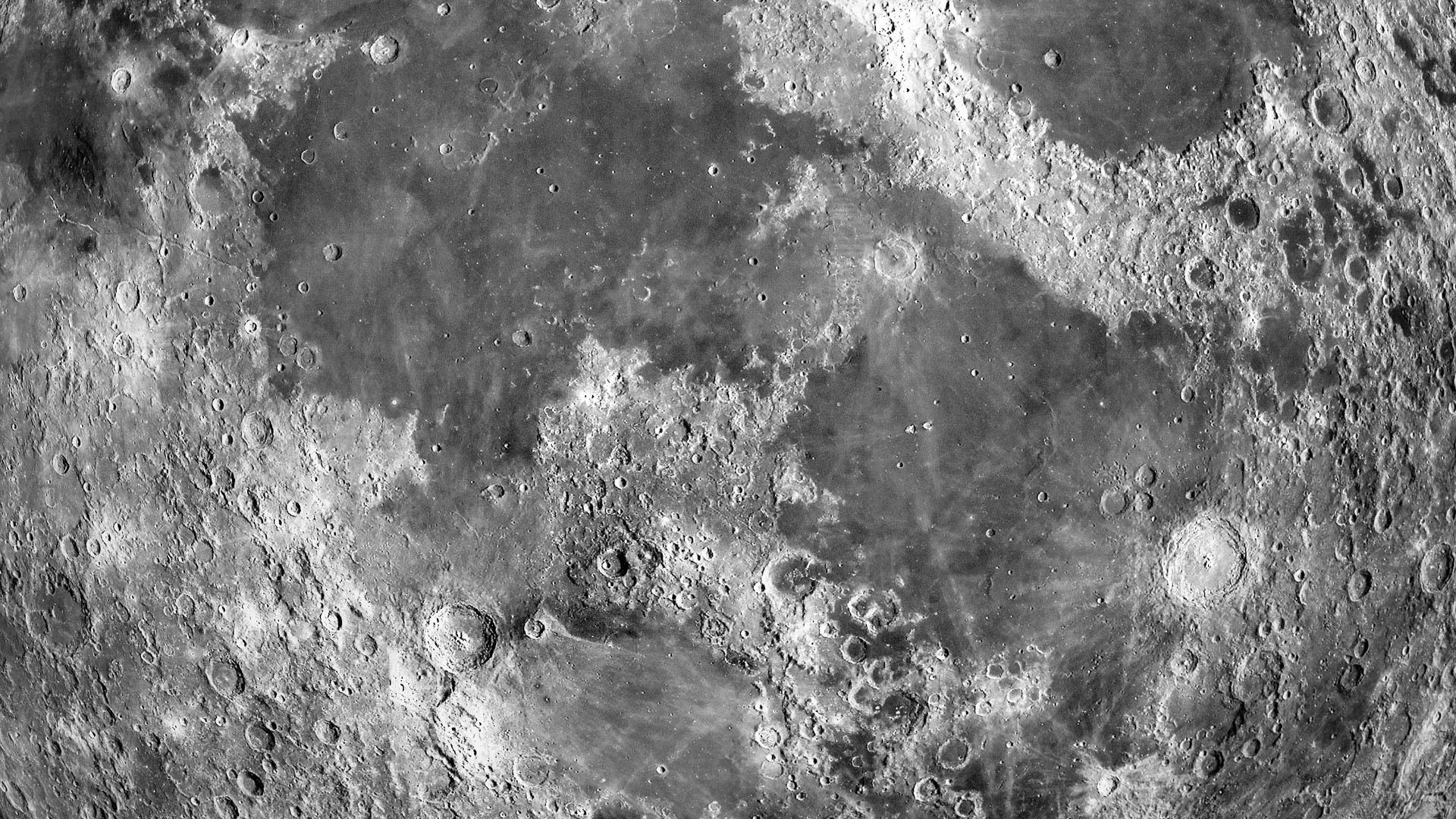
Scientists link many of these surface features to the moon’s gradual cooling, and as internal heat escaped over billions of years, the crust contracted and compressed, which in turn wrinkled the surface and sustained tectonic stresses that continue to generate measurable quakes today.
A Moon Still Moving Beneath Future Landing Zones
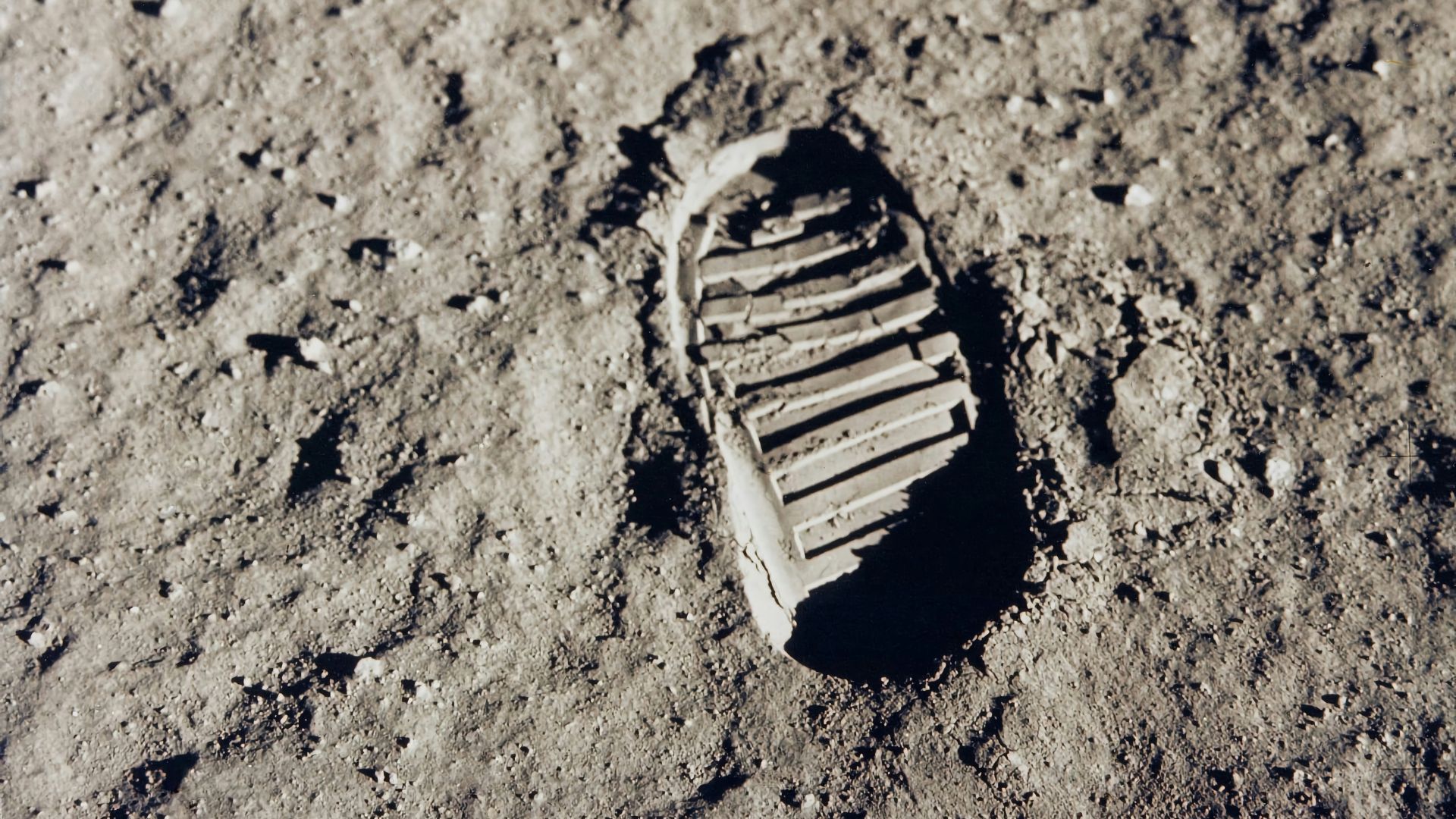
The updated map shows the lunar surface still responds to internal cooling and crustal stress, so areas once treated as geologically quiet now appear tied to active fault systems, which means future missions will approach landing site selection with a far more detailed seismic picture in mind.