Scientists Just Developed Ultra-Strong Steel That Resists Rust Completely
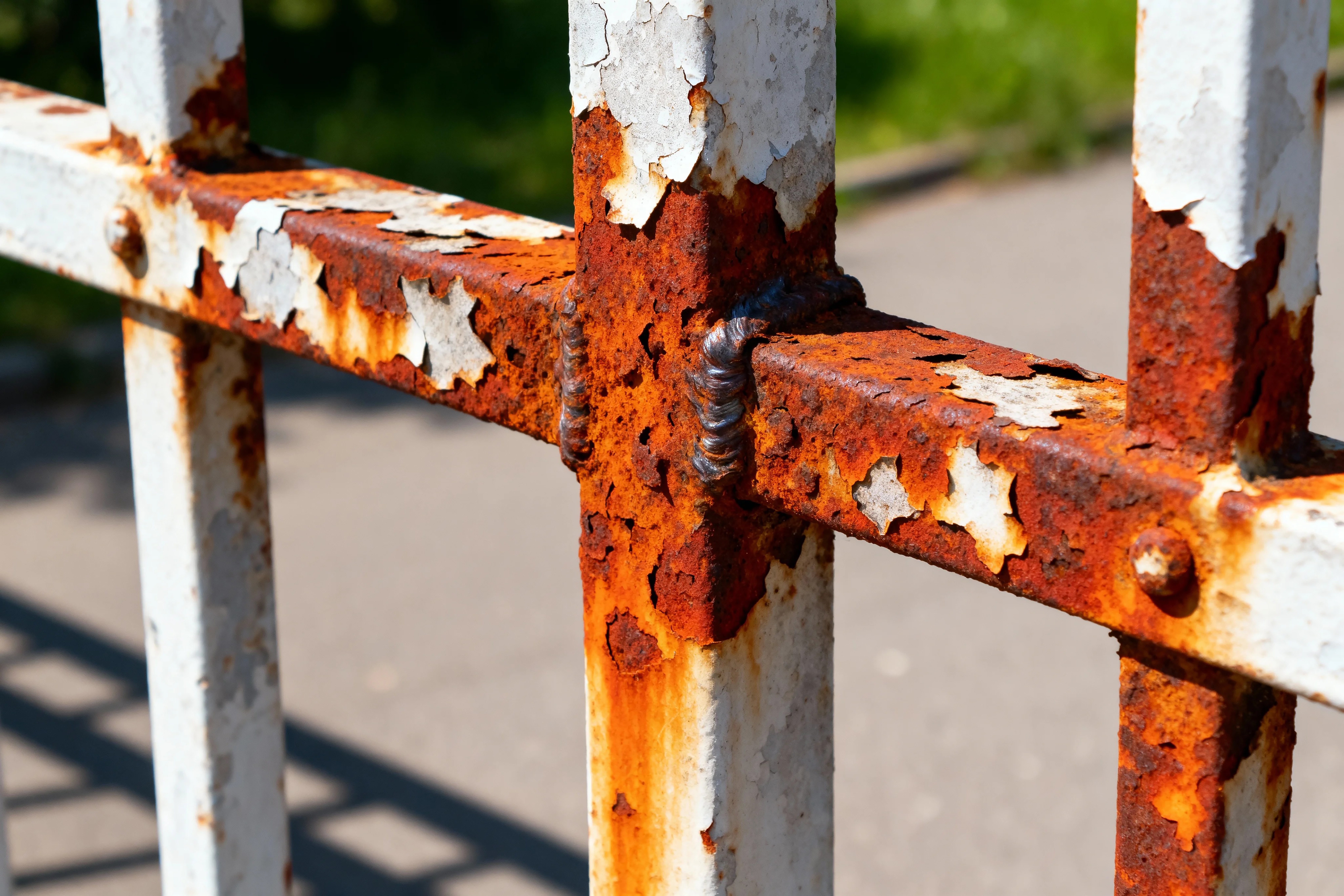

What if steel could be stronger, cheaper, easier to manufacture, and virtually immune to rust? That question has challenged engineers for generations. As one of the world’s most widely used materials, steel is essential to modern infrastructure and industry, but improving its performance has often required difficult tradeoffs between strength, flexibility, durability, and cost. A newly developed AI-designed alloy may offer a way to break that pattern.
A research team from the University of South China and Purdue University believes it has found a way around that problem. Using an advanced machine-learning approach, the scientists developed a new steel alloy specifically designed for 3D printing that combines ultra-high strength, impressive ductility, and exceptional resistance to corrosion.
The breakthrough highlights a growing shift in materials science. Rather than relying on years of trial-and-error experimentation, researchers are increasingly using artificial intelligence to identify promising material combinations, dramatically accelerating the pace of discovery and opening new possibilities for manufacturing.
How Artificial Intelligence Designed the Alloy
Traditional development of advanced steel alloys often requires extensive testing of countless chemical combinations. The researchers instead employed what they describe as an “interpretable machine learning” system, feeding it 81 physicochemical properties of various elements, including atomic structure, electron behavior, and other fundamental characteristics.
Rather than acting as a black box, the model analyzed how these properties influence the performance of steel produced through additive manufacturing. The goal was to identify an alloy that could deliver strength, toughness, and corrosion resistance without relying heavily on expensive ingredients such as cobalt or molybdenum.
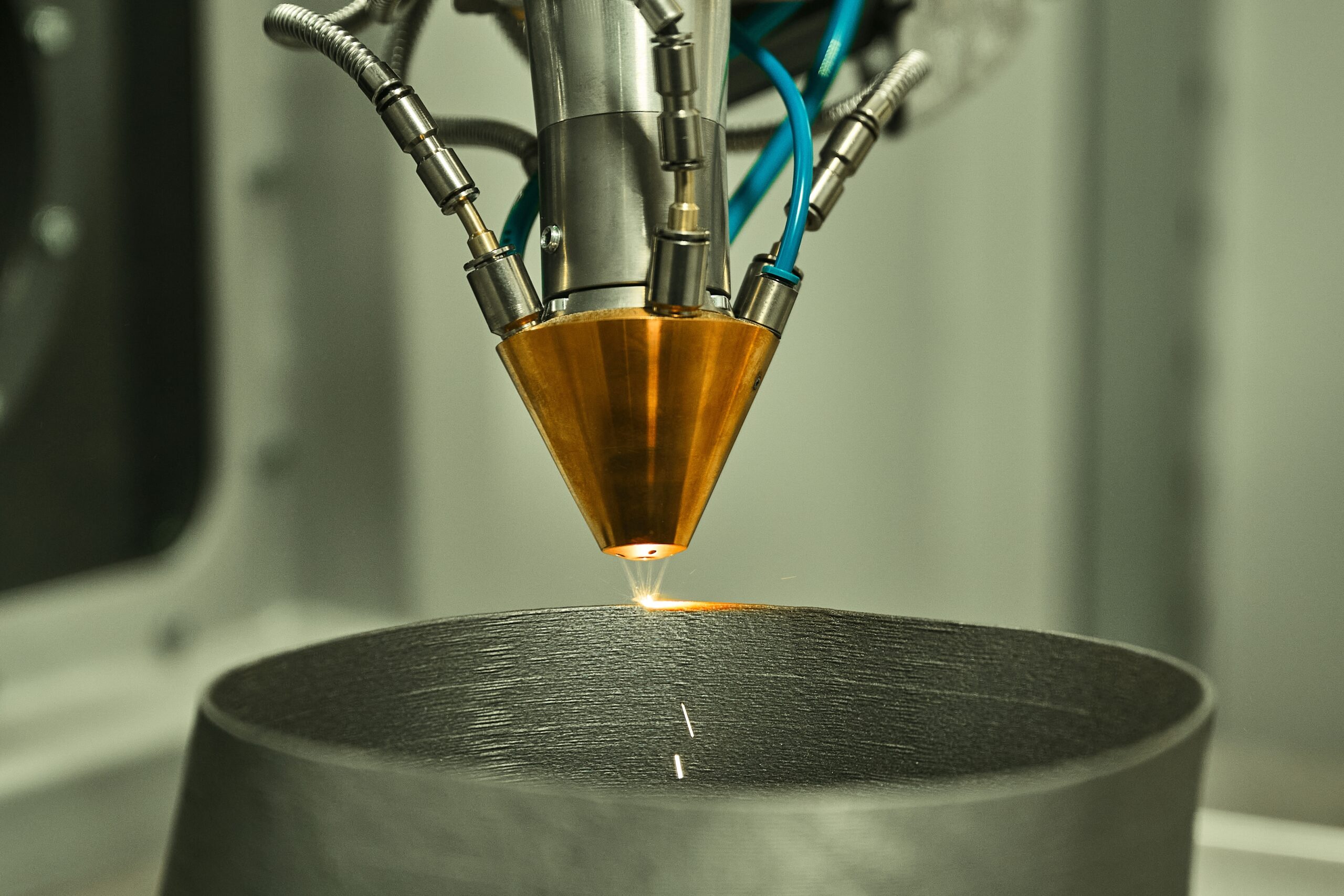
The resulting formula used a blend of iron and chromium combined with carefully measured amounts of nickel, manganese, copper, silicon, aluminum, and carbon. After being produced using laser-directed energy deposition, a common industrial metal-printing technique, the material required only a single six-hour heat-treatment process to achieve its final properties—a significant simplification compared with many existing high-performance steels.
Strength Without Sacrificing Flexibility
One of the most notable achievements of the new alloy is its unusual combination of strength and ductility. Materials scientists often struggle to improve one of these qualities without reducing the other, since stronger materials tend to become more brittle.
Testing showed the steel could withstand stresses of approximately 1,713 megapascals while stretching more than 15 percent before failure. Compared with its raw printed state, the alloy demonstrated roughly a 30 percent increase in strength and a doubling of ductility after heat treatment.
Researchers traced this performance to the steel’s internal microstructure. During tempering, tiny nanoscale particles containing copper and nickel-aluminum formed throughout the material. These particles act as microscopic barriers that prevent defects from spreading when stress is applied. At the same time, small regions of a softer phase known as austenite absorb energy and help prevent cracking, allowing the metal to remain flexible even under extreme loads.
Why Rust Resistance Could Be a Game Changer
Beyond its mechanical performance, the alloy addresses another major challenge for high-strength steels: corrosion. Many advanced steels develop microscopic chromium-depleted regions during manufacturing, creating weak points where rust can begin to form. The researchers found that nanoscale copper particles within the new alloy help keep chromium distributed more evenly throughout the steel. This prevents the formation of vulnerable corrosion zones and significantly improves resistance to environmental damage.
In saltwater corrosion testing, the alloy degraded at a rate of only 0.105 millimeters per year, outperforming commercial stainless steels such as AISI 420. That combination of strength, flexibility, and durability could make the material particularly attractive for demanding industries, including aerospace, marine engineering, energy infrastructure, and advanced manufacturing.
While further refinement will be needed before widespread adoption, the study demonstrates how artificial intelligence can help create entirely new classes of materials tailored for modern production methods. As additive manufacturing continues to expand, AI-designed alloys like this one may become a blueprint for the next generation of industrial materials.