Scientists Have a Plan for the Day We Discover Alien Life. Here’s What’s In It
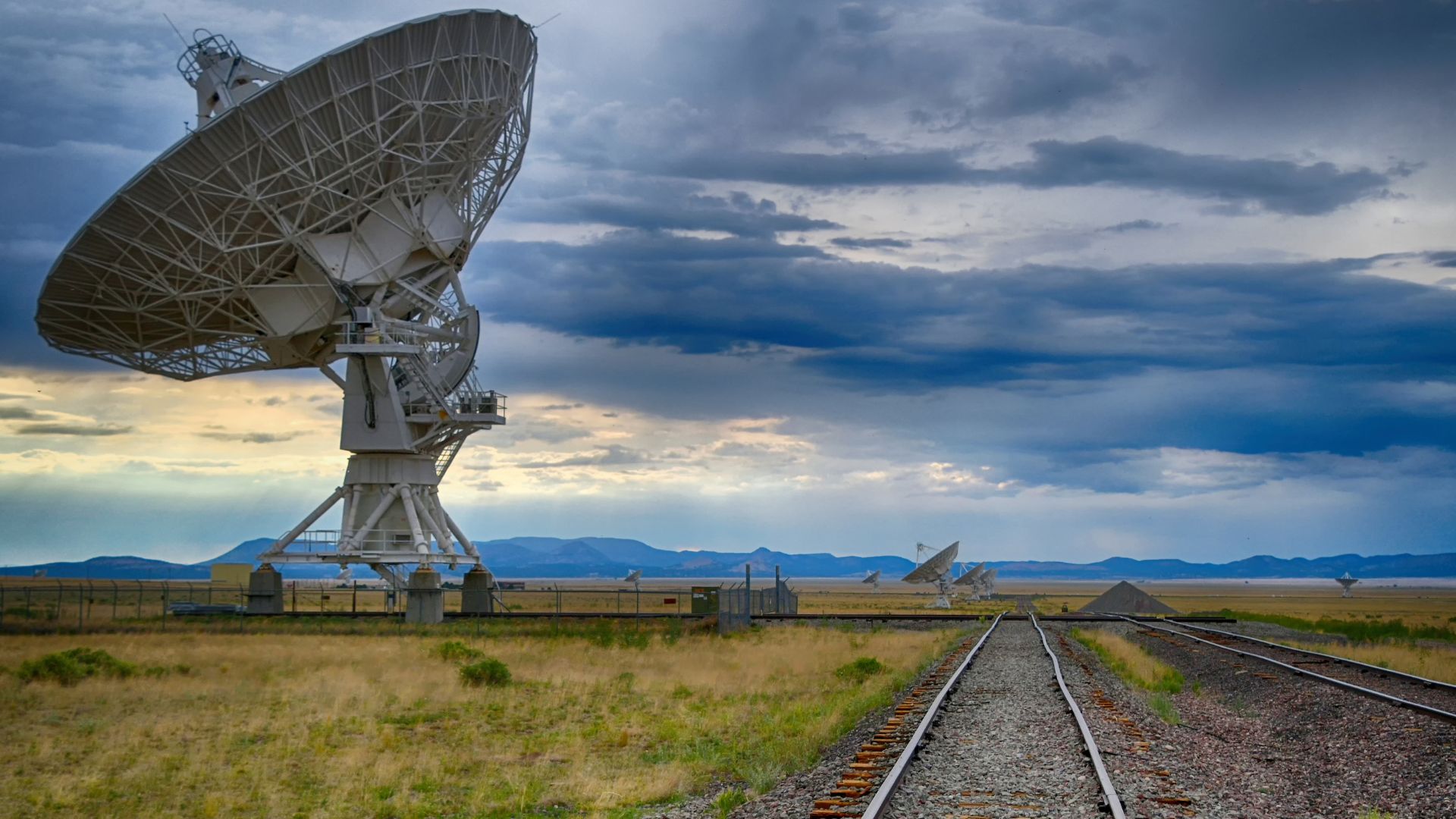

The possibility of discovering intelligent life beyond Earth has fascinated scientists, governments, and the public for generations. While the idea often appears in films and science fiction, researchers involved in the Search for Extraterrestrial Intelligence, commonly known as SETI, have spent decades considering what would happen if convincing evidence finally emerged. Such a discovery would instantly become one of the most significant events in human history.
Because of the extraordinary implications, experts have worked to establish guidelines that could help the scientific community respond responsibly. The goal is not only to confirm the authenticity of any signal but also to reduce confusion, misinformation, and unnecessary panic during a moment of global importance.
To address these concerns, the International Academy of Astronautics developed a set of post-detection protocols. These recommendations encourage transparency, careful verification, secure data storage, and international cooperation before any major public announcement is made.
Why Scientists Believe Preparation Matters
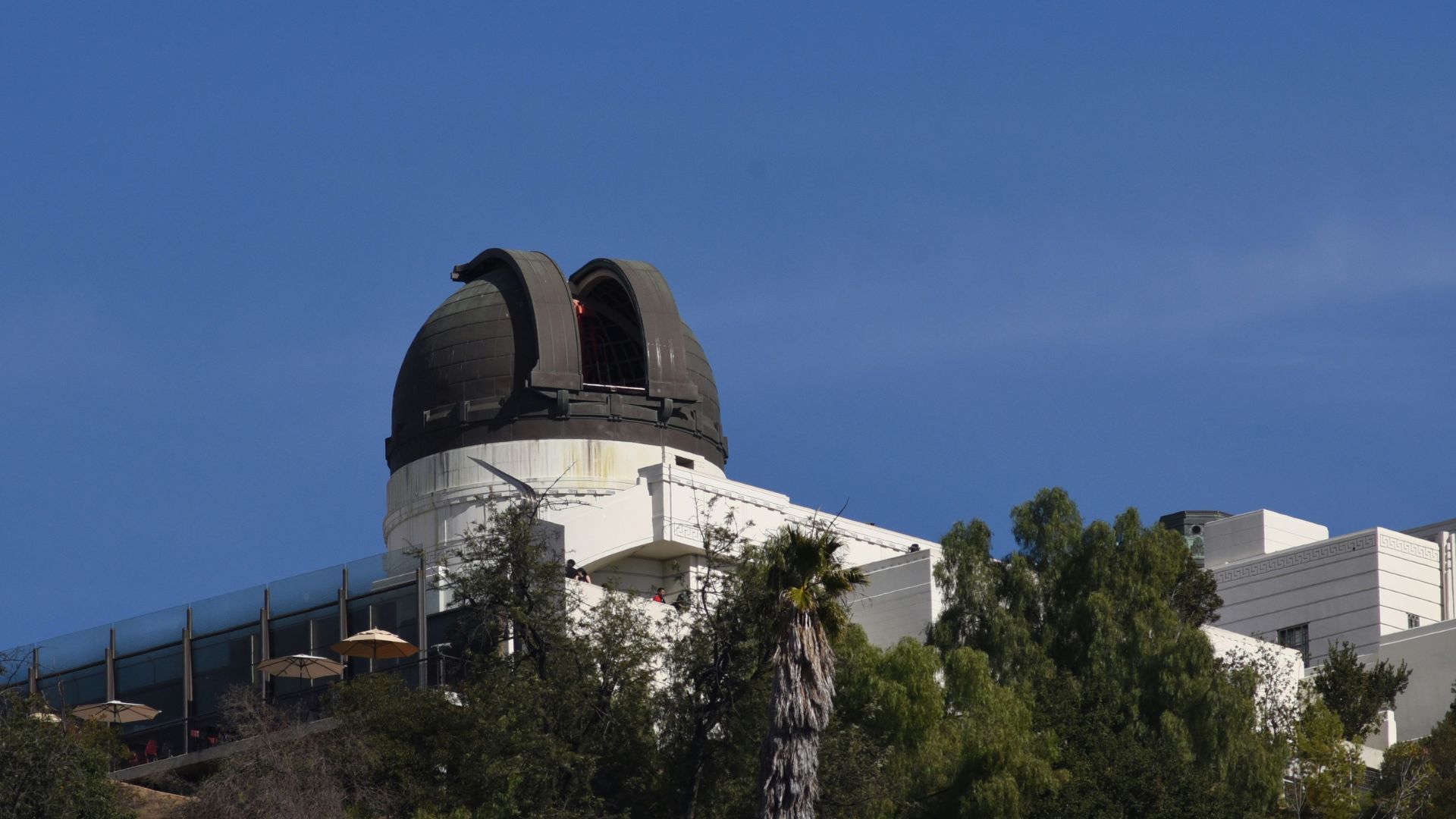
Researchers argue that a potential extraterrestrial signal differs from most scientific discoveries because its impact would extend far beyond laboratories and academic circles. Questions about humanity’s place in the universe would immediately become topics of public debate, attracting attention from governments, media organizations, and people around the world.
One challenge is that the individual or team making the discovery may not have experience dealing with such unprecedented circumstances. In some cases, the first instinct could be to publish findings quickly through scientific journals, potentially creating intense public interest before broader verification efforts are completed.
The updated protocols aim to provide a practical framework for handling these situations. By encouraging careful evaluation and coordinated communication, scientists hope to reduce misunderstandings and ensure that any announcement is supported by strong evidence.
The Complicated Questions Hidden Inside an Alien Signal

Not every extraterrestrial signal would present the same challenges. A simple indication of intelligent activity somewhere in the cosmos would already be remarkable. However, the situation becomes far more complex if the signal contains information that can be interpreted, translated, or potentially applied in meaningful ways.
In such a scenario, scientific curiosity could quickly intersect with political and strategic interests. Governments might become involved, especially if the information appeared valuable or capable of providing technological advantages. Decisions about who has access to the data and how it should be shared could become subjects of international debate.
For this reason, the protocols emphasize the broader interests of humanity rather than the priorities of any single nation. Many researchers believe that a discovery of this magnitude should be approached as a global event, with openness and collaboration guiding the response whenever possible.
A New Era of Detection and New Challenges Ahead
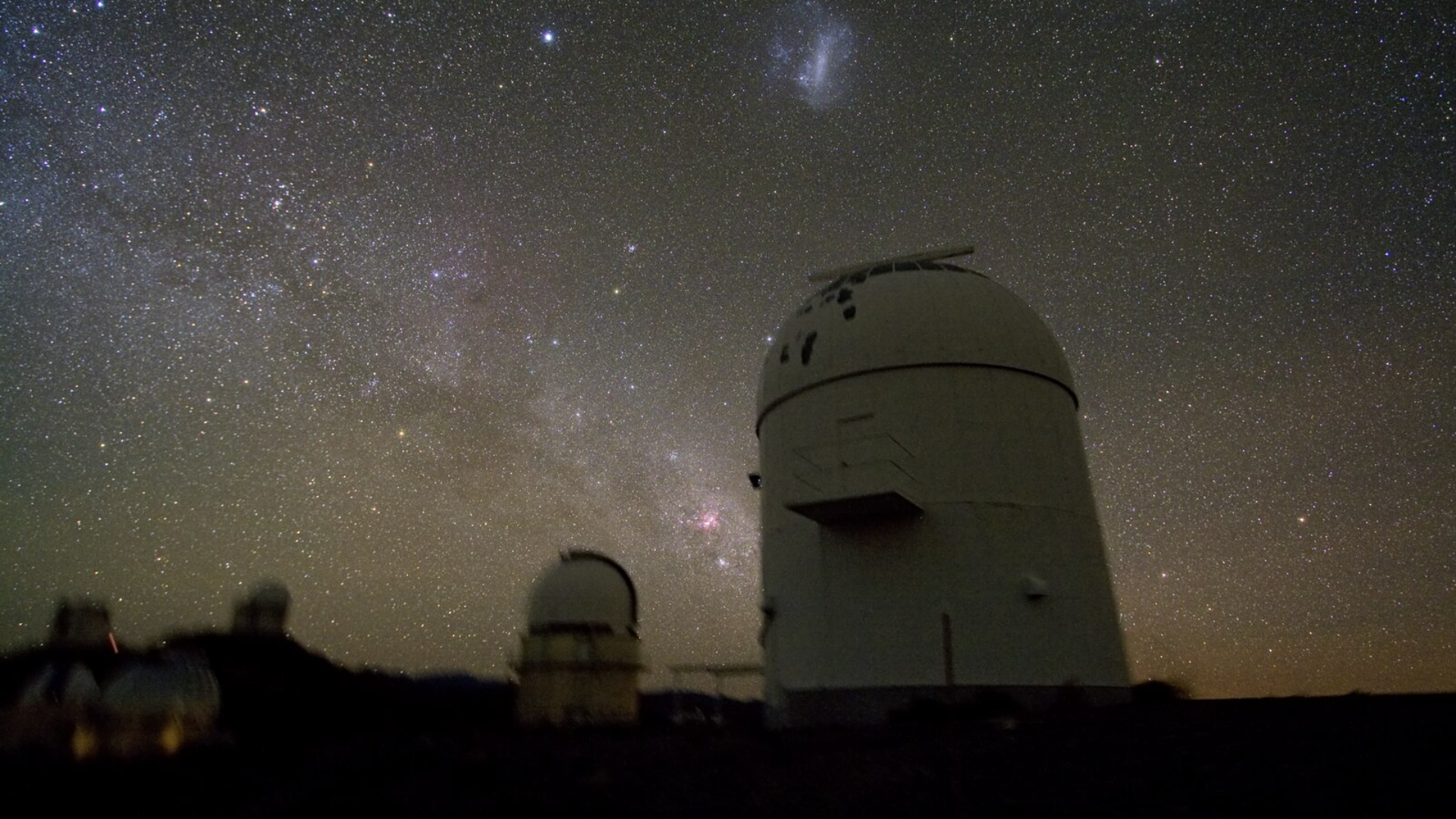
The latest revision of the protocols reflects dramatic changes in both science and society. Modern telescopes collect enormous amounts of data, while advances in artificial intelligence have created powerful new tools for identifying unusual patterns that might otherwise go unnoticed. These developments have significantly expanded the ability to search for potential signs of extraterrestrial intelligence.
At the same time, the information landscape has become increasingly complicated. Social media, misinformation campaigns, fabricated content, and rapidly spreading rumors could make it difficult for the public to distinguish verified discoveries from false claims. Scientists recognize that managing communication may be almost as important as analyzing the signal itself.
As SETI continues to grow into a truly international scientific effort, researchers believe preparation is essential. Whether the first confirmed evidence arrives tomorrow or decades from now, the updated protocols are designed to help humanity navigate one of the most profound discoveries it may ever encounter, with caution, transparency, and a shared sense of responsibility.