Scientists Found a Mystery ‘Warming Hole’ Across the US Where Temperatures Aren’t Rising Like They Should
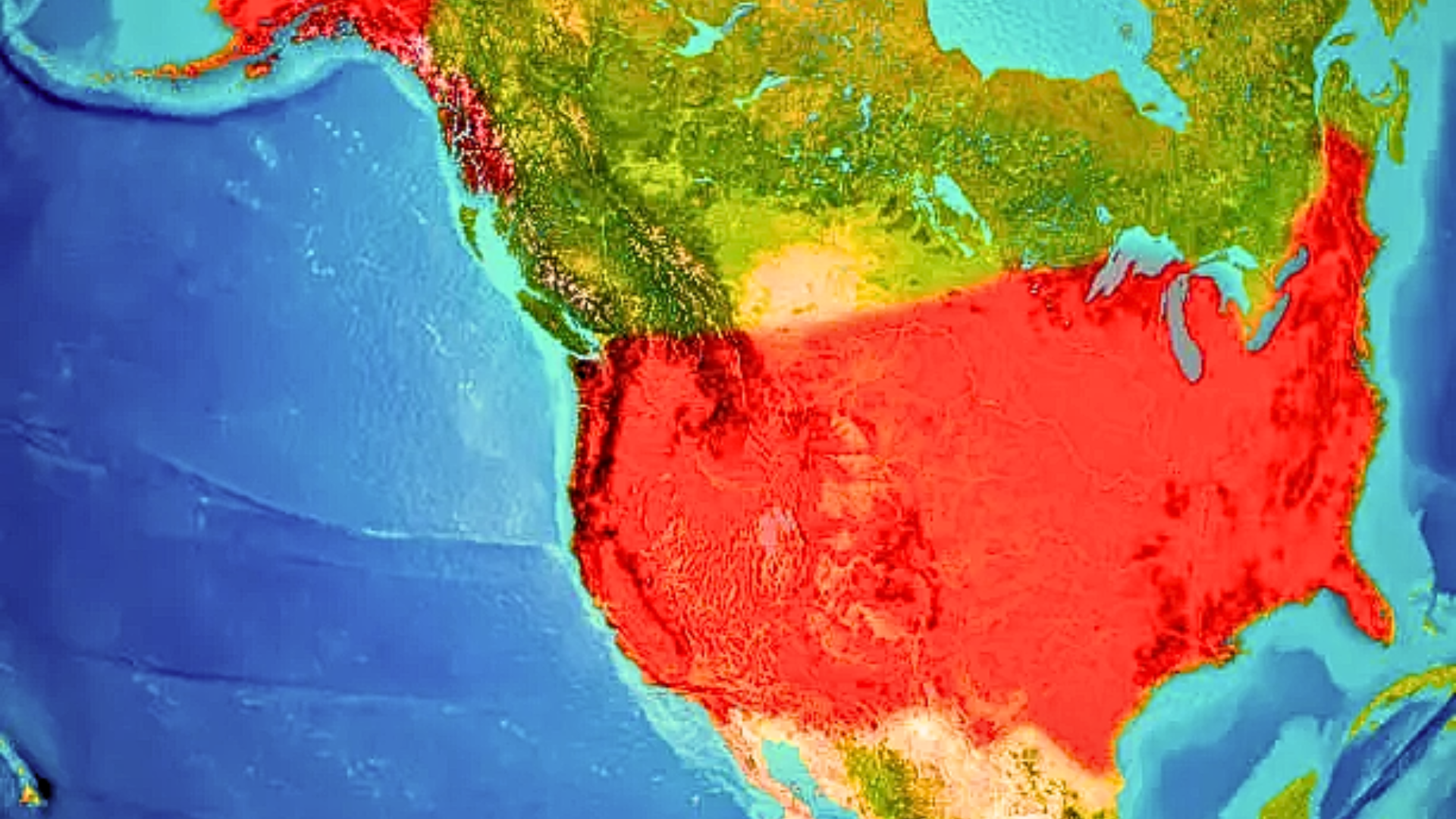

Parts of the United States are not warming the way scientists expect, and a new study reveals why that gap between what the data shows and what people feel outside their windows is more complicated than anyone realized. Published in PLOS Climate, the research found that climate change across the US isn’t a uniform rise in heat. It’s a patchwork, and one mysterious region seems to be resisting warming almost entirely.
Why Averages Can Mislead
Most climate studies lean on average temperatures as the main yardstick. But averages hide a lot. They smooth over the coldest nights and the most punishing afternoons, blurring the real texture of change. This study took a different approach, tracking daily temperatures across their full range from 1950 to 2021. That shift in methodology, from averages to extremes, turned out to change the picture dramatically.
The Number That Jumped

When researchers looked at average temperatures alone, only about 55% of US states showed clear, statistically significant warming. That’s barely half the country. But when the team examined the full spectrum of daily temperatures, from the coldest winter mornings to the hottest summer peaks, that figure leaped to 84%. In other words, nearly a third of warming was hiding in plain sight, tucked inside the extremes that averages routinely wash out.
Atlanta: Warm Nights Tell the Real Story
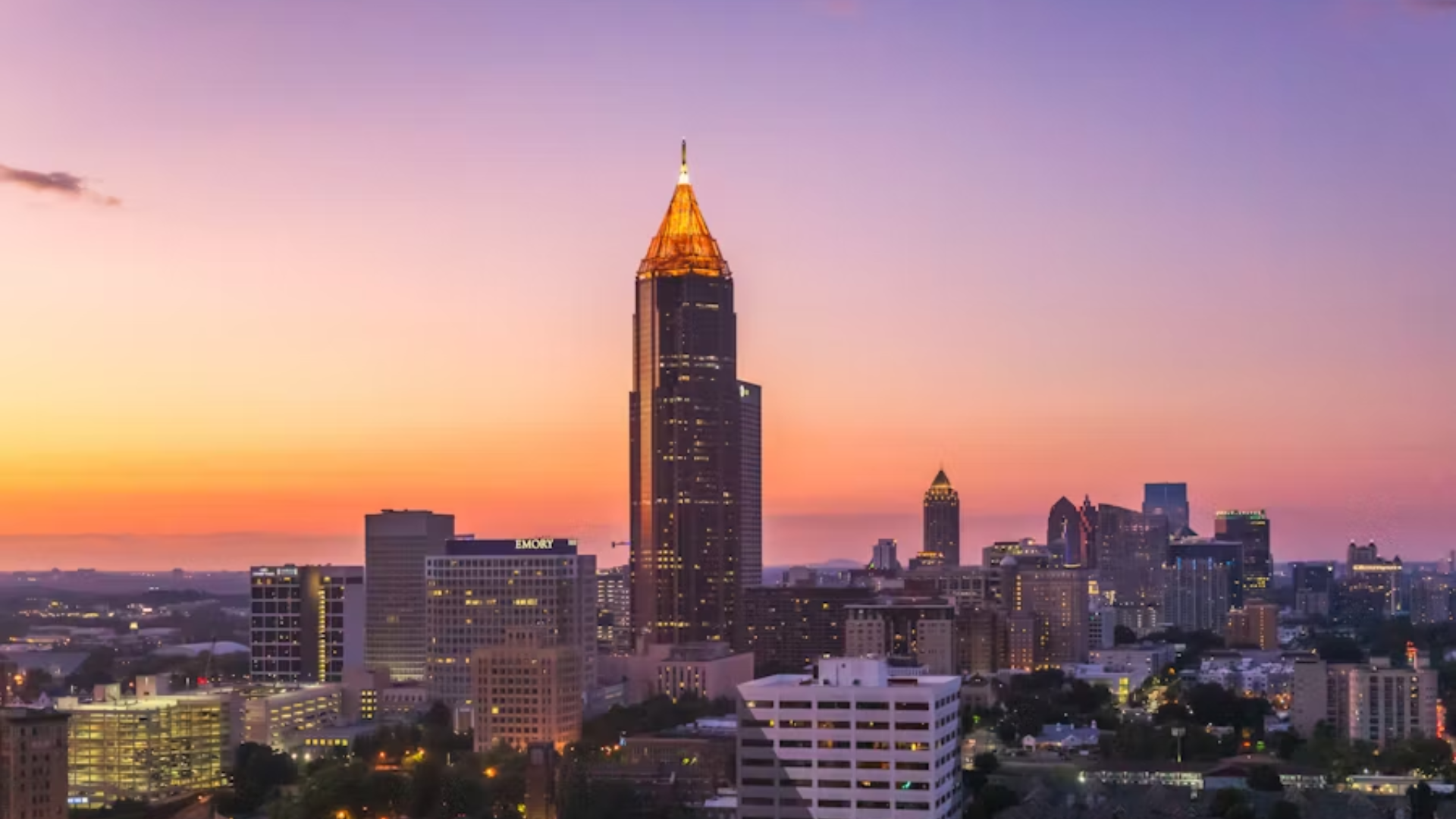
Atlanta sits at the edge of the study’s most puzzling zone, yet its full temperature record tells a striking story. Average temperatures there haven’t surged dramatically, placing the city within a so-called “warming hole.” But dig into the extremes: data from Climate Central shows Atlanta now experiences 20 to 40 more warm summer nights than it did in the 1970s. Overnight temperatures are creeping up even as daytime averages appear deceptively stable. But if Atlanta is a slow burn, Boise is a dramatic one.
Boise’s Heat Is Off the Charts
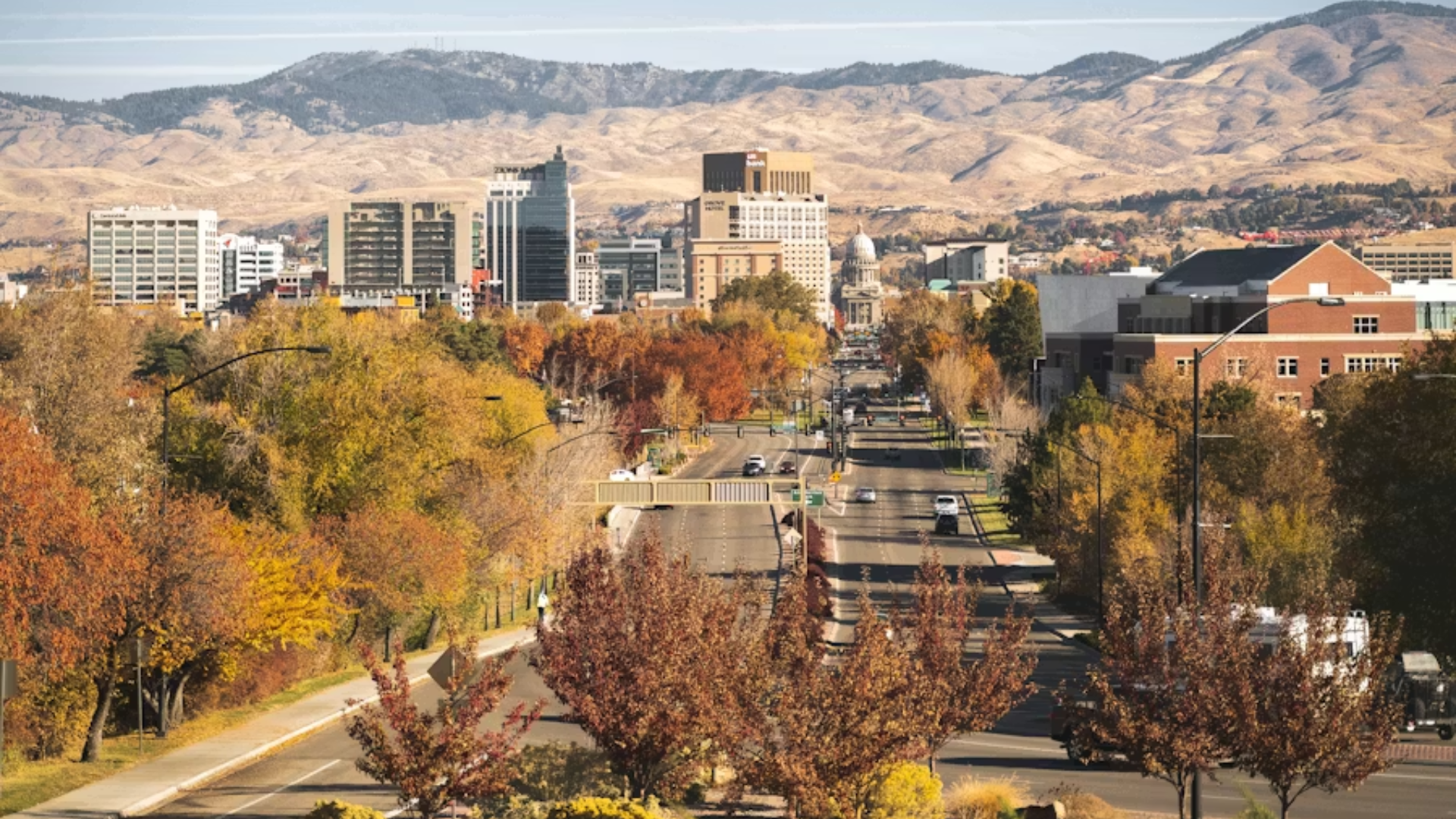
Average temperature trends for Idaho’s capital suggest gradual, modest warming. But look at the extremes and the picture becomes alarming. Boise now records up to 40 more warm summer nights compared to the 1970s. More striking still, the city has gained an extraordinary 22 additional days per year where temperatures exceed 95 degrees Fahrenheit. Averages, once again, barely hinted at any of this.
Different Regions, Different Flavors of Warming
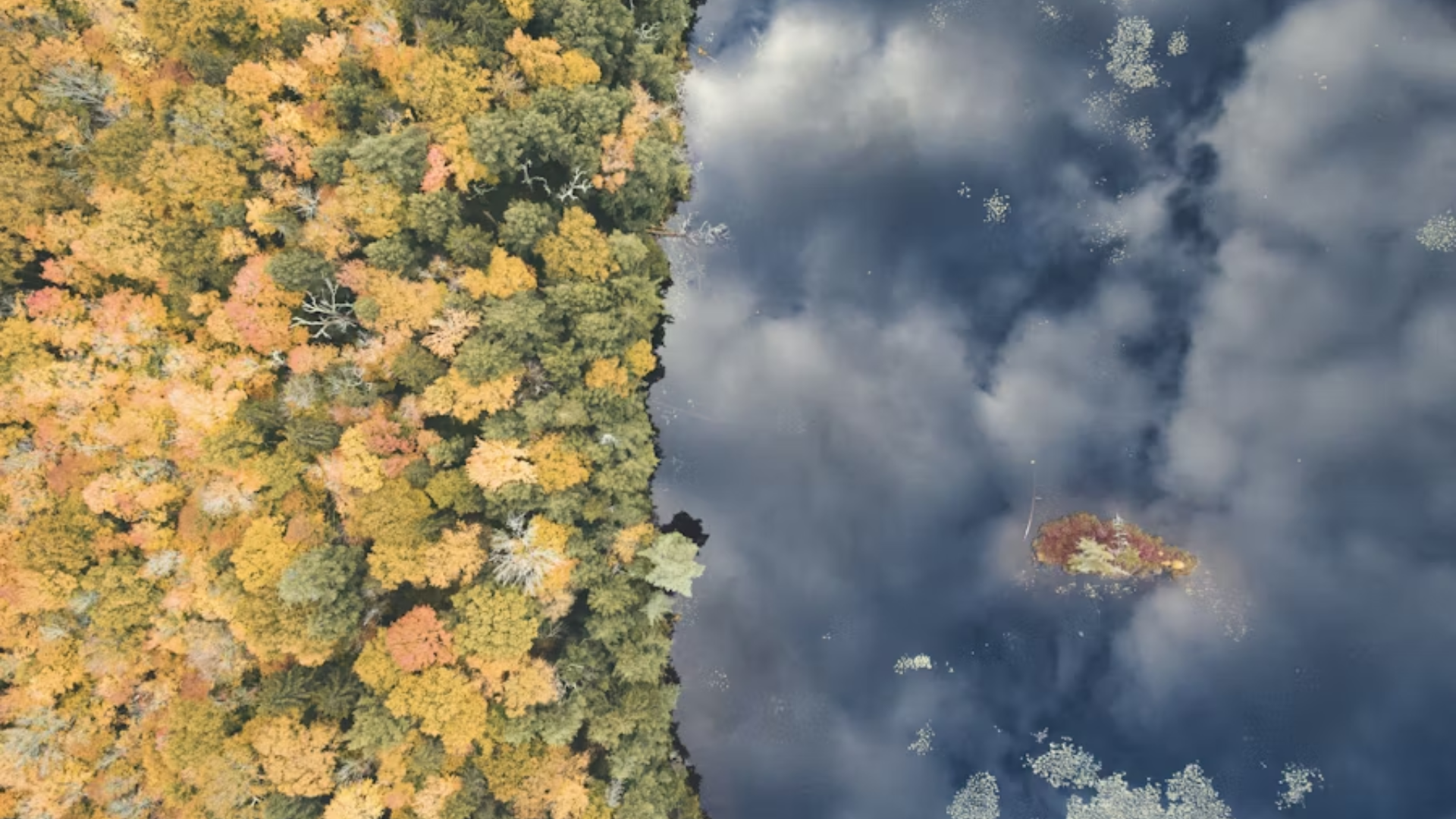
Climate change is not delivering a single uniform heat across the country. Instead, distinct regions are warming in entirely different ways. Western states are seeing more intense highs, with peak summer temperatures climbing sharply. Across the North, cold extremes are becoming rarer while overnight lows rise. Some areas are warming across every part of the temperature range, while others show barely any movement at all. Geography, it turns out, shapes climate change as much as the atmosphere does.
Meet the ‘Warming Hole’
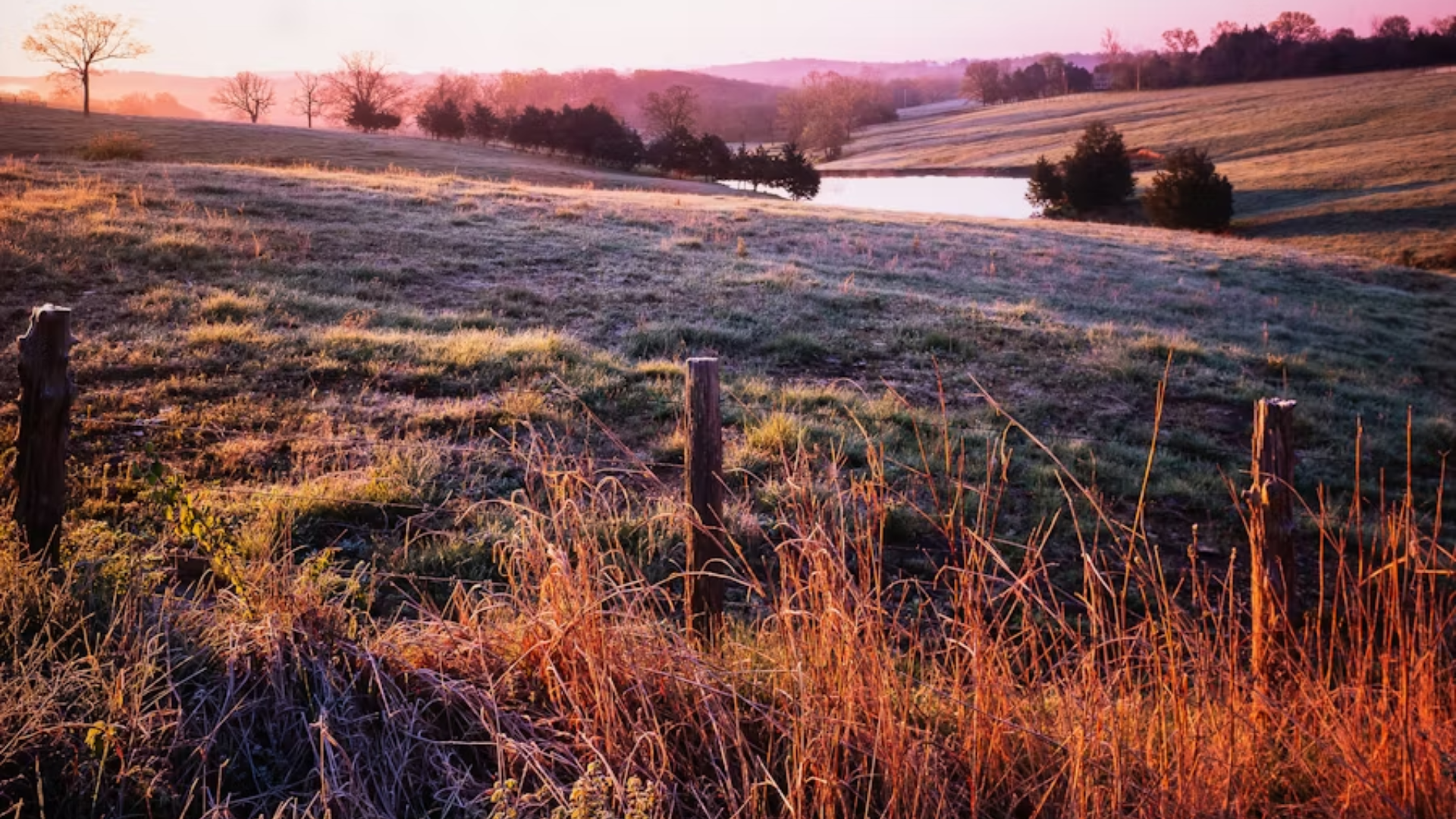
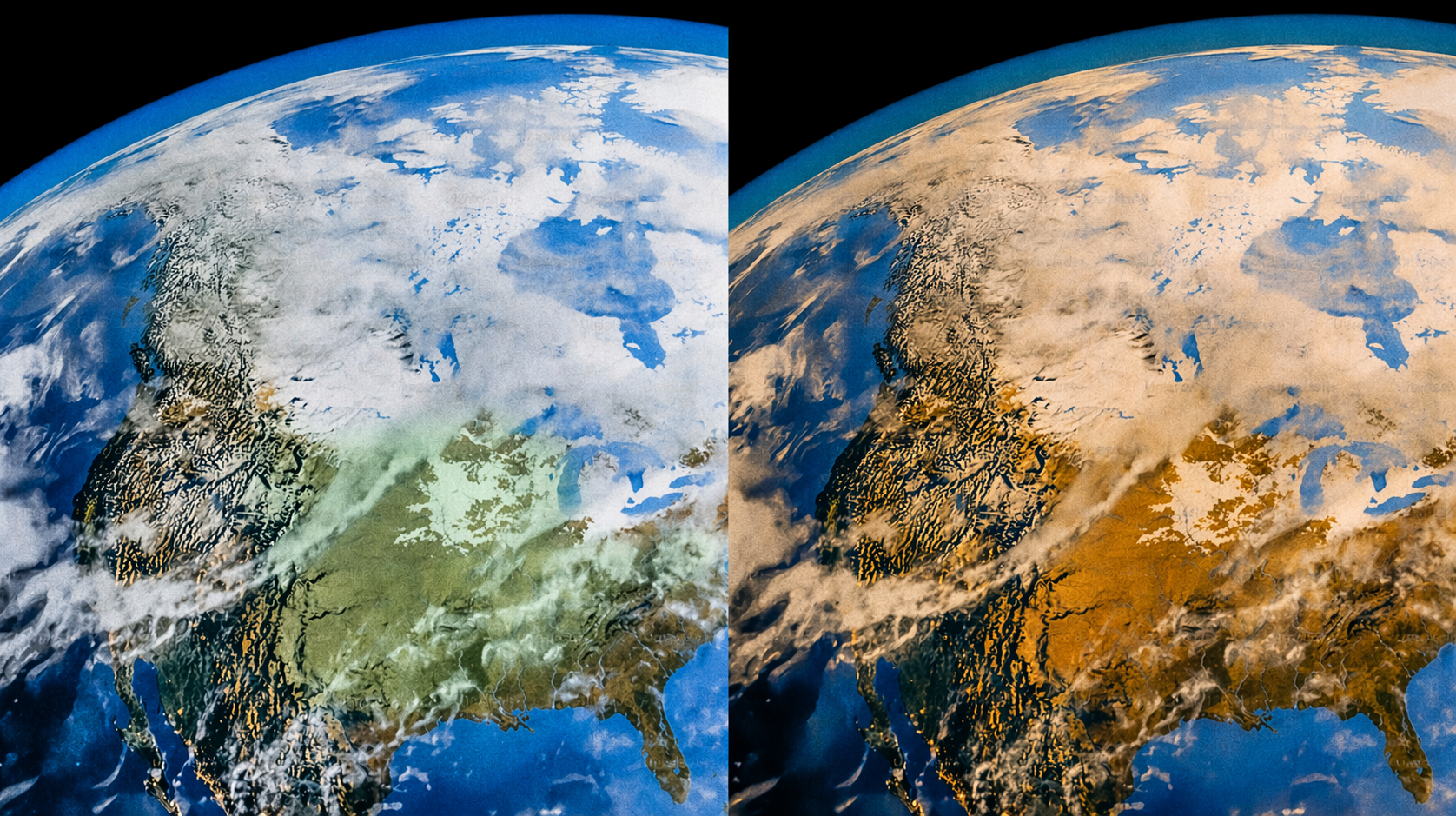
One of the study’s most striking findings is a cluster of states, concentrated in parts of the South and Midwest, where temperatures have shown no statistically significant warming at any point in the full daily temperature range. Researchers call this the “warming hole.” It stands out as a clear exception in an otherwise heating nation. The region isn’t just warming slowly — across multiple measures, it appears to be resisting the broader national trend almost entirely.
Why This Matters Beyond the Data
When someone in the American South or Midwest says they haven’t noticed much warming, they may be referencing something real — at least in terms of average temperatures. But this study makes clear that averages are an incomplete lens. Heat extremes, warmer nights, and erratic cold snaps are the textures of a changing climate that averages smooth away. The IPCC has long emphasized that extreme events, not just averages, are where climate change causes the most harm.
The Story Climate Change Isn’t Finished Telling
Climate change is not one story — it’s thousands of local ones unfolding simultaneously. The warming hole may cool debate in some zip codes for now, but science suggests the exceptions won’t last forever. As researchers refine their tools beyond averages and into the full range of daily extremes, the picture of what’s happening will only sharpen. The real question isn’t whether warming is happening. It’s whether we’re asking the right questions to see it clearly.
The Forecast Is Getting More Precise, Not More Comfortable
What this research ultimately shows is not uncertainty in climate science, but a growing precision that is revealing a more uneven and, in many ways, more unsettling reality. The apparent calm in some regions does not contradict global warming; it complicates how it shows up in daily life. As tools improve and scientists focus more on extremes rather than averages, the gaps between perception and data may begin to close. But that clarity could come with a cost, as more communities realize that even where warming seems absent, the underlying shifts are already underway, quietly reshaping seasons, risks, and expectations for the future.