Scientists Finally Reveal the Reason Antarctica’s ‘Blood Falls’ Run Red
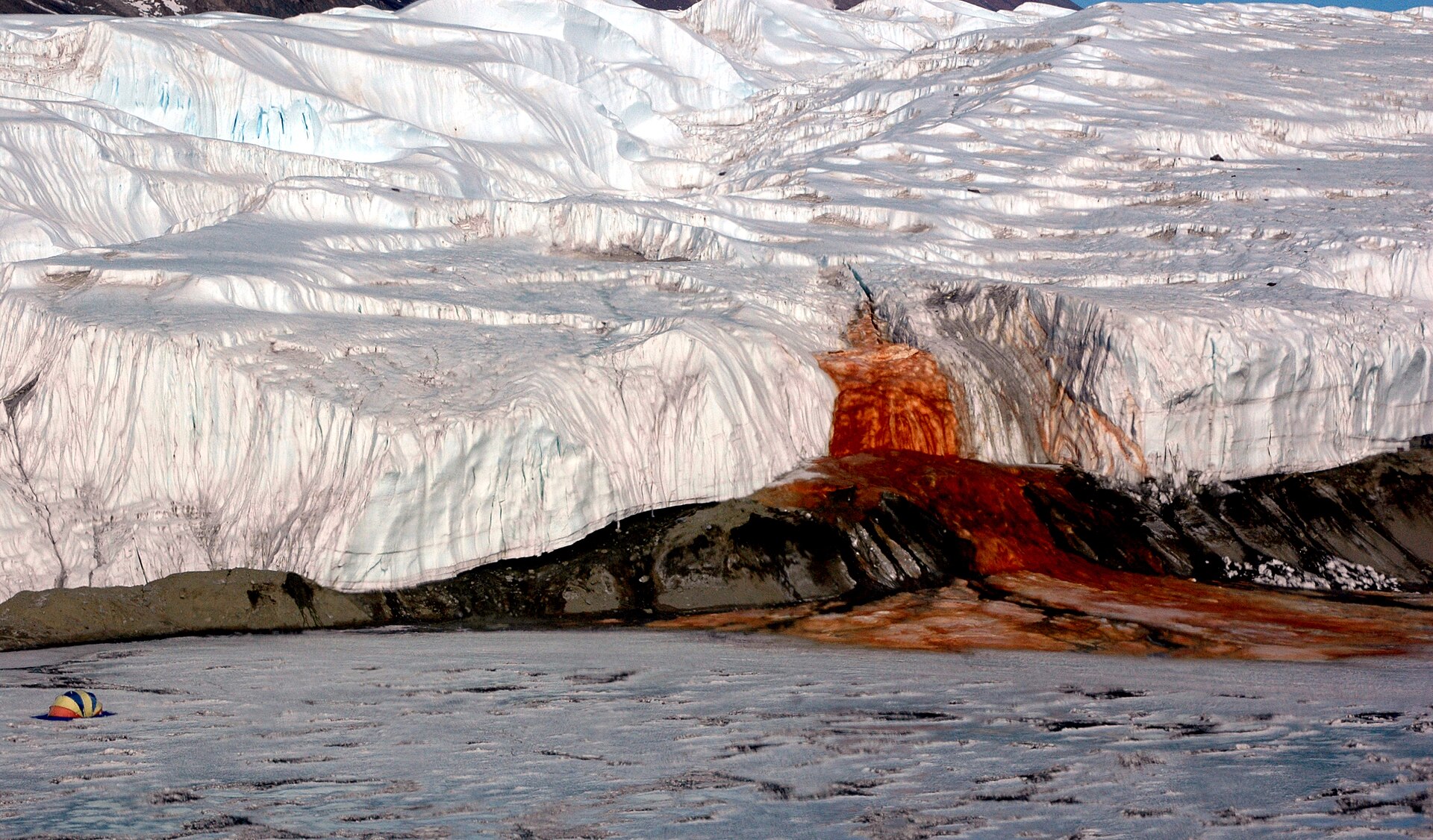

A vivid stream of crimson water spills from the frozen edge of a glacier, creating one of the most unsettling and fascinating sights on the planet. In the remote expanse of Antarctica, this phenomenon appears almost surreal, as if the ice itself were bleeding.
Located within the McMurdo Dry Valleys, this striking cascade emerges in a landscape defined by extremes. The region is known as the coldest and driest desert on Earth, a place where ice dominates yet vast stretches remain free of snow. These harsh conditions have turned the area into a natural laboratory, drawing scientists eager to understand its unusual features.
Beyond its eerie appearance, the site holds a broader scientific appeal. The valleys contain a variety of rare formations, from hypersaline lakes to long, ice-bound rivers. Among them, the so-called Blood Falls stands out as a visual and scientific mystery that has intrigued researchers for over a century.
The Enigma Behind A Crimson Cascade
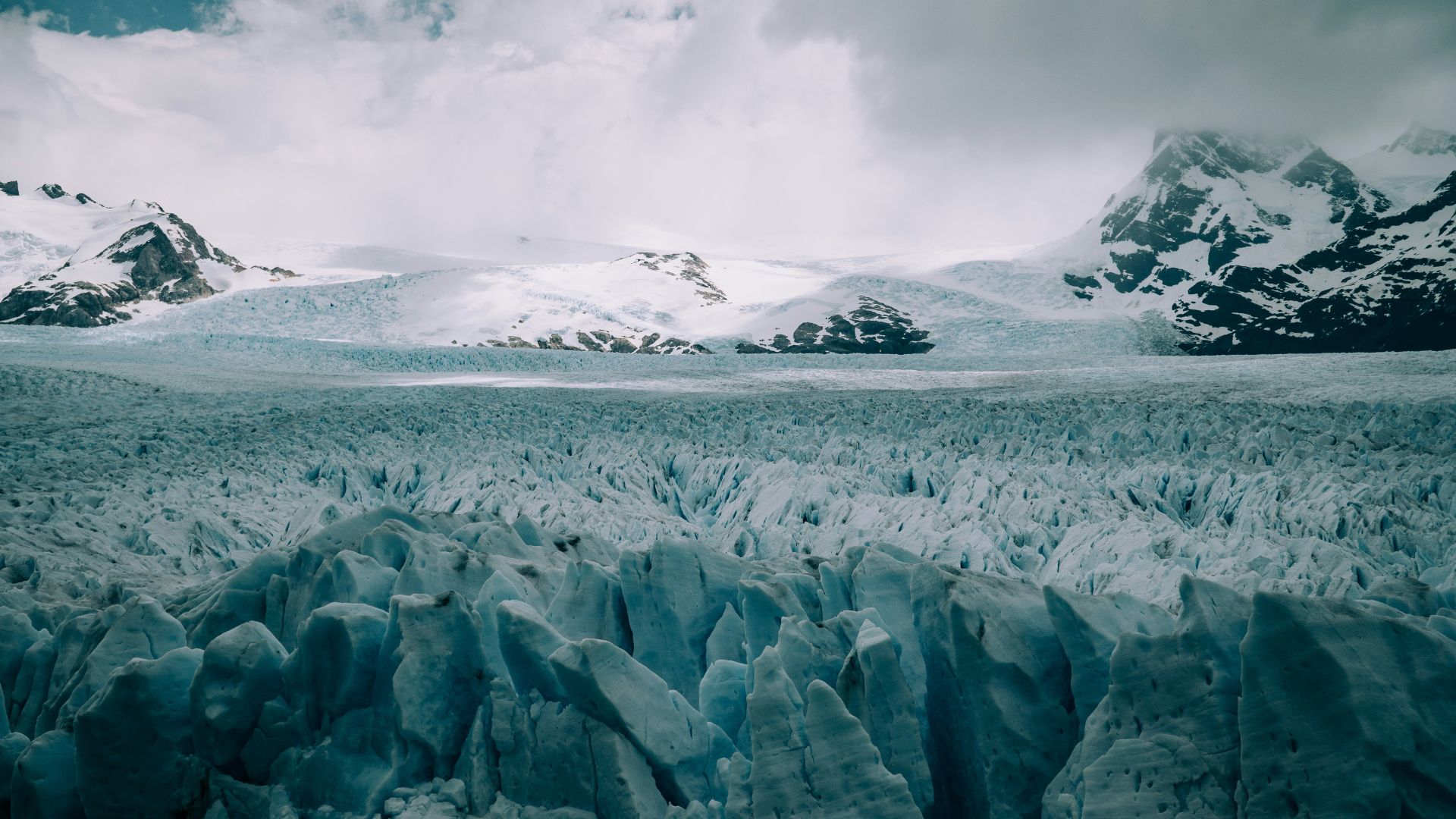
The flow descends from the Taylor Glacier, dropping roughly 50 feet before reaching the frozen surface of Lake Bonney. Unlike a typical waterfall, it does not run continuously. Instead, it appears intermittently, adding to its mysterious nature.
For decades, scientists debated the cause of its unusual color. Early theories suggested that red algae might be responsible. However, further research revealed a different explanation, one rooted in chemistry rather than biology. The water contains high levels of iron, which reacts with oxygen upon exposure to air, creating the deep red hue.
While this clarified the color, another question remained unanswered. Researchers still did not understand why the water emerged unpredictably from the glacier, appearing suddenly and then disappearing again.
Hidden Forces Beneath The Ice

A breakthrough came when scientists conducted detailed observations using GPS instruments, temperature sensors, and time-lapse imagery. These tools revealed subtle movements within the glacier, movements that play a crucial role in triggering the flow.
Beneath the thick ice lies a hidden reservoir of extremely salty water, trapped for millions of years. This subglacial pool contains dissolved iron and remains liquid due to its high salinity, despite the freezing temperatures above.
As the glacier slowly shifts, even by a few millimeters, pressure builds over this buried reservoir. When the force becomes strong enough, the briny water is pushed through cracks in the ice. Once it reaches the surface and comes into contact with oxygen, the iron oxidizes, producing the characteristic rust-red color.
A Window Into Earth’s Ancient And Future Conditions
This discovery extends beyond solving a visual mystery. It offers clues about how life might endure in extreme and isolated environments. Scientists believe similar conditions could have existed during ancient periods when Earth was largely frozen, providing refuge for microbial life beneath the ice.
The findings also open new questions about how such systems might respond to environmental change. As global temperatures shift, the delicate balance within glaciers could alter, potentially affecting phenomena like Blood Falls in ways that are not yet fully understood.
For now, the crimson flow remains both a scientific milestone and a reminder of how much of the planet still holds secrets beneath its surface.