Scientists Entered a Cave Sealed for 57 Millennia and Found a Non-Human Mystery Carved Into the Dark
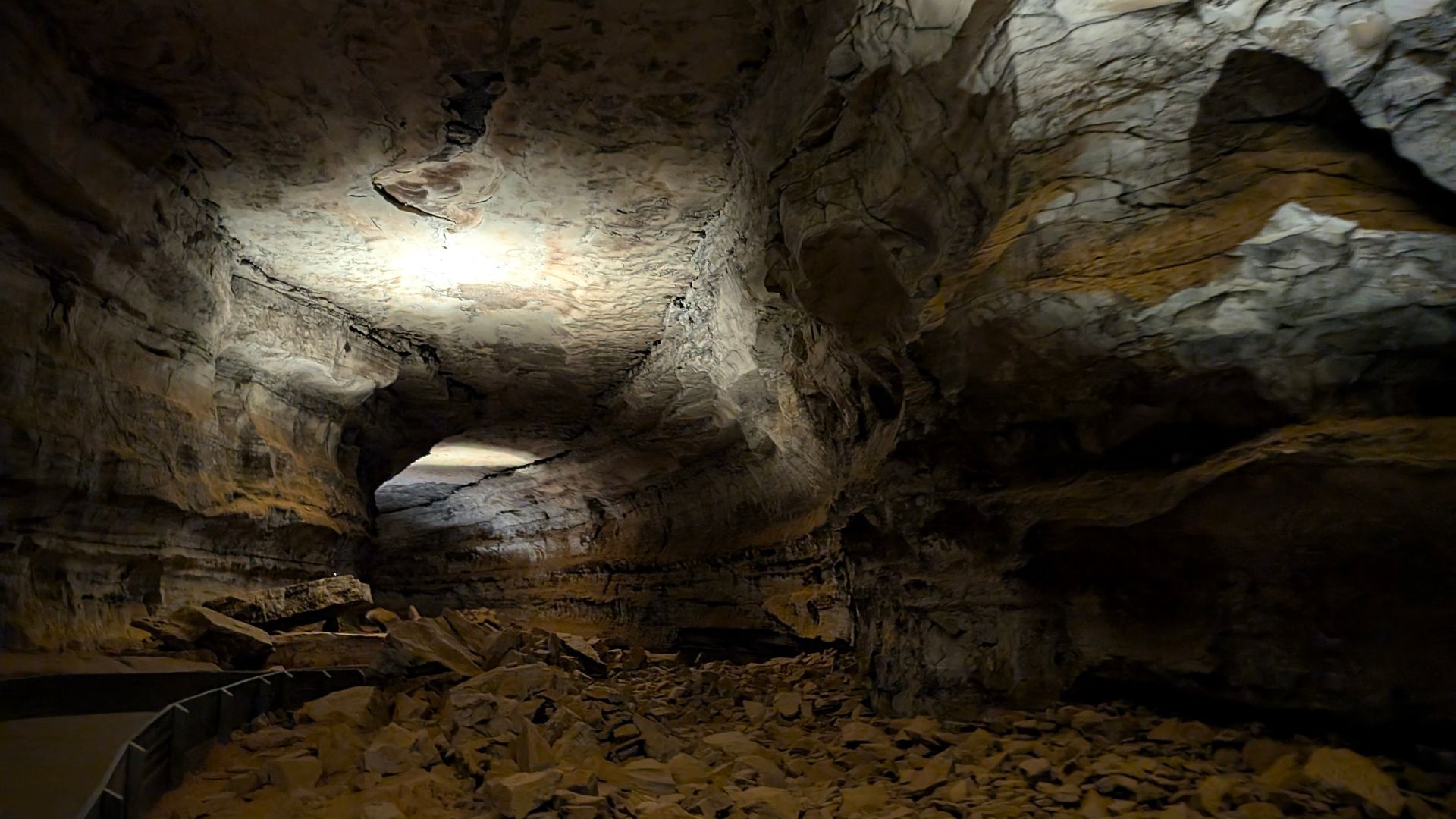

For tens of thousands of years, a cave in France sat sealed behind layers of sediment, cut off from weather, animals, and people. That isolation led researchers to expect stillness inside, yet when scientists finally entered, they found deliberate engravings pressed into the walls, marks that did not belong to our species at all.
Sediment Sealing 57,000 Years Ago
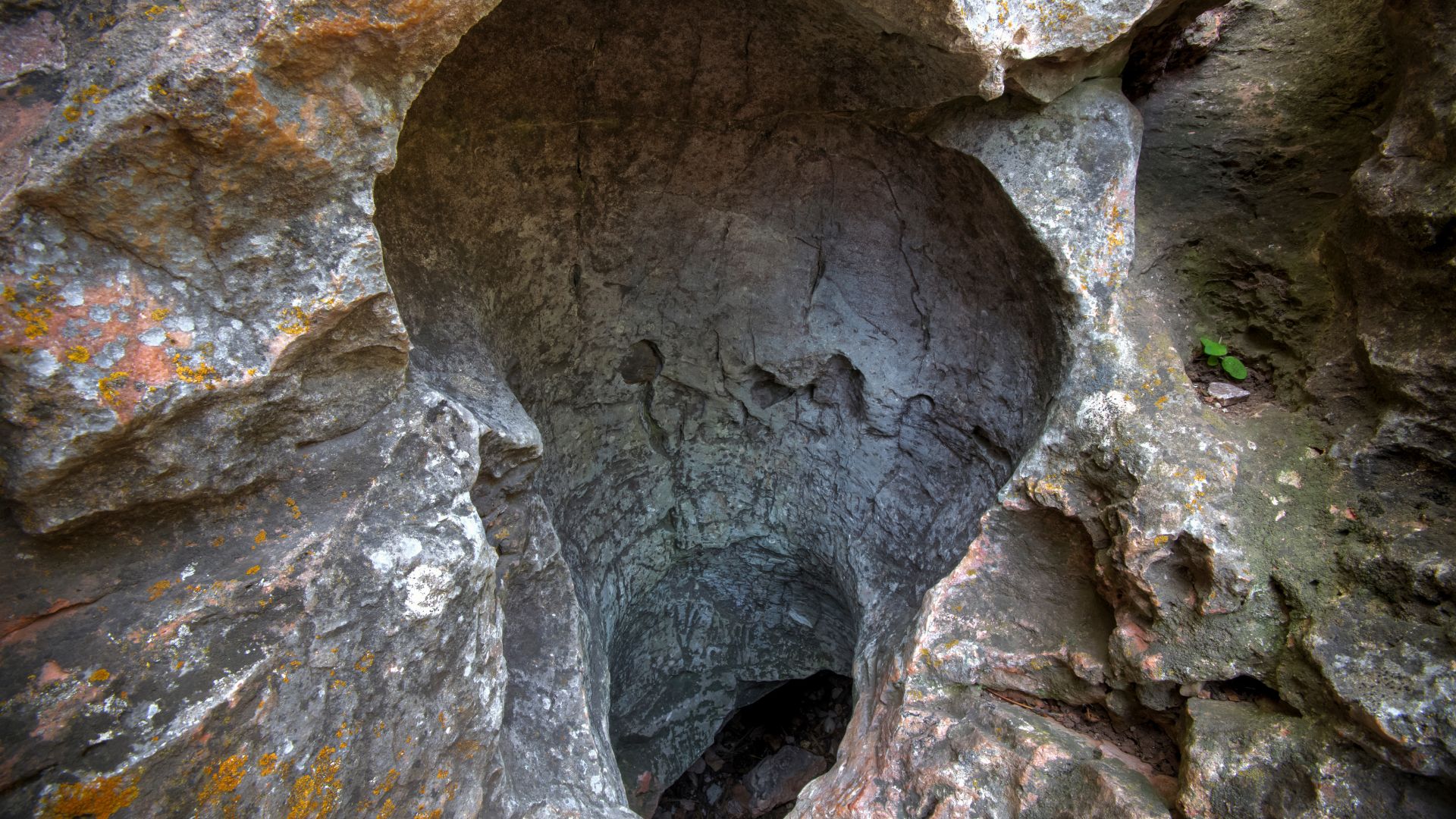
Sediment gradually closed the entrance to La Roche Cotard roughly 57,000 years ago, and as deposits accumulated, they formed a barrier that cut off light, air, and access. Optically stimulated luminescence dating later confirmed that once the sealing occurred, no human could reenter the chamber.
Optically Stimulated Luminescence Dating Results
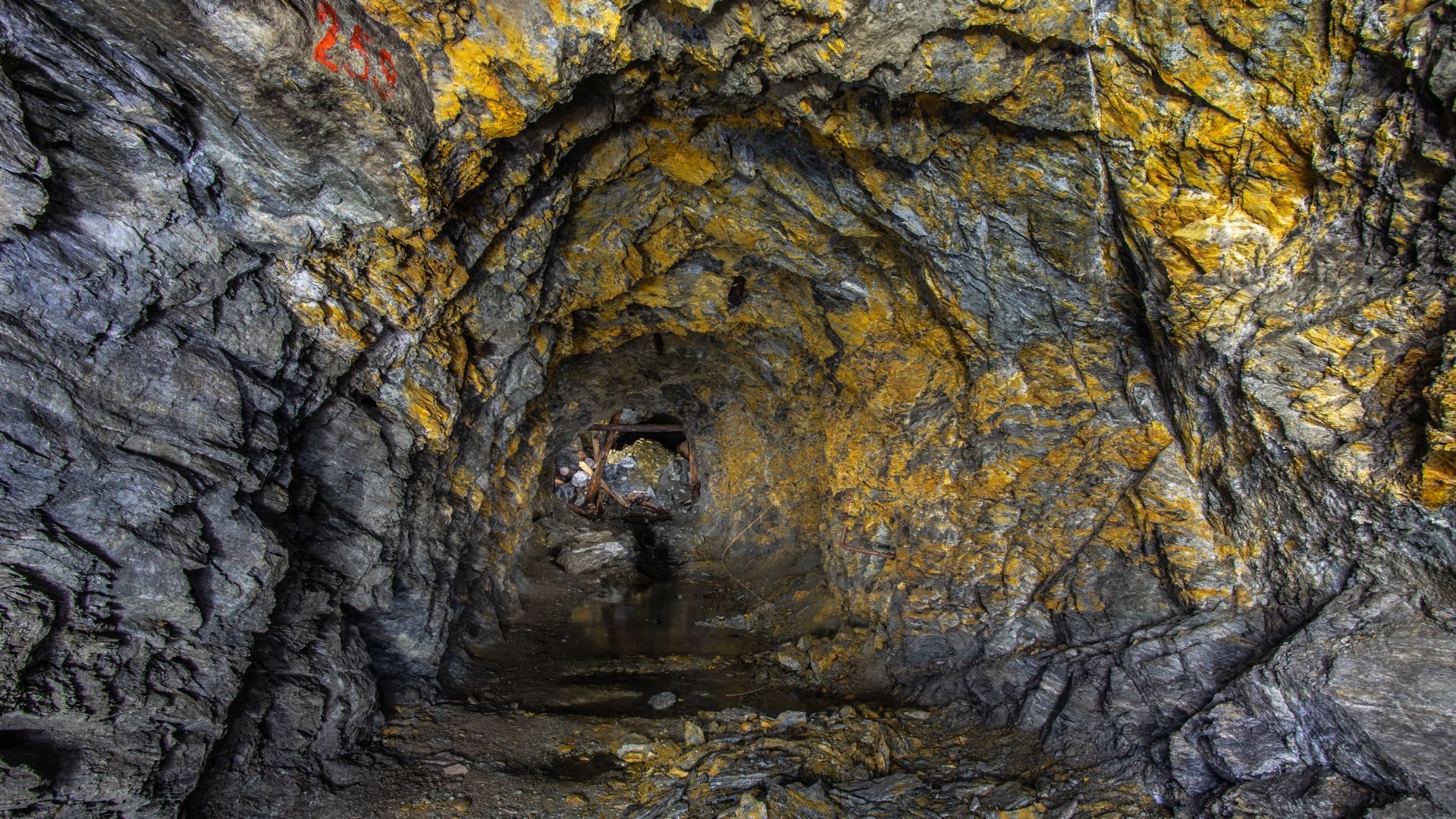
Researchers applied optically stimulated luminescence dating to the sediment blocking the entrance, and through that method, they measured when mineral grains last saw daylight, which in turn confirmed that the cave remained sealed for roughly 57,000 years without later human intrusion.
Mousterian Tool Assemblage Evidence
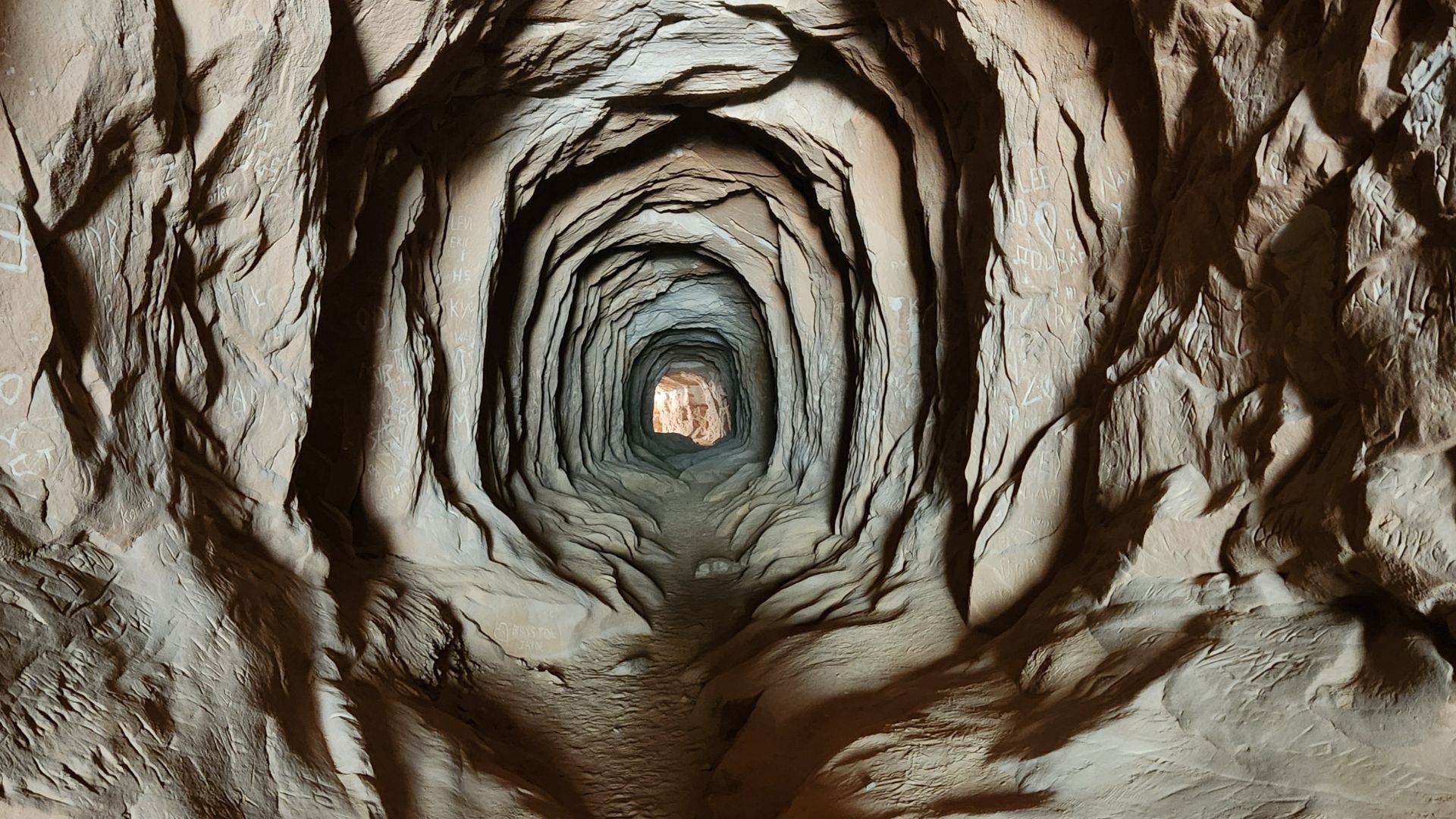
Excavations inside the sealed chamber uncovered stone tools characteristic of the Mousterian tradition, and as researchers cataloged them alongside animal bones bearing cut marks, they saw a clear Neanderthal signature that aligned with the engravings preserved on the cave walls.
Eight Engraved Panels of Lines and Dots
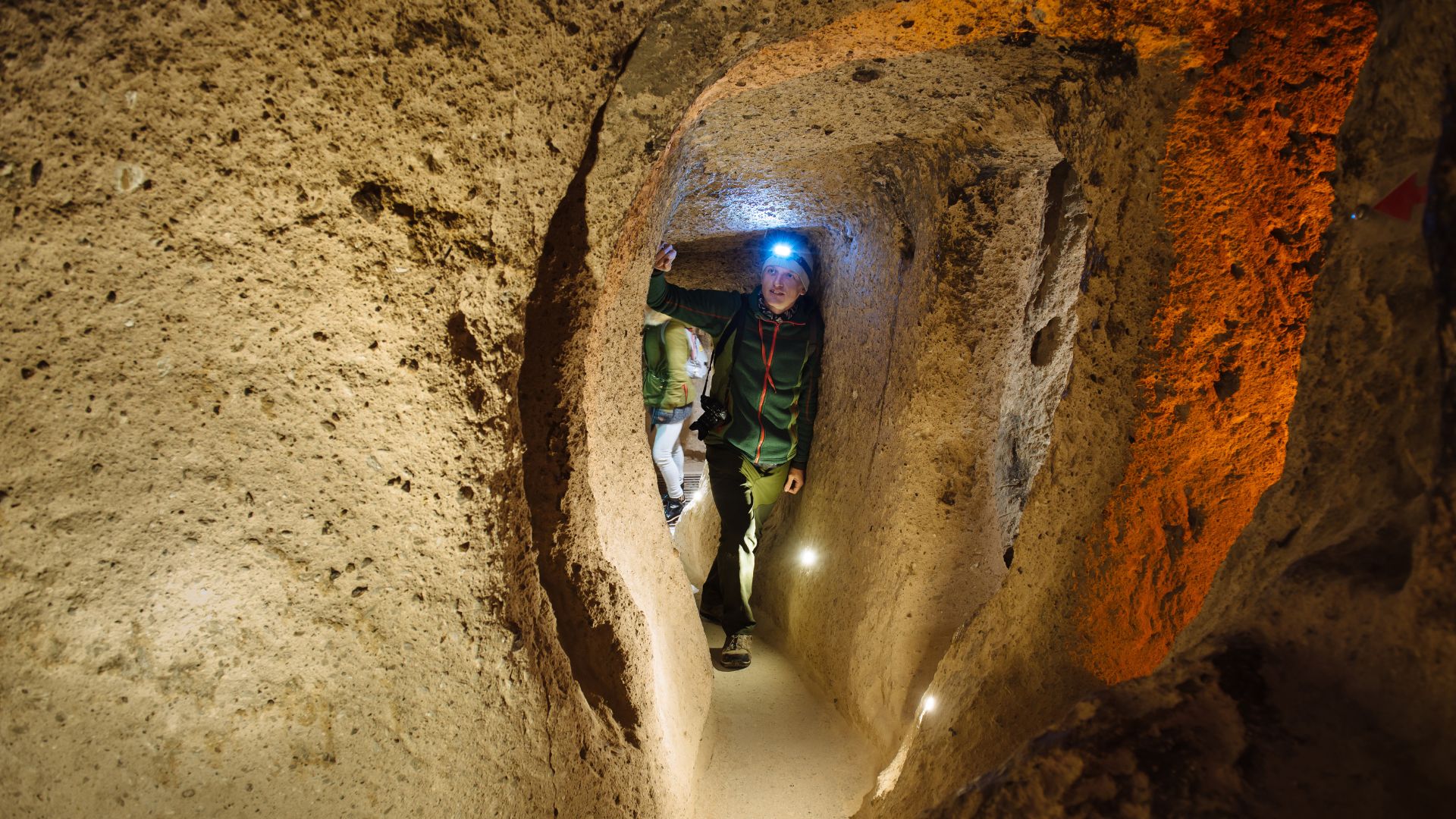
Fingertip Traces Confirm Human Touch

When researchers analyzed the engraved surfaces, they observed ridges and pressure patterns that matched fingertip contact rather than stone tools, and that detail indicates direct hand application, which in turn ties the markings to deliberate physical gestures inside the sealed chamber.
Mask of La Roche Cotard Artifact
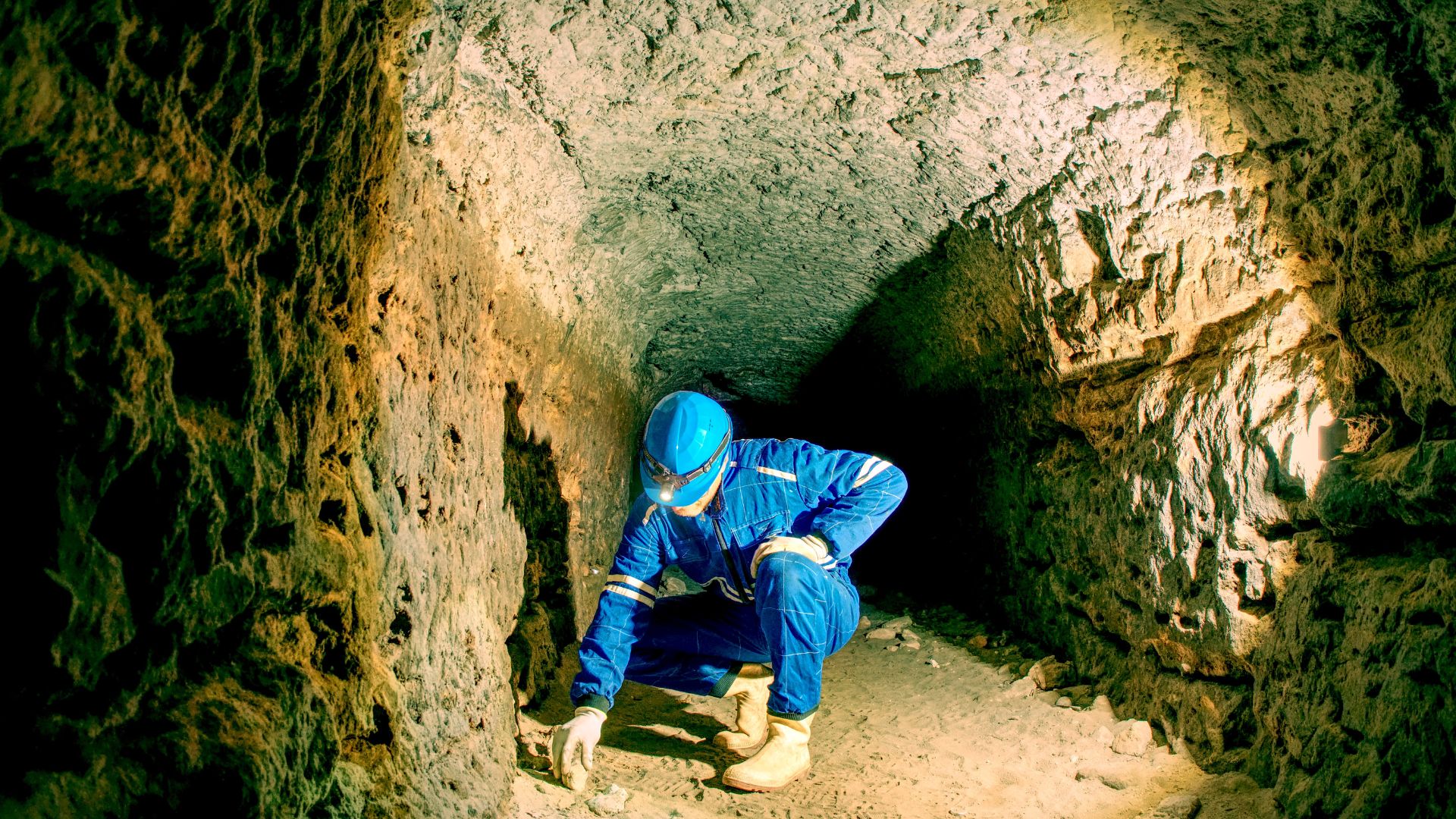
At the cave entrance, archaeologists uncovered a flint object shaped with a bone fragment inserted across its surface, and as they studied its contours, they noted facial features suggested in abstract form, which places the artifact around 75,000 years ago within the Mousterian period.
Preserved Paleolithic Time Capsule Conditions
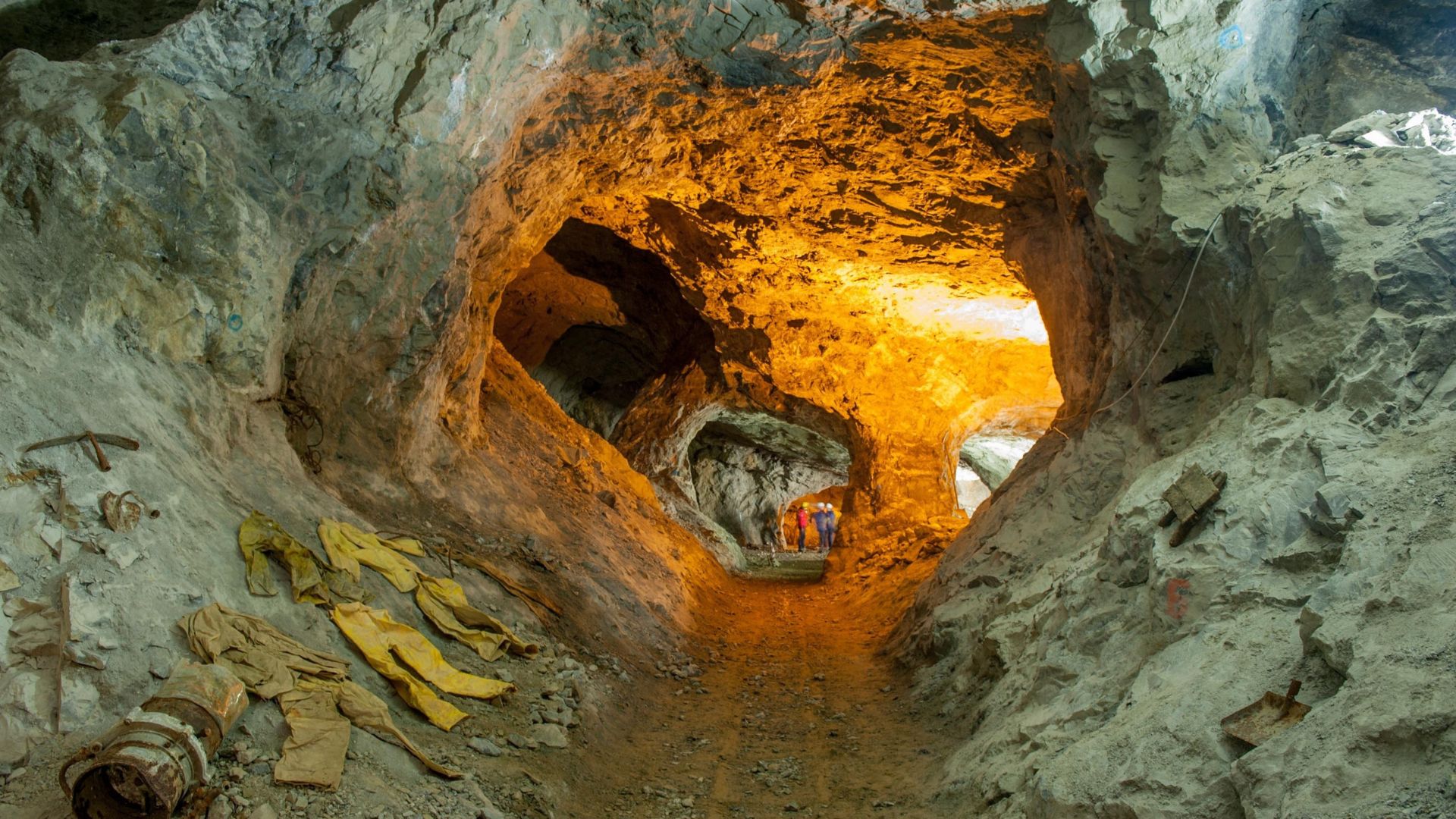
Sediment blocked the entrance and sealed the chamber for tens of millennia, and as air circulation stopped and moisture levels stabilized, the interior surfaces remained intact, which allowed engravings and artifacts to survive in the same condition they held when the cave first closed.
Implications for Neanderthal Symbolic Thought

As researchers examined the organized patterns carved into the walls, they recognized repetition and spatial balance that point toward deliberate design, and that observation suggests Neanderthals conceptualized and recorded abstract forms within a shared cultural framework rather than leaving accidental traces.
Ancient Marks Redefine the Neanderthal Record