Scientists Discover a Rogue Planet Growing by Six Billion Tons per Second


Astronomers have discovered a remarkable rogue planet growing at an extraordinary rate of about six billion tons of gas and dust every second, making it the fastest-growing planetary body ever observed anywhere in the universe. This free-floating world, unbound to any star, challenges traditional ideas about how planets form and evolve and has been caught in what researchers describe as a dramatic “growth spurt.” The findings come from detailed observations using some of the most advanced telescopes on Earth and in space, offering a rare glimpse into the intense early lives of such isolated objects.
What Is a Rogue Planet?
A rogue planet is a planetary-mass object that drifts through space without orbiting a host star, wandering alone in the dark reaches of the galaxy much like a cosmic nomad. Unlike the planets in our Solar System, which are bound by the gravity of the Sun, rogue planets form either inside stellar nurseries and get ejected by gravitational interactions or collapse independently from clouds of gas and dust. These enigmatic objects are difficult to detect due to their faintness, but they offer insights into planetary behavior outside traditional star-system environments.
A Record-Breaking Growth Spurt
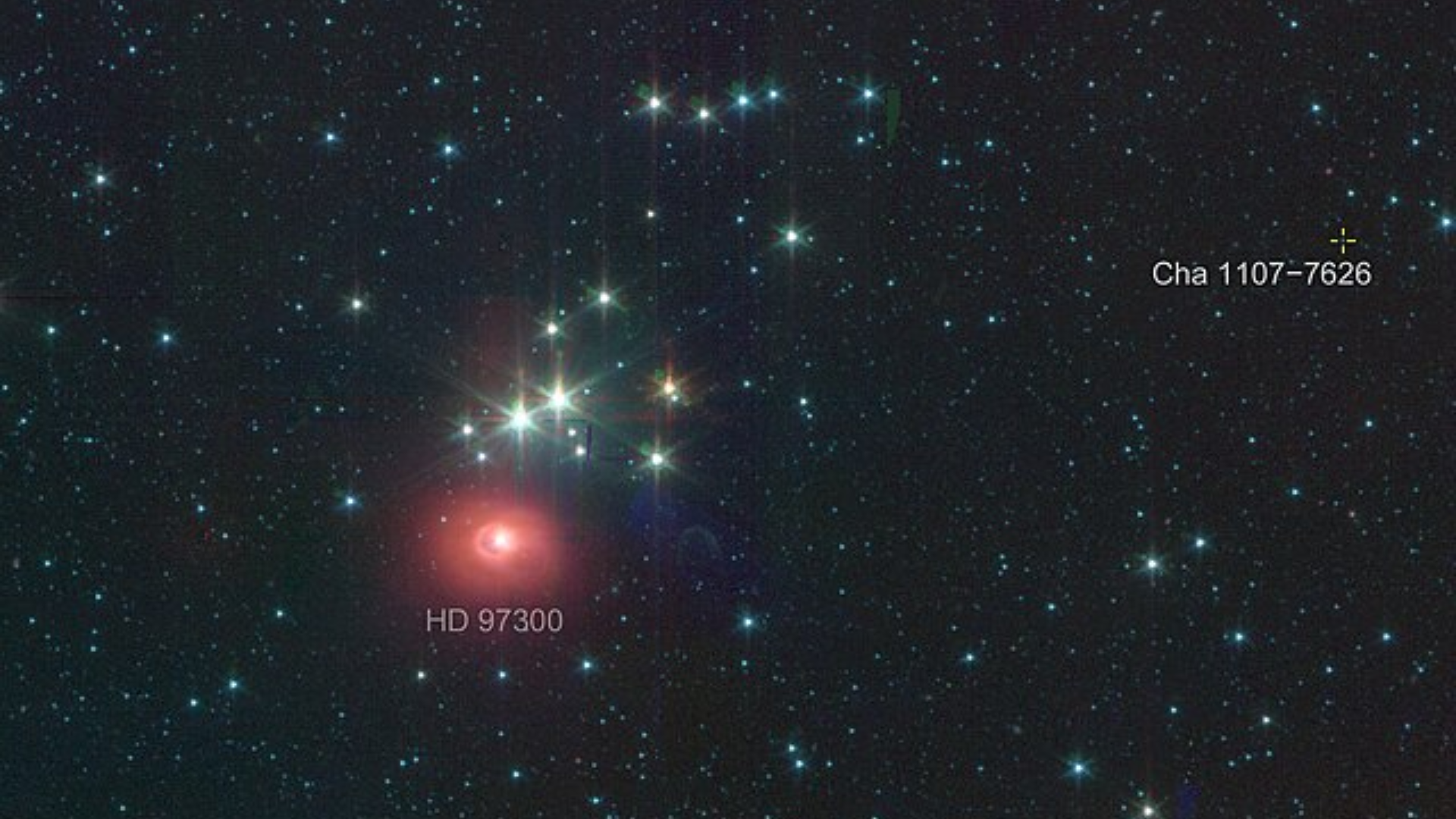
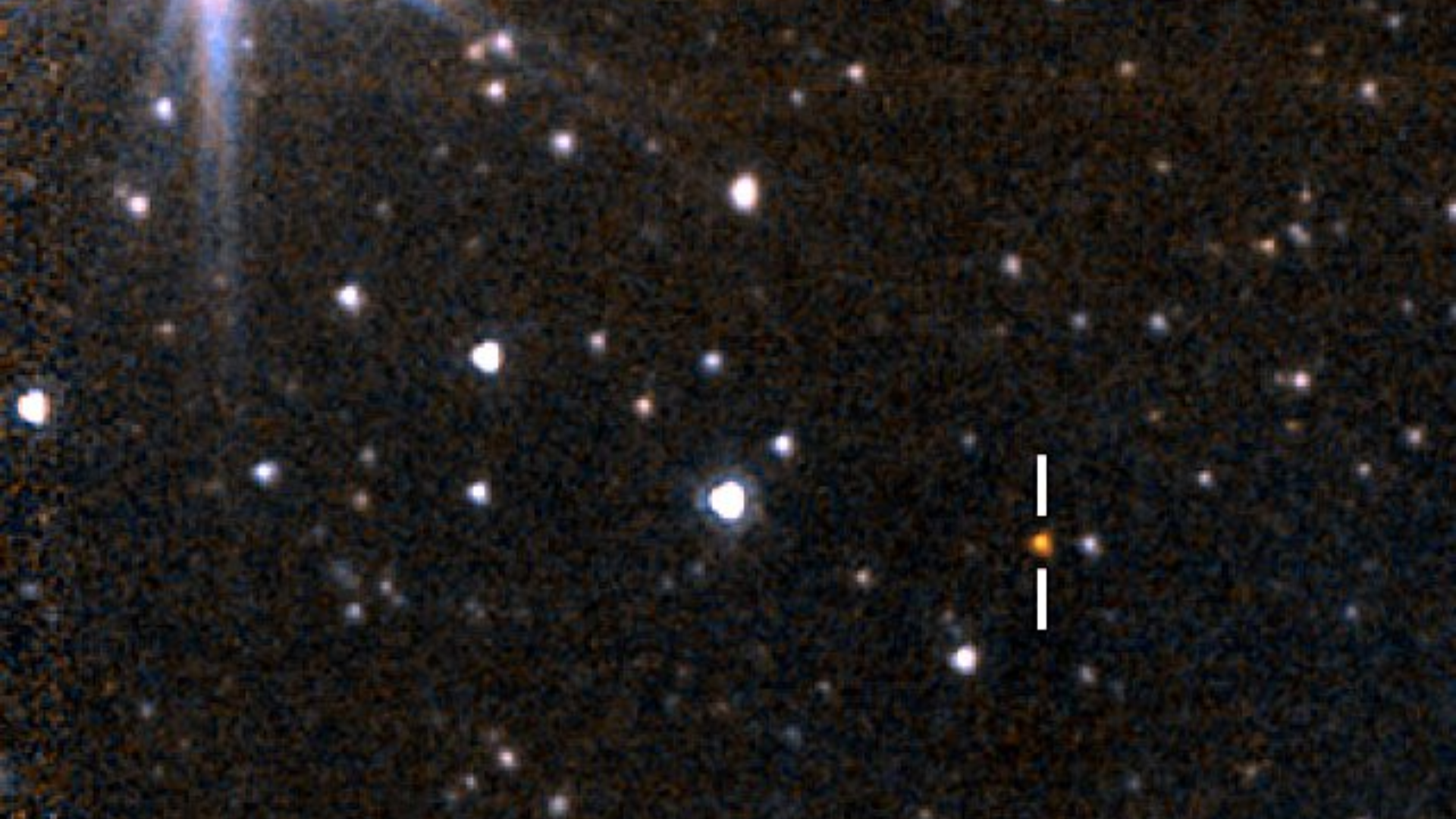
The rogue planet, officially labeled Cha 1107-7626, is located about 620 light-years away in the Chamaeleon constellation and is estimated to be between five and ten times the mass of Jupiter. Observations revealed that it is accreting material from the dense disk of gas and dust around it at a rate that peaked around six billion tons per second, far faster than any other planet-scale object known to science. This intense feeding is a dynamic, variable process that resembles how young stars grow, not typical planetary accretion.
How It Was Observed
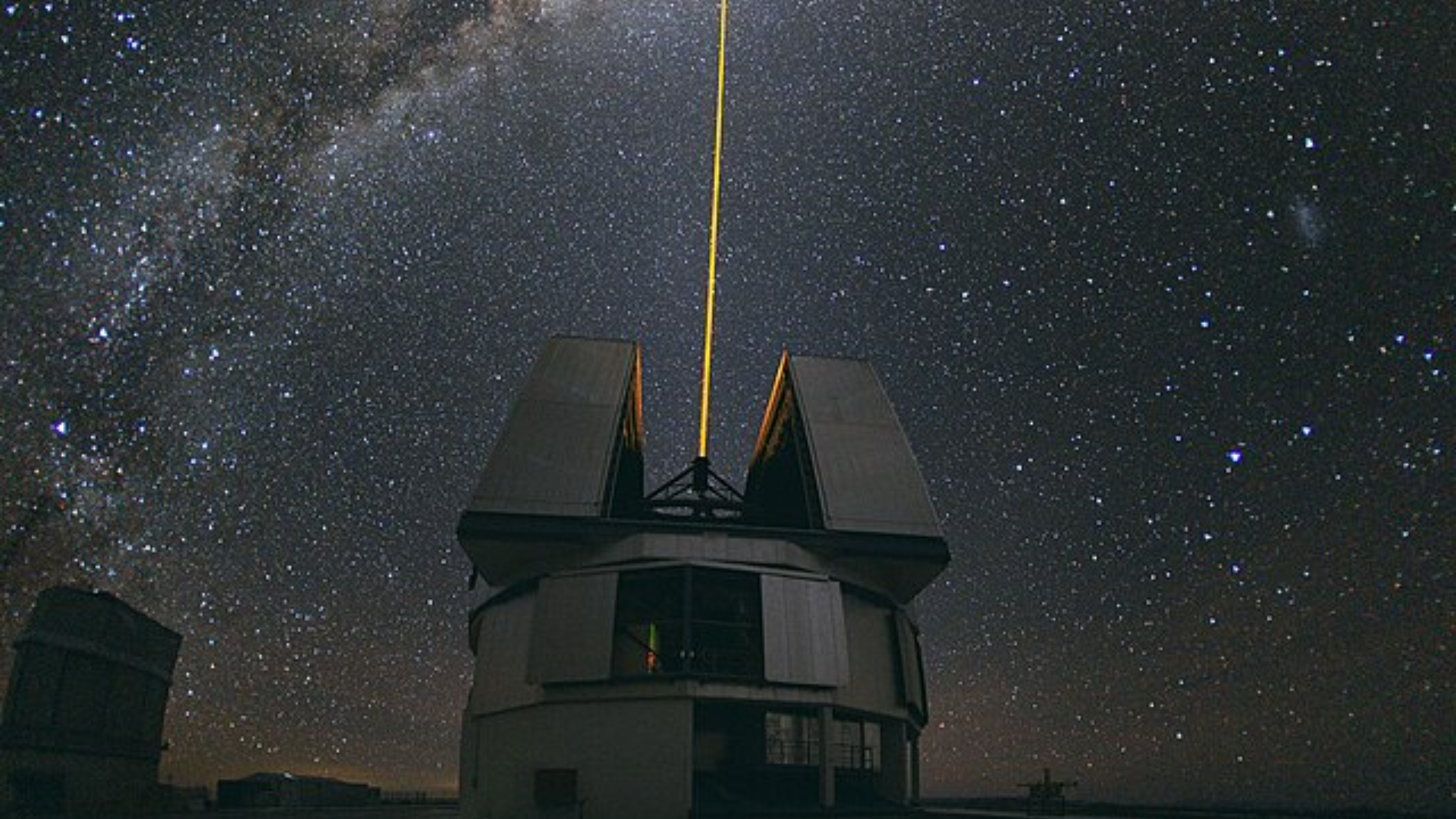
Scientists used the European Southern Observatory’s Very Large Telescope, with its powerful spectrograph instruments, to measure changes in the light from the planet and its surrounding material, indicating an extraordinary accretion event. Complementary data from NASA’s James Webb Space Telescope helped confirm the presence of water vapor and changes in chemistry around the planet that occurred during the growth surge. Together, these tools allowed astronomers to track the intensity and behavior of this rare cosmic phenomenon.
Why This Discovery Is Surprising
Planetary growth at such staggering speeds was previously thought to be limited to objects forming around stars, making this discovery especially unexpected for a planet with no solar parent. The fact that the growth rate rivals or even exceeds those seen in young stars suggests that under certain conditions, planetary-mass objects can behave much like mini stellar nurseries. This blurs the distinction between how we traditionally define stars and planets and prompts scientists to rethink the early life cycles of cosmic bodies.
Magnetic Fields and Water Vapor Evidence
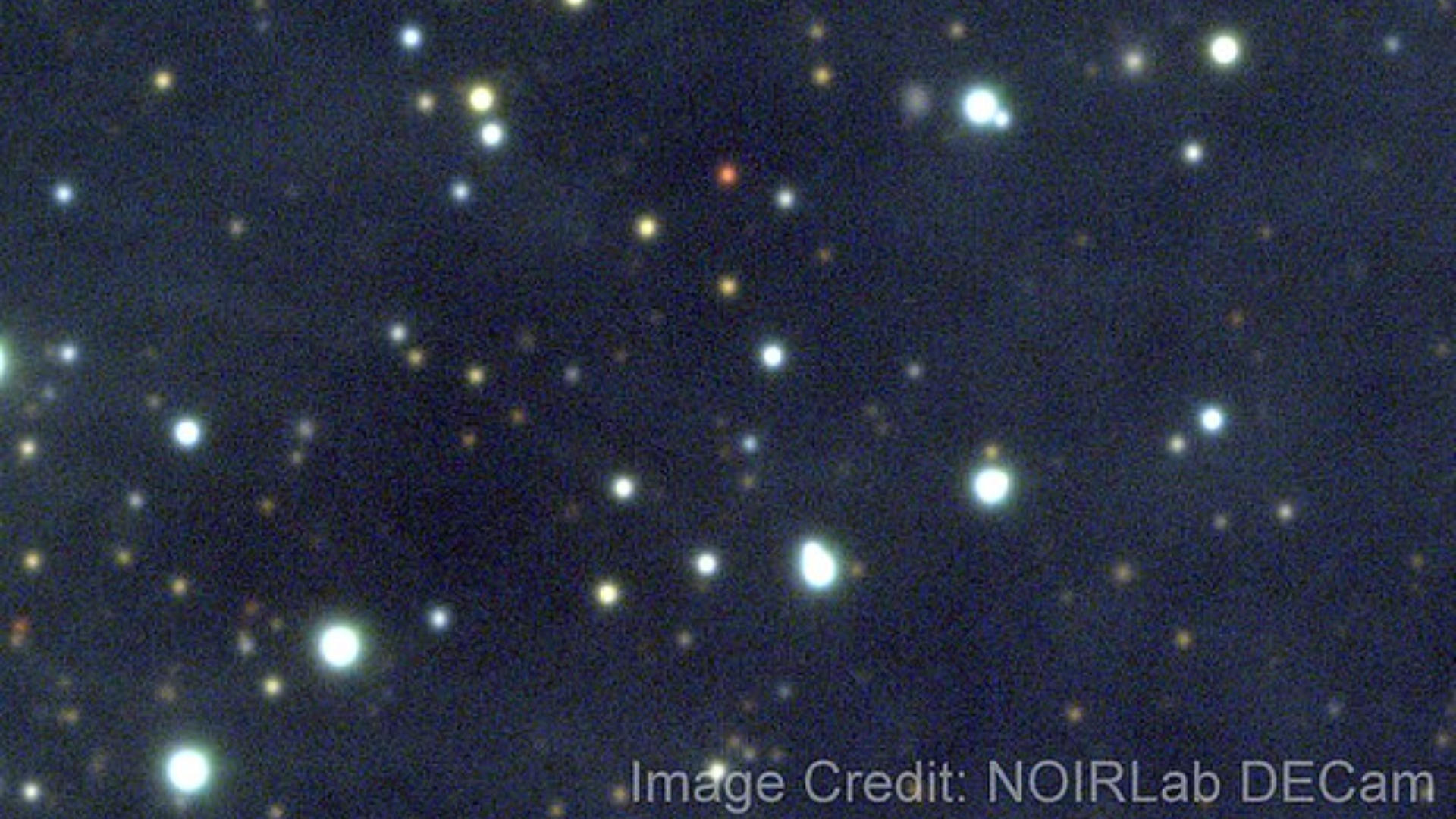
Researchers found evidence that strong magnetic fields may be channeling the gas and dust toward Cha 1107-7626, a process more commonly associated with star formation than planetary growth. Data indicating water vapor around the planet suggest that its feeding frenzy drives chemical changes in its surrounding disk, offering clues about the physical processes at play. These results open up questions about how common such extreme growth stages may be among free-floating worlds across the galaxy.
Implications for Planet Formation Theories

The discovery that a rogue planet can grow so rapidly challenges longstanding models of how planets accumulate mass and develop over time, particularly outside the influence of a star’s gravitational pull. It suggests that some planetary-mass objects may form and evolve through processes similar to star formation, especially when surrounded by dense material early in their lives. Scientists now believe that such objects could serve as natural laboratories to study the early evolution of planetary bodies in environments very different from those in star systems.
What Future Observations Might Reveal
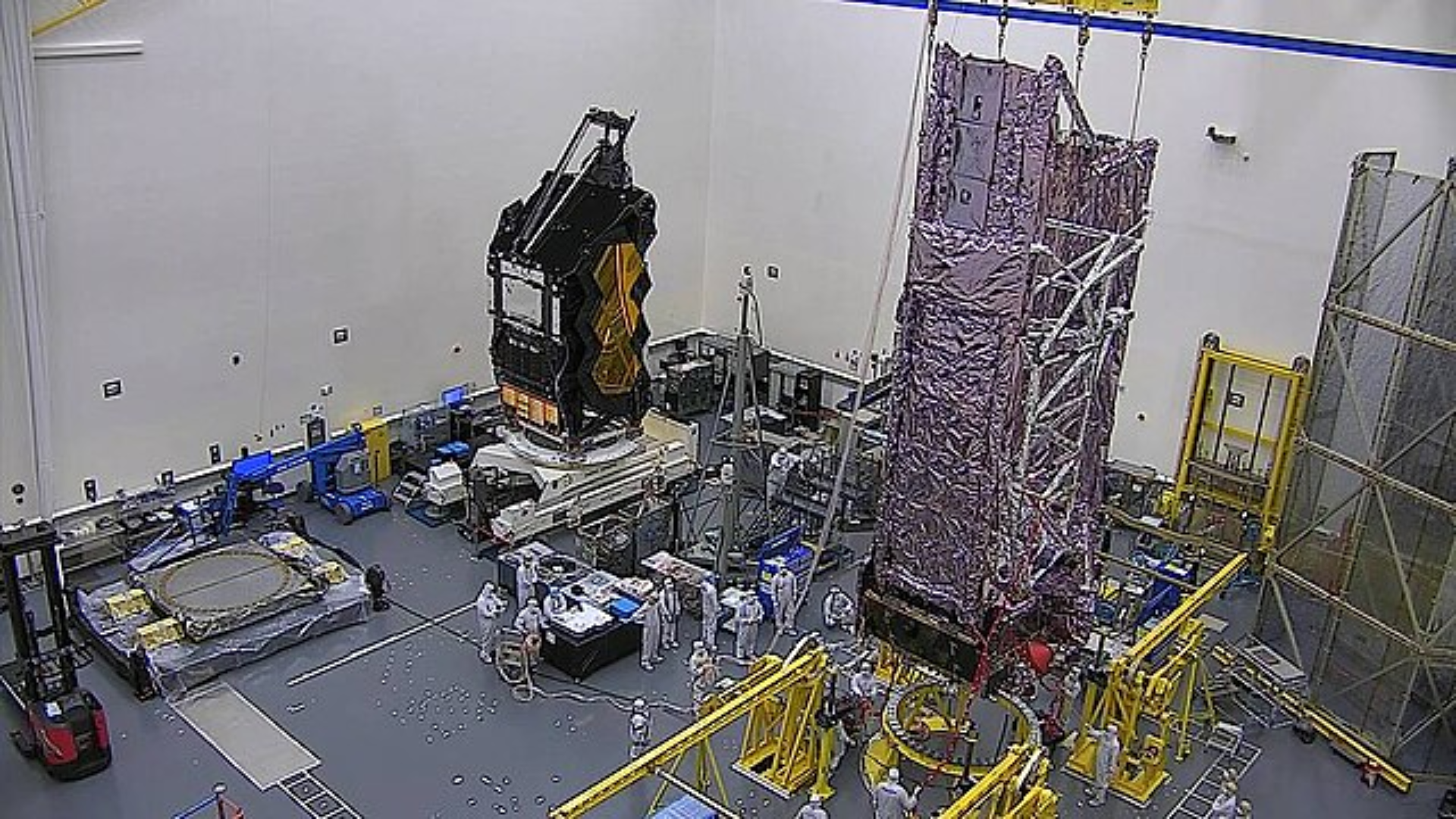
With upcoming observatories like the Extremely Large Telescope and further observations by the James Webb Space Telescope, astronomers hope to find more rogue planets and observe whether similar growth spurts occur elsewhere. Future studies could determine whether Cha 1107-7626 is a rare anomaly or part of a broader population of rapidly changing rogue worlds. Additional data could improve our understanding of the diversity of planetary formation and evolution throughout the cosmos.
Why This Matters to Astronomy

This discovery underscores the complexity of planetary science and the need to consider processes that extend beyond traditional star-centric models of formation and growth. By studying objects that defy conventional categories, scientists can refine their definitions of planets, stars, and the mechanisms that bridge the gap between them. Insights from rogue worlds like Cha 1107-7626 may ultimately shape our understanding of how matter aggregates and evolves across the universe.
Discovery of a Rogue Planet
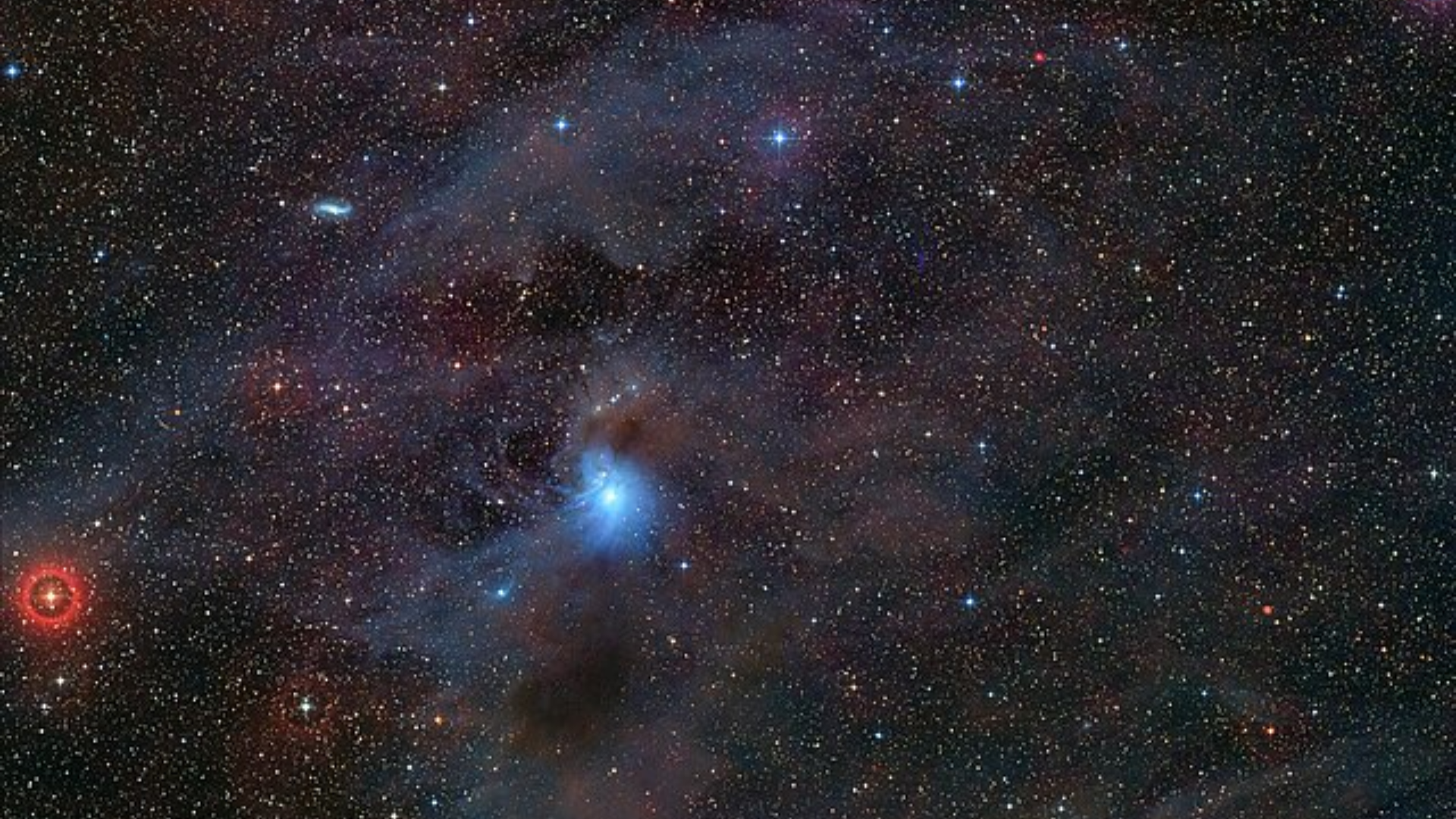
In conclusion, the discovery of a rogue planet growing at six billion tons per second represents a groundbreaking leap in our knowledge of planetary behavior in the universe, showing that isolated worlds can undergo extreme development phases akin to those seen in young stars. This finding invites astronomers to reassess how planets form, evolve, and interact with their environments, particularly outside the context of star systems. As telescope technology advances and more rogue planets are studied, the boundaries of planetary science may expand in surprising and illuminating directions.