Scientist Finds Possible Mars Shortcut That Could Cut Round-Trip Time to 153 Days
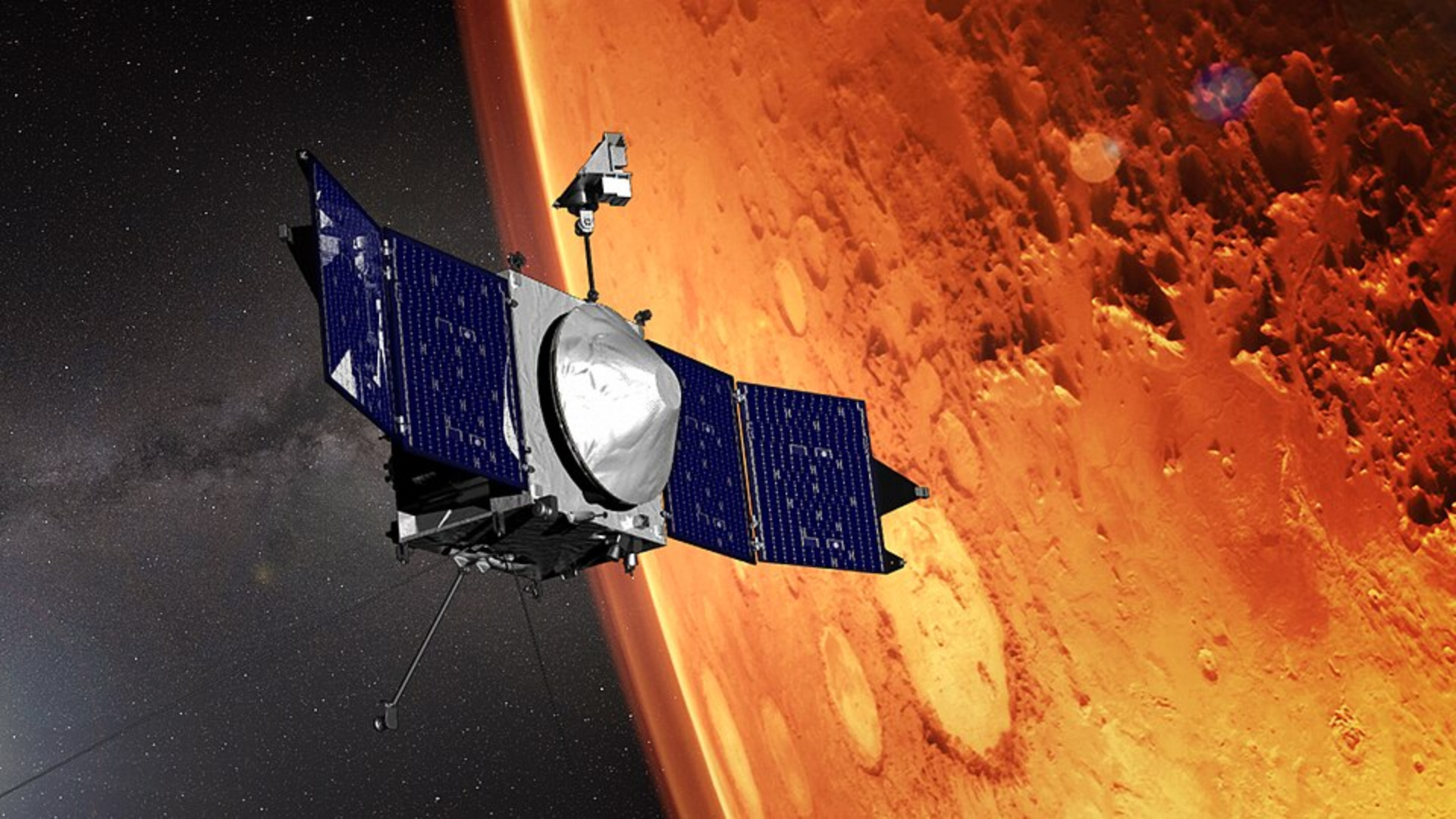

A scientist studying asteroid orbits may have accidentally uncovered a faster route to Mars that could dramatically reduce travel times for future missions. Research led by Brazilian cosmologist Marcelo de Oliveira Souza suggests that a previously overlooked orbital pathway could allow a complete Earth-to-Mars-to-Earth mission in as little as 153 days. Current crewed Mars mission concepts often require years to complete, making travel duration one of the biggest obstacles to human exploration of the Red Planet. The discovery has sparked excitement because shorter missions could reduce costs, radiation exposure, and health risks for astronauts.
The Discovery Began With an Asteroid
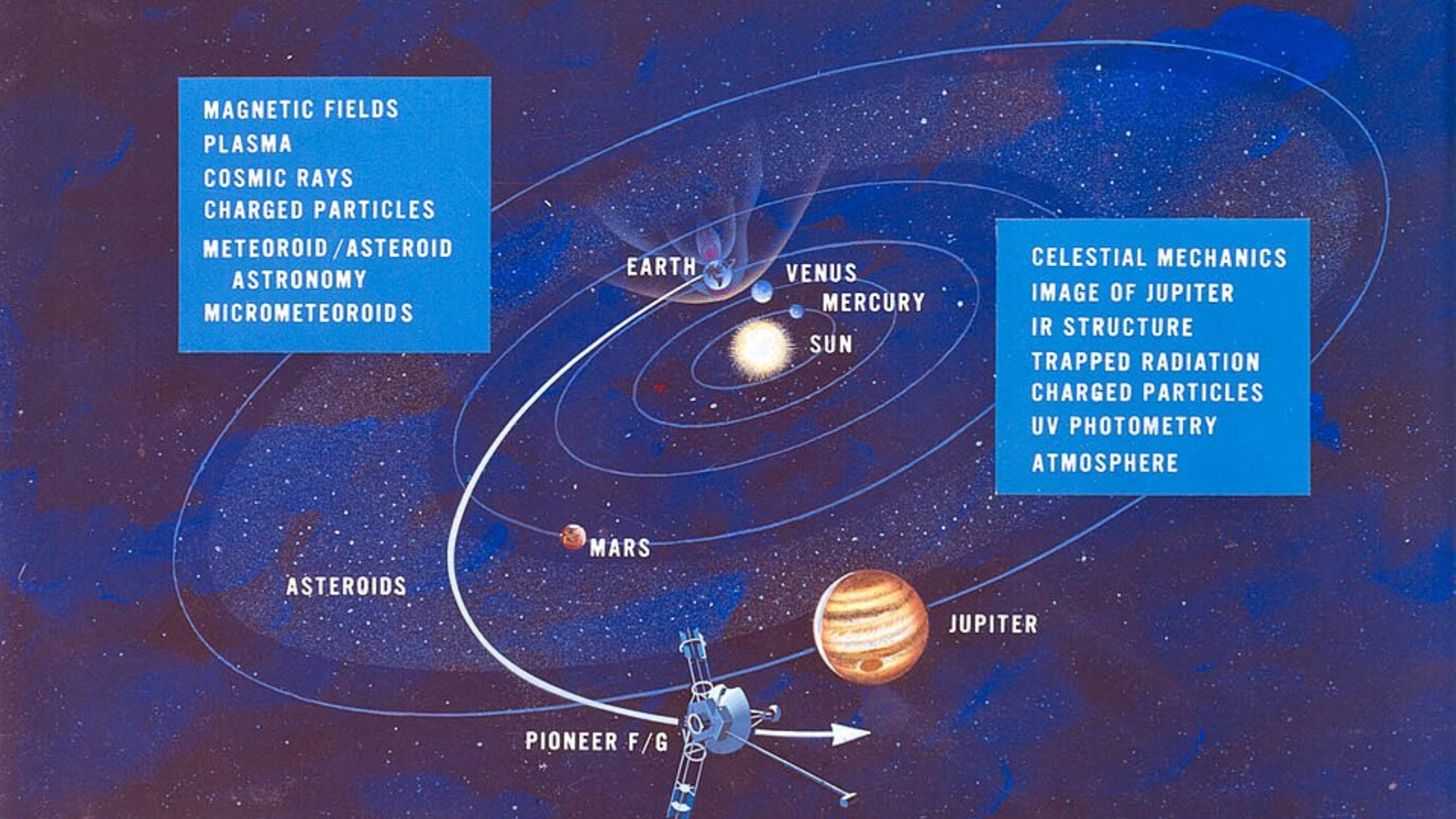
The breakthrough originated while Souza was studying the early orbital estimates of a near-Earth asteroid known as 2001 CA21. These preliminary asteroid trajectories are typically discarded once more accurate measurements become available. However, Souza noticed that the early calculations appeared to reveal unusual geometric alignments between Earth and Mars. What began as an investigation into asteroid motion unexpectedly revealed a potential shortcut through the solar system.
A Hidden Corridor Between Earth and Mars
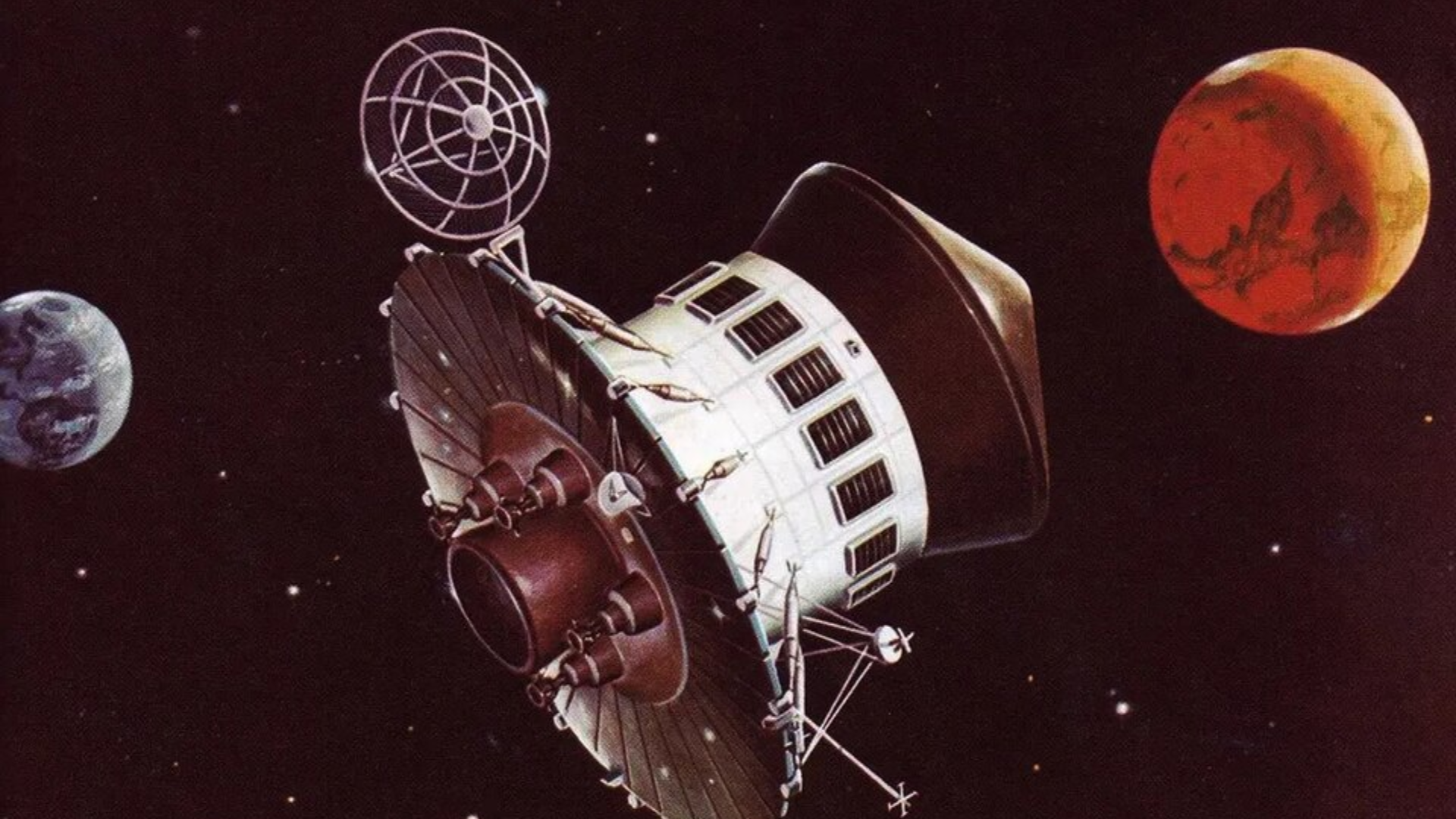
The proposed route relies on a special geometric corridor that appears during specific planetary alignments. Instead of following conventional transfer paths, spacecraft could potentially take advantage of this corridor to reach Mars much more quickly. Researchers believe the alignment creates opportunities for faster travel than traditional mission plans. The concept has been described as a hidden interplanetary highway that becomes available only during certain launch windows.
Why Mars Missions Take So Long Today

Traveling to Mars is difficult because Earth and Mars are constantly moving around the Sun. Mission planners typically rely on fuel-efficient routes known as Hohmann transfers, which can take seven to ten months just to reach Mars. A complete round-trip mission often stretches close to three years when waiting for favorable return opportunities. These long timelines increase mission complexity and astronaut health risks.
The 2031 Opportunity Stands Out
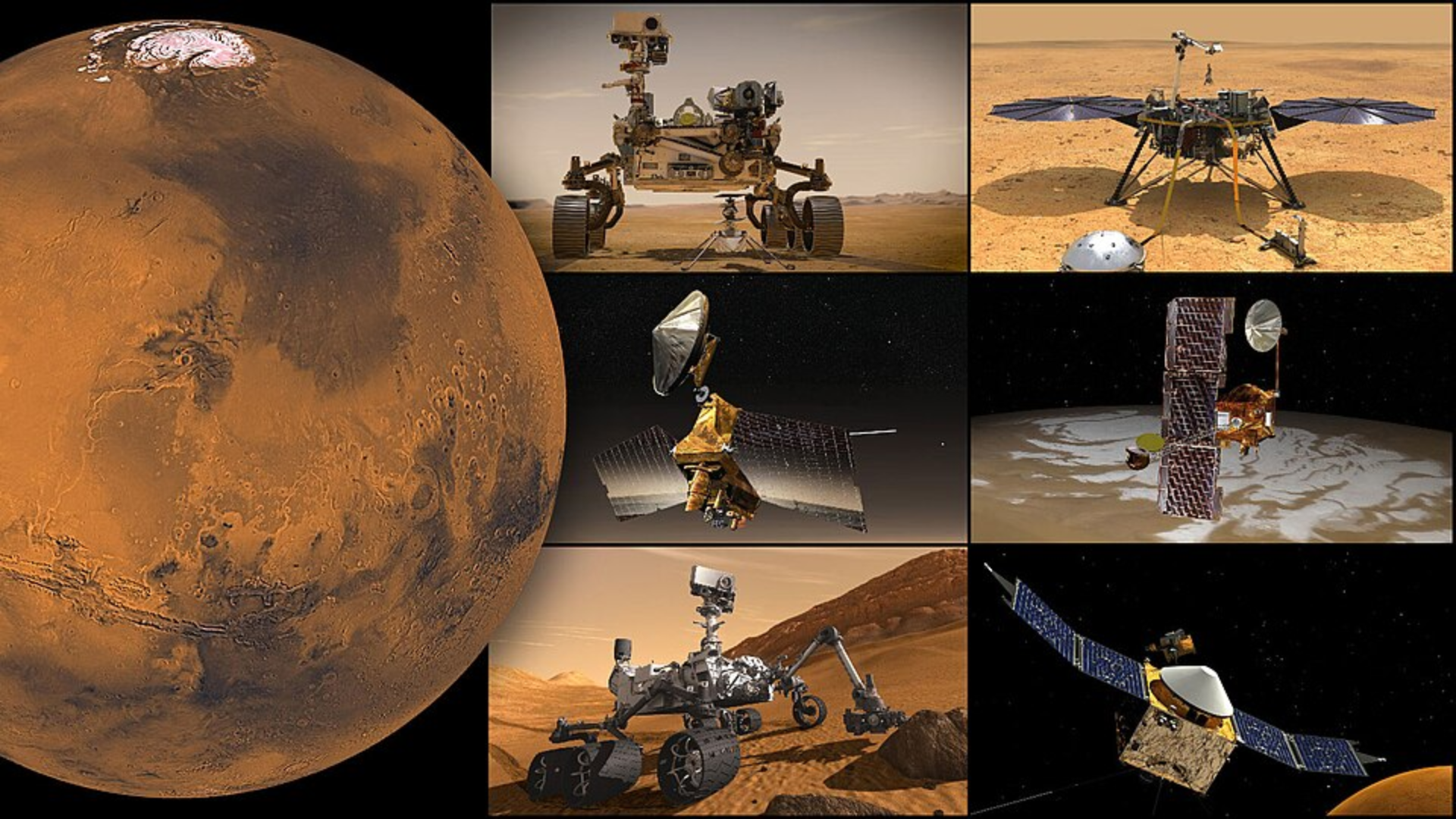
The study identified a particularly promising opportunity during the 2031 Mars opposition, when Earth and Mars will be positioned favorably relative to one another. According to the research, a mission departing in April 2031 could potentially return to Earth by September of the same year. The scenario includes a brief stay on Mars and would dramatically shorten the total mission duration compared to current expectations.
A Round Trip Could Take Just 153 Days
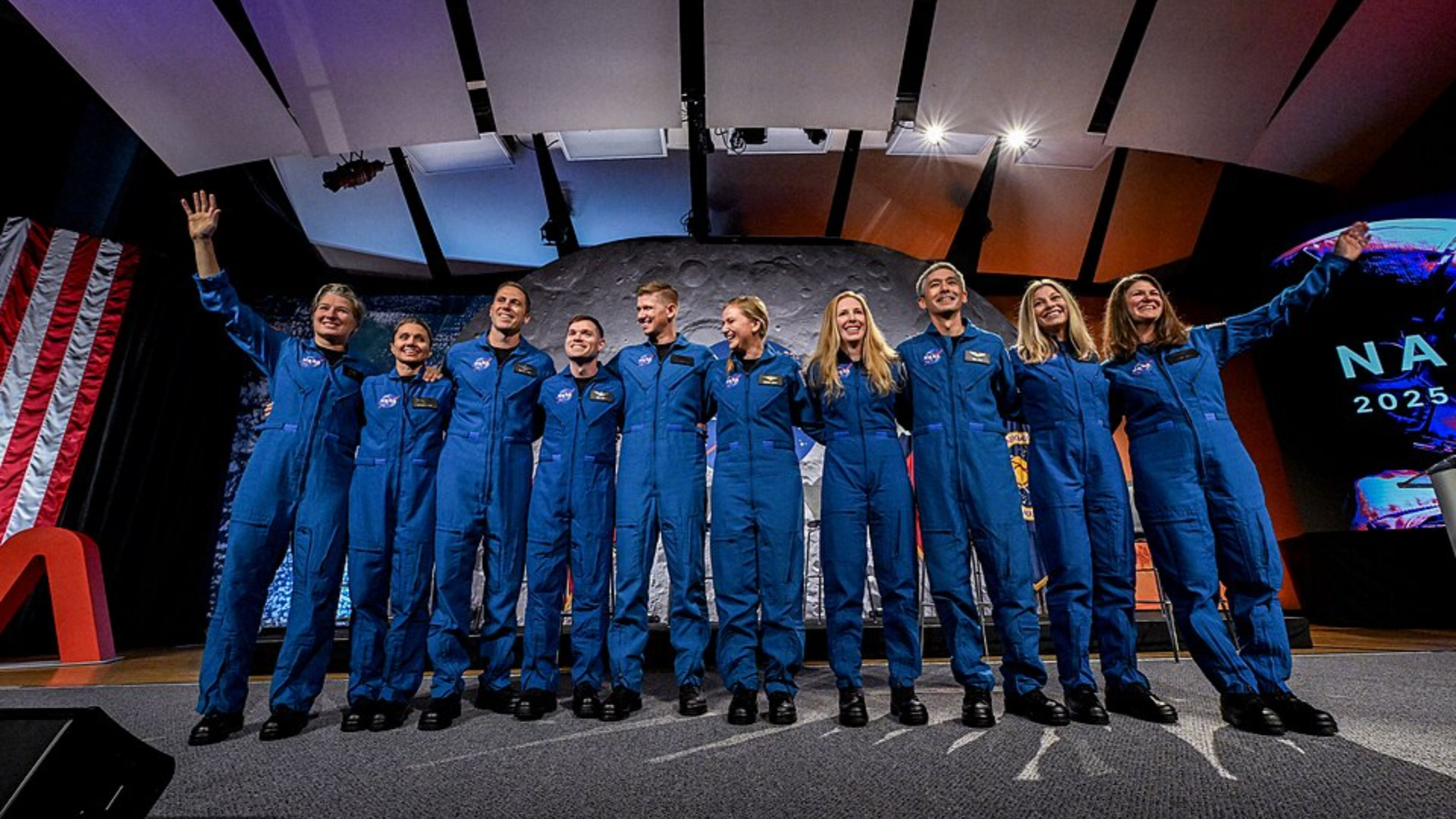
One of the most remarkable findings is the possibility of completing an entire round-trip mission in only 153 days. The study outlines an extreme rapid-transit scenario featuring a roughly 33-day journey to Mars and a return leg of about 90 days. Even a more practical version of the route could still cut mission times significantly compared to existing plans. Such reductions could transform how future space agencies approach human exploration.
Faster Travel Could Improve Astronaut Safety
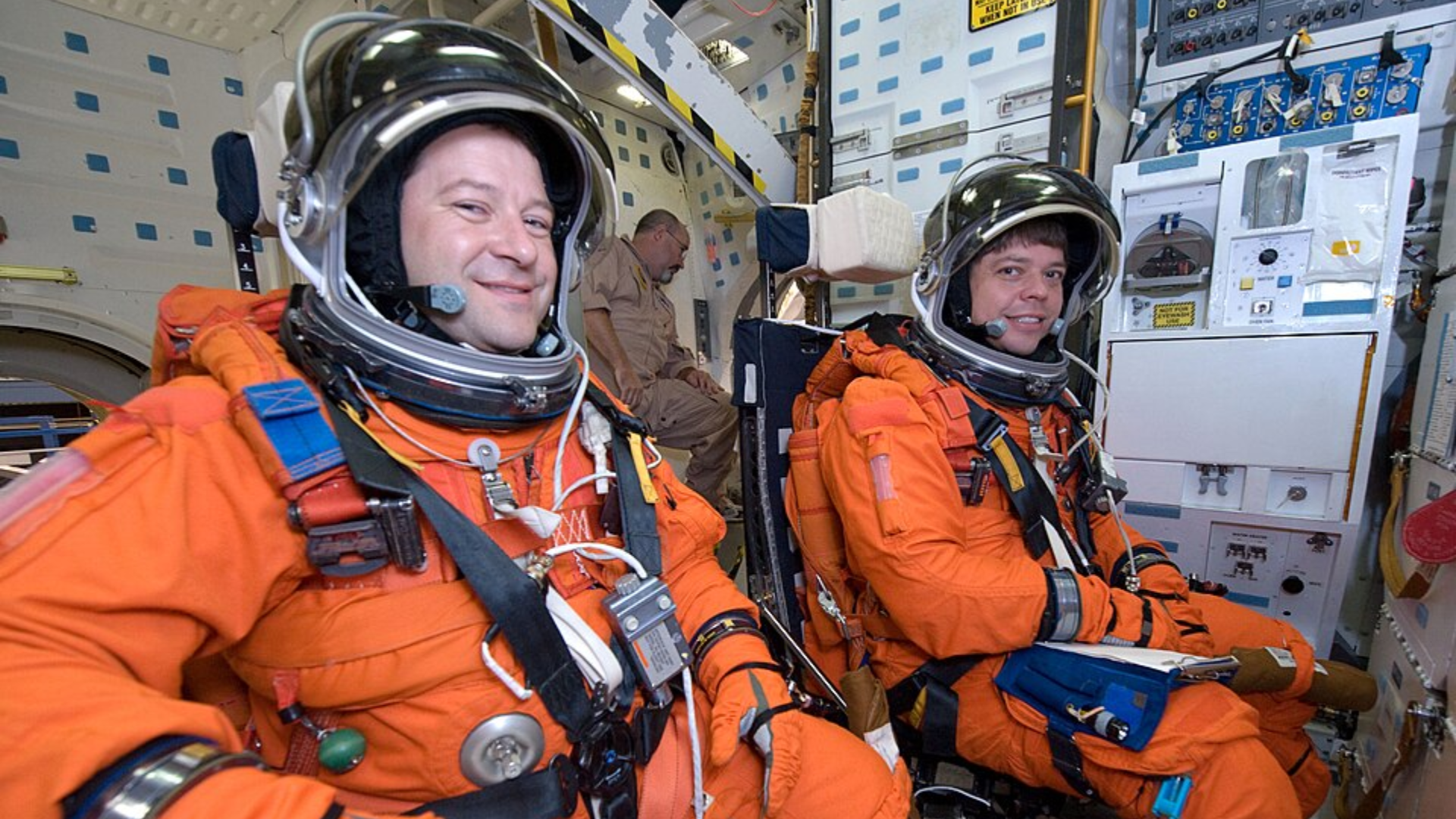
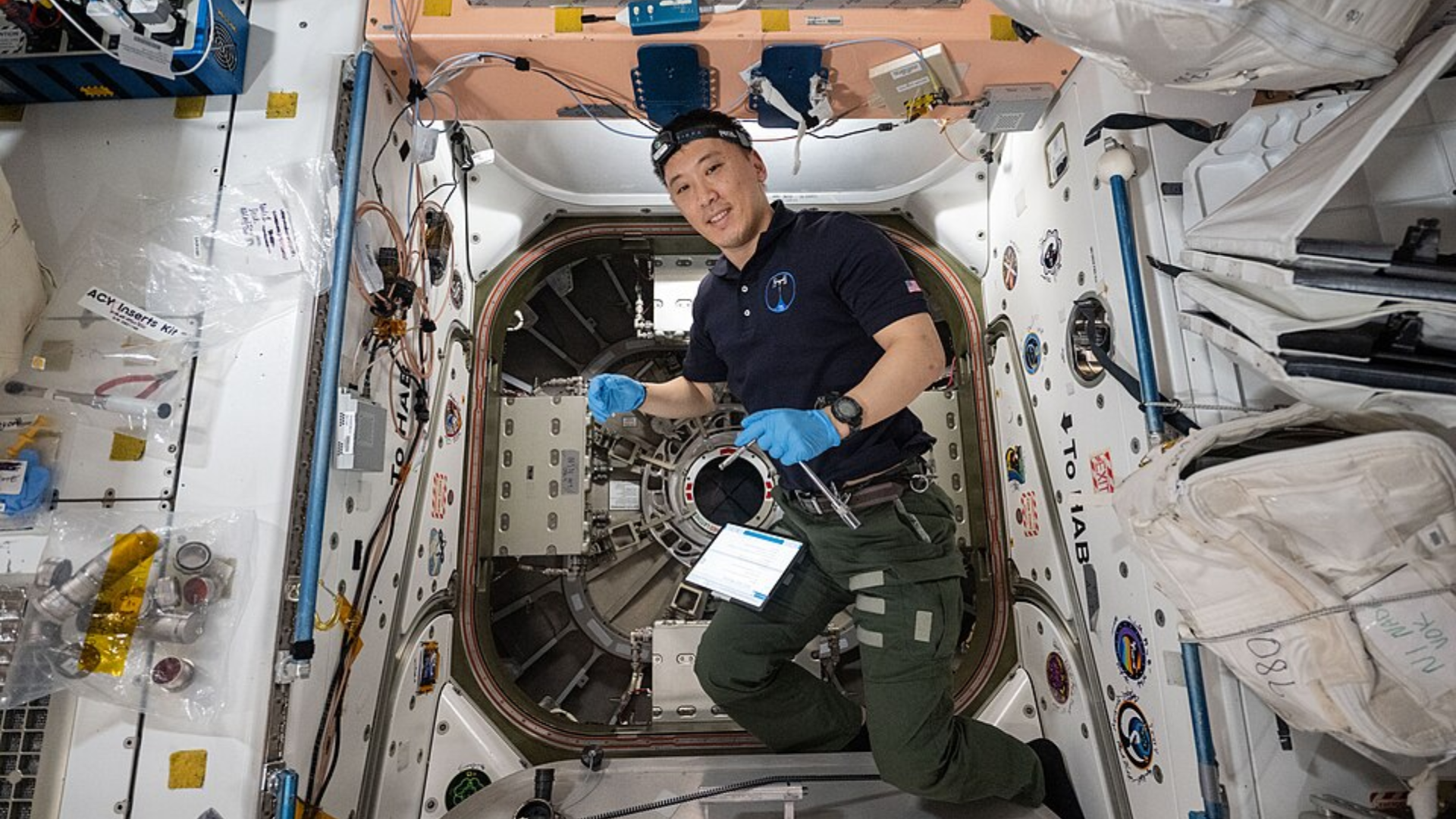
Reducing travel time is about more than convenience. Astronauts traveling to Mars face prolonged exposure to cosmic radiation, muscle loss, bone density reduction, and psychological challenges from long-term isolation. A mission lasting months instead of years could greatly reduce these risks. Shorter journeys may also lower the amount of food, water, and supplies that need to be carried onboard.
Major Technological Challenges Remain
Despite the excitement, the proposed shortcut remains largely theoretical. The fastest versions of the route would require spacecraft to travel at speeds far beyond the capabilities of current chemical rocket technology. Researchers acknowledge that future propulsion systems, including advanced nuclear technologies, may be necessary before such missions become practical. The discovery identifies the route, but building spacecraft capable of using it remains a separate challenge.
Future Spacecraft Could Benefit From the Research
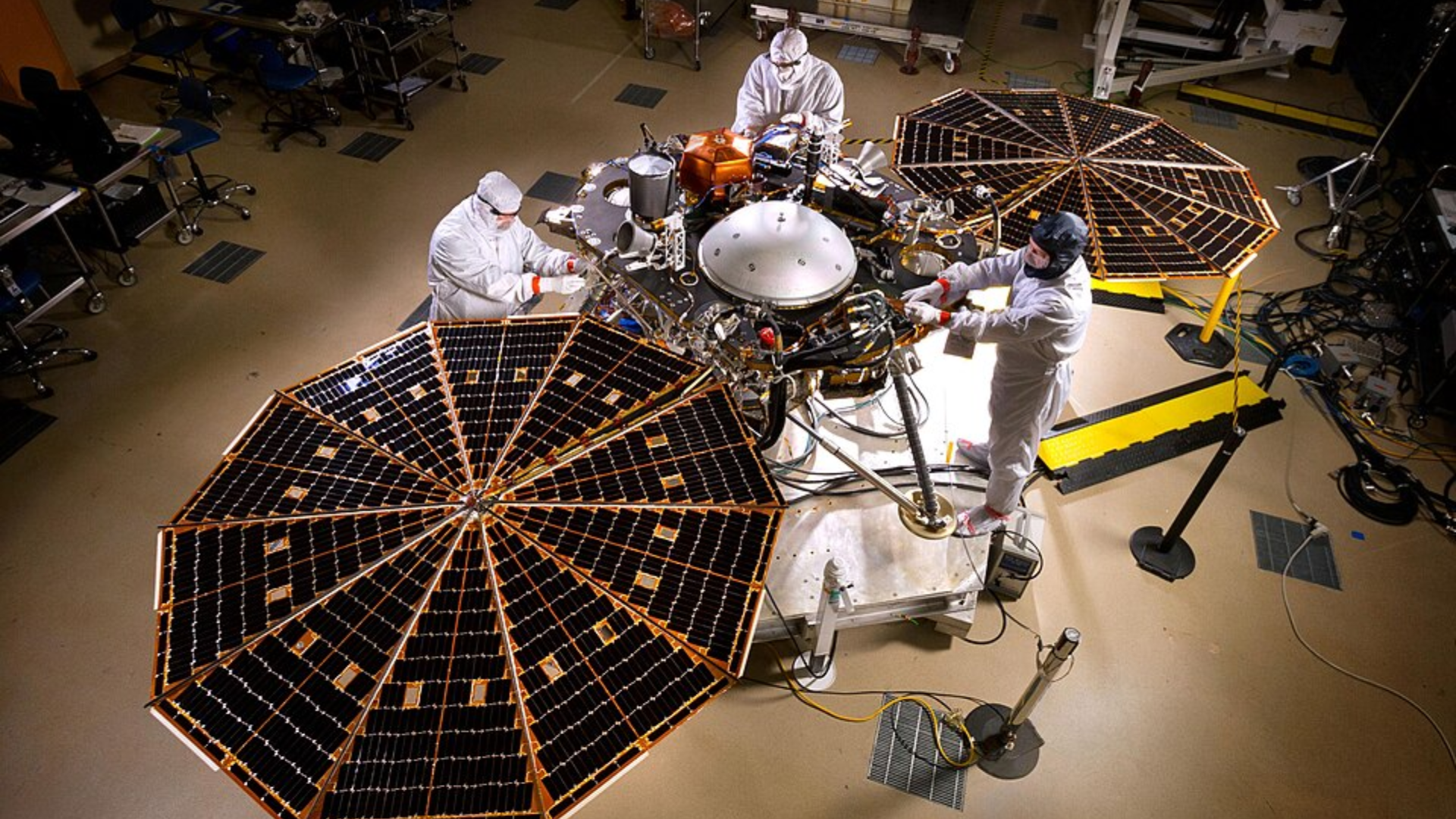
The findings could influence future mission planning by helping engineers identify faster trajectories during favorable planetary alignments. Space agencies and private companies continue developing more powerful spacecraft capable of reaching Mars. As propulsion technology improves, routes once considered impossible may become realistic options. Researchers believe this new approach could provide a valuable framework for future exploration efforts.
A New Way of Thinking About Mars Exploration
The discovery of a potential Mars shortcut emerged from an unexpected source: early asteroid trajectory data that most researchers would normally ignore. Marcelo de Oliveira Souza’s work suggests that hidden geometric pathways may exist throughout the solar system, offering opportunities for significantly faster interplanetary travel. While current technology is not yet capable of fully exploiting the most ambitious routes, the proposed 153-day round trip demonstrates how innovative thinking can reveal new possibilities for space exploration. If future spacecraft can take advantage of these pathways, missions to Mars may become far shorter and more practical than previously imagined.