School Vaccine Requirements Are Set by States, This Is What Parents Should Know


The national debate over childhood vaccines has become unusually complicated, but the question facing parents at enrollment time is more straightforward: What does my child’s school actually require? Even as federal vaccine recommendations shift, states retain authority over school-entry vaccination requirements. That means a change in Washington does not automatically add, remove, or alter the shots a student needs before walking into a classroom.
The Rules Start With The States
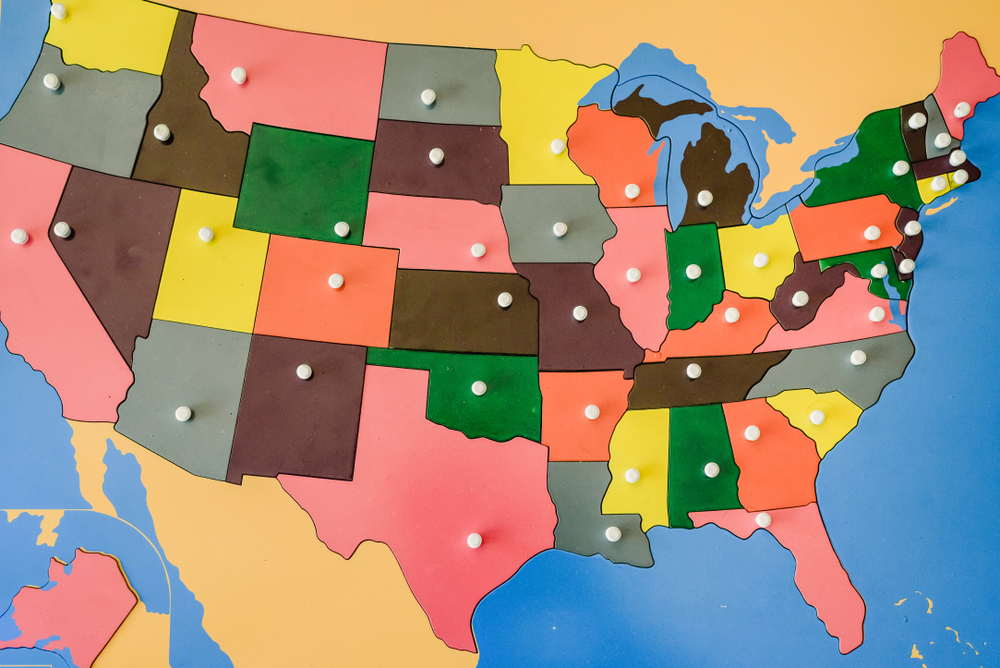
Every state has laws requiring certain vaccinations for school attendance, and the requirements are similar in some important ways. DTaP, which protects against diphtheria, tetanus and pertussis, and IPV for polio are required across all 50 states and Washington, D.C. States also broadly require vaccination against measles, rubella and chickenpox. Beyond that foundation, however, requirements can diverge considerably, which is why a vaccine requirement in one state cannot simply be assumed to apply in another.
Kindergarten Is Only One Checkpoint

The paperwork does not necessarily end after a child starts elementary school. Requirements can change as students get older. DTaP is required for kindergarten entry nationwide, while Tdap, the booster formulation generally given around ages 11 to 12, is required for middle-school entry in every state. Meningococcal vaccination is another common adolescent requirement: 36 states require an initial MenACWY dose for middle-school entry, while 26 require a later booster around age 16.
Not Every Recommended Vaccine Is Required
One source of confusion is the tendency to treat a medical recommendation and a school mandate as the same thing. They are not. Doctors may recommend vaccines that a state does not require for attendance. HPV vaccination, for example, is required for school entry in only a small number of jurisdictions, while influenza requirements are limited mainly to preschool in a few states. An August 2026 pediatric review also reported that no state had a school-entry mandate for COVID-19 vaccination.
Exemptions Create Another State-By-State Divide

What happens when a family seeks an exemption also depends heavily on location. All states provide medical exemptions, but nonmedical exemptions vary. California, Connecticut, Maine and New York do not allow nonmedical exemptions, according to reporting based on state policies, while most other states provide some form of religious or personal exemption. Mississippi began permitting religious exemptions following a federal court order in 2023, illustrating how courts as well as legislatures can reshape the rules families encounter.
More Families Are Using Those Exemptions

The exemption question has become more consequential because their use is rising. CDC data cited in August 2026 reporting showed that 4.2% of U.S. kindergartners had an exemption from at least one required vaccine during the 2025-26 school year, the highest share recorded and roughly twice the level of a decade earlier. That amounted to about 157,000 new schoolchildren without full coverage for at least one state-required vaccine, nearly 20,000 more than the previous year.
Measles Shows Why Coverage Levels Matter
School vaccine policies are not operating in an abstract policy debate. A pediatric review citing CDC figures through July 24 reported 2,318 confirmed U.S. measles cases in 2026, surpassing the 2,289 recorded during all of 2025. Seventy percent of the 2026 cases involved children and adolescents, and 93% of patients were unvaccinated or had unknown vaccination status. Meanwhile, MMR coverage among kindergartners stood at 92.4% in the 2025-26 school year, below the roughly 95% level associated with community protection against measles outbreaks.
Federal Guidance Is Adding A New Layer Of Confusion

The landscape became more complicated in 2026 as federal childhood vaccine recommendations changed and states began charting different courses. States have historically drawn heavily on CDC and Advisory Committee on Immunization Practices guidance, but that relationship is no longer uniform. CNN reported that 28 states had announced they would no longer follow federal vaccine recommendations, with many instead looking to the American Academy of Pediatrics. The result is an unusual situation in which federal recommendations, professional medical guidance and state requirements may not perfectly align.
Parents Can Avoid A Last-Minute Enrollment Scramble
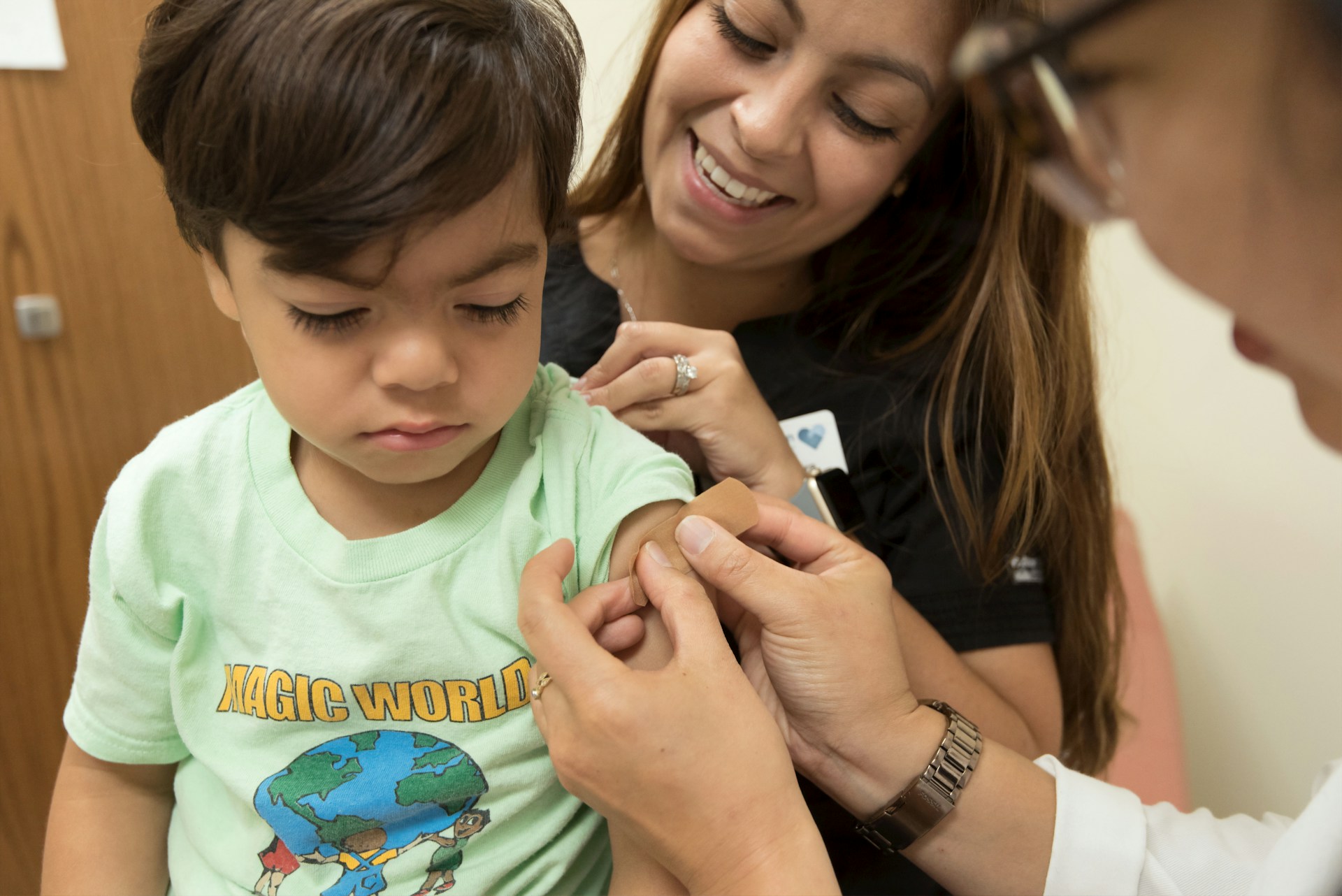
For families, the practical task is to work backward from the first day of school. The National Foundation for Infectious Diseases recommends finding the child’s immunization record, comparing it with current state requirements, scheduling appointments early and obtaining updated documentation for the school. Children who have fallen behind may be able to use a catch-up schedule rather than restart a vaccine series. Community health centers, health departments and school-based clinics may also offer free or lower-cost vaccinations.
This Year’s Answer May Not Be Next Year’s
For parents, the safest assumption is that school vaccine requirements are something to verify, not remember. State legislatures can change exemption laws, health departments can revise regulations and courts can alter how existing rules are applied. Federal recommendations may continue changing as well, but they remain distinct from the state rules governing school entry. Before each school year or major grade transition, families can check directly with their school and state health department, then take that information to their child’s healthcare professional. In a rapidly changing policy environment, the current local rule is the one that determines what happens at the schoolhouse door.