Scammers Have a New Way to Fool Americans, and Their Tricks Are Getting More Personal

Nearly everyone in America has now been targeted by a digital scam, and artificial intelligence is making those scams harder to spot. A new report from Consumer Reports, Aspen Digital, and the Global Cyber Alliance found that 9 in 10 Americans have encountered at least one cyberattack or scam attempt. About 17 percent say they have actually lost money, with experts warning the problem is only beginning to grow.
The Survey Behind the Numbers Covered 4,682 Adults
The findings come from the fifth annual Consumer Cyber Readiness Report, released at the start of Cybersecurity Awareness Month this October. Consumer Reports surveyed a nationally representative sample of 4,682 U.S. adults in March and April 2026, asking how they manage their digital security and how often they’ve faced scams, hacked accounts, or data breaches.
How You Pay Can Decide Whether You Get Your Money Back
The 17 percent figure for money lost breaks down in a meaningful way. Roughly 10 percent of Americans said they lost money permanently, while another 7 percent lost money only temporarily, recovering it later, often depending on the payment method they used at the time. That recovery gap shows how much the way someone pays can affect their chances of getting a refund.
“It Is Truly Everyone Now,” a Consumer Reports Fellow Says

Stacey Higginbotham, a Consumer Reports cybersecurity fellow, said the old stereotypes about who falls for scams no longer apply. “People have stereotypes about who gets scammed, but it is truly everyone now, and AI is just going to accelerate that,” she told CBS News. “I don’t think we’ve seen even the beginning with the number and quality of scams reaching people.”
AI Makes Scams Cheaper to Run and Easier to Personalize
AI is changing scams primarily by making them cheaper and faster to run, according to experts. Technology that once required real time and effort to carry out now lets scammers quickly synthesize stolen information into personalized traps. “AI allows scammers to make better use of the personal data they have on consumers, and lowers the cost of reaching even more people,” Higginbotham said.
You Couldn’t Personalize 50 Phishing Messages Before AI

Colin Ferris, a cybersecurity expert at Silverfort, explained why personalization matters so much. “Prior to AI, the level of effort required to personalize something was too great. You couldn’t personalize 50 phishing messages; it was too much work,” he told CBS News. Higginbotham noted roughly one in five scams now includes some kind of customization, a share expected to climb quickly.
Even Careful, Tech-Savvy People Can Get Fooled Now

Even careful, tech-savvy people can get caught off guard by this newer generation of scams. Someone wary of phishing emails with obvious spelling errors could still fall for an AI-enabled scam using deepfake technology. A scammer with a stolen home address from a data breach, for example, could pose as a lender and offer a tempting mortgage rate to match.
“No One Can Outsmart That Alone,” Consumer Reports’ CEO Says

Consumer Reports leadership framed the problem as bigger than any single individual’s vigilance could solve. “Nine in ten Americans have been targeted by a scam or cyberattack. That’s not a statistic, that’s almost everyone we serve,” said president and CEO Phil Radford. “AI is making fraud faster, cheaper and more personal, and no one can outsmart that alone.”
Two-Factor Authentication Has Gone From Optional to Essential
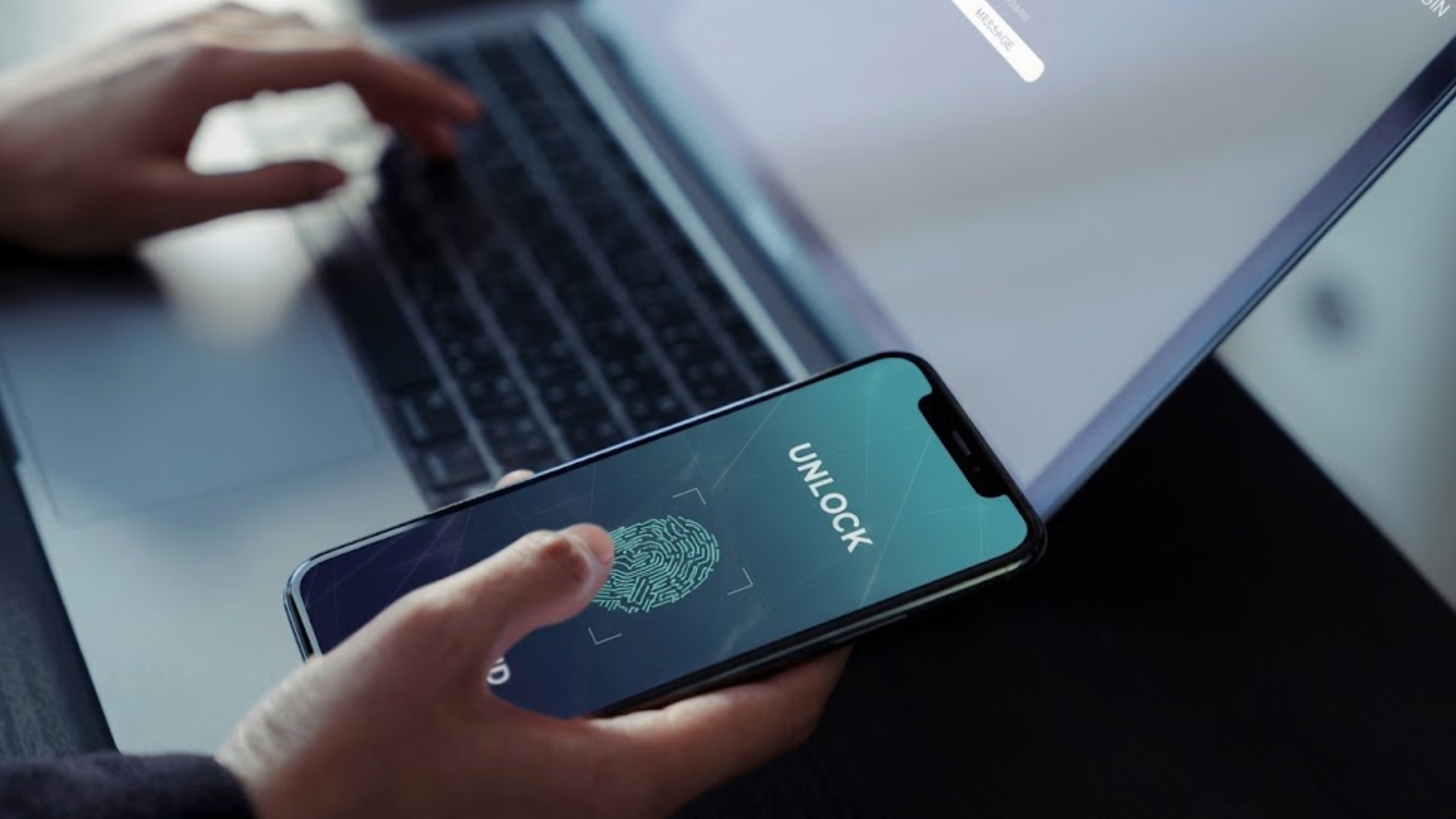
Basic security measures that once seemed redundant or optional have become essential, experts say, with two-factor authentication near the top of that list. Brian Cute, president and CEO of the Global Cyber Alliance, cautioned that personal precautions alone aren’t enough, since they “can’t stop the abuse coming from upstream via insecure routing and maliciously registered domain names.”
A Nine-Second Pause Could Be Your Best Defense

One simple, low-tech habit can still make a real difference. An initiative called Take9 encourages people to pause for nine seconds before clicking, downloading, or sharing a link, or before responding to a suspicious text or email. The report also calls for stronger accountability from companies and governments, pointing to proposals like the bipartisan SCAM Act, which would hold social media platforms more responsible for scams.