San Francisco Rethinks Tax on Empty Grocery Stores as Food Access Concerns Grow
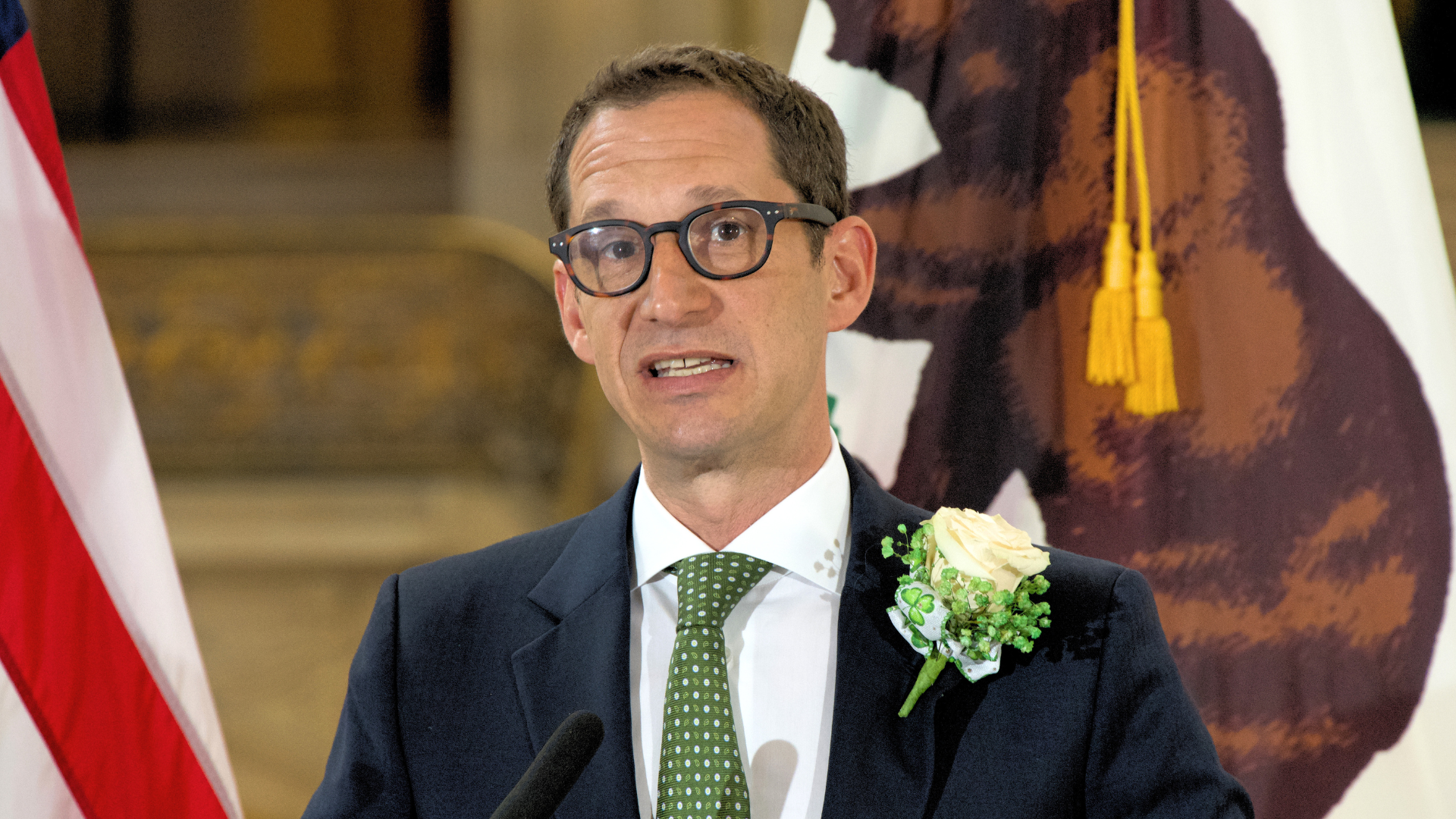

San Francisco officials are reconsidering a proposal that would impose taxes on long-vacant grocery store properties after concerns emerged about its potential impact on neighborhoods already struggling with food access. The measure was originally intended to encourage property owners to fill empty retail spaces more quickly, but critics argue it could create unintended consequences without addressing the reasons grocery stores have closed. The renewed debate comes as many communities continue searching for reliable access to affordable fresh food.
Why the Tax Was Originally Proposed
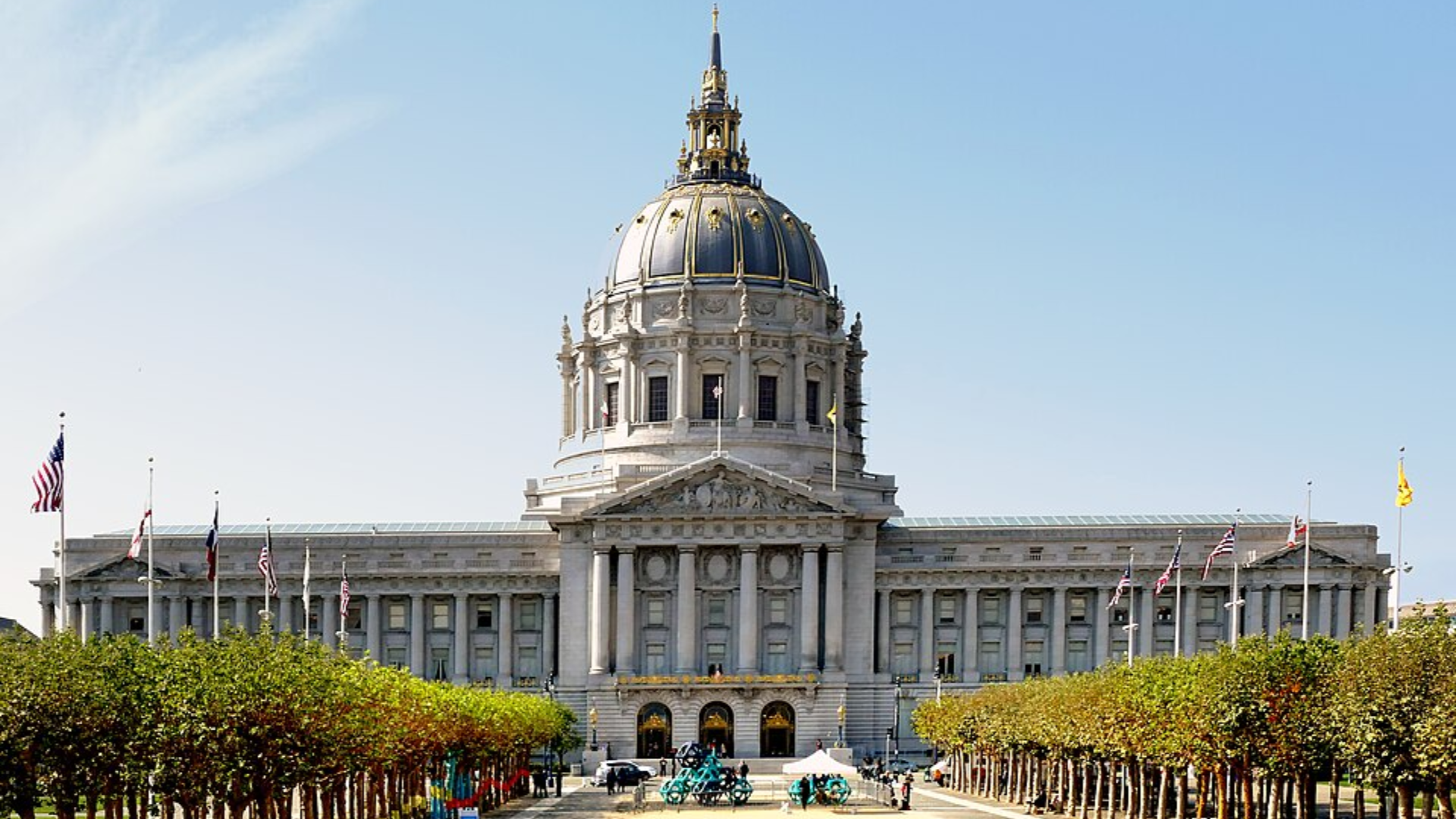
The proposal sought to discourage landlords from leaving large grocery properties vacant for extended periods. Supporters believed a financial penalty would motivate property owners to attract new tenants faster, helping reduce empty storefronts and revitalize neighborhoods. City leaders hoped the measure would also discourage speculative property holding while encouraging economic activity.
Grocery Store Closures Have Raised Food Access Concerns

Several San Francisco neighborhoods have experienced grocery store closures in recent years, forcing some residents to travel farther for fresh food and household essentials. Community advocates say these closures have disproportionately affected seniors, lower-income households, and people without reliable transportation. As vacant supermarkets remain empty, concerns about food deserts have become more prominent.
Officials Are Now Taking a Second Look

Rather than moving forward immediately, city leaders are reevaluating whether the proposed tax would achieve its intended goals. Some policymakers have questioned whether penalizing vacant properties alone would solve the broader challenges facing grocery retailers, including rising operating costs, labor expenses, and changing consumer shopping habits. The review could lead to revisions or alternative strategies.
Property Owners Cite Broader Economic Challenges
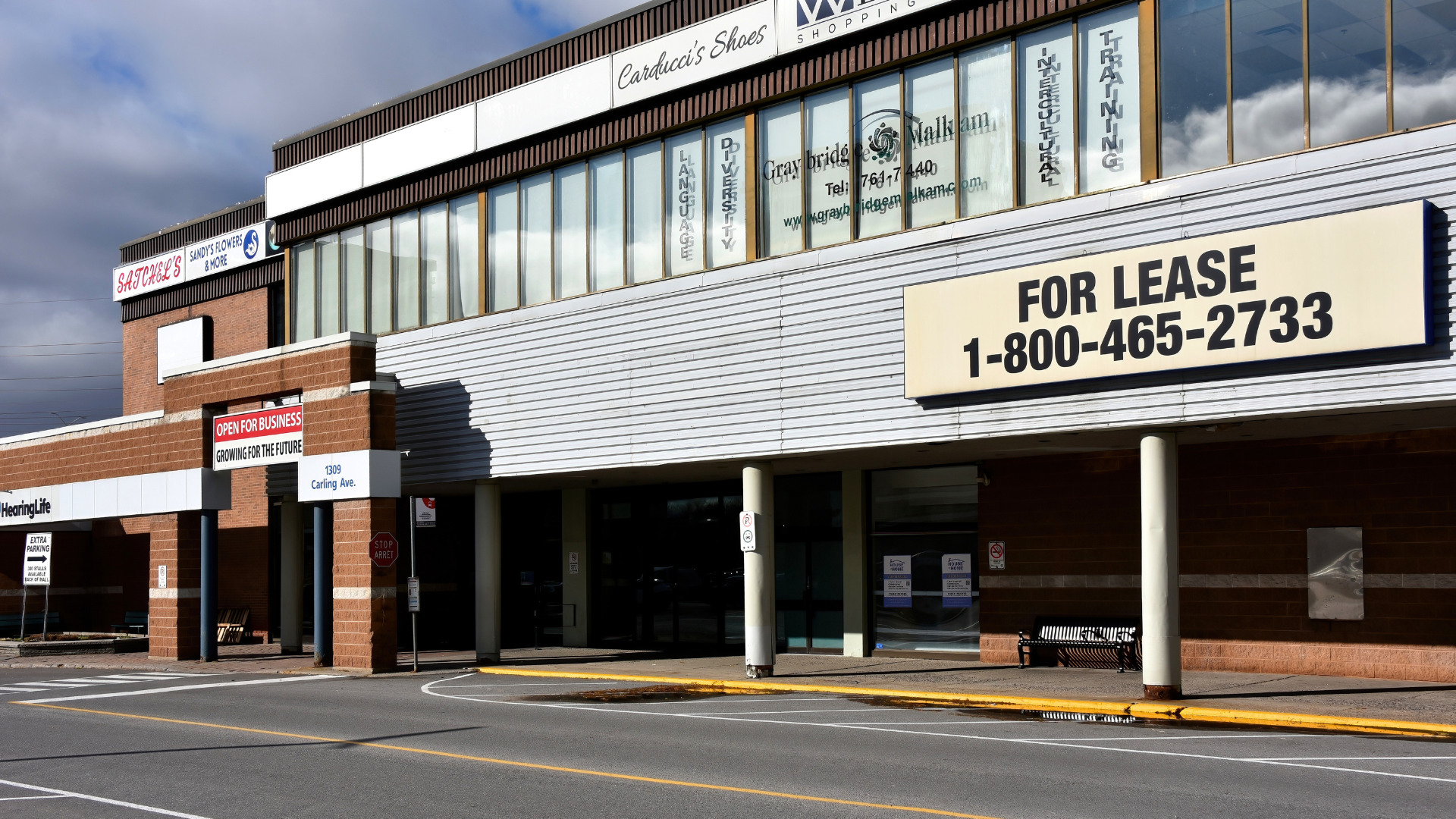
Many commercial property owners argue that filling large grocery spaces has become increasingly difficult because fewer supermarket chains are expanding aggressively. Rising construction costs, financing challenges, insurance premiums, and changing retail demand have all contributed to longer vacancy periods. Owners say these market conditions cannot always be solved through additional taxes.
Grocery Chains Face Financial Pressures

The grocery industry has faced numerous challenges, including inflation, supply chain disruptions, increased labor costs, and competition from warehouse clubs, discount retailers, and online grocery services. These pressures have caused some companies to close underperforming locations or delay expansion plans. City officials recognize that attracting new grocery tenants may require addressing broader business conditions.
Community Groups Want More Long-Term Solutions

Local organizations have urged city leaders to focus on expanding access to healthy food rather than relying solely on financial penalties. Suggestions have included offering incentives for grocery retailers, supporting independent markets, improving transportation to food stores, and encouraging mixed-use developments that include supermarkets. Many believe a combination of policies may produce better long-term results.
The Decision Could Influence Other Cities

Urban areas across the country continue to grapple with vacant retail properties and changing shopping patterns. Other cities are closely watching San Francisco’s debate because similar challenges exist elsewhere. If officials ultimately revise or abandon the proposal, it could influence how municipalities approach commercial vacancies and food access in the future.
What Happens Next
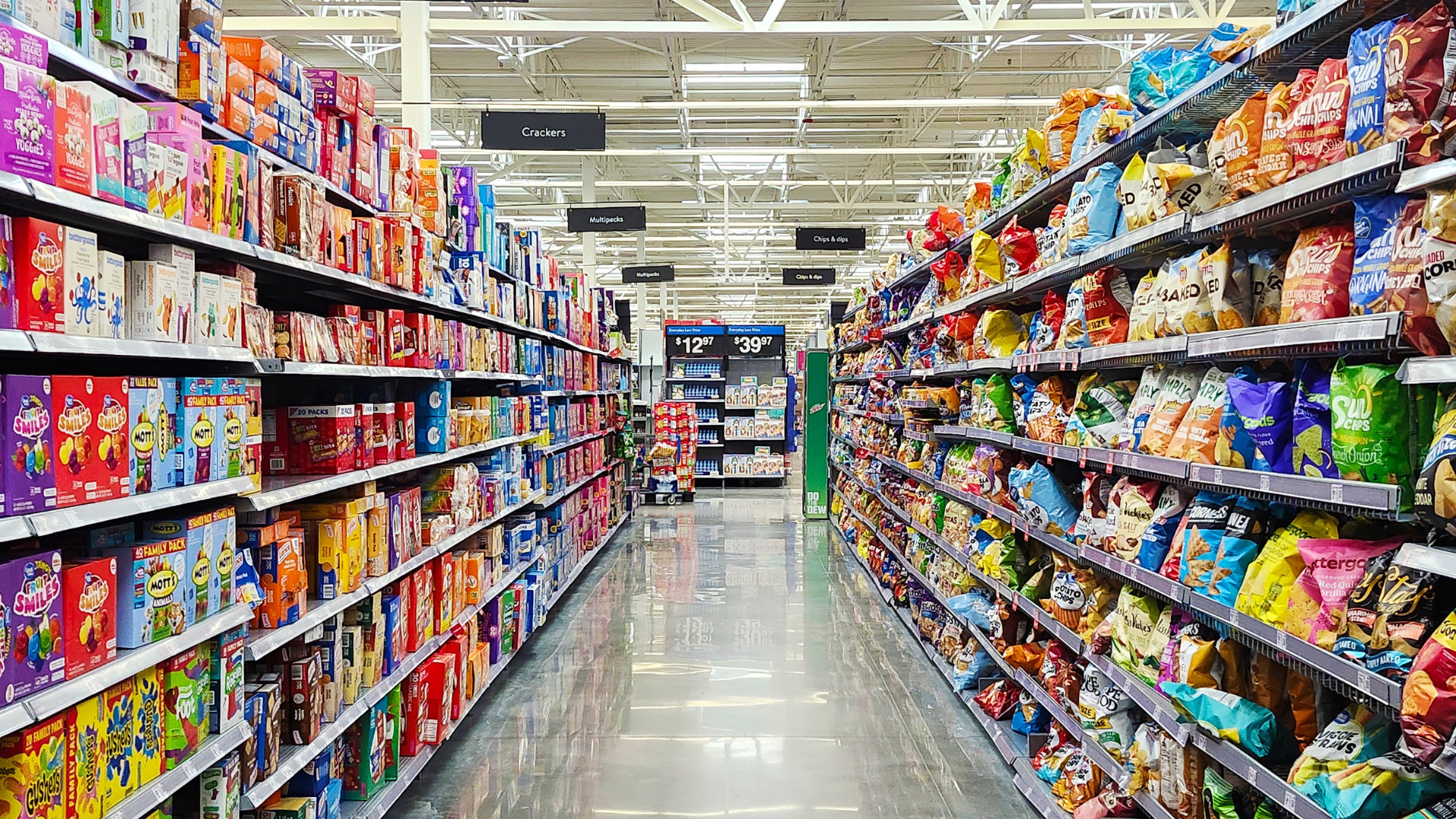
The proposal remains under discussion, and city leaders are expected to gather additional feedback from residents, business owners, and community organizations before making a final decision. Public hearings and committee reviews will help determine whether the tax moves forward, is modified, or is replaced with a different approach. The outcome could shape San Francisco’s strategy for revitalizing vacant grocery properties while protecting neighborhood access to food.
Balancing Economic Growth With Food Access

San Francisco’s debate over taxing vacant grocery stores highlights the difficult balance between encouraging commercial development and ensuring residents have convenient access to nutritious food. While supporters believe financial incentives can reduce long-term vacancies, critics argue that broader economic challenges must also be addressed to attract new grocery businesses. As officials continue evaluating the proposal, the city’s decision could become an important example for communities nationwide seeking solutions to vacant retail spaces and growing food access concerns.