San Diego Cut Its Water Imports From 95% to 10% and Now Arizona and Nevada Are Buying Its Surplus
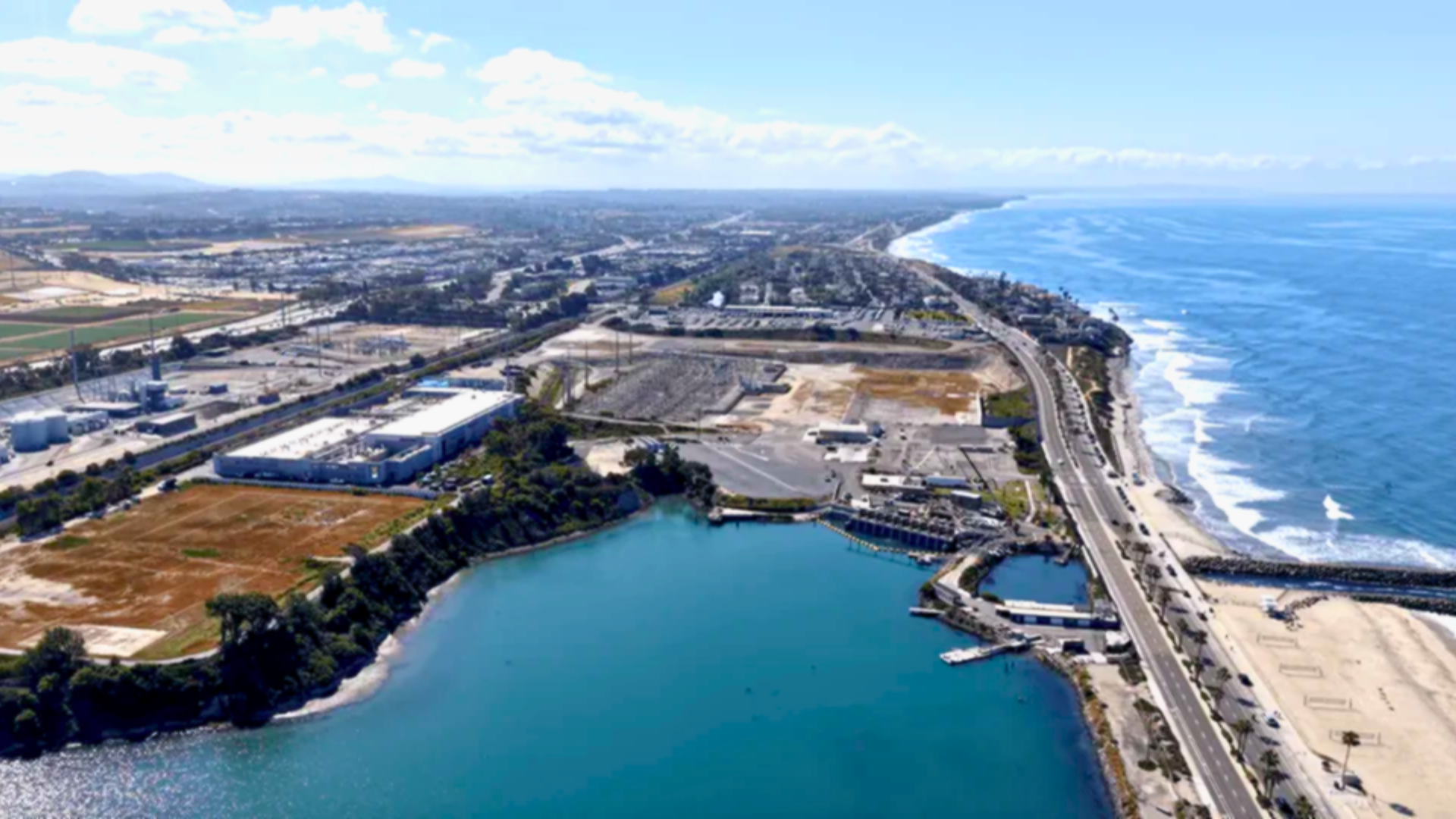

Thirty years ago, San Diego lost a third of its water supply during a five-year drought and made a decision that now looks remarkably prescient. The city vowed never to be that dependent on outside water sources again. It spent billions building the largest ocean desalination plant in North America, raised the height of a dam to double its storage capacity, and acquired rights to conserved Colorado River water from a desert farming district. The result: San Diego slashed its water imports from 95% to just 10%. Now, with the Colorado River in crisis, Arizona and Nevada want to buy what San Diego has left over.
Both desert states are pursuing a deal with the San Diego County Water Authority to access millions of gallons of fresh water produced by the Carlsbad desalination plant. The proposed arrangement would not involve physically shipping water. Instead, the parties would trade access rights. Arizona and Nevada would fund a portion of the estimated 56,000 acre-feet of water the plant produces annually in exchange for San Diego’s share of the Colorado River. If the deal receives federal and other necessary approvals, it could supply enough water for approximately 500,000 people.
John Entsminger, general manager of the Southern Nevada Water Authority, is set to sign an exploratory agreement with San Diego alongside his counterpart at Arizona’s Department of Water Resources. His description of the approach was direct: “It’s not a silver bullet but several pieces of silver buckshot.” That framing captures where water management in the American West currently stands. No single solution exists for a crisis built over decades of population growth, warming temperatures, and shrinking snowpack. What does exist is a growing network of cross-state deals, desalination projects, and recycled water programs being assembled piece by piece.
The Colorado River Crisis That Is Forcing States to Find Alternatives
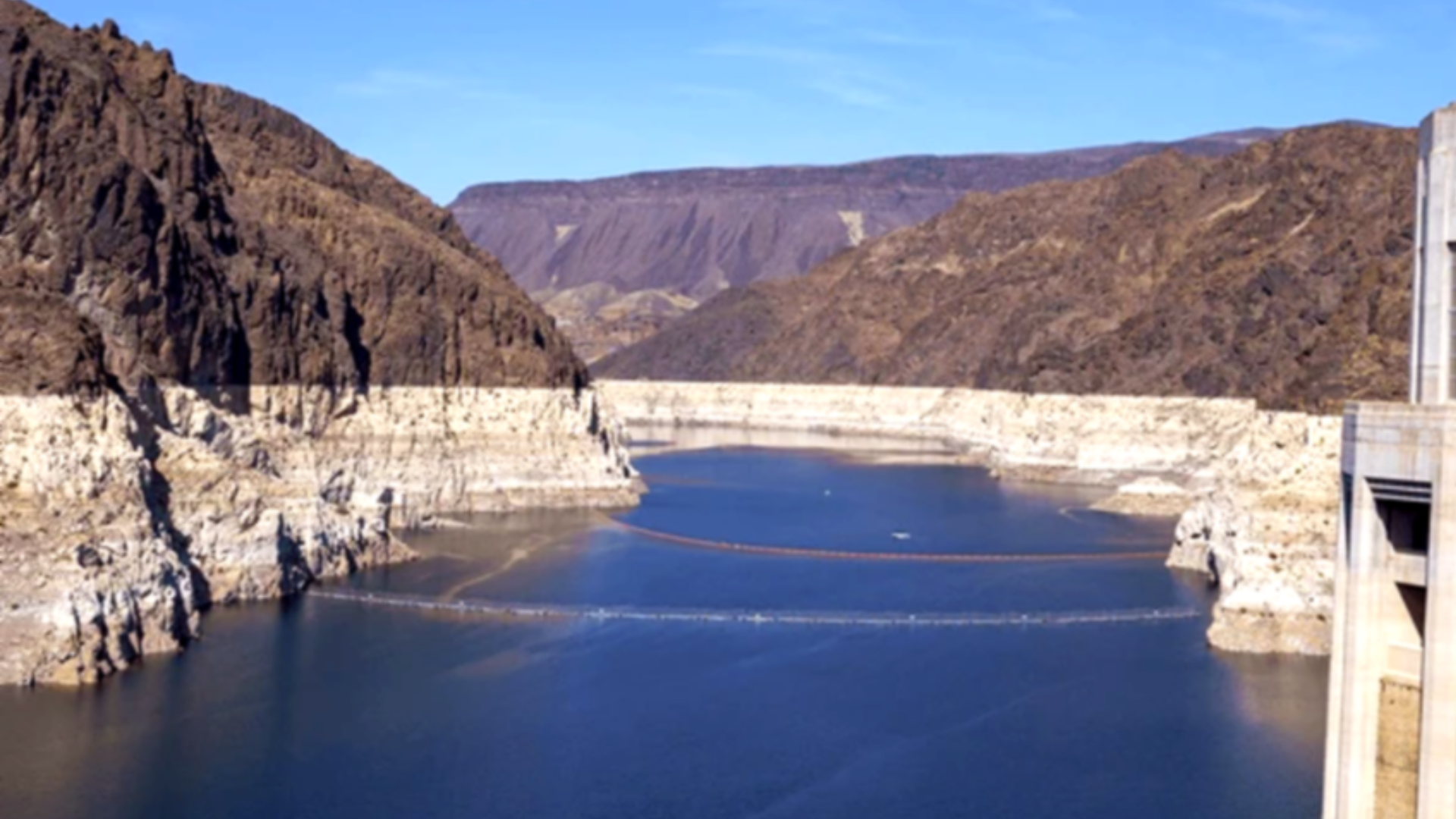
The Colorado River supplies water to 40 million people across seven states. It is in serious decline. Lake Mead, the river’s largest reservoir and the primary water source for Nevada and Arizona, now sits at an elevation of 1,060 feet, down 166 feet from its 1983 peak. Nearly 30 feet of that drop has occurred in just the past five years. A poor snowpack in the Rocky Mountains this past winter means the reservoir is forecast to keep falling. The river that the American West was built around is no longer a reliable foundation for the population and agricultural demands placed on it.
Arizona has already cut its water consumption by nearly a third in response to mandatory and voluntary restrictions, and additional reductions are expected. The search for alternatives is no longer a long-term planning exercise. It is an immediate operational necessity. Water transfers, once considered unconventional tools for managing regional shortages, are becoming standard practice across the West. More of these deals are crossing state lines, and water agencies are actively developing new supplies specifically for trade, including recycled sewage water and ocean desalination. The San Diego deal represents the most prominent example of that shift so far.
Nevada and Arizona are also partnering with the Metropolitan Water District of Southern California on a separate project: a plant in Los Angeles County capable of treating up to 165,000 acre-feet of sewage water per year, enough for a city of 1.5 million people, for the benefit of all three states. Utah has expressed interest in investing in additional Pacific Ocean desalination plants, with the goal of securing more Colorado River rights from California, which holds the largest allocation of any state. In February, California Governor Gavin Newsom sent a letter to Utah Governor Spencer Cox describing that idea as a good one.
How San Diego Built Itself Into a Water Surplus and Became a Broker
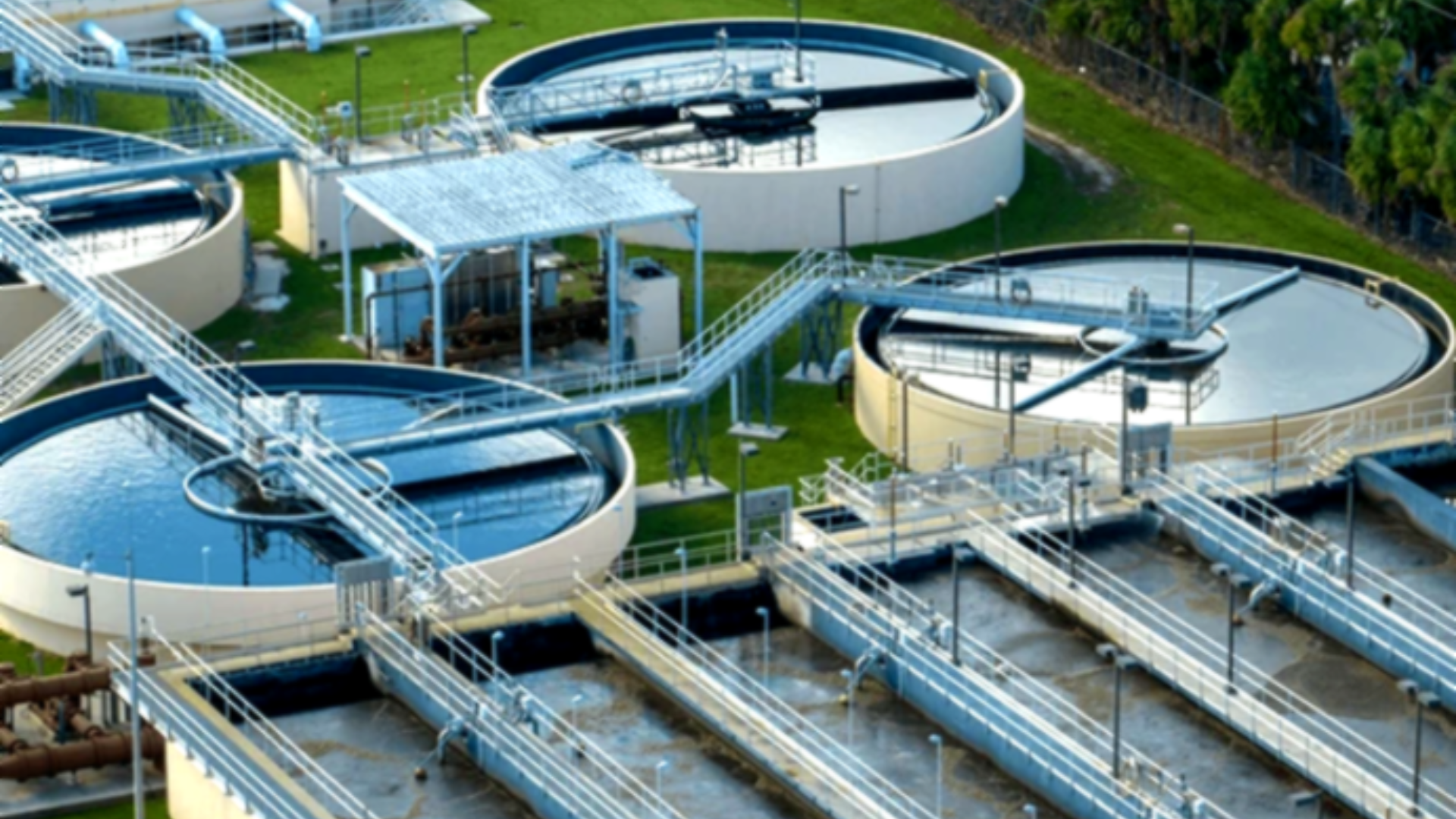
San Diego’s transformation from a water-dependent city to a water seller did not happen quickly or cheaply. The 1987 to 1992 drought was the catalyst. When the city lost a third of its imported water allocation, the response from local leaders was unambiguous. “The cry was ‘never again,'” said Bob Yamada, the water authority’s former head of water resources. Over the following three decades, the authority invested billions of dollars in infrastructure designed to make the city self-sufficient. The Carlsbad desalination plant, the enlarged dam, and the acquisition of conserved Colorado River water rights were all part of that strategy.
The investment came with a trade-off. San Diego’s water rates rose significantly as the city paid for its independence. But the outcome justified the cost in ways that are now visible across the region. San Diegans have cut their per capita water use by nearly 50% over the past 25 years. The city has largely avoided the water restrictions that have hit other areas during recent droughts. And as supply grew while consumption fell, the authority found itself in a position no one had fully anticipated: it had more water than it needed. Nick Serrano, now board chair of the water authority, recognized that surplus as a financial opportunity. “My North Star is about affordability, and the way we can achieve that is we have an excess of water,” he said.
The city’s recycled water program, branded as “Pure Water San Diego,” has added another layer to the surplus. The recycled water is already being used commercially, including by local craft breweries who favor its low mineral content. AleSmith Brewing Co. used it to produce its sold-out Re:Beer, described as “a crisp, dry-hopped lager.” The recycled water program will free up additional supply as it expands, giving the water authority more to work with as it builds out its role as a regional water broker. What began as a survival strategy after a drought has become a model that other cities in water-stressed regions are watching closely.
New Technology and What the Future of Water Supply in the West Could Look Like

The Carlsbad plant is not the only desalination project being developed in the region. In Santa Monica Bay, a group of agencies is planning to test new technology that removes salt from water offshore rather than on land, which could reduce both the cost and the environmental complications that have historically slowed California’s desalination efforts. The project, led by the Las Virgenes Municipal Water District and OceanWell Co., involves submerging pods roughly the size of school buses more than 1,200 feet below the ocean surface. A prototype was recently tested at the Las Virgenes reservoir.
Robert Bergstrom, OceanWell’s founder and CEO, described the long-term goal as building a “water farm” consisting of multiple pods capable of supplying multiple public agencies. The potential to produce a surplus and sell it is built into the project’s design from the start. Peter Fiske, a manager at the Energy Department’s National Alliance for Water Innovation, sees the broader trajectory clearly. “There are going to be a lot of water utilities saying, ‘Hey, I’m not using all the capacity in my plant, maybe I can sell it to Arizona,'” he said. The shift from water scarcity as a local problem to water surplus as a tradeable commodity is already underway.
Gary Arant, former longtime general manager of the Valley Center Municipal Water District in north San Diego County, described the emerging consensus among water managers in direct terms. “I think we’re moving to a realization. You’ve got to be able to move water from where it is to where it’s needed.” That principle, simple in theory and enormously complex in practice, is now driving billions of dollars in infrastructure investment, cross-state negotiations, and experimental offshore technology across the American West. The Colorado River is not recovering. The 40 million people who depend on it are not moving. The water has to come from somewhere, and San Diego’s answer to that question is becoming a model for what comes next.