Ruthless Rules Every Hells Angels Members Has to Follow


The Hells Angels have roared through American culture since 1948, building one of the most infamous motorcycle clubs in history. With over 467 charters spanning the globe, they’ve perfected a system of rules that govern everything from what bikes members ride to how they mourn their dead. Despite their outlaw reputation, the Angels operate under a strict code that demands absolute loyalty, unwavering commitment, and adherence to traditions that have barely changed in decades.
Never Ask How to Join
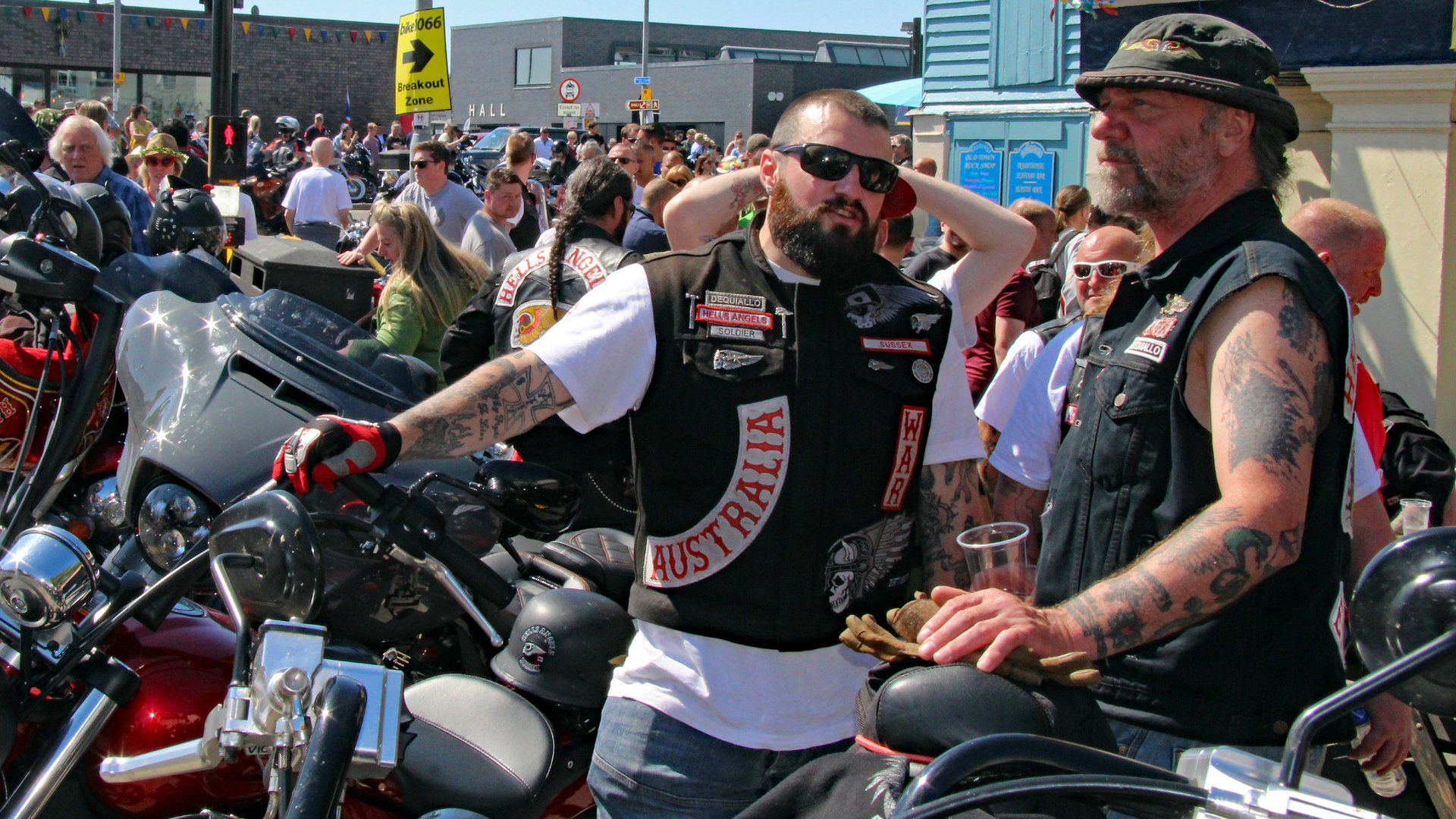
Inquiring about membership is the fastest way to ensure you’ll never get it. The Hells Angels have a simple philosophy: if you have to ask, you won’t understand the answer. Recruitment happens through observation and invitation, not applications. Full members vote on prospects after watching them for extended periods. The process demands patience, respect, and the wisdom to stay quiet while proving your worth through actions rather than questions.
Law Enforcement Need Not Apply

Anyone carrying a badge is permanently banned from membership. This includes police officers, prison guards, and security personnel. The conflict of interest is non-negotiable, and the club maintains a hard line against anyone with ties to authority. While some international regions don’t classify the Hells Angels as criminal, the U.S. Justice Department certainly does. The division between the club and law enforcement is a fundamental part of their outlaw identity.
Angels Forever, Forever Angels
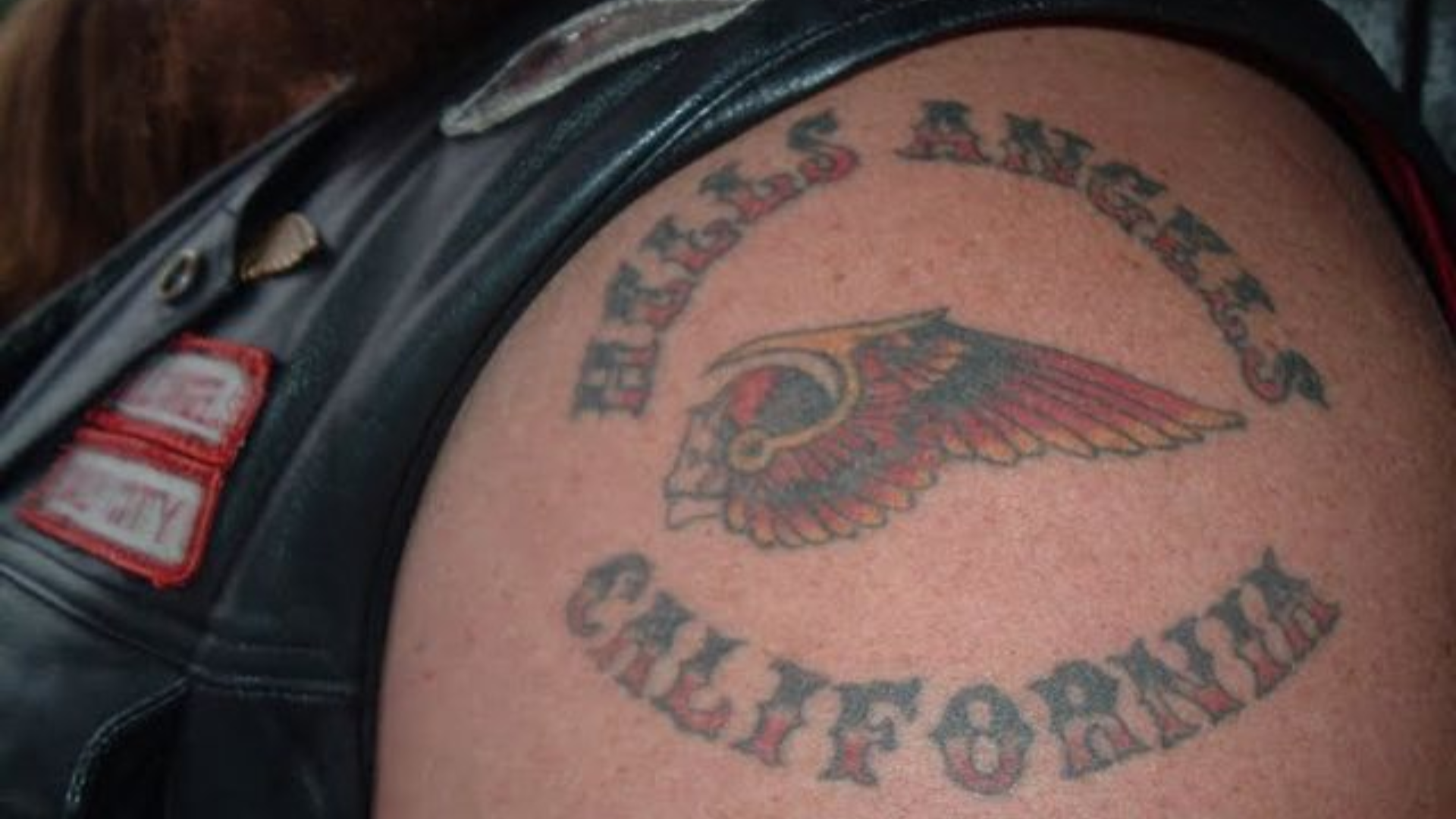
Once you’re patched in, there’s no walking away. Becoming a Hells Angel can take years of proving yourself, but once you’re in, you’re in for life. Many members wear “AFFA” patches—Angels Forever, Forever Angels—as a permanent reminder of their commitment. This isn’t a hobby you can quit when life gets complicated. The bond is meant to be unbreakable, stronger than marriage, and backed by consequences that make leaving virtually impossible.
Harley-Davidson or Nothing

Only Harley-Davidson motorcycles are acceptable. No Japanese bikes, no European models, no exceptions whatsoever. This loyalty to American steel has been part of the club’s DNA since the beginning, when Harleys were cheap, rugged, and perfectly suited to the open road. The bike you ride represents your commitment to tradition and your place in the brotherhood. Show up on anything else, and you won’t be riding with anyone at all.
The Vest Is Sacred Ground

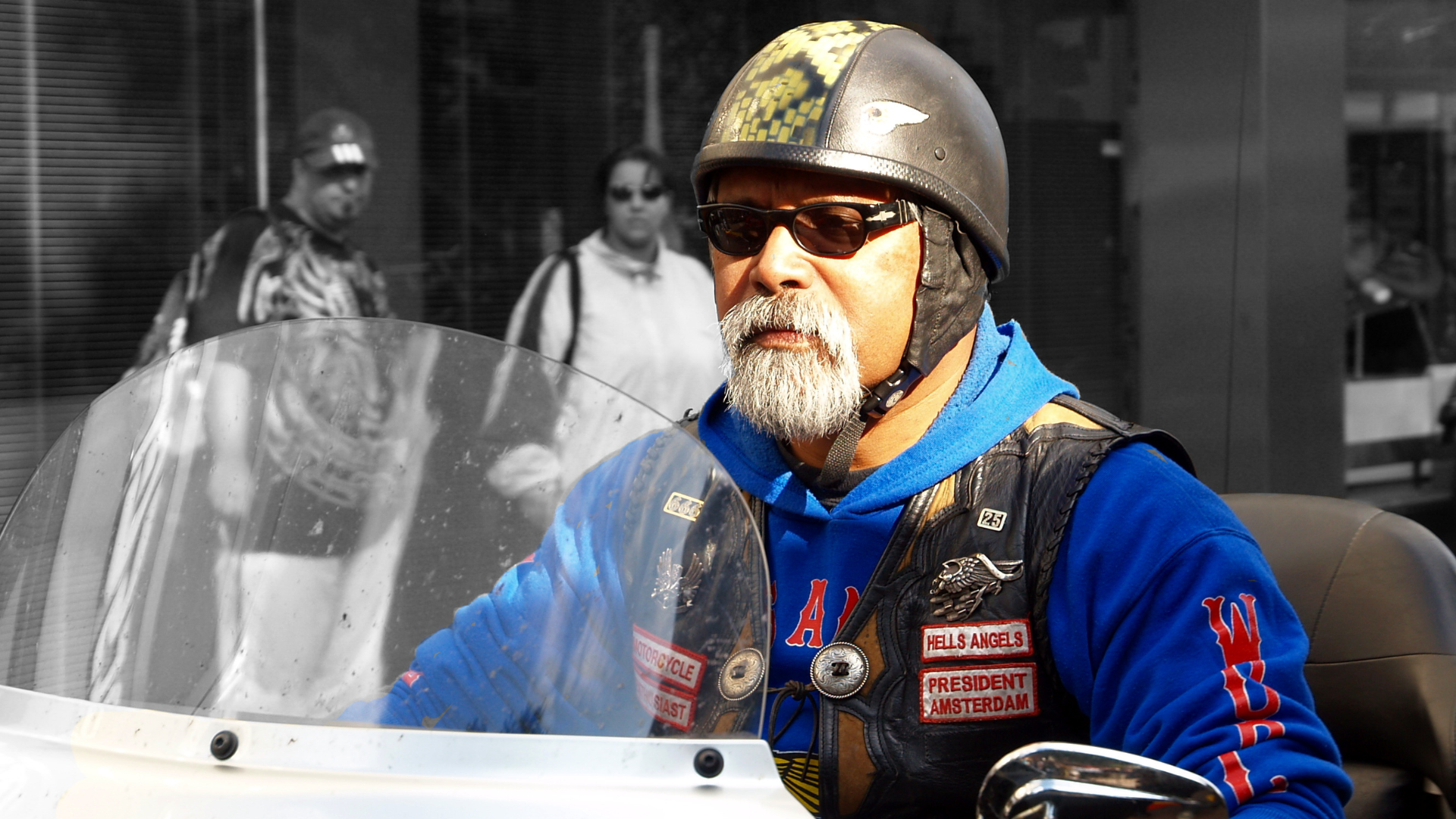
The leather vest covered in patches isn’t fashion—it’s a sacred symbol earned through years of loyalty and sacrifice. Each patch tells a story: your rank, your charter, your place in the hierarchy. Losing your vest, damaging it, or showing disrespect brings serious consequences. If you’re arrested, hand it to another member. In the hospital, protect it at all costs. This piece of leather represents everything you’ve worked for and everything the club stands for.
Fake Gear Invites Real Trouble
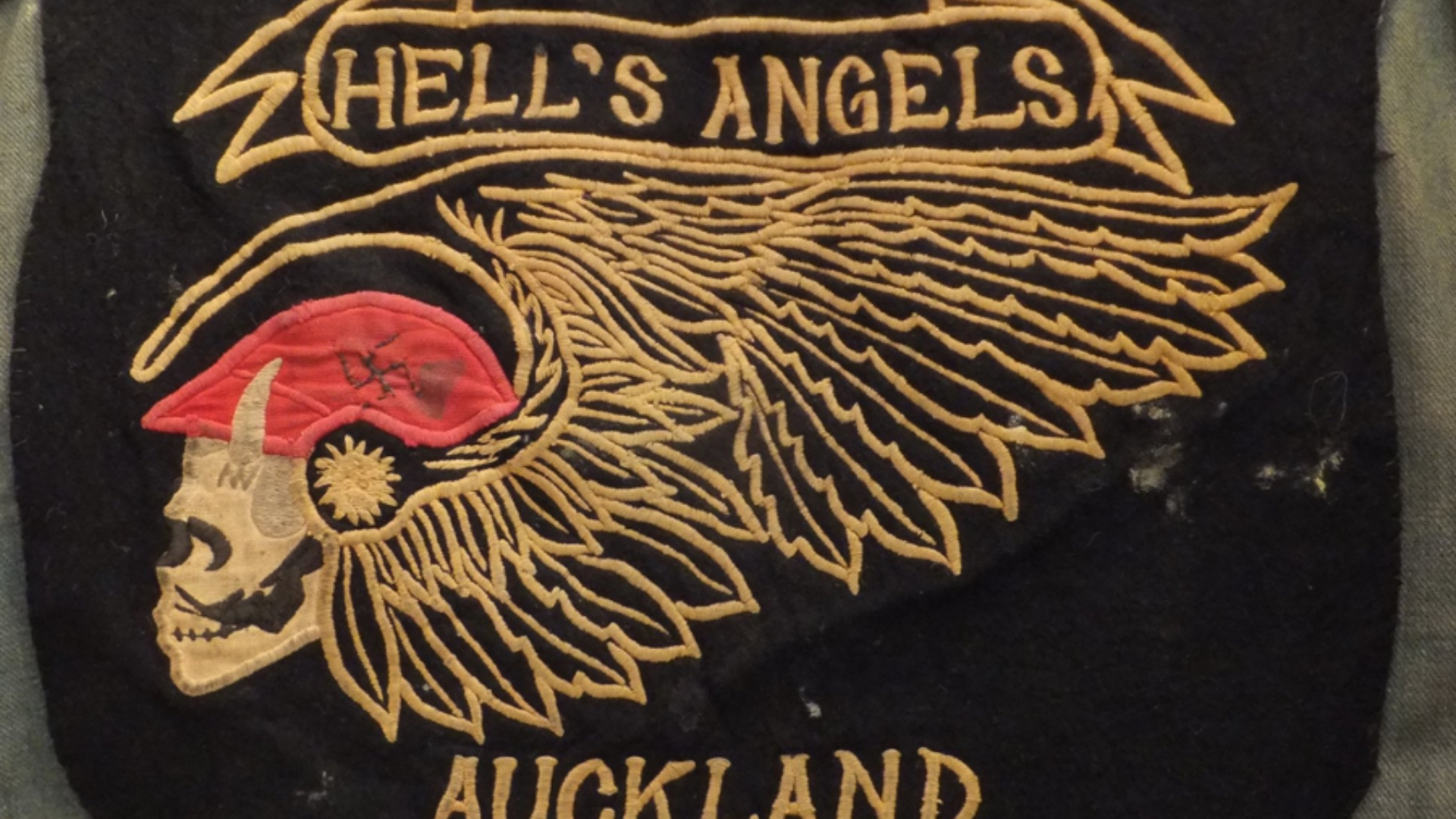
Wearing unauthorized Hells Angels merchandise is dangerous. The patches aren’t costumes available for purchase—they’re credentials that must be earned. While imitation gear floods online marketplaces, putting it on could be interpreted as impersonation or disrespect. Neither ends well. Only full members receive legitimate patches from the club itself. If you didn’t earn it through years of service and commitment, keep it off your body. The consequences range from confrontation to violence.
Formation Riding Is Non-Negotiable

When Hells Angels ride, they move in strict formation. The president leads, prospects bring up the rear, and everyone maintains their assigned position. This isn’t about looking impressive—it’s about control, unity, and understanding your place in the hierarchy. Cutting in line or freelancing your position shows disrespect for club tradition and puts everyone at risk. The formation represents order within an outlaw organization, a visible demonstration of discipline and unwavering cohesion.
Patriotism Runs Deep

For a group called outlaws, the Hells Angels display surprising patriotism. The original members were World War II veterans, and that pride still defines the culture today. They honor military service, wave American flags, and embrace loyalty to the country almost as fiercely as loyalty to the patch. As the club expanded globally, this pride adapted—Canadian chapters wave maple leafs, Australian members honor their own heritage. Being an outlaw doesn’t mean abandoning respect for where you come from.
Memorial Rides Honor the Fallen

Death in the Hells Angels isn’t met with quiet mourning—it’s marked with chrome, engines, and massive processions. When a member dies, the club organizes memorial rides, rallies, and tributes that celebrate their life loudly and publicly. Photos, posters, and moments of silence become part of club events, ensuring the fallen are never forgotten. These rides demonstrate that brotherhood extends beyond death, and the roar of engines becomes a final, powerful salute to their memory.
Stop Together or Not at All
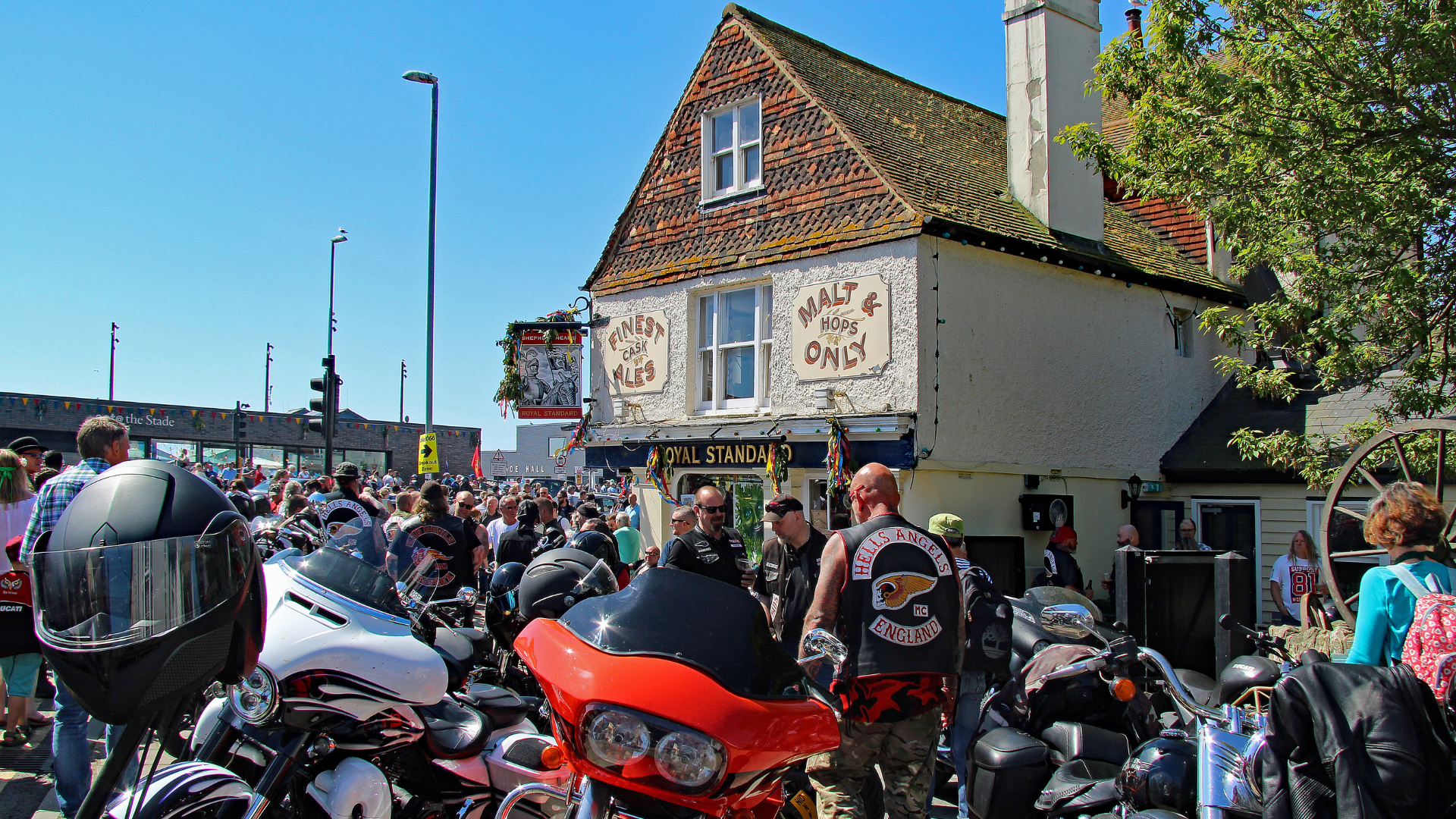
When one member pulls over, everyone stops. Whether it’s a flat tire, mechanical trouble, or a police encounter, the entire group comes to a halt. This rule embodies the club’s commitment to never leaving anyone behind. It’s practical too—there’s safety in numbers, especially when dealing with rivals or law enforcement. The unified response turns every roadside stop into a show of force and loyalty. So when you see Hells Angels parked on a highway shoulder, they’re watching each other’s backs.
Attendance Is Mandatory
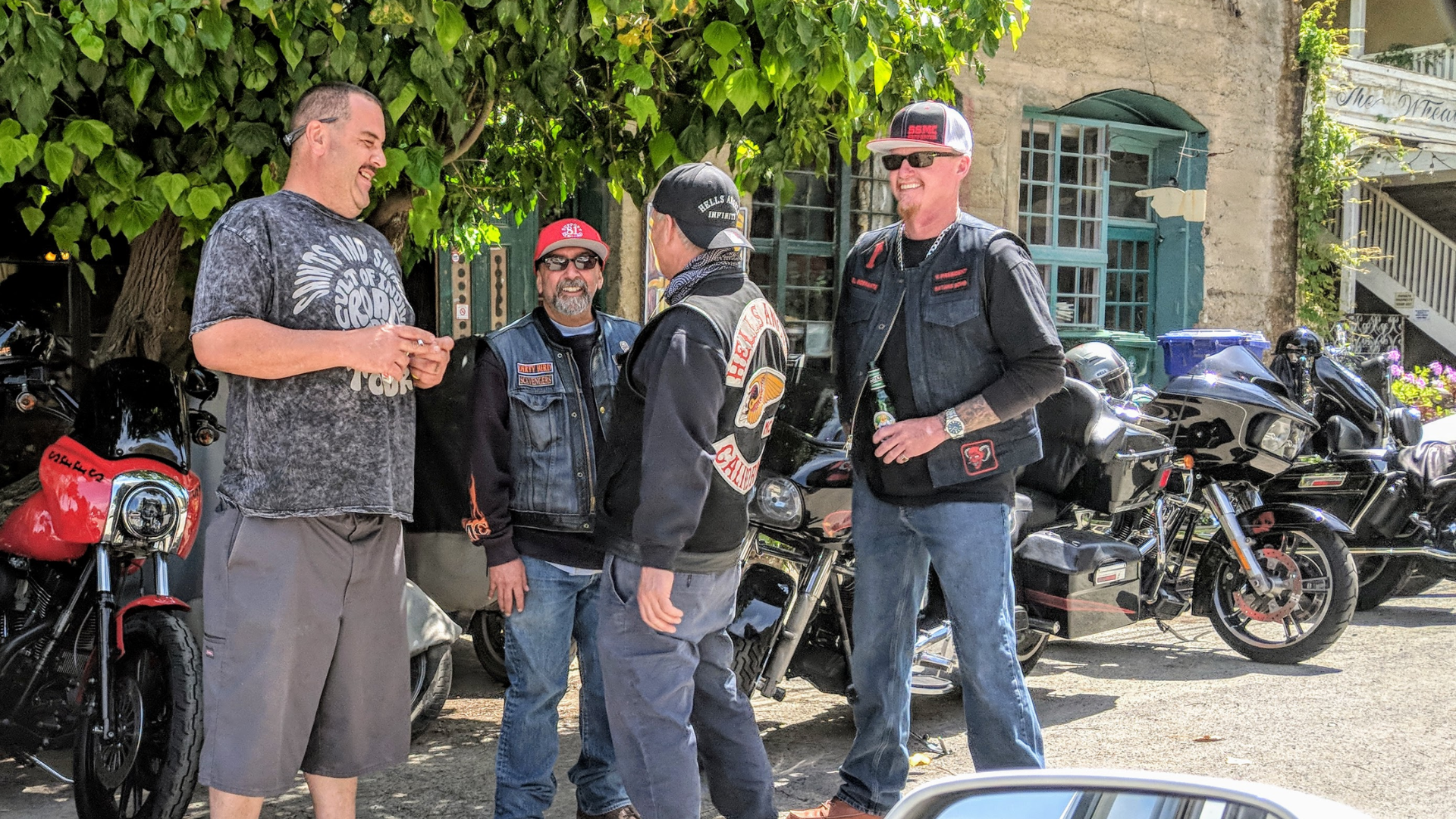
Club meetings aren’t optional social gatherings—they’re required. Miss too many, and you’ll lose your patch faster than you earned it. The club operates on democratic principles where members vote on important decisions, so your absence means your voice doesn’t count. Chronic no-shows signal apathy, and the brotherhood has zero tolerance for members who don’t prioritize the club. You committed to this lifestyle, which means showing up consistently and proving that membership matters more than any excuse.
Ride 12,000 Miles Annually

Membership demands serious riding—approximately 12,000 miles every year. This isn’t a weekend hobby or something you do when weather permits. Being a Hells Angel means spending significant time in the saddle through rain, heat, and whatever conditions the road delivers. Polish chrome if you want, but the real expectation is constant movement. If you can’t commit to this level of riding, don’t bother joining. And yes, your partner better be comfortable on the back of a bike.
Media Silence Is Golden

Talking to reporters is forbidden. If journalists come asking questions, your only response should be silence or “no comment.” The club handles everything internally and doesn’t do press releases or interviews. Speaking to the media without explicit permission brings severe consequences. This isn’t about building public profiles or explaining your lifestyle to outsiders. Loose lips create problems for entire charters, and the club has no interest in managing media relationships. Keep your mouth shut and let the patches do the talking.
Charity Work Is Expected

Despite their outlaw image, Hells Angels charters contribute significantly to their communities. Toy drives, school fundraisers, and charity events fill their calendars alongside rides and meetings. Each charter is expected to give back both time and money. This tradition serves multiple purposes—good community relations, positive PR, and genuine service. Being a one-percenter doesn’t mean being heartless. The club understands that even rebels can support worthy causes. If you’re only interested in looking tough, you’re missing a fundamental aspect.
Concert Security Pays the Bills
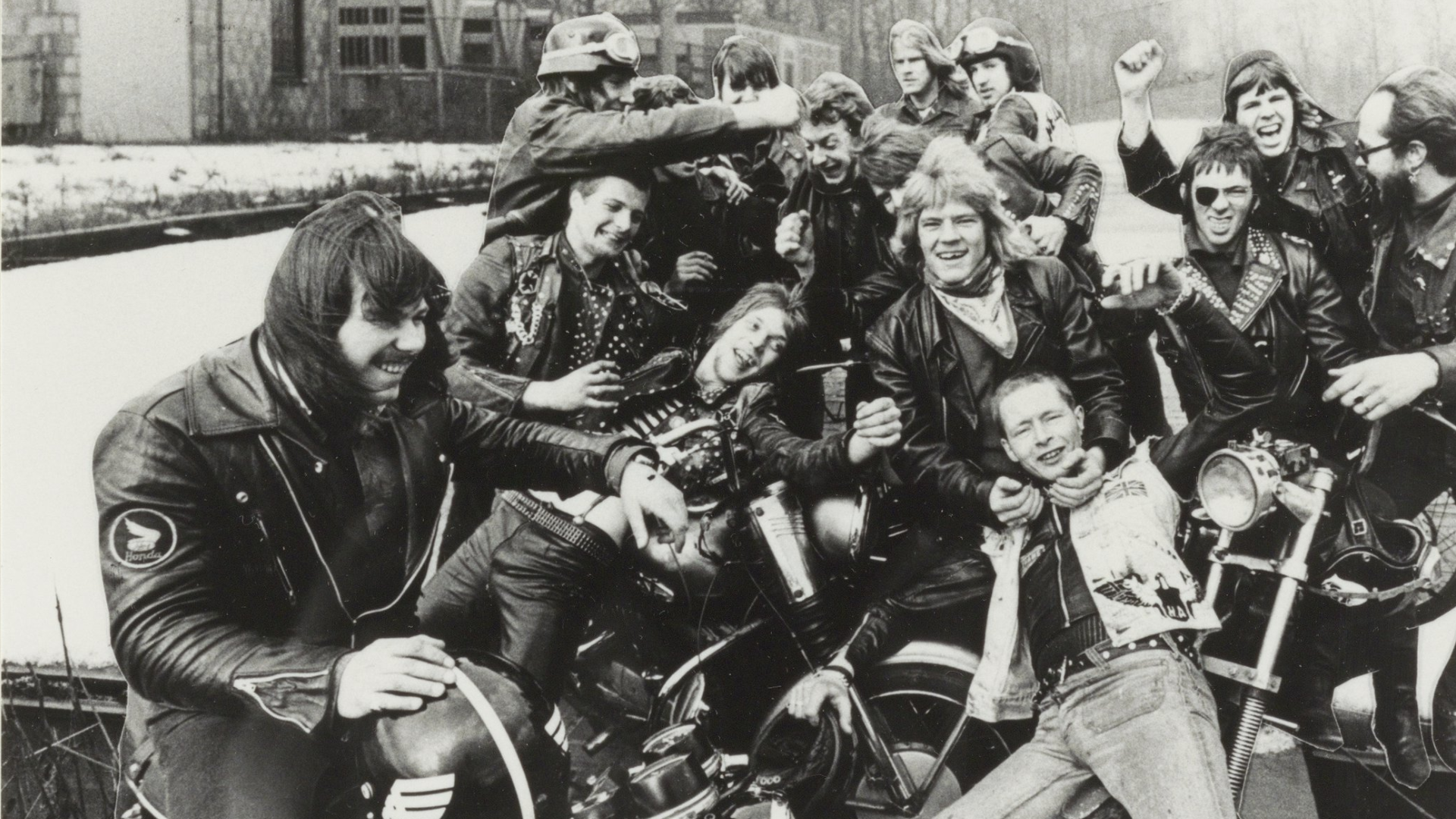
Since guarding the Beatles in 1961, Hells Angels have worked security at major concerts and events. Their presence is more effective than metal detectors—crowds behave when faced with rows of silent, patched bikers. For members, it’s straightforward work that pays well and includes free music. The arrangement benefits everyone: promoters get intimidating security, the club earns money, and rock and roll gets its most memorable bouncers. Nothing says “don’t start trouble” quite like a wall of leather-clad Angels.
Grammar Police Not Welcome
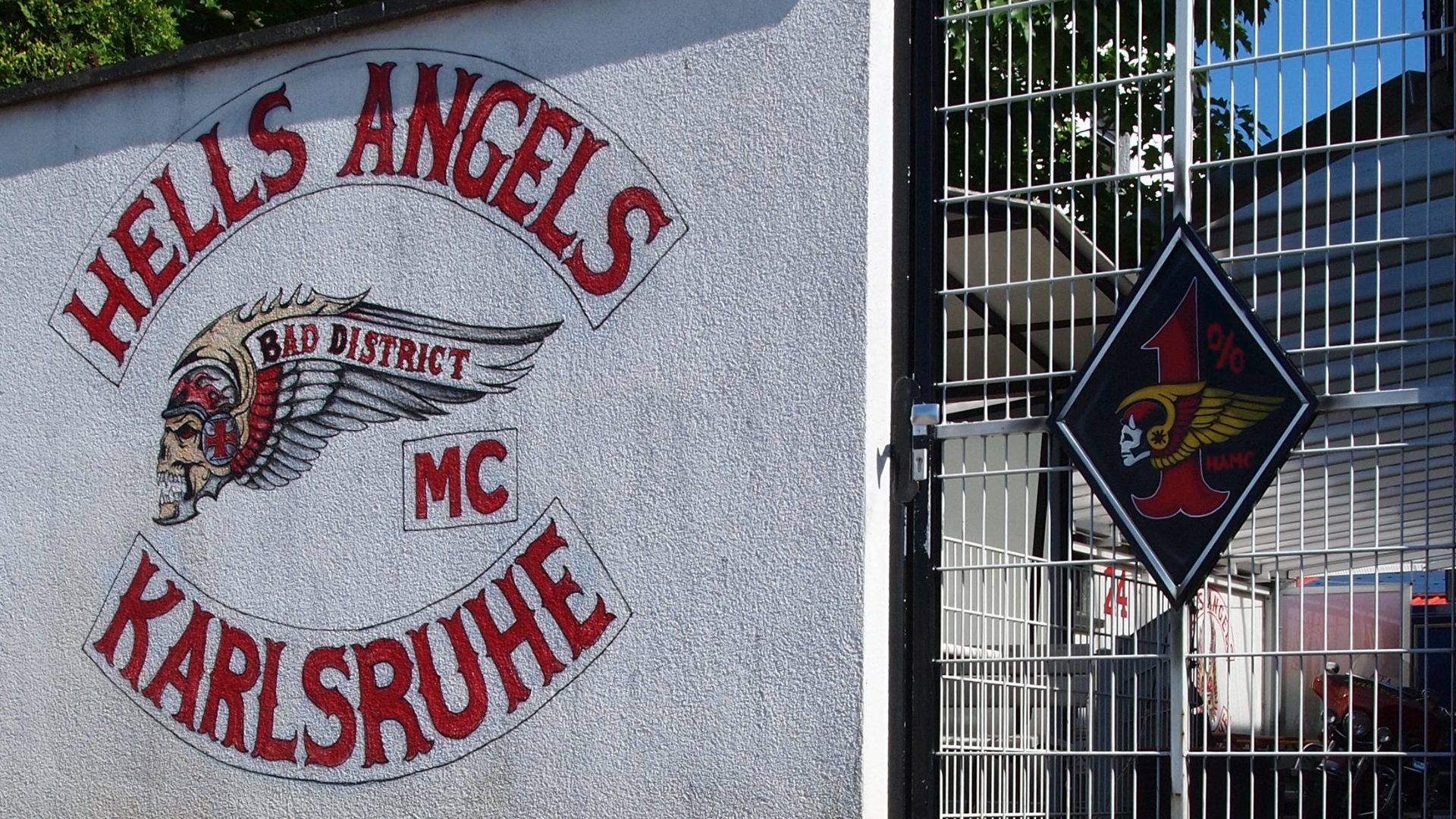
“Hells Angels” is missing an apostrophe, and they don’t care what your English teacher thinks. The name has been spelled this way since 1948, and tradition trumps grammar rules. Microsoft Word can flag it red forever—the patch says what it says. Bringing up this punctuation issue is a terrible idea that marks you as an outsider who doesn’t understand what matters. Keep your corrections to yourself. The club has survived over 75 years without fixing its spelling, and it’s not starting now.
Hazing Is Part of the Process

Prospects undergo extended hazing periods that can last years. No, not paddled in a toga. You’ll run errands, complete grunt work, and essentially serve as everyone’s assistant without complaint. There’s no welcome party, no shortcuts, and no sympathy for those who can’t handle the grind. You fetch what needs fetching, fix what needs fixing, and follow orders without question. Survive this trial period with dignity and determination, and you might earn enough votes to become a full member. Complain or slack off, and you’ll be gone.
No Women Members Allowed

The Hells Angels operate as a brotherhood exclusively—women cannot earn patches or become full members. They can ride along, attend events, and support the club, but they’ll never vote or hold rank. The official term for a female partner is “old lady,” and while these women are often deeply involved in club life, they remain on the periphery of power. Dating someone pursuing membership means accepting that weekends, holidays, and free time now belong to the club.
Meeting Disruptions Cost Money
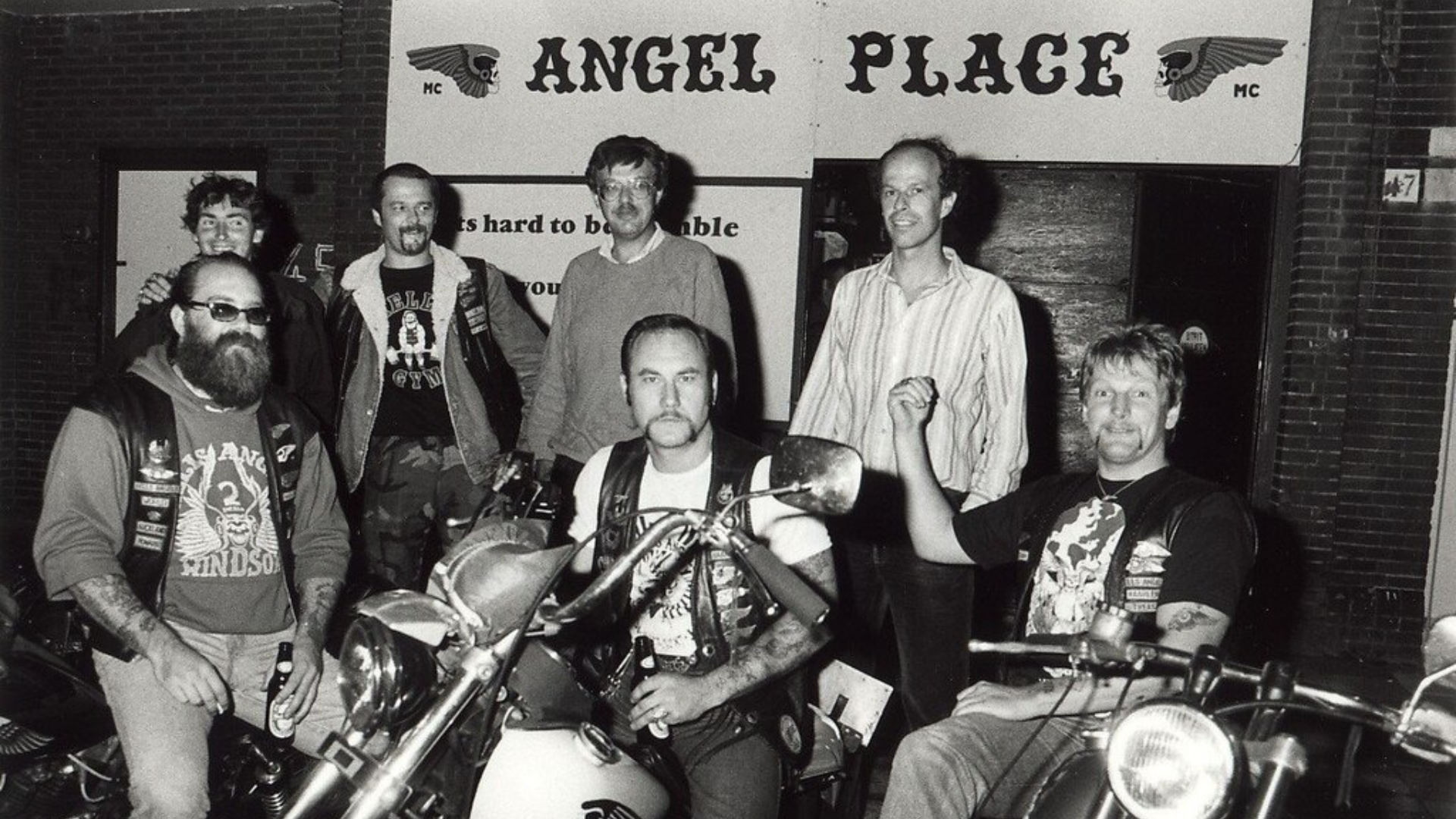
Club meetings follow strict protocols where interrupting can cost you a hundred-dollar fine. These gatherings are business, not casual social time. You speak when it’s your turn or when directly asked—otherwise, stay silent and listen. Think of it as biker church with rigid structure and zero tolerance for disruption. The order ensures efficiency and respects everyone’s time. Take notes, follow the agenda, and save your comments for appropriate moments. Breaking protocol proves you don’t respect the system.
Stay Clean or Get Out
Drug use and dealing are strictly prohibited. The club’s modern stance is clear: illegal substances get you kicked out fast. While the past may have been messier, today’s Hells Angels maintain a no-tolerance policy. Using, selling, or associating with drugs breaks the club’s code and threatens everyone with legal consequences. Some charters learned this lesson through FBI raids and federal prison sentences. The message is unambiguous—stay clean, follow the rules, or find yourself out of the brotherhood permanently.