Rising ‘Peniaphobia’ Among Young People Has Experts Worried


Roughly 74% of Gen Z adults say they are one minor emergency away from financial ruin. That single statistic captures a fear so pervasive it now has a name: peniaphobia. Derived from the Greek word “penia,” meaning poverty, peniaphobia describes an intense, persistent dread of becoming poor. Mental health professionals say it goes far beyond typical money stress, reshaping how an entire generation thinks, sleeps, and makes decisions.
Psychologists have been tracking this for years, noting something deeper taking root beneath ordinary financial stress. A growing number of young adults are experiencing what professionals describe as a constant, intrusive dread that shapes decisions, relationships, sleep, and even identity. The fear is not hypothetical for most of them. A 2025 Bank of America study found that 72% of young adults reported increased stress from rising living costs, with nearly two-thirds of Gen Z respondents saying they struggle to afford groceries.
Despite 39% of Gen Z juggling both regular jobs and side hustles simultaneously, 73% report burnout, exposing how the normalization of constant work fails to deliver the financial security it promises. Many young people are working harder than any previous generation at their age and still feel they are losing ground. The anxiety is compounding into something clinicians recognize as a genuine psychological crisis.
A Generation Shaped by Two Economic Shocks Now Fears a Third

Experts point to the environment in which today’s young adults came of age. Many Gen Z members were children during the global financial crisis of 2008. As they entered adolescence and early adulthood, they encountered another seismic disruption: the COVID-19 pandemic. Students lost part-time jobs. Graduates walked into hiring freezes. For young people just beginning to build independence, the experience was destabilizing. It introduced a harsh lesson early in life: stability can disappear overnight.
Debt is another major driver of this anxiety. In the United States, average student loan debt exceeds $39,000. Credit card balances among people aged 18 to 34 have jumped significantly since the pandemic, with monthly repayments absorbing income that could otherwise be saved or invested. Roughly 70% of Gen Z and millennial renters report struggling to afford their regular housing payments, according to a Redfin-Ipsos survey.
Job structures have also shifted in ways that leave young workers exposed. Fewer than 25% of young adults have employer-provided retirement plans or health insurance, compared to over 60% of Baby Boomers. Safety nets like unemployment benefits are also harder to access, leaving many feeling exposed if they suddenly lose income. For a generation raised to believe hard work produces stability, the math simply is not adding up.
Social Media Comparison and Hustle Culture Are Amplifying the Dread

Child psychiatrist Marie-Rose Moro has described the psychological toll of a culture built on performance, telling La Croix that it is “this race for success that conditions everything, as if not being able to be first calls their entire life into question.” That pressure is compounded daily by social media. A Cybersmile/Censuswide study among 16-to-24-year-olds in the UK found 89% of respondents engage in comparisons with others online.
Platforms like Instagram, TikTok, and Snapchat feature images of luxury vacations, high-end fashion, and career milestones that create unrealistic standards of success. This constant exposure to seemingly perfect lifestyles fosters feelings of inadequacy and financial anxiety, especially when young adults compare themselves to these curated highlights. Gen Z members increasingly equate their value as human beings with their bank account balances, creating psychological damage beyond monetary concerns alone.
The pressure to succeed financially pushes many to overwork, leaving them vulnerable to exhaustion and mental health breakdowns. Excessive fear of poverty can also lead to impulsive saving or overspending, creating unhealthy financial habits. Many begin to equate their value with their income, feeling inadequate. A Harvard report found that 56% of young adults said financial stress was negatively impacting their mental health, while a University of Nottingham study found people struggling with debt are more than twice as likely to suffer from depression.
From Insomnia to Social Withdrawal: The Symptoms Experts Say Are Being Missed
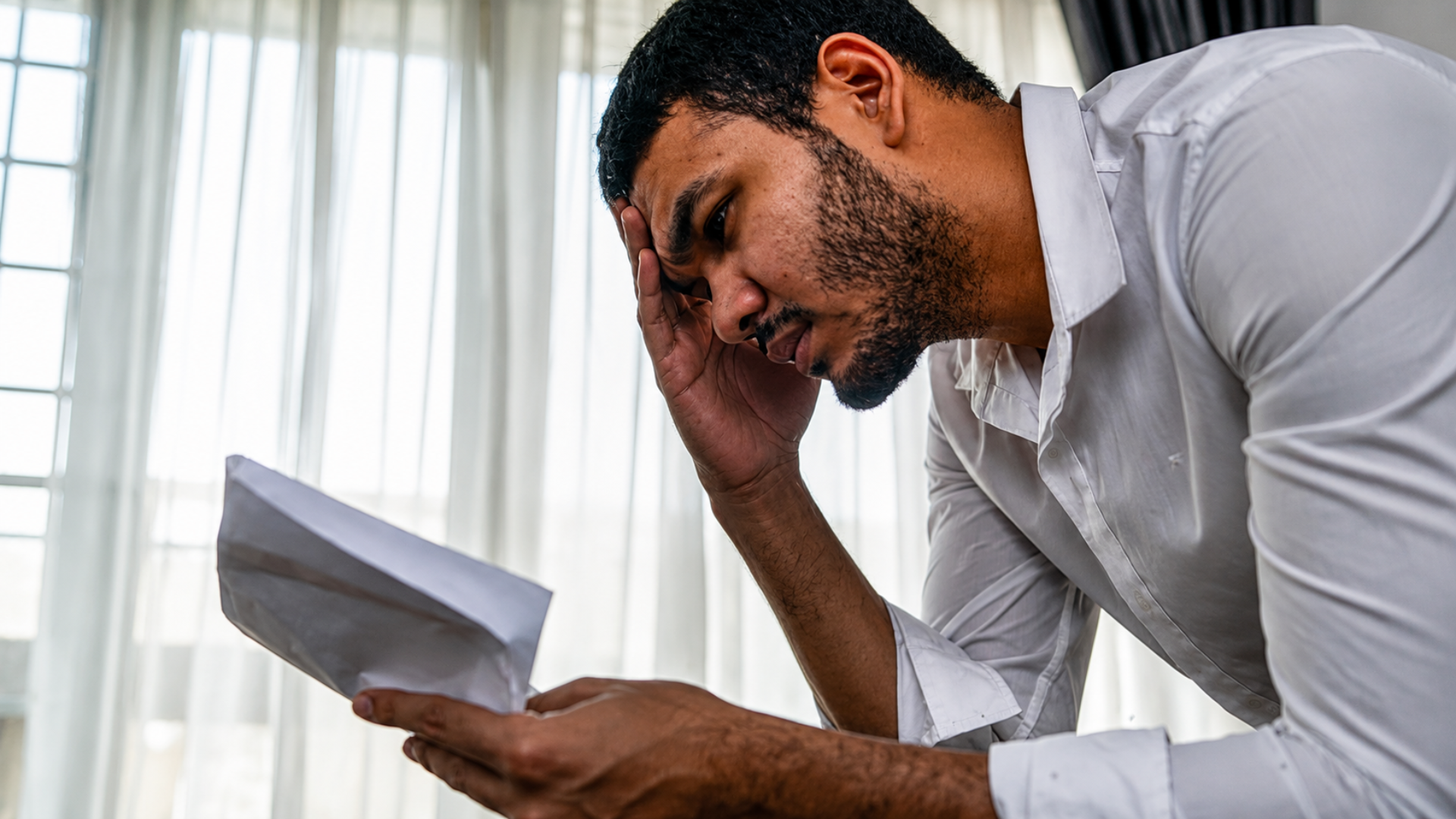
Peniaphobia does not always announce itself. Young adults report insomnia, headaches, digestive problems, and chronic muscle tension linked to financial stress. Studies suggest that more than half of Gen Z adults say money worries have harmed their mental health. Some people avoid looking at bank statements, make impulsive purchases to cope with anxiety, or become paralyzed by fear and fail to take necessary financial actions, behaviors that then create additional financial problems and fuel more stress.
Many people experiencing peniaphobia may not realize their habits are driven by fear rather than prudence. Some develop extreme frugality, avoiding spending even when it is safe or necessary, skipping social outings, delaying medical appointments, or refusing small comforts. Others experience intense guilt after minor purchases. In the most severe cases, the condition produces intrusive thoughts, palpitations, and chronic fatigue. Life narrows to the management of a threat that feels permanent.
Peniaphobia is not a personal weakness. It is a predictable psychological response to a set of economic and social conditions that are genuinely difficult, amplified by social comparison and a cultural narrative that equates financial security with personal worth. The fear of poverty does not resolve through more money. It resolves through understanding what is driving it. A generation told that effort equals reward is living through proof that the equation no longer holds, and the damage to their mental health is already measurable.