Retired Professor Suggests Tiny ‘Hobbit’ Humans Could Still Be Living Among Us


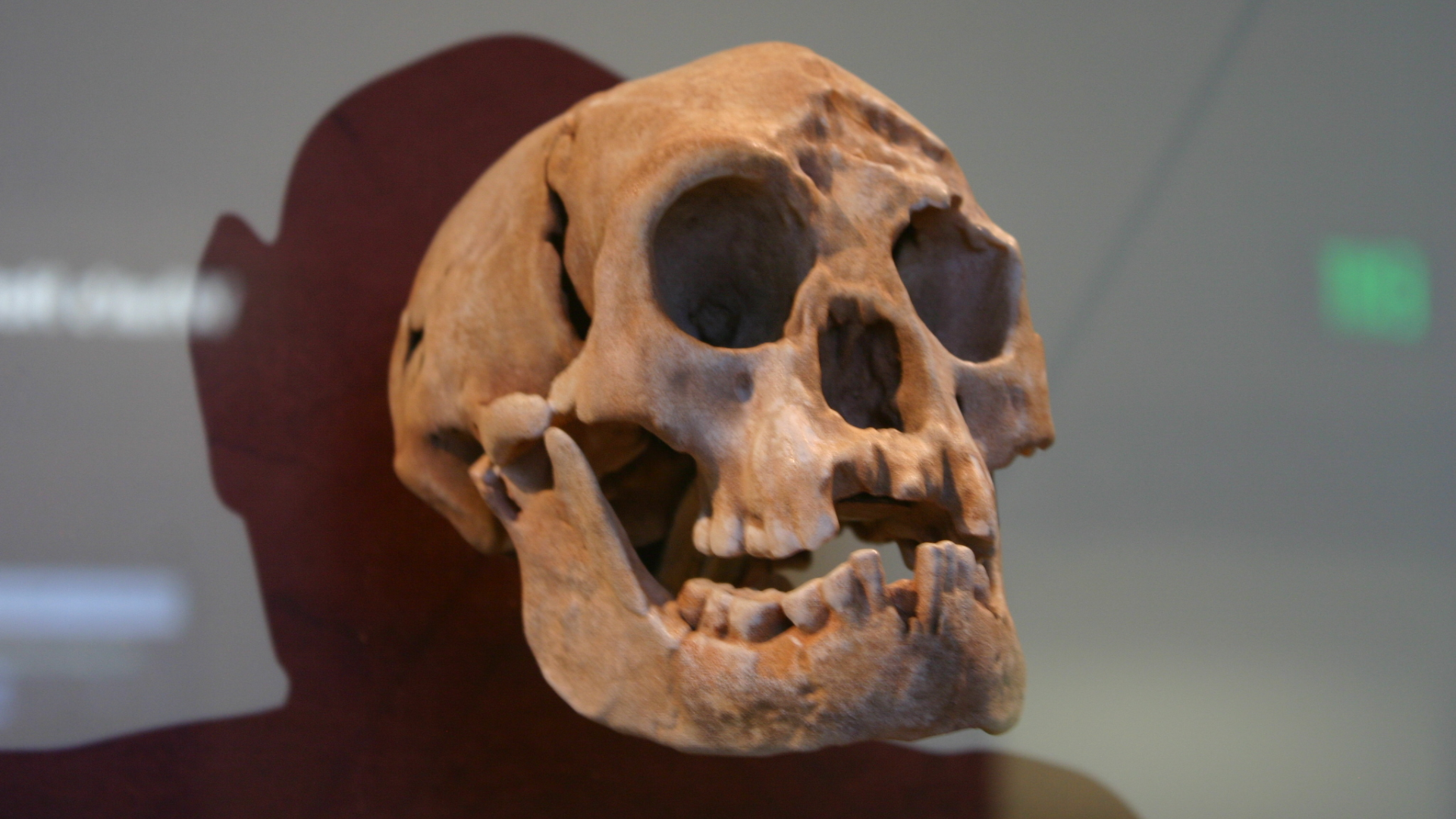
Scientists discovered fossils of Homo floresiensis, nicknamed “hobbits,” on Flores, Indonesia in 2003. These tiny humans stood about 1.1 meters tall and lived until roughly 50,000 years ago. But retired anthropology professor Gregory Forth believes these ancient relatives might still exist. For decades, he’s collected accounts from island residents describing small, apelike beings. Could an ancient human species have survived longer than science believed?
The Remarkable Discovery

Archaeologists found partial skeletons of 15 individuals in Liang Bua cave, including one complete skull. These ancient humans had tiny brains, large teeth for their size, and stood approximately 3 feet 6 inches tall. Despite their small brains, they made stone tools, hunted small elephants and large rodents, and coped with predators like giant Komodo dragons. The discovery shocked the scientific world and raised new questions about human evolution.
Stories From the Forest

Gregory Forth spent decades studying cultures on Flores Island, where locals told him about creatures called lai ho’a. The Lio people claimed these beings still survived, though they were rarely encountered. Forth heard these accounts two months before scientists announced the Floresiensis discovery. Villagers described small, bipedal figures with sloping foreheads, long arms, and hairy bodies shaped like small people. The details struck Forth as remarkably specific and consistent.
A Scientist’s Controversial Quest
Forth published his findings in 2022 in “Between Ape and Human: An Anthropologist on the Trail of a Hidden Hominoid”. The book documents his investigation into whether these creatures represent living homo floresiensis or close relatives. When fossil discoveries were announced, Forth was amazed because descriptions from paleoanthropologists sounded very much like what the Lio people had been telling him. His theory remains controversial among scientists who believe the species is extinct.
What Witnesses Reported Seeing
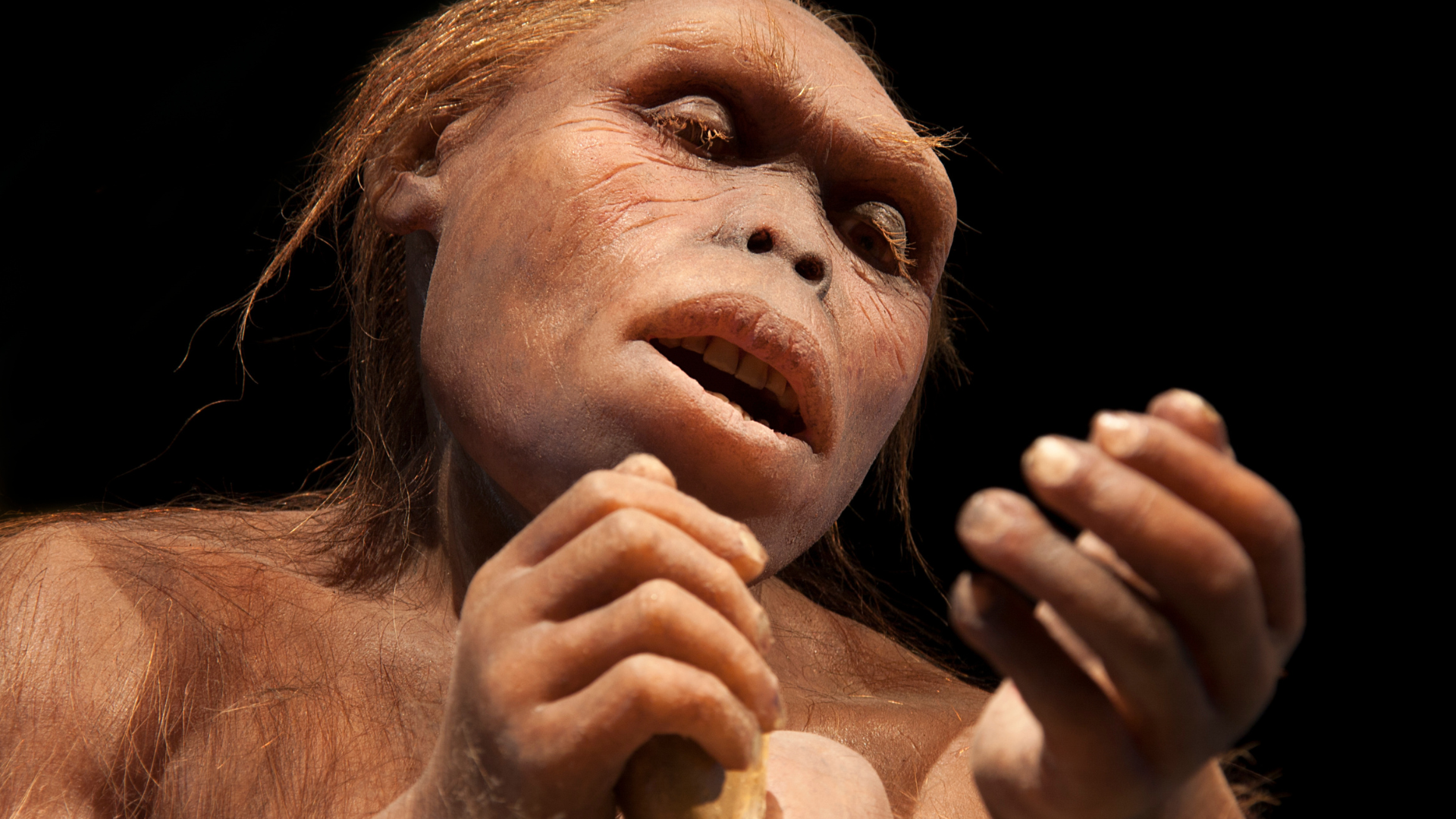
Descriptions include behaviors like stealthy movement and food-stealing that mirror scientific interpretations of hobbit life. Some witnesses claimed seeing the creatures walking upright through forests or near cultivated areas. The accounts came from multiple regions across Flores, suggesting a widespread cultural knowledge. One witness with an agriculture degree examined a dead specimen and was so struck by its human appearance that he built a coffin for it. These testimonies form the backbone of Forth’s argument.
Why This Island Makes Sense

Flores is a volcanic Indonesian island carved by ravines and wrapped in dense tropical forest, with an interior so rugged that some valleys are rarely visited by outsiders. The island has always been separated from mainland Asia by at least 24 kilometers of ocean, even at low sea levels. This isolation created unique conditions for unusual wildlife found nowhere else. If a small population existed, Flores offers countless places to remain concealed. The challenging terrain makes comprehensive exploration difficult.
The Scientific Skepticism

Most paleoanthropologists maintain that Homo floresiensis is extinct, arguing that without bones, DNA, or clear photographic evidence, survival into modern times cannot be accepted. Critics suggest eyewitness accounts could be misremembered events, illusions, or traditional tales reinterpreted as sightings. Bones decay quickly in humid tropical environments, and deep cave systems remain poorly studied. The scientific community requires physical proof before accepting such extraordinary claims about human evolution.
Could They Really Still Exist?

If a population were extremely small, nocturnal, and avoided humans, remaining undetected is theoretically possible in Flores’s forbidding landscape. New species and species thought extinct, like the Coelacanth, are usually found by accident rather than through deliberate searches. However, scientists emphasize that continued survival would be an extraordinary exception in human evolution. The absence of modern physical evidence remains the strongest argument against survival. Yet much of Flores’s interior remains barely explored.
Searching the Forests of Flores
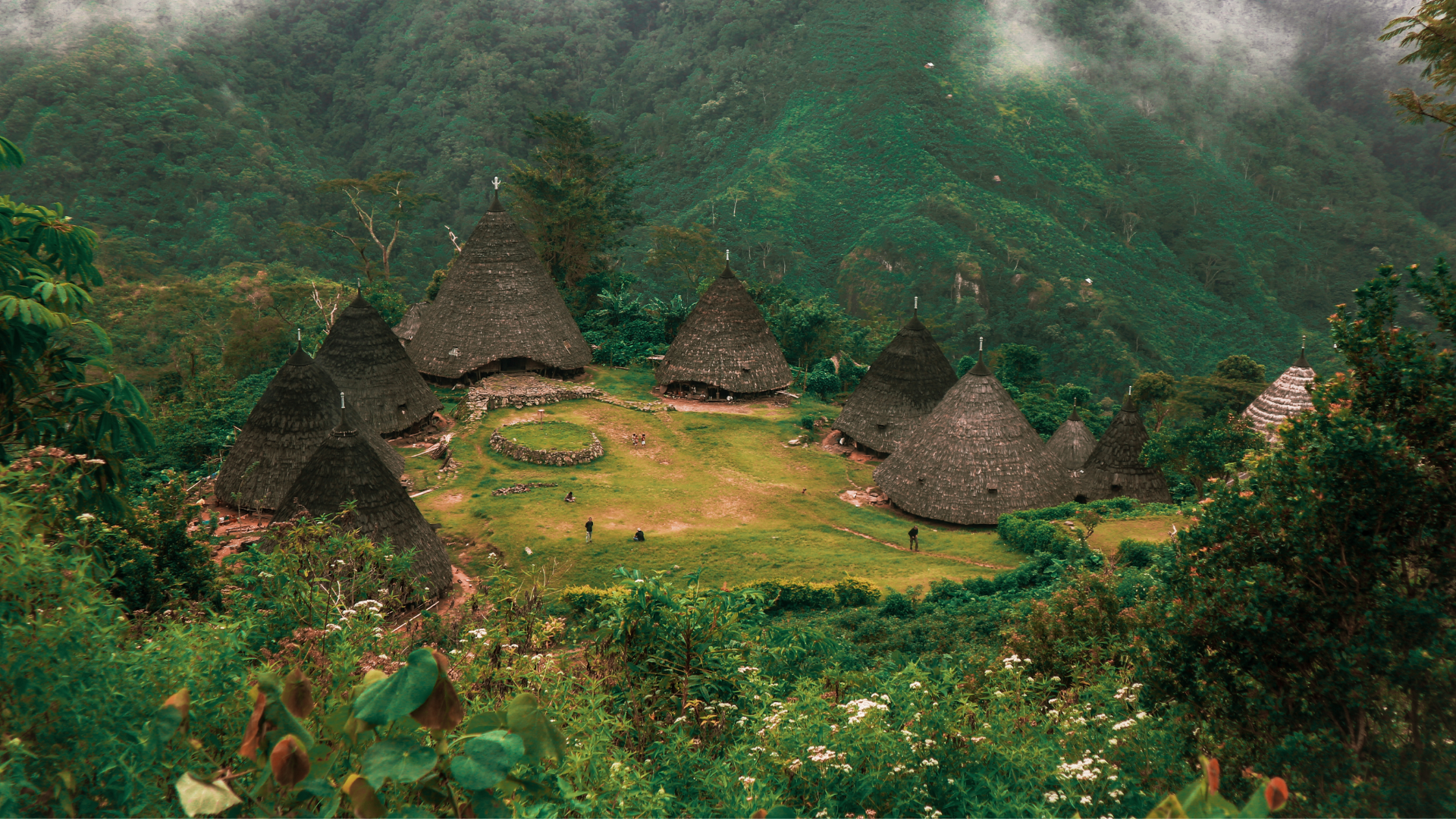
The hunt for living lai ho’a continues quietly. Some explorers analyze local trails, burial sites, and dense forest regions for clues. Others interview villagers who claim sightings deep in the mountains. While no confirmed evidence has surfaced, the landscape itself seems to invite mystery—full of hidden valleys and limestone caves. Each new account keeps the search alive, urging researchers to investigate further and question how much of the island’s past is truly gone.
An Ongoing Mystery
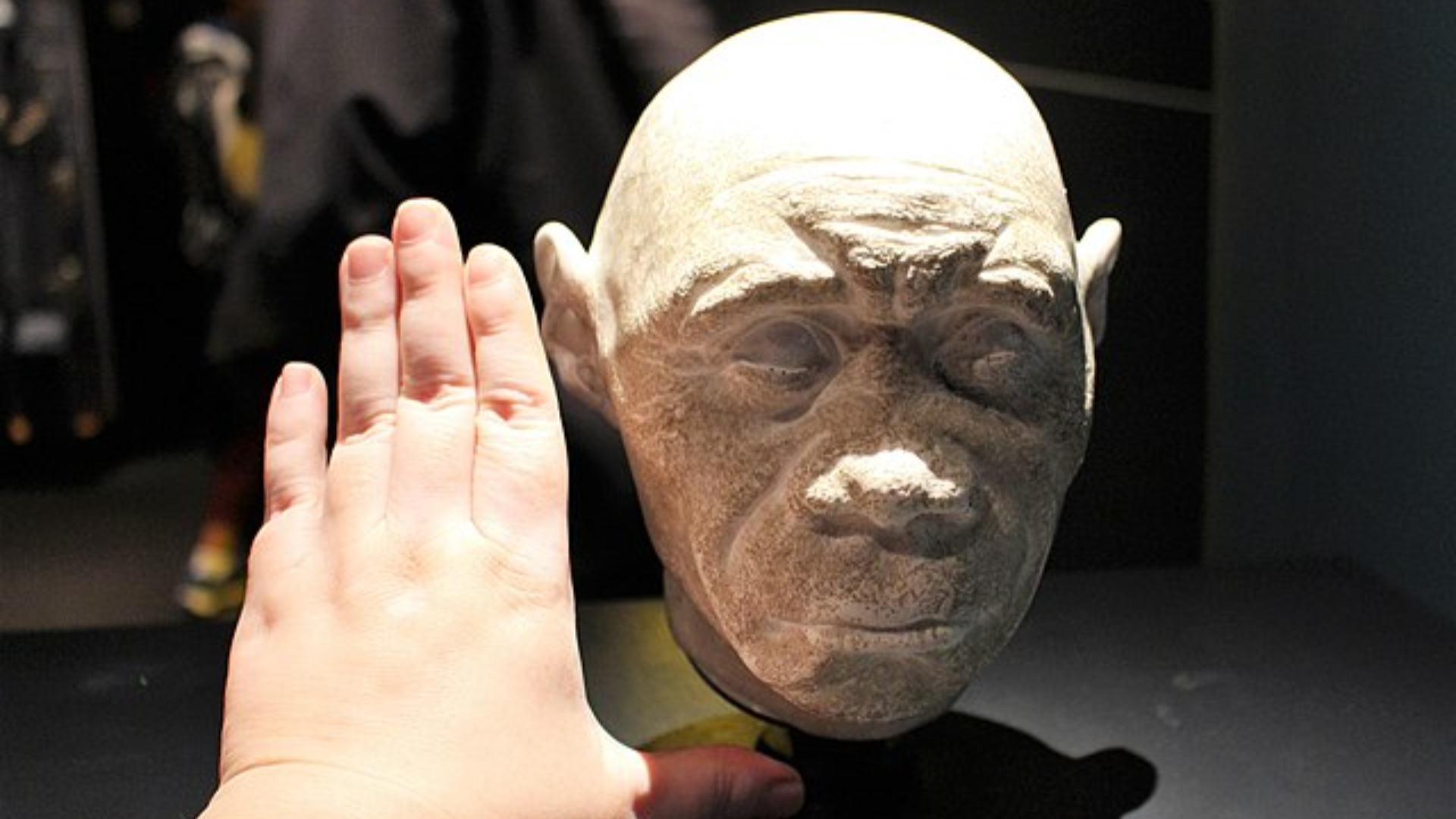
If living hobbits were ever proven real, it would become one of the most significant scientific breakthroughs in history. It would reveal that another human species survived far longer than believed, possibly overlapping with modern humans. Until physical evidence emerges, the mystery remains open but unconfirmed. Forth’s work highlights how indigenous knowledge deserves scientific consideration, even when challenging established views. Whether folklore or reality, the lai ho’a continue to fascinate those who hear their story.