‘Reservation Hijacking’ Is Growing, Here’s How to Avoid Becoming a Victim
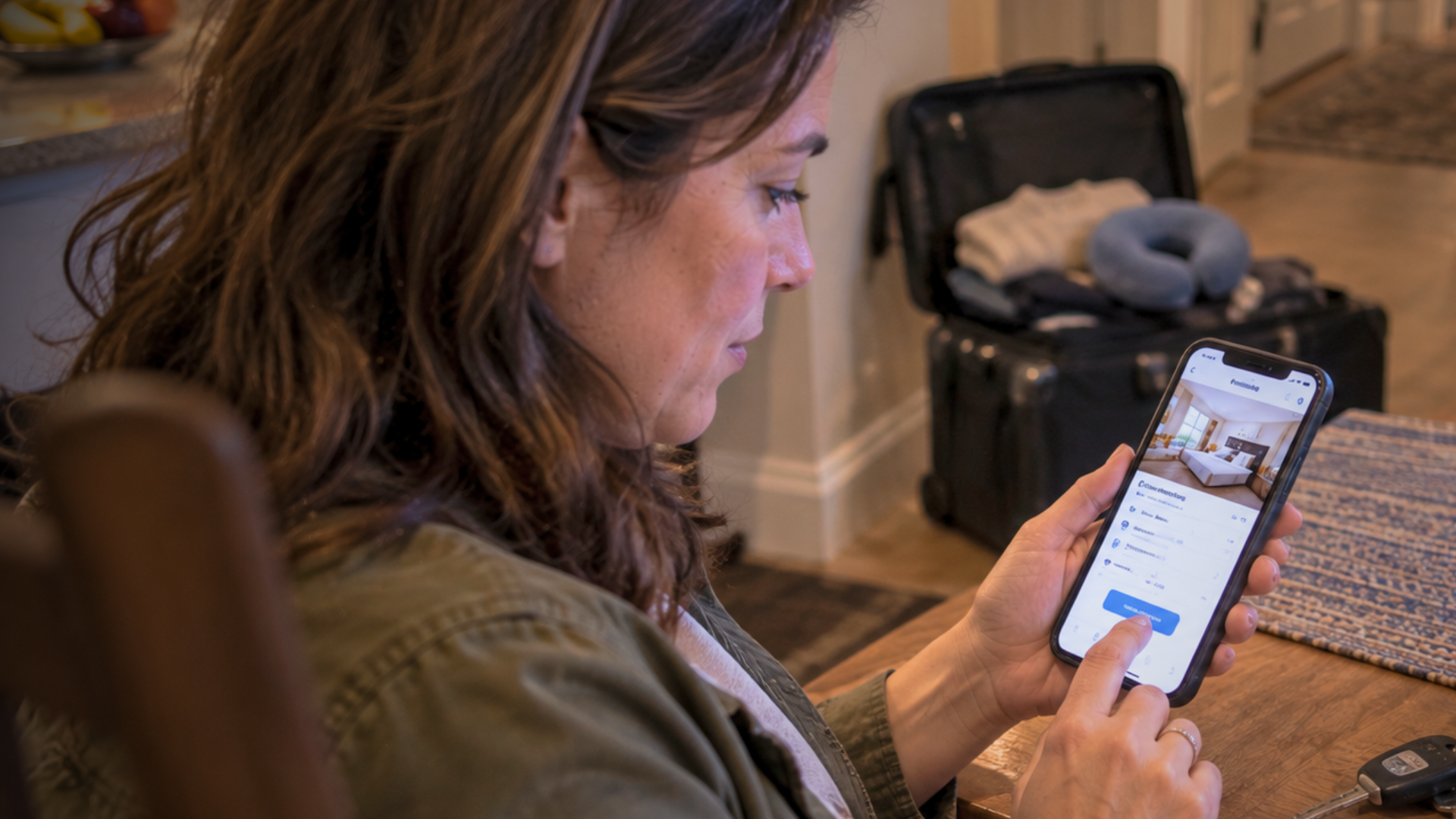

Imagine getting a text from your hotel that knows when you’re checking in and what you paid; everything looks legitimate. So clicking the embedded link feels safe. That is what makes “reservation hijacking” so convincing. Scammers can use real booking information to impersonate hotels or travel companies, making the messages much harder to distinguish from legitimate communication.
This is bigger than a suspicious hotel text. Americans reported losing billions of dollars to fraud, with scammers increasingly reaching victims through texts, emails, phone calls, and social media. Impersonation scams are especially effective because they exploit something travelers already trust: the company they booked with. When a message appears to come from your hotel or airline and includes accurate details about an upcoming trip, there may be little reason to question it.
That is what makes these scams especially dangerous. As cybersecurity expert Iskander Sanchez-Rola put it, “The most dangerous scams don’t look suspicious, they look expected.” A message may arrive at exactly the right time and ask you to confirm a payment, verify your reservation, or update your card information. Instead of trusting the link, travelers should open the hotel or airline’s official app or website directly, or contact the company using a verified number. When scammers can make a message look normal, how you verify it becomes your strongest defense.
The Scam Doesn’t Fake Your Booking, It Steals It
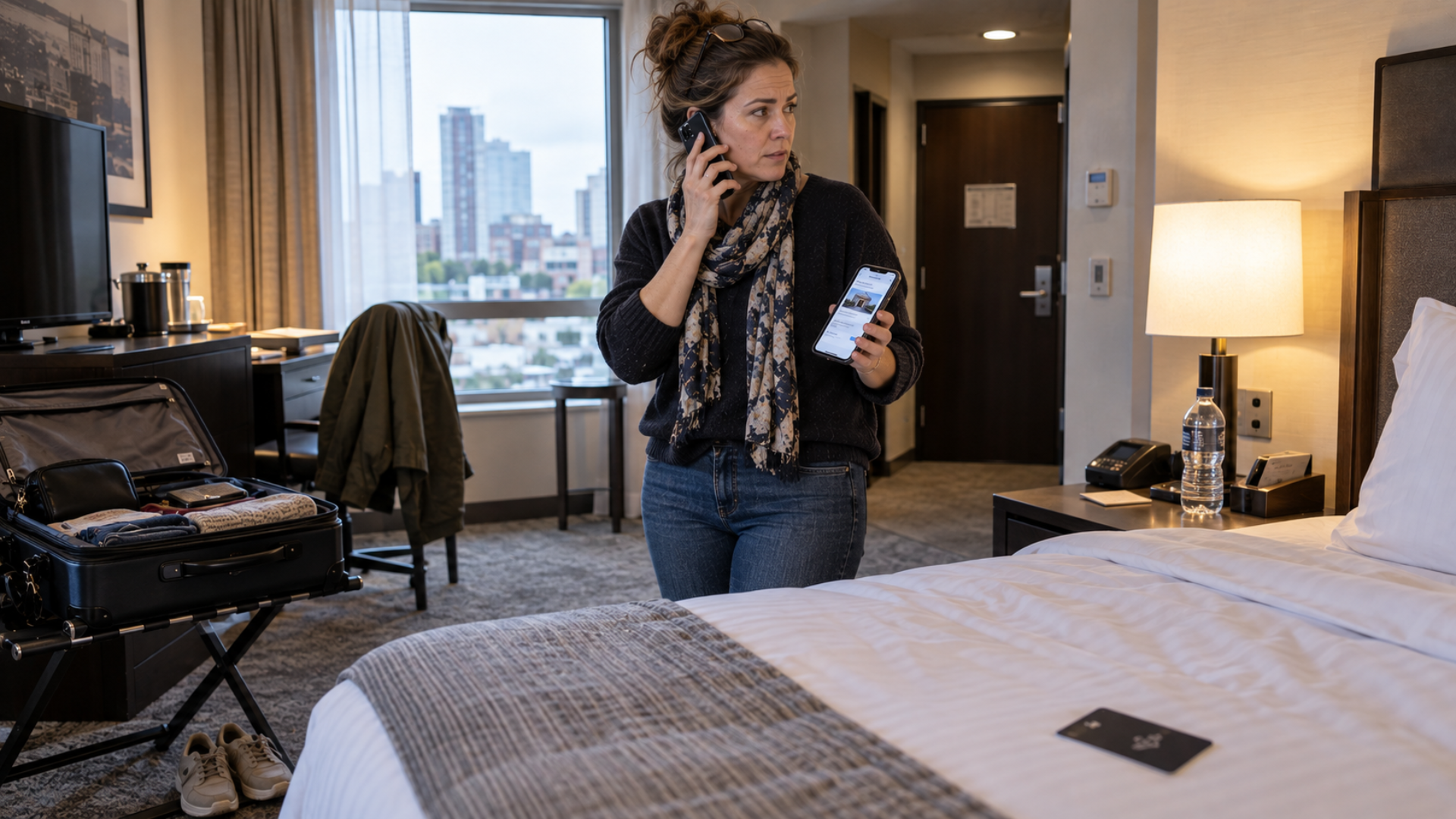
A hotel scam doesn’t need to be fake to hurt you. It just needs your real information. Reservation hijacking starts when scammers send tricky messages to hotel workers, hoping to steal their login passwords. Once inside the hotel’s computer system, scammers can see real guest names, real stay dates, and real room prices. Then they use those true facts to sound just like your hotel when they message you.
The details are what make this scam so hard to catch. Sanchez-Rola said scammers often already know your exact travel dates or your exact room cost before they ever reach out to you. “This isn’t a fake booking confirmation, it’s a real reservation that is weaponized against you,” he said. That single line explains everything. The one thing travelers used to trust, familiar details, is now the very thing tricking them.
Knowing about this trick does not make it easy to spot in the moment. Fear pushes people to act fast, and speed is exactly what scammers count on. Sanchez-Rola says never call the phone number written in the message. Instead, look up your hotel’s real number yourself and call that. It’s a small habit. But it is the one habit strong enough to stop this entire scam before it starts.
A Flight “Cancellation” Text Can Be the First Step of the Trap
A single scary text can make anyone panic before checking the facts. Scammers send urgent messages saying your flight got canceled, often just one day before you fly. Then they offer to rebook you, for a fee. Sanchez-Rola says this scam works because it creates instant panic. You feel like you must act right now or lose your trip completely. That rushed feeling is exactly what the scammer wants you to feel.
Posting a photo of your boarding pass online can hand a stranger more than you think. “The QR codes or the barcodes that are there include a lot of information,” Sanchez-Rola said. He added that some codes even show your return flight. Covering the flight number with an emoji does not fix this. The hidden code still holds the real data, and that one photo can give scammers everything they need.
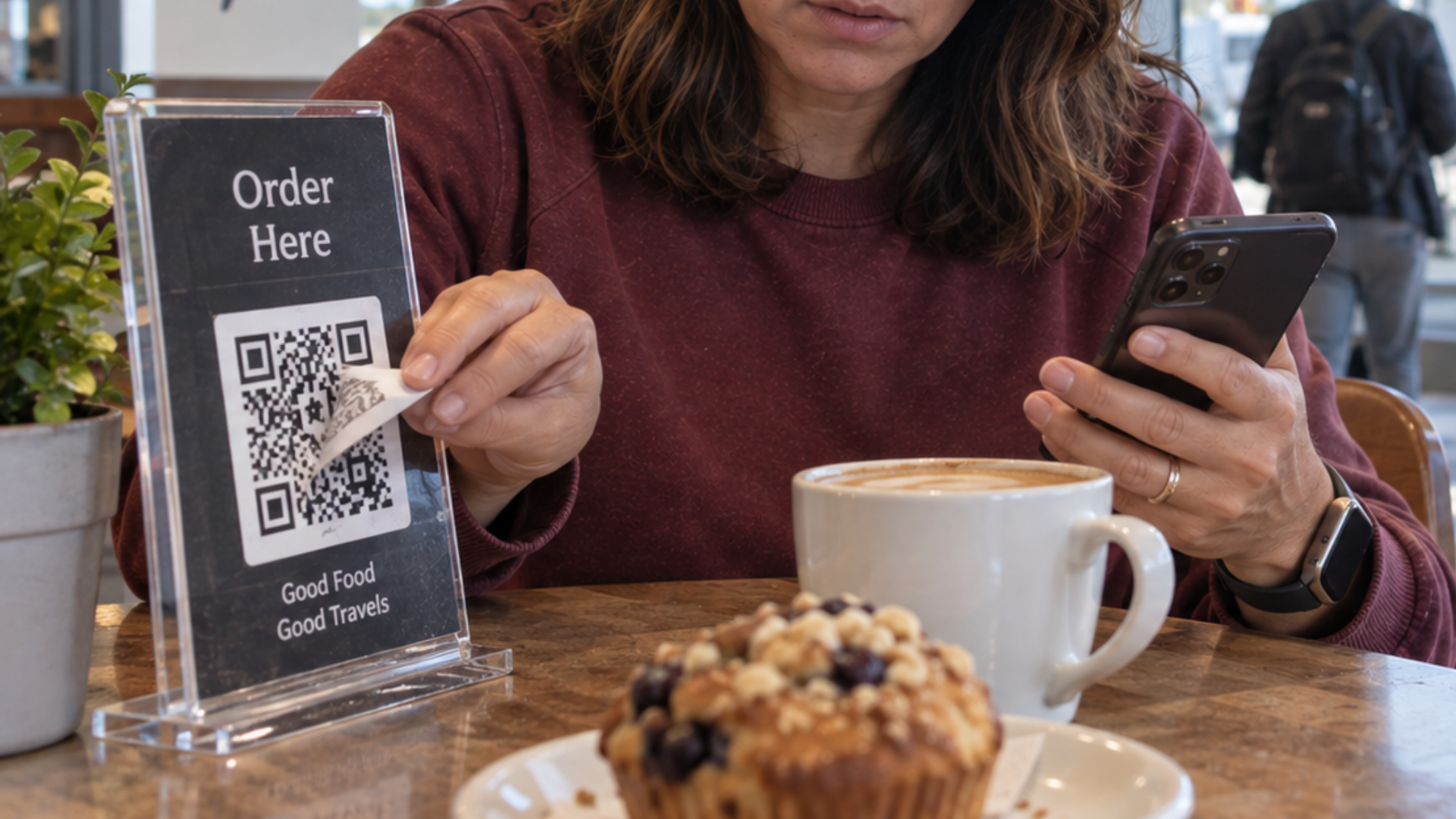
One sticker on a table can fool an entire restaurant. Scammers place a fake QR code sticker right over the real one, sending diners to a fake payment page instead, said Alissa Abdullah, Mastercard’s deputy chief security officer. “You may be sitting at a coffee shop and have a real QR code with a fake one that’s a sticker laid right on top,” Abdullah said. She suggests using cash or a card instead when something feels off.
The Everyday Tools That Make Travel Easy Are Now Working Against You
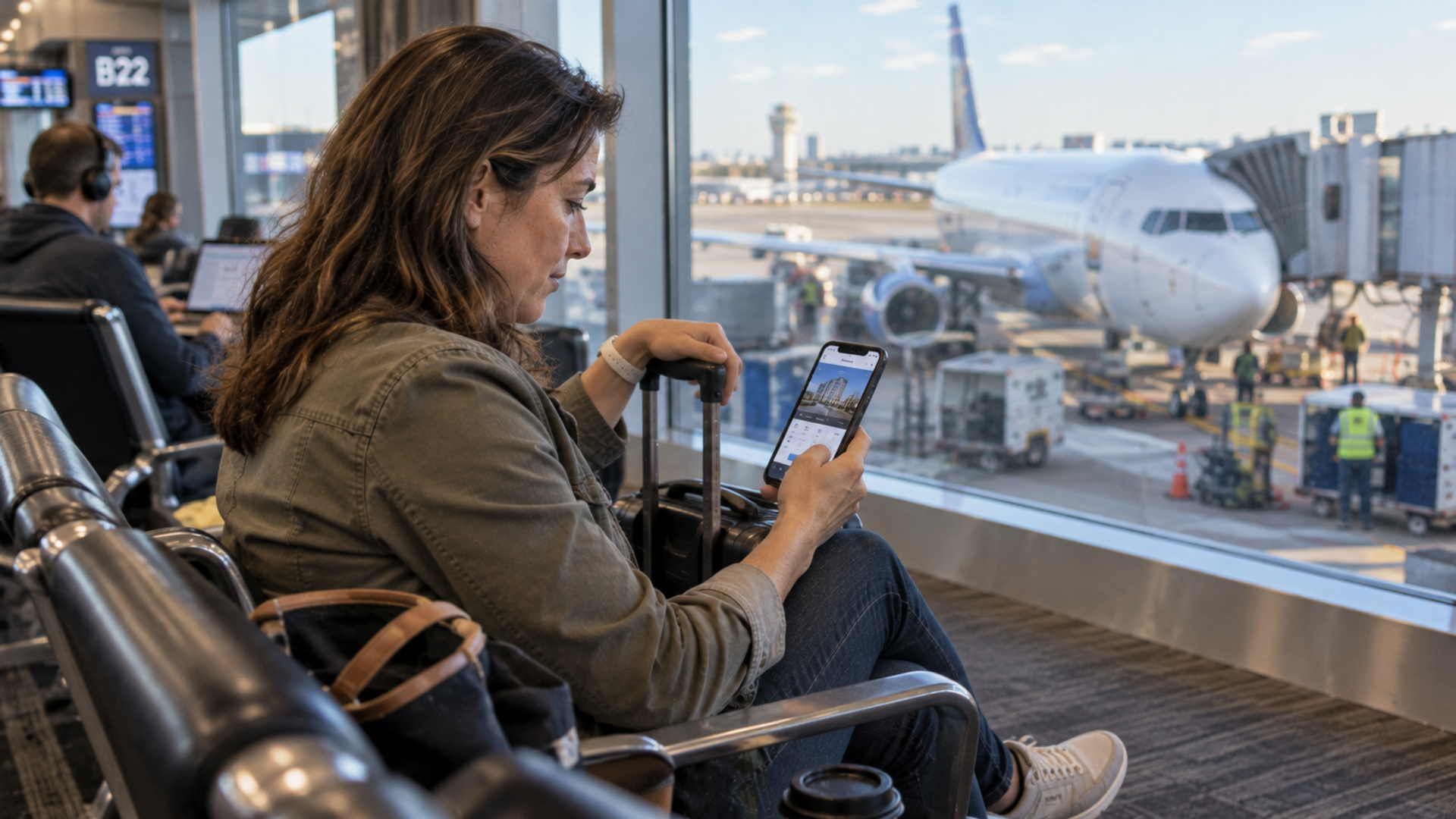
Free Wi-Fi at the airport feels harmless, like a small helpful gift. But it can open a door straight into your phone. Criminals build fake networks with names almost exactly like the real one, hoping tired travelers connect without checking, said Brian Cute, chief executive of the nonprofit Global Cyber Alliance. Once you join, criminals can see your data or even take control of your device. That danger hides behind something as boring as a Wi-Fi login screen.
Cute’s advice is simple. Use public Wi-Fi only for small tasks, like checking directions to your hotel. Save your banking apps and email for networks you truly trust. It sounds obvious. Yet almost no one follows this rule when they are tired, rushed, and just trying to get to their gate on time. Simple habits like this one matter more than most travelers realize.
None of these scams needed a criminal genius. They only needed patience and small scraps of real information. A real check-in date. A real QR code. A real Wi-Fi name, copied almost perfectly. What changed is not how travelers act. It’s that the small, familiar signs people once trusted, a matching name, a working link, a normal-looking code, no longer tell the difference between something safe and something built to rob them.