Researchers Find a Lost Mountain Temple, And It’s Rewriting What We Knew About a Vanished Civilization
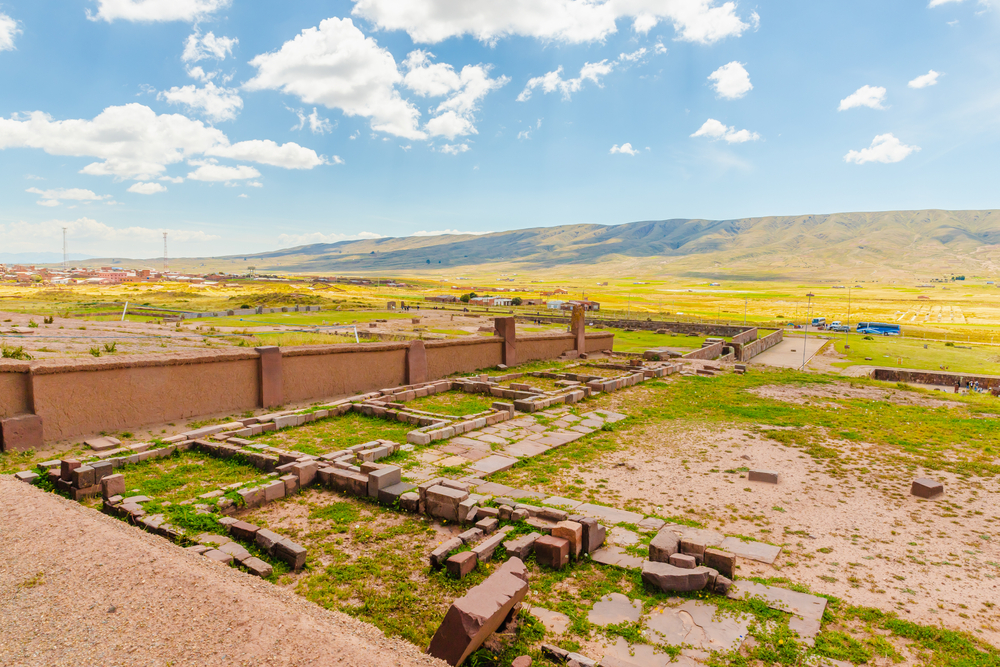

At nearly 13,000 feet above sea level, the ancient city of Tiwanaku rises from the Bolivian highlands in massive blocks of stone. For decades, archaeologists have studied its monumental platforms and sunken temples, tracing the reach of a civilization that thrived between about A.D. 500 and 1000. Now, a newly identified mountain temple is reshaping what scholars thought they knew about how far that influence truly extended.
A Temple on the Edge of Empire
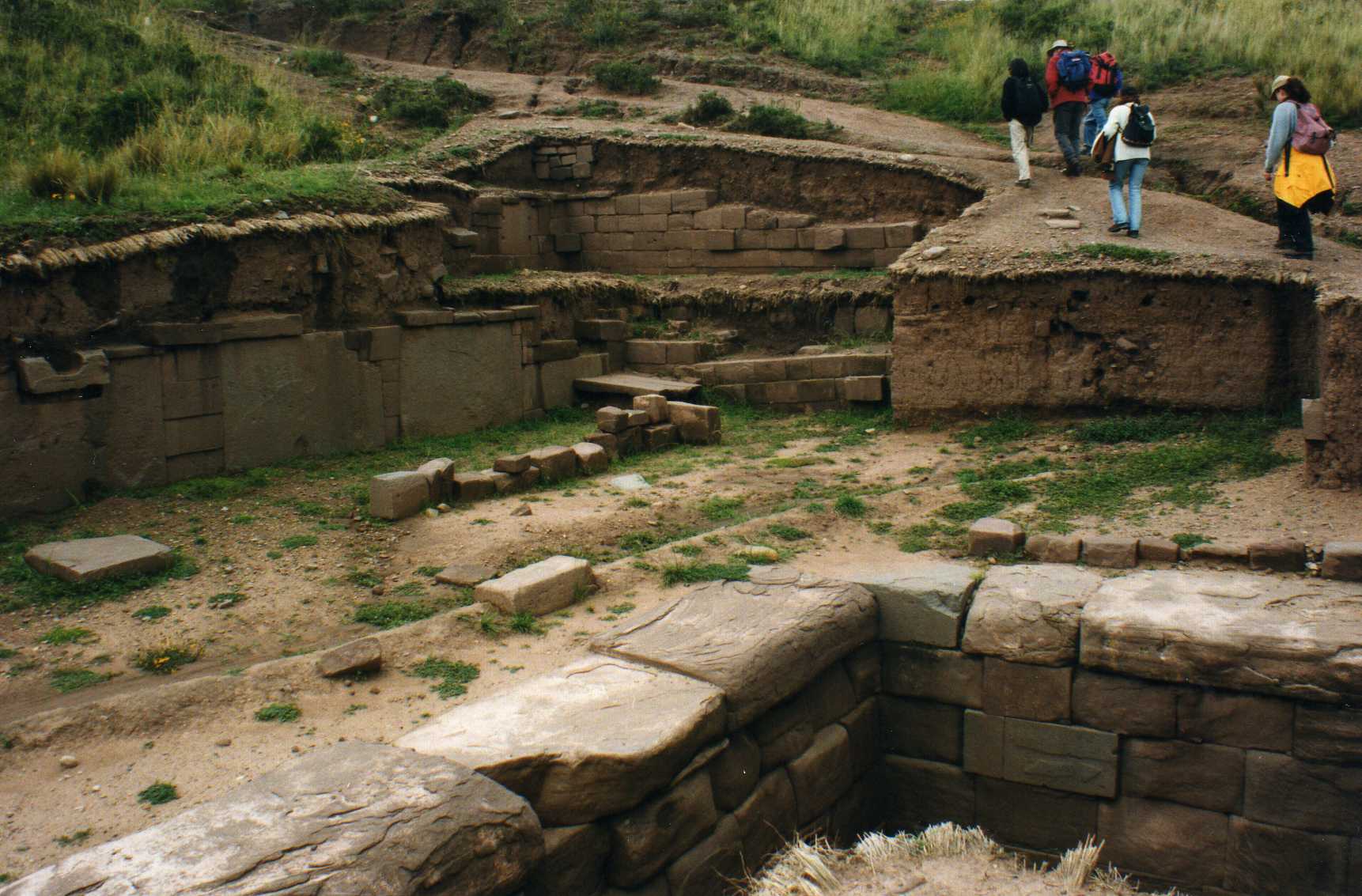
In 2025, researchers announced the discovery of a large terraced platform temple called Palaspata, located about 130 miles south of Tiwanaku. The structure, roughly the size of a city block, sits in a strategic corridor linking the Andean highlands with valleys to the east and arid plateaus to the west. The study, published in Antiquity, reveals the temple aligns with the solar equinox, suggesting ceremonial use tied to cosmology.
More Than a Local Shrine
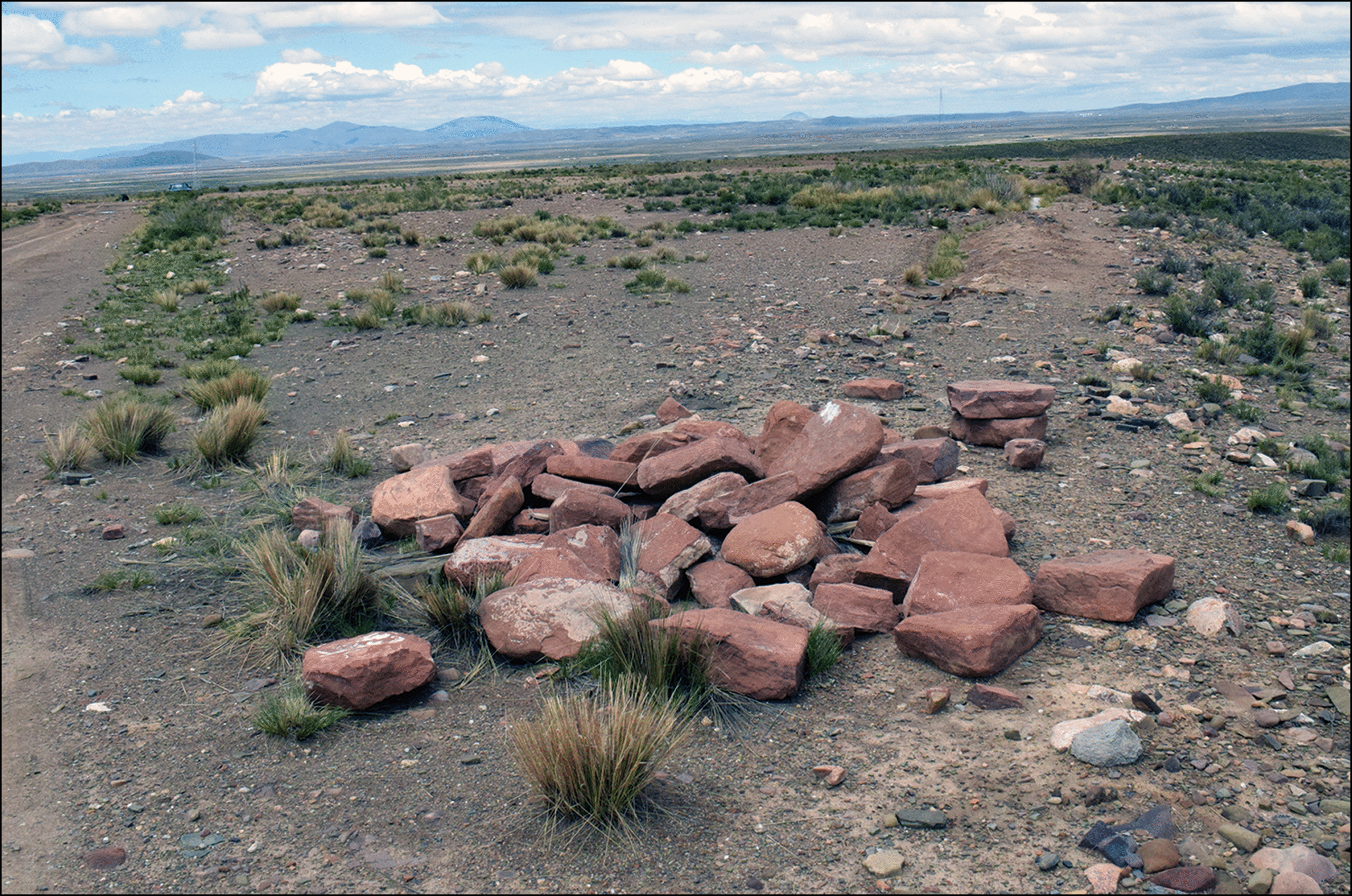
Radiocarbon dating places Palaspata’s peak activity between about A.D. 630 and 950, firmly within the height of Tiwanaku power. José Capriles, an anthropological archaeologist at Penn State and lead author of the study, explained in a university statement that economic and political transactions were often mediated through shared religious practices. The temple’s scale and placement indicate it served as both a spiritual and administrative hub, not an isolated outpost.
Rethinking Tiwanaku’s Reach
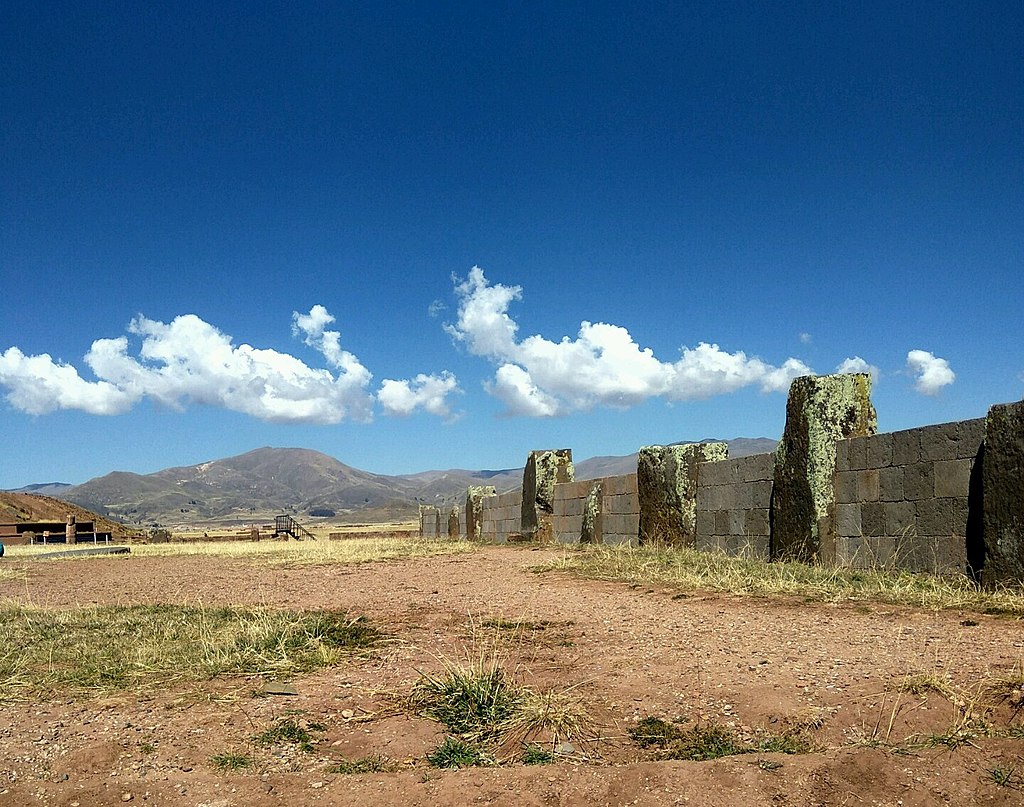
For years, scholars debated how far Tiwanaku authority extended beyond the Lake Titicaca basin. The new temple suggests a more deliberate southeastern expansion than previously documented. By anchoring trade routes and ritual gatherings in distant terrain, Tiwanaku leaders appear to have projected power through architecture as much as through direct control.
The City That Touched the Sky
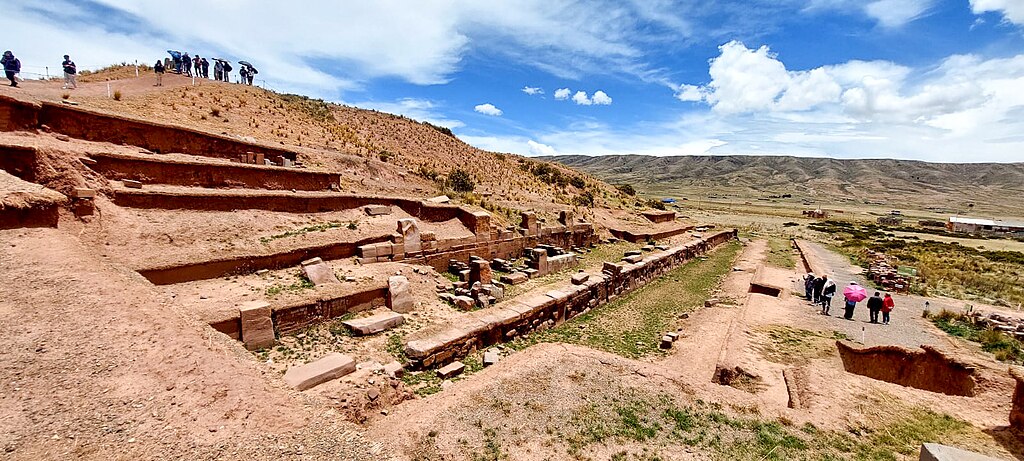
The original city of Tiwanaku, built near Lake Titicaca, covered more than two square miles at its height and may have supported at least 10,000 residents. Organized in a grid plan and divided into barrios, the urban center featured massive adobe compound walls and monumental stone platforms. Live Science describes it as one of the highest urban centers ever constructed, reflecting both engineering skill and environmental adaptation.
Sacred Geometry and Sunken Courts
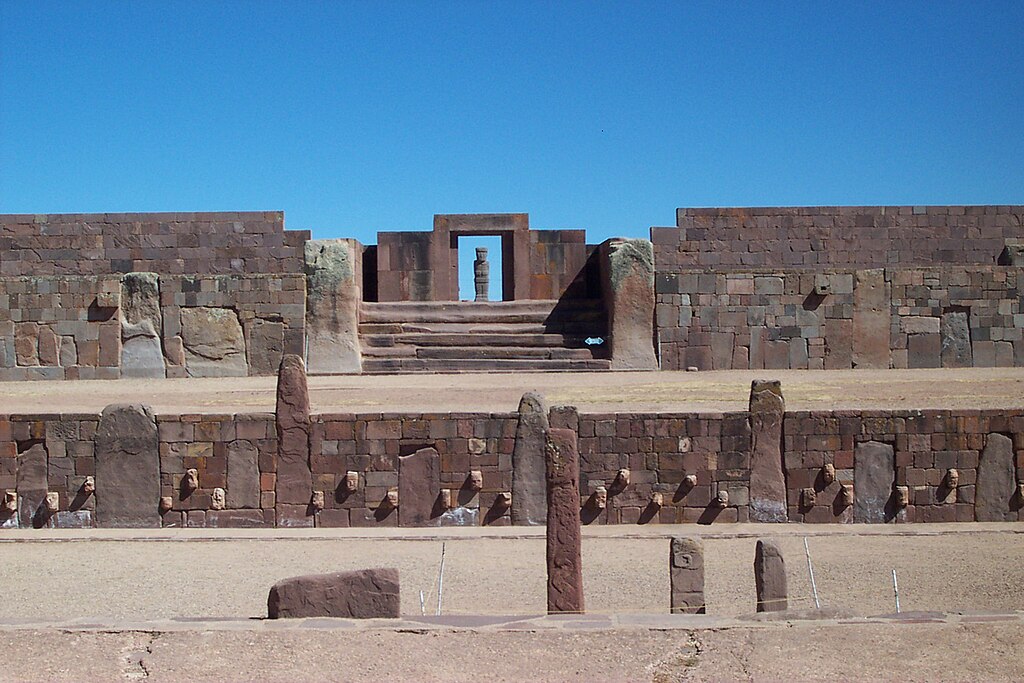
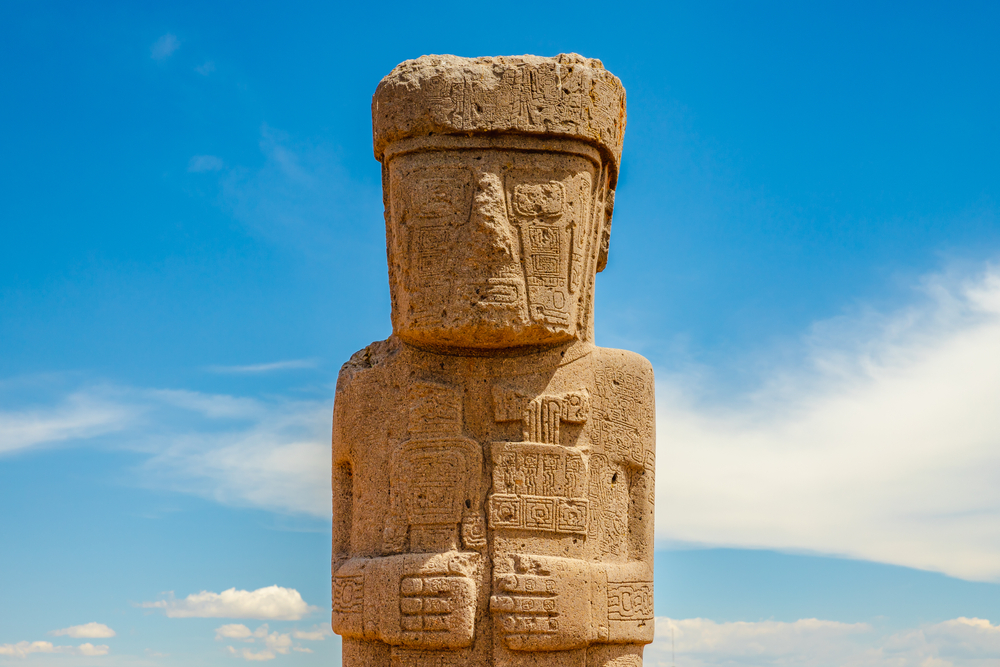
At the heart of Tiwanaku lies the Sunken Temple, accessed by descending a staircase into a stone-lined court. Vanderbilt University archaeologist John Wayne Janusek has described the carved monoliths within as depictions of powerful mythical ancestors in his book, Ancient Tiwanaku. Nearby stands the Kalasasaya platform, a ceremonial complex that reinforced the city’s ritual identity through carefully aligned architecture.
The Power of Monumental Design
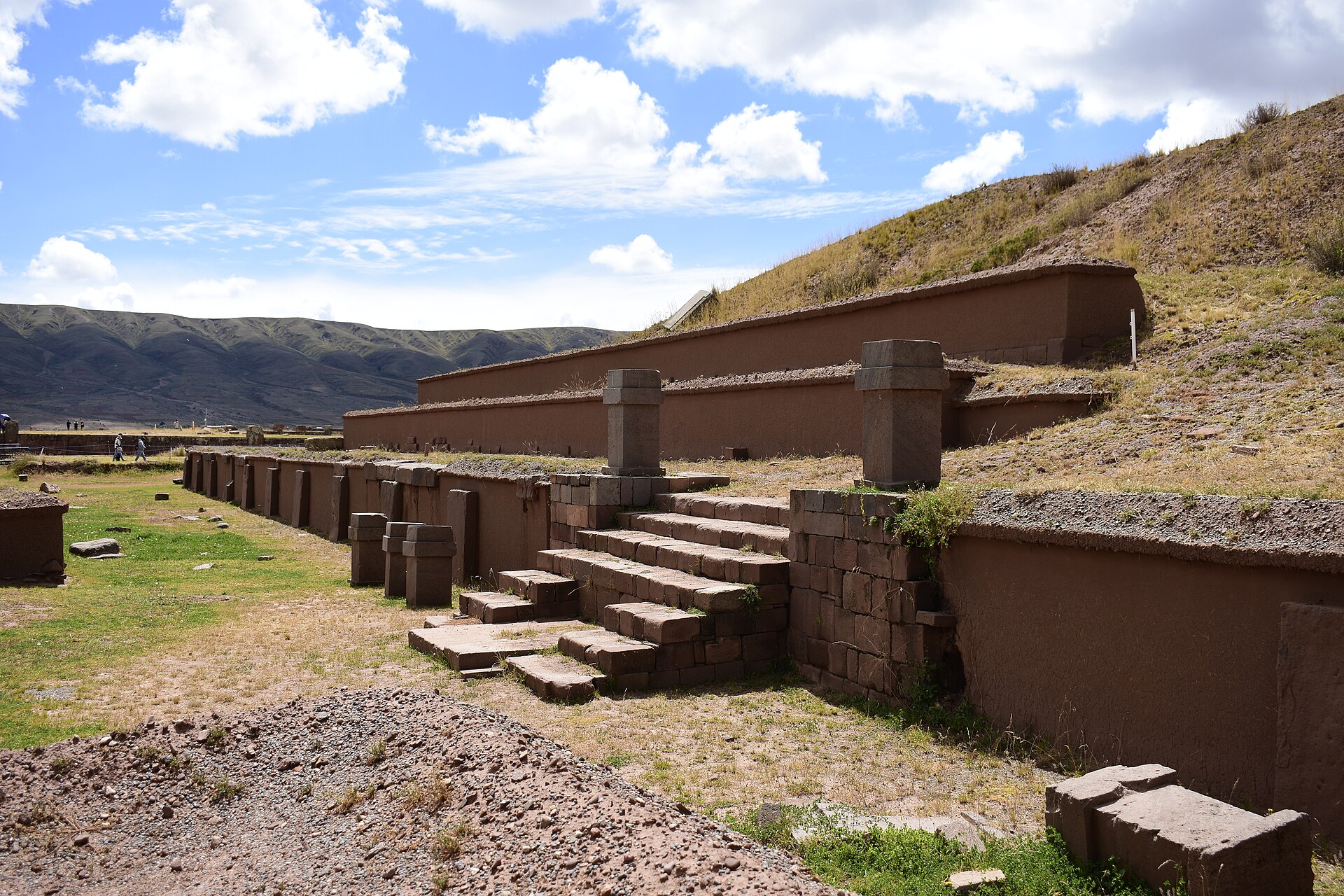
Another dominant feature is the Akapana, a six-terraced artificial pyramid that once rose more than 50 feet high. Archaeological excavations uncovered human remains near its base, some bearing cut marks that suggest ritual sacrifice. These discoveries hint at the intersection of political authority and sacred performance in Tiwanaku society.
An Unfinished Platform and a Watery World
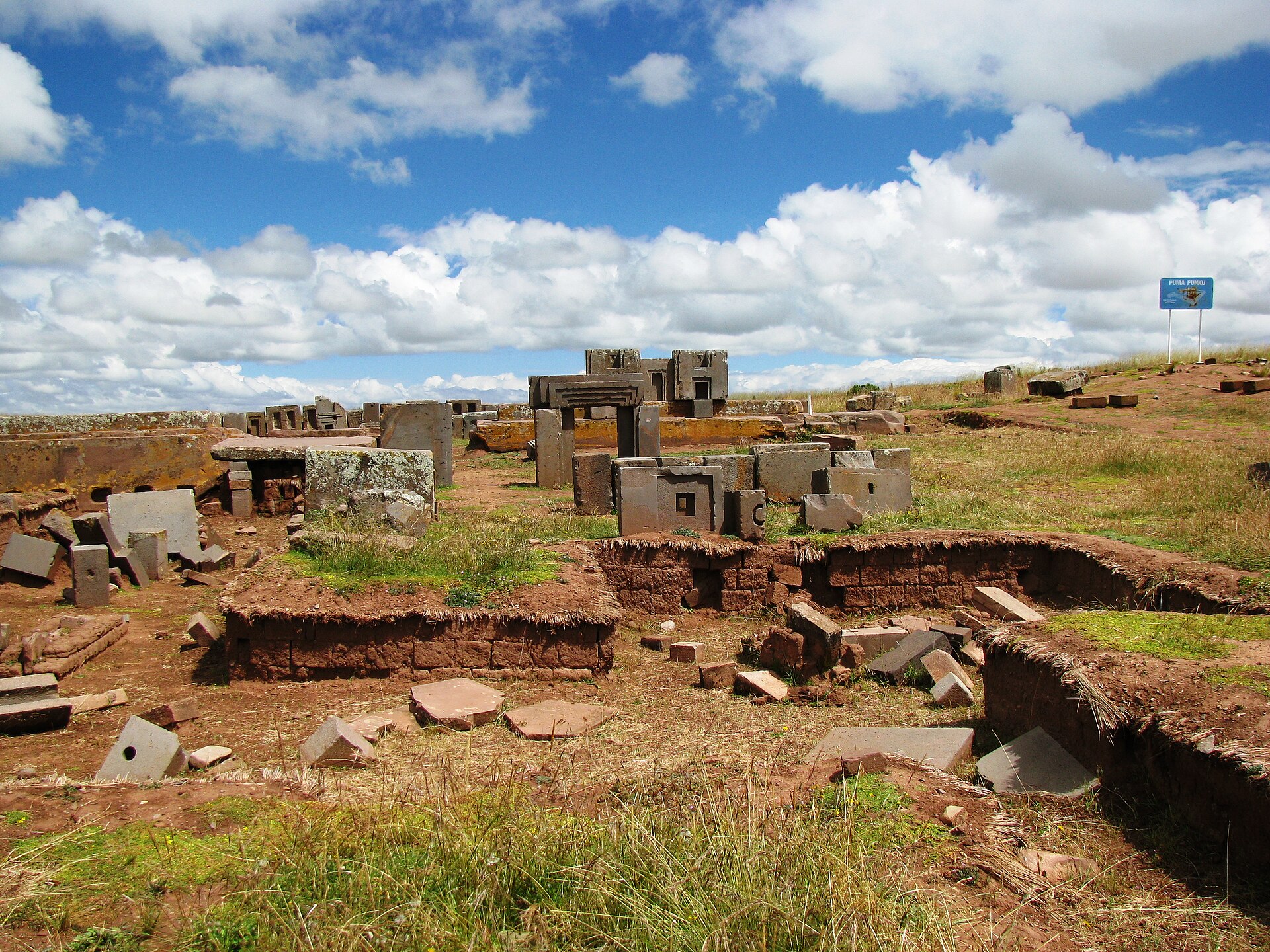
Southwest of the city core sits Pumapunku, an immense, unfinished platform known for its precisely cut stone blocks. Researchers believe water played a central role in ceremonies there, with springs and stone conduits integrated into the site’s design. The emphasis on water management reflects a broader Andean tradition in which landscape engineering and ritual practice were closely linked.
Collapse in the Highlands
Around A.D. 1000, Tiwanaku entered a period of decline and was eventually abandoned. The fall occurred roughly alongside the collapse of the Wari culture in present-day Peru, leading some scholars to examine whether environmental shifts affected both societies. Archaeologist Alexei Vranich has noted in an article that even after abandonment, Tiwanaku remained a significant religious landmark in Andean memory.
A Vanished Civilization, Reframed
The discovery of Palaspata adds a new chapter to the story of a civilization that left no written records but built enduring monuments. It shows Tiwanaku leaders investing in distant ceremonial centers that connected trade, faith, and governance across rugged terrain. Rather than a city-state confined to Lake Titicaca, Tiwanaku now appears as a dynamic Andean power that shaped the region’s cultural landscape long before the rise of the Inca.