Report: New York Is Sinking, and 1.68 Trillion Pounds of Buildings Are Helping Push It Down


Somewhere beneath Manhattan’s skyline, the earth is quietly giving way. Scientists have now put a number on why: the city’s 1,084,954 buildings weigh a combined 1.68 trillion pounds, roughly the mass of 1.9 million fully loaded jumbo jets. That weight is pressing the ground down, and in some neighborhoods, it is happening faster than anyone expected.
Researchers Mapped Every Single Building In The Five Boroughs
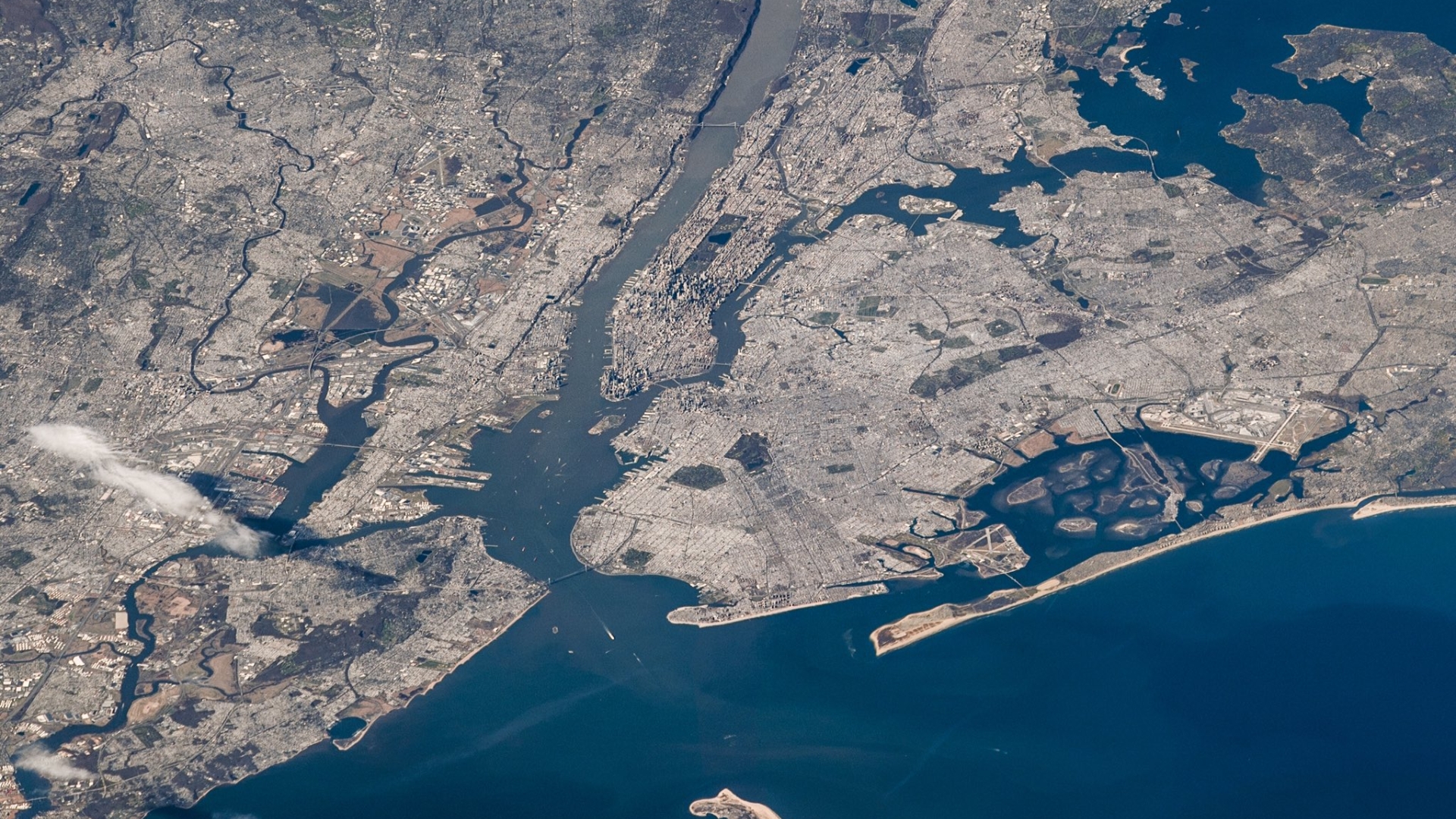
The study came from a team led by Tom Parsons, a geophysicist with the U.S. Geological Survey, working alongside researchers from the University of Rhode Island. They divided New York into a grid, pulled footprint and height data for every structure in the five boroughs, and used building codes to estimate how much each one weighed. The total, published in the journal Earth’s Future, surprised even the people who calculated it.
The City’s Buildings Outweigh All Of Humanity Combined
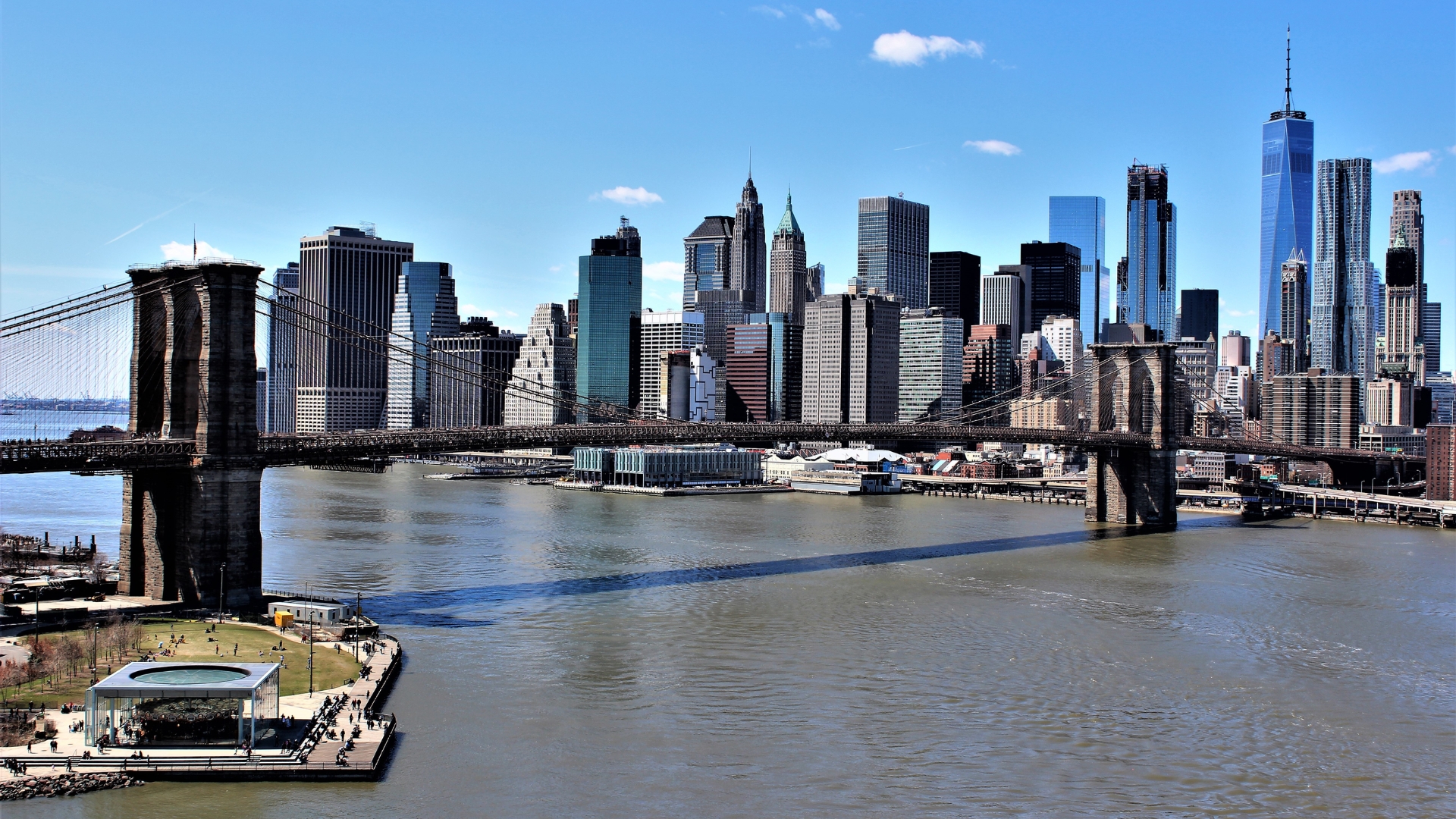
To put 1.68 trillion pounds in perspective, that figure comes close to double the combined weight of every person on Earth. Lower Manhattan absorbs an outsized share of that load. Parsons described the skyline there as resembling a mountain range the city built for itself, one that keeps pressing down on the same patch of ground decade after decade.
Some Neighborhoods Are Sinking Four Times Faster Than Others
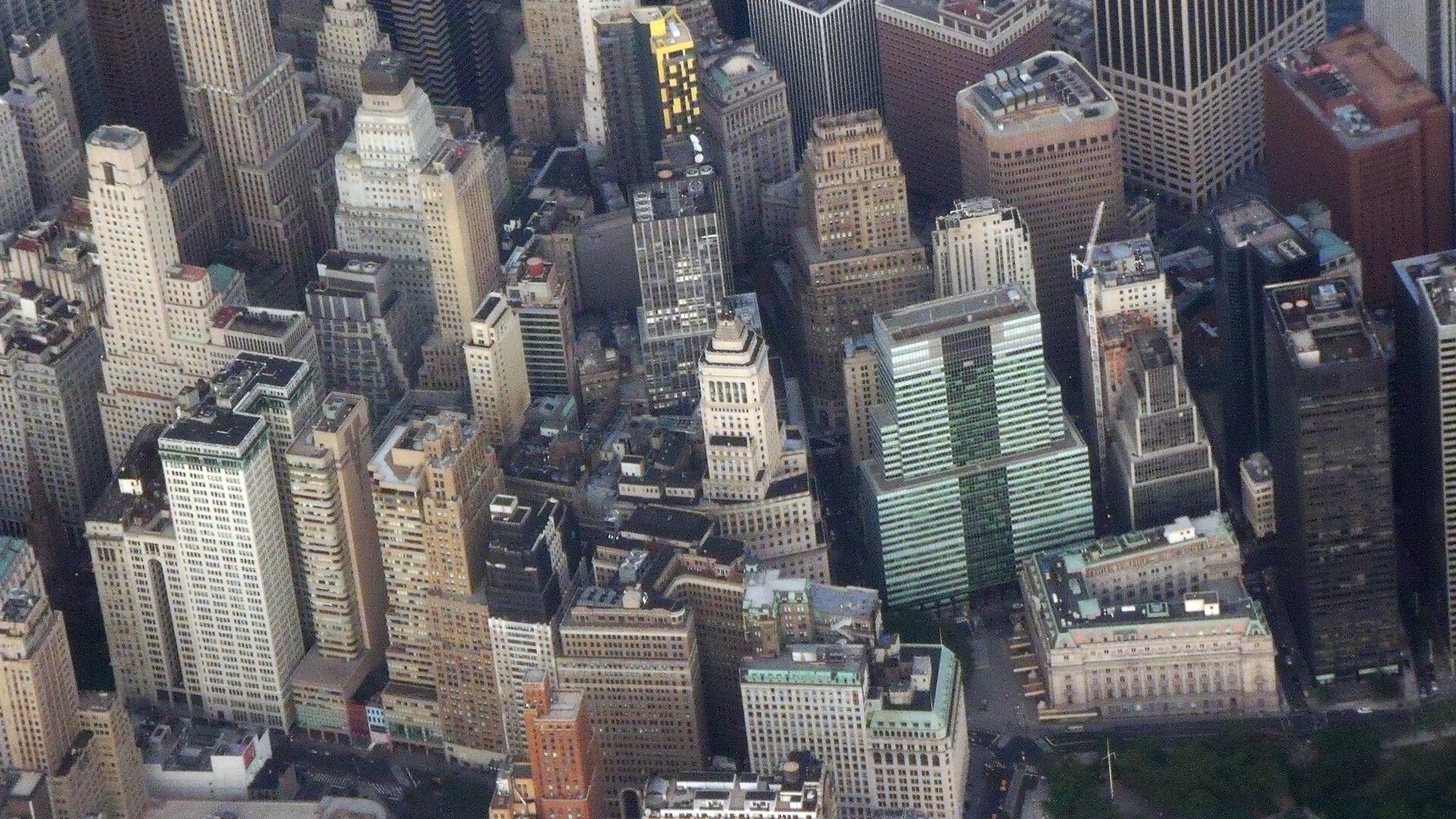
Feeding that weight data into ground models, the team found New York sinking by an average of 1 to 2 millimeters a year, with pockets in Lower Manhattan, Brooklyn and Queens dropping as fast as 4.5 millimeters annually. Areas built on soft clay or artificial landfill compressed the most, while neighborhoods sitting on bedrock, like much of Midtown, barely moved at all.
A Sinking Patch On Staten Island Still Has No Explanation
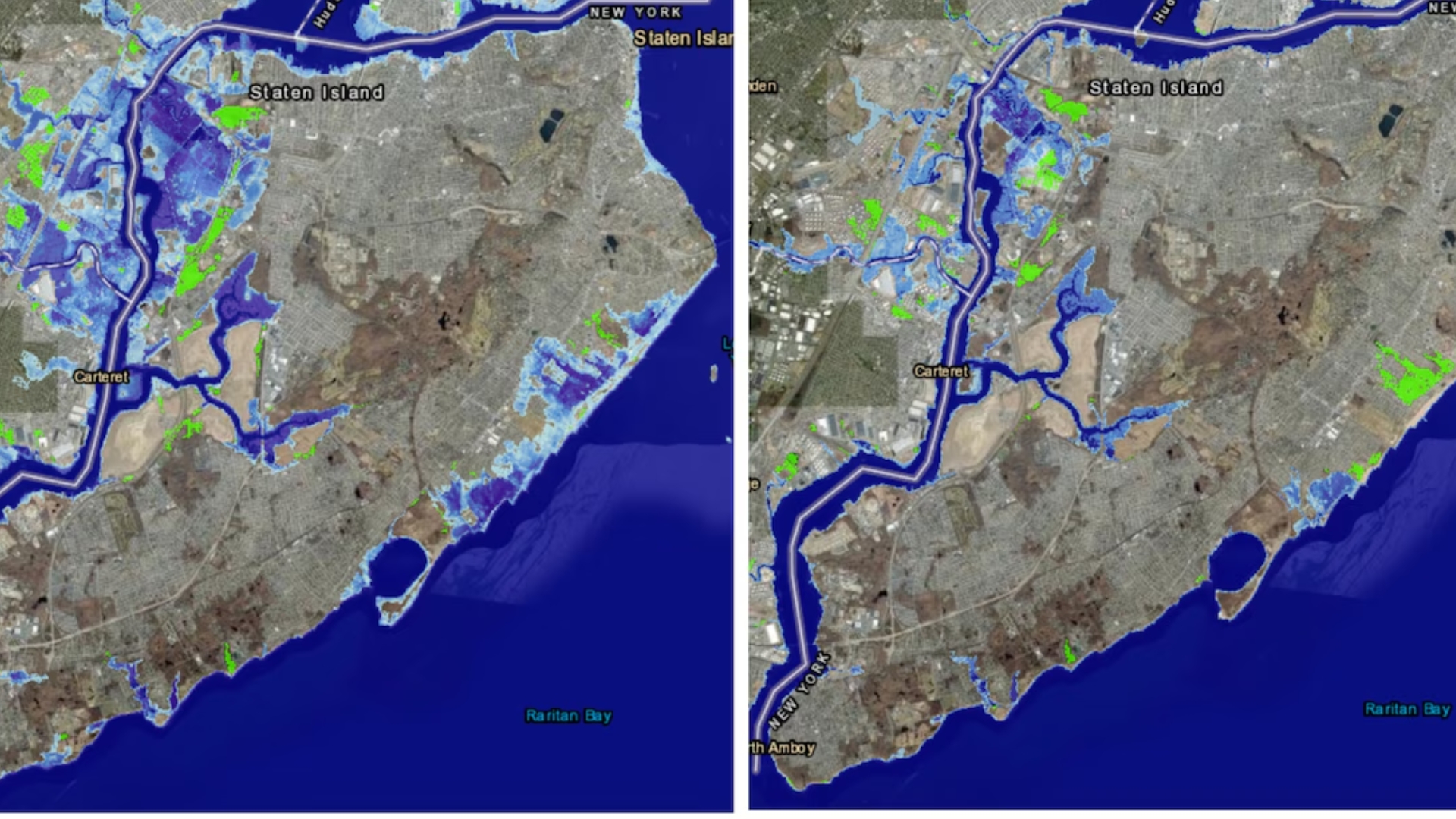
Not every sinking spot fits the pattern. Parsons flagged subsidence on the north end of Staten Island that doesn’t line up with construction, soil type, or any of the usual causes his team checked against. “That still remains a mystery,” he said, leaving one section of the city’s slow descent completely unaccounted for.
Buildings Aren’t The Only Reason The City Is Dropping
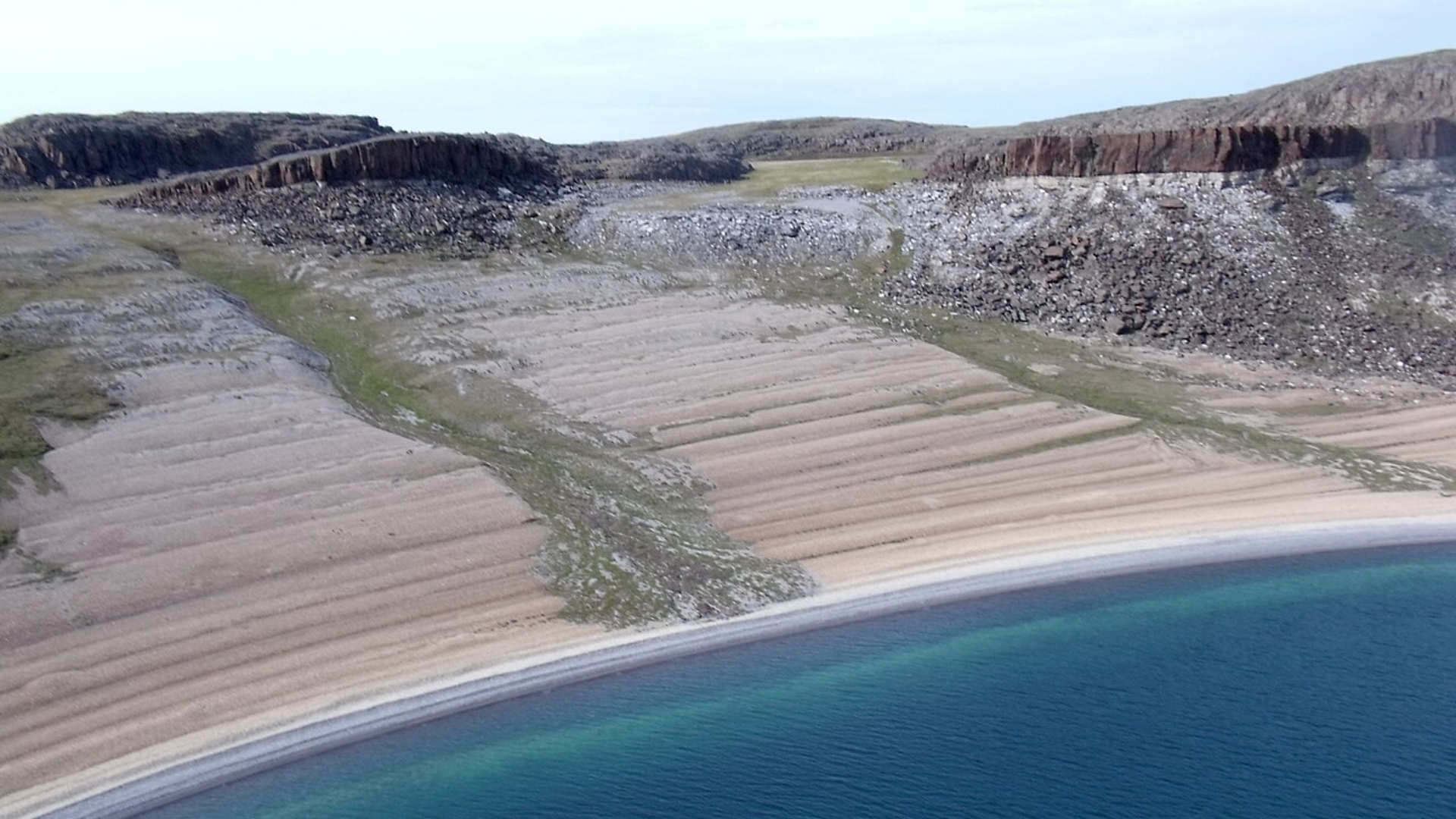
Some of the sinking has nothing to do with skyscrapers at all. Parsons pointed to post-glacial rebound, land still settling as it adjusts from the last ice age, and groundwater pumping as separate, older forces already pulling the region downward. The buildings are compounding a process that was underway long before Manhattan had a skyline.
The Sinking Is Colliding With Rising Seas And Bigger Storms
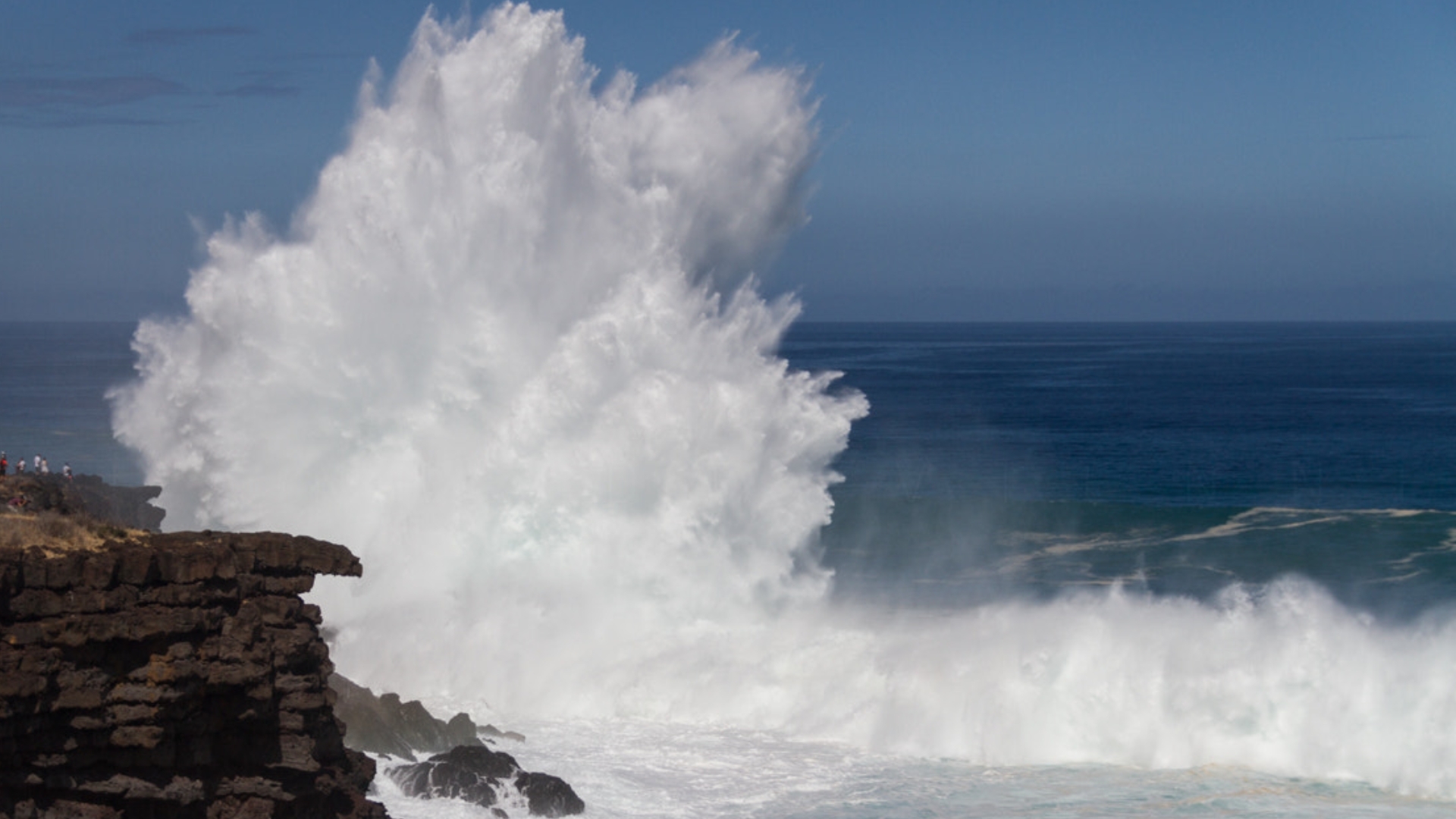
Around New York, sea levels have climbed at more than twice the global average, and the city expects waters to rise another 8 to 30 inches by 2050. Climate change is also expected to bring more frequent nor’easters and hurricanes. Parsons pointed to Hurricane Sandy and Hurricane Ida as recent examples of how quickly heavy rainfall can overwhelm a city that is already losing ground.
New York Isn’t Alone, And Jakarta Shows The Extreme Case
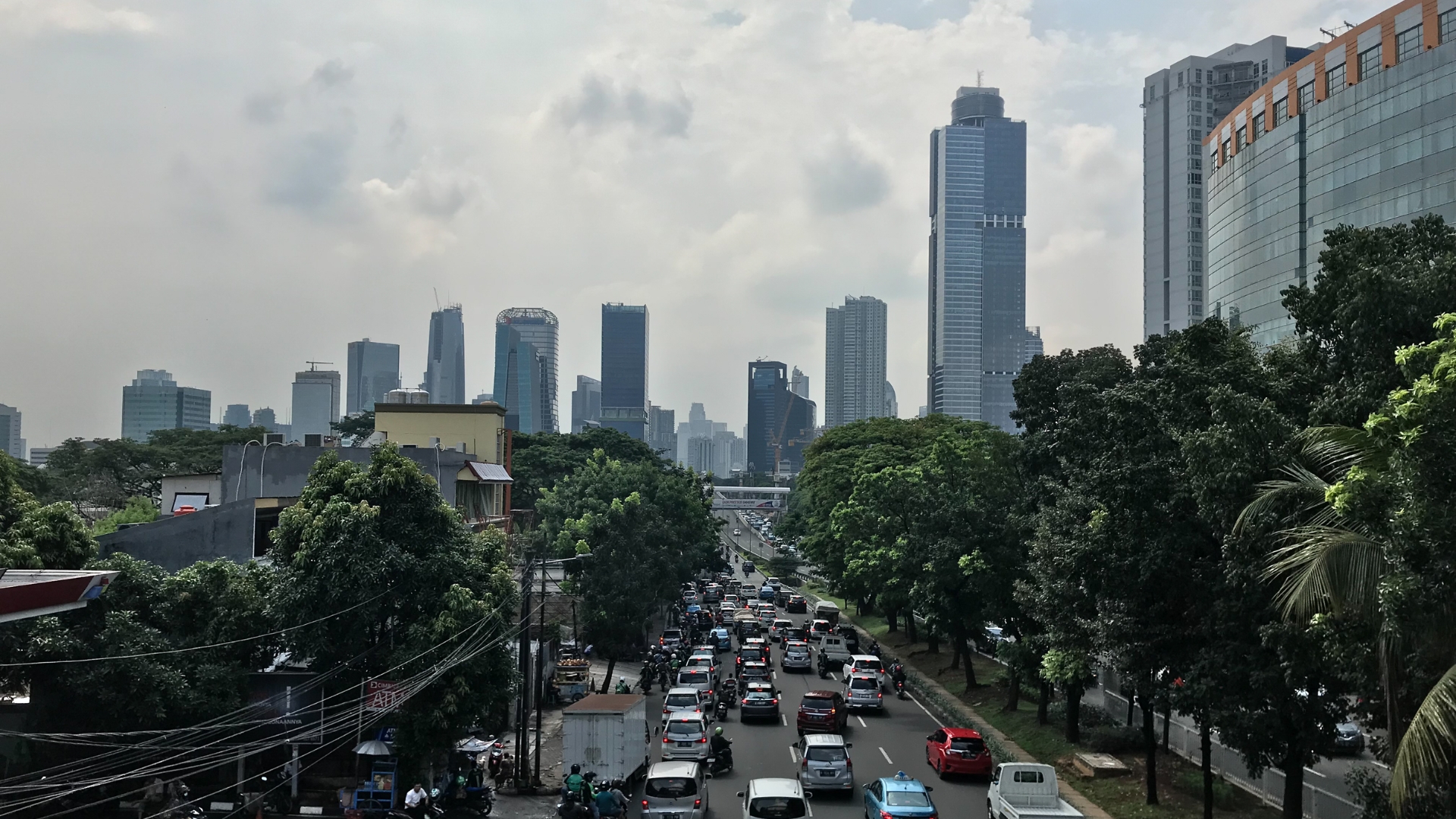
Sinking cities are a global pattern, not a New York problem alone. Co-author Steven D’Hondt noted that colleagues studied 99 cities worldwide, coastal and inland, and found subsidence in the vast majority of them. Jakarta is the starkest example: the Indonesian capital is sinking so fast that the government is relocating its seat of government to a newly built city on Borneo.
Some Buildings Could Eventually Push The Ground Down Two Feet
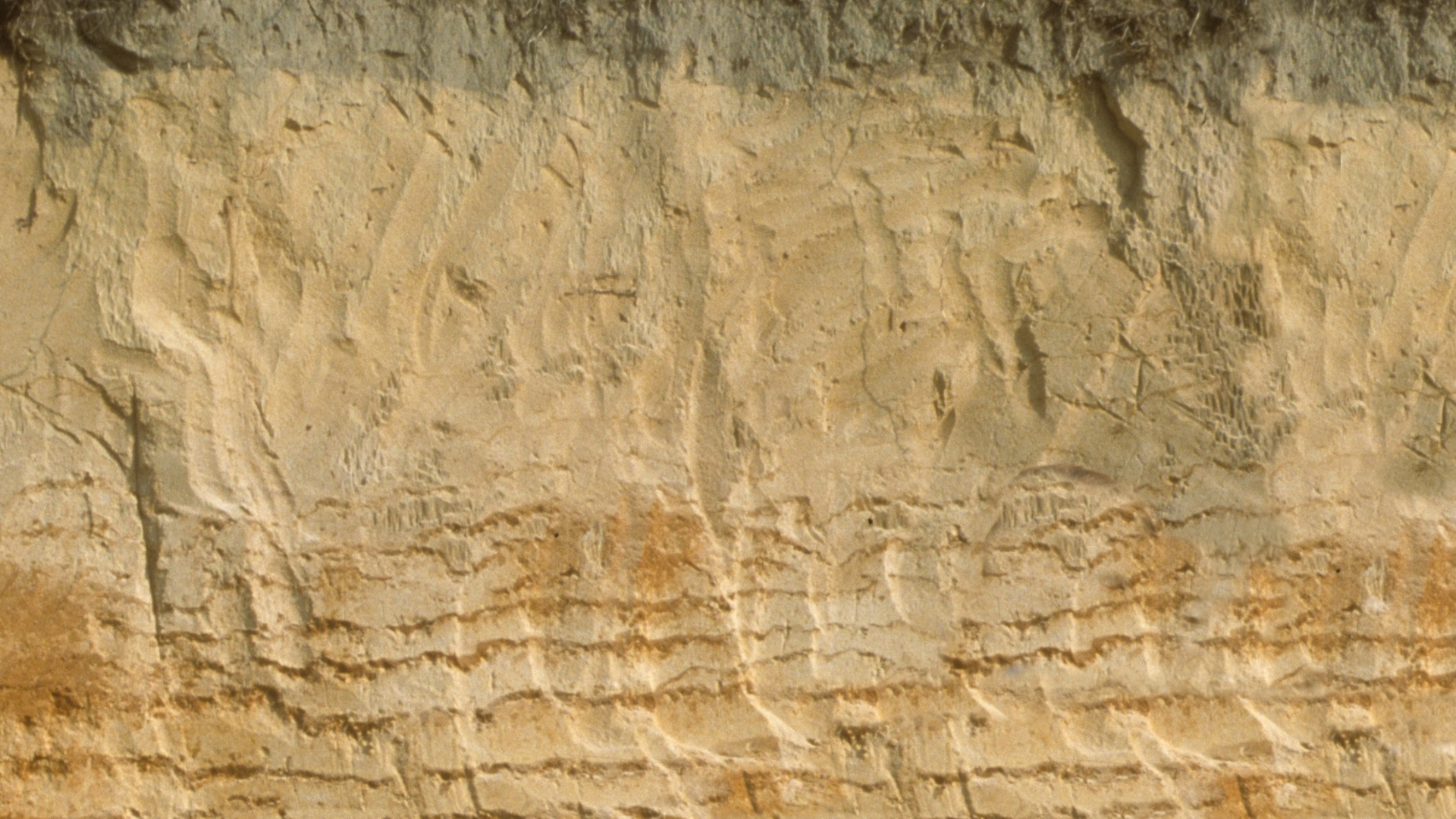
Modeling in the study suggests that, depending on the soil beneath them, certain buildings have the potential to drive local subsidence as much as 600 millimeters, or nearly two feet, over time. Researchers also found that 90% of structures inside the city’s expanded post-Sandy flood zones were not built to current floodplain standards.
Nobody Is Panicking, But The Clock Is Already Running
Parsons is careful to say this isn’t cause for alarm today. The process is gradual, and the ocean isn’t moving in overnight. But he doesn’t dispute where it leads. “It’s inevitable,” he told Fox5NY. “The ground is going down, and the water’s coming up. At some point, those two levels will meet.” Exactly when is unclear. That it will happen is not in question.