Report: Future Pandemics Could Be Deadlier and More Disruptive Than COVID
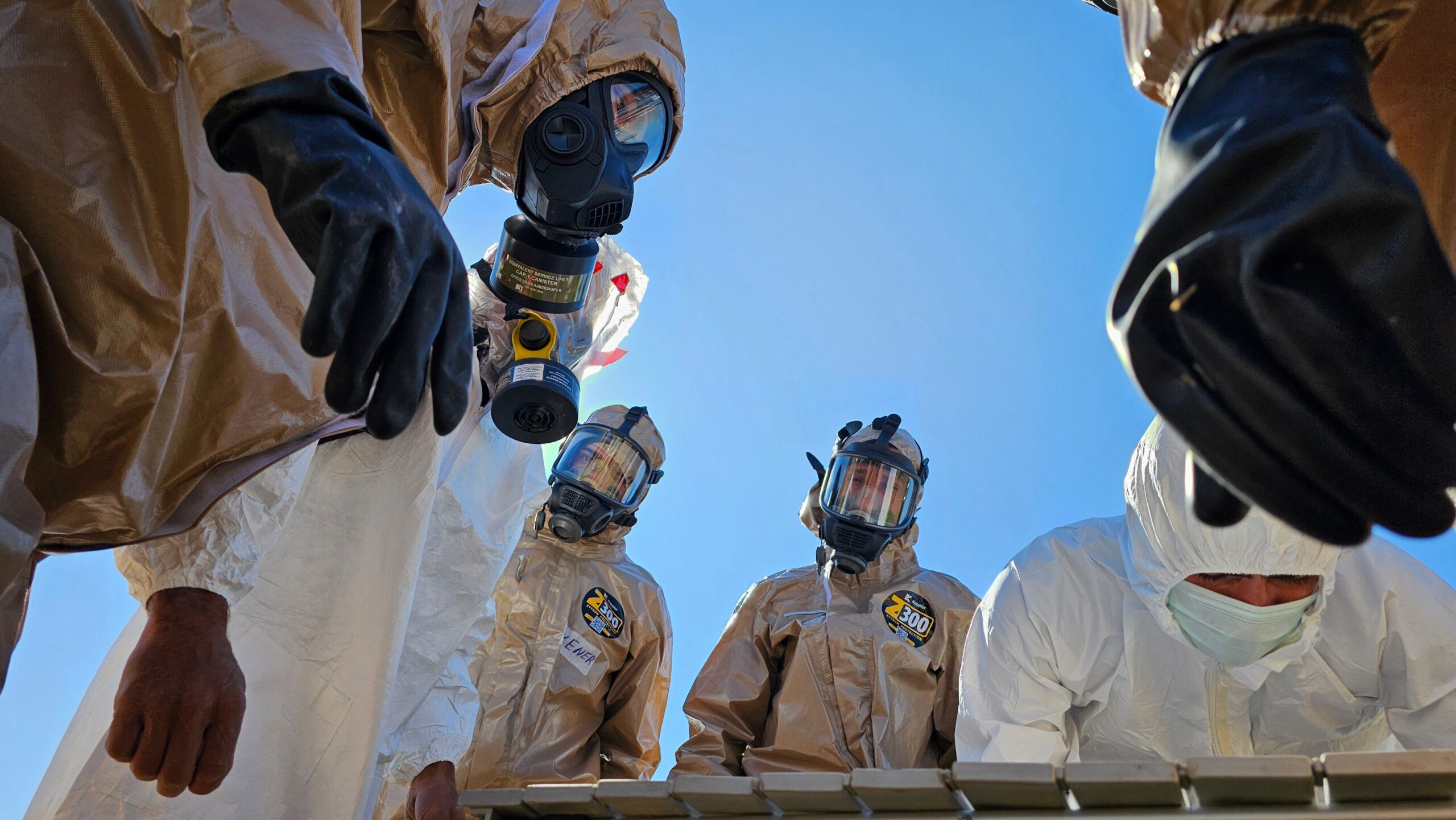

The next global pandemic may not look like COVID-19, but experts warn it could be even more dangerous.
A growing number of public health leaders and researchers are sounding the alarm that the world remains vulnerable to future disease outbreaks despite the hard lessons learned during the COVID-19 crisis. New assessments suggest that while scientific tools have advanced, many of the underlying risks that fuel pandemics are increasing.
According to recent reports, infectious disease outbreaks are becoming more frequent, while factors such as climate change, armed conflict, rapid global travel, misinformation, and declining trust in public institutions are creating conditions that could make future health emergencies harder to control.
Progress Has Been Made, But Experts Say It Isn’t Enough

Since COVID-19 swept across the globe, governments, health organizations, and researchers have made significant investments in preparedness. The World Health Organization points to expanded genomic surveillance, improved laboratory networks, stronger disease-monitoring systems, pandemic-response funding, and new international agreements designed to strengthen global cooperation.
Advances in vaccine technology have also transformed the public health landscape. Scientists can now develop and test vaccines more quickly than ever before, while artificial intelligence and real-time data systems offer new ways to detect emerging threats. Researchers say these tools could significantly improve future responses if used effectively.
Yet experts caution that these gains remain fragile. Several reports argue that investments in preparedness have not kept pace with rising risks. In some countries, funding for public health infrastructure has declined, while international cooperation has become increasingly strained. Trust in institutions—considered critical during health emergencies—has also eroded in many parts of the world.
Why the Next Pandemic Could Be Worse
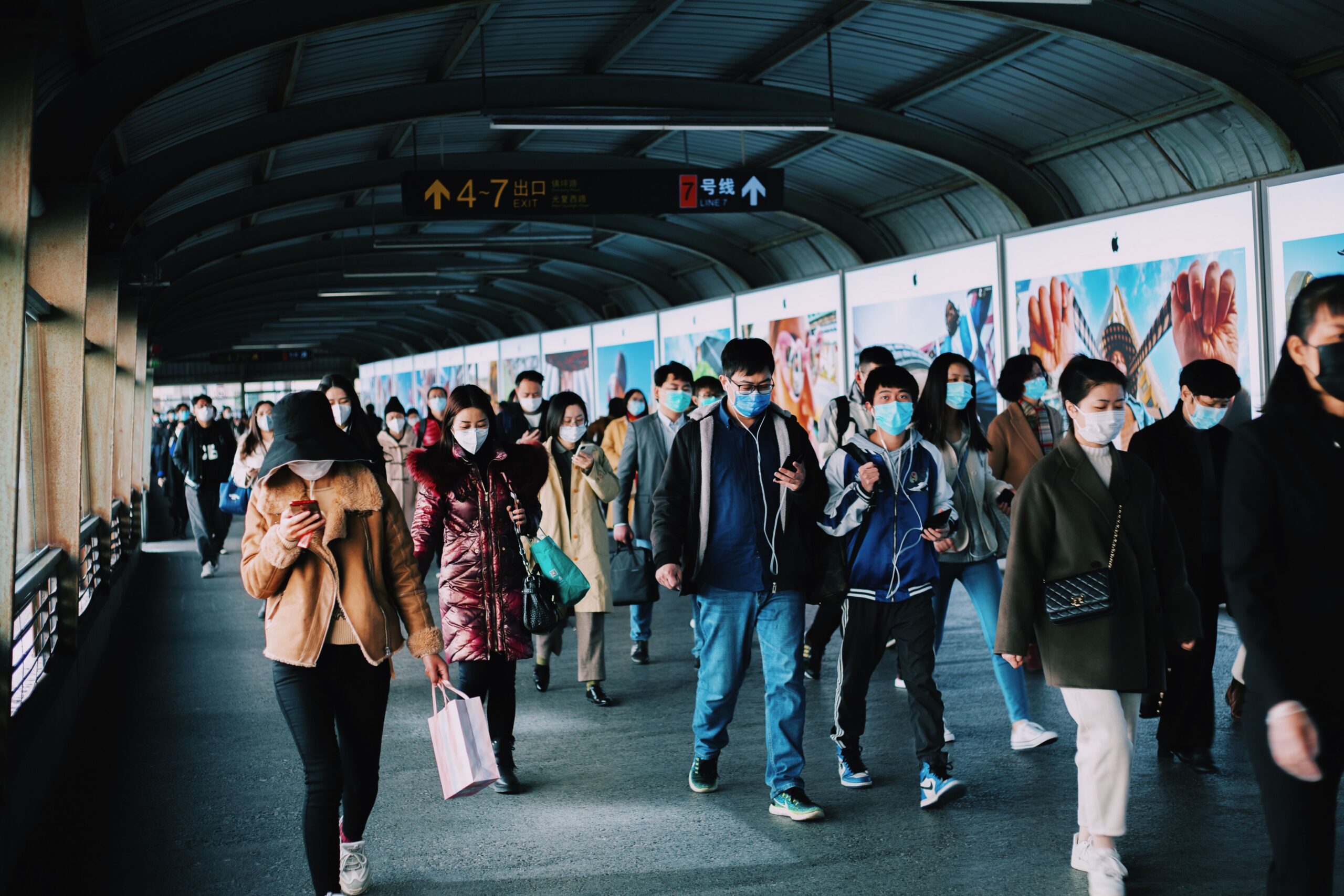
Researchers say future pandemics could emerge from a variety of sources, including animal-to-human spillover events, climate-driven changes in disease patterns, and the spread of pathogens into new regions. Deforestation, expanding human activity in wildlife habitats, and rising global temperatures may all increase opportunities for dangerous viruses to jump between species.
Climate change is a particular concern because it can expand the range of disease-carrying insects such as mosquitoes and ticks. Scientists also warn that melting permafrost and environmental disruption may expose previously dormant pathogens, creating additional uncertainties for public health officials.
The Global Preparedness Monitoring Board recently warned that the world risks entering a cycle of increasingly frequent and disruptive health emergencies if governments fail to address these growing threats. Experts argue that prevention, preparedness, and global cooperation remain far less expensive—and far more effective—than responding to another worldwide crisis after it begins.
A Call for Long-Term Preparedness

Public health leaders say the key lesson from COVID-19 is that preparation cannot begin once a crisis has already started. Strong surveillance systems, laboratory capacity, emergency planning, healthcare infrastructure, and international collaboration must be maintained continuously, even when no major outbreak is making headlines.
The World Health Organization has urged governments not to lose momentum, warning that pandemic preparedness requires constant vigilance and sustained investment. Officials emphasize that pathogens do not respect borders, making global cooperation essential to preventing and managing future threats.
While no one can predict when the next pandemic will emerge, experts agree on one point: the decisions made today will determine how well the world responds when that moment arrives. Whether future outbreaks become manageable public health challenges or devastating global crises may depend on how seriously governments and institutions act on the lessons of the past few years.