Recent Expert Studies May Reveal Why Humans Gained Consciousness
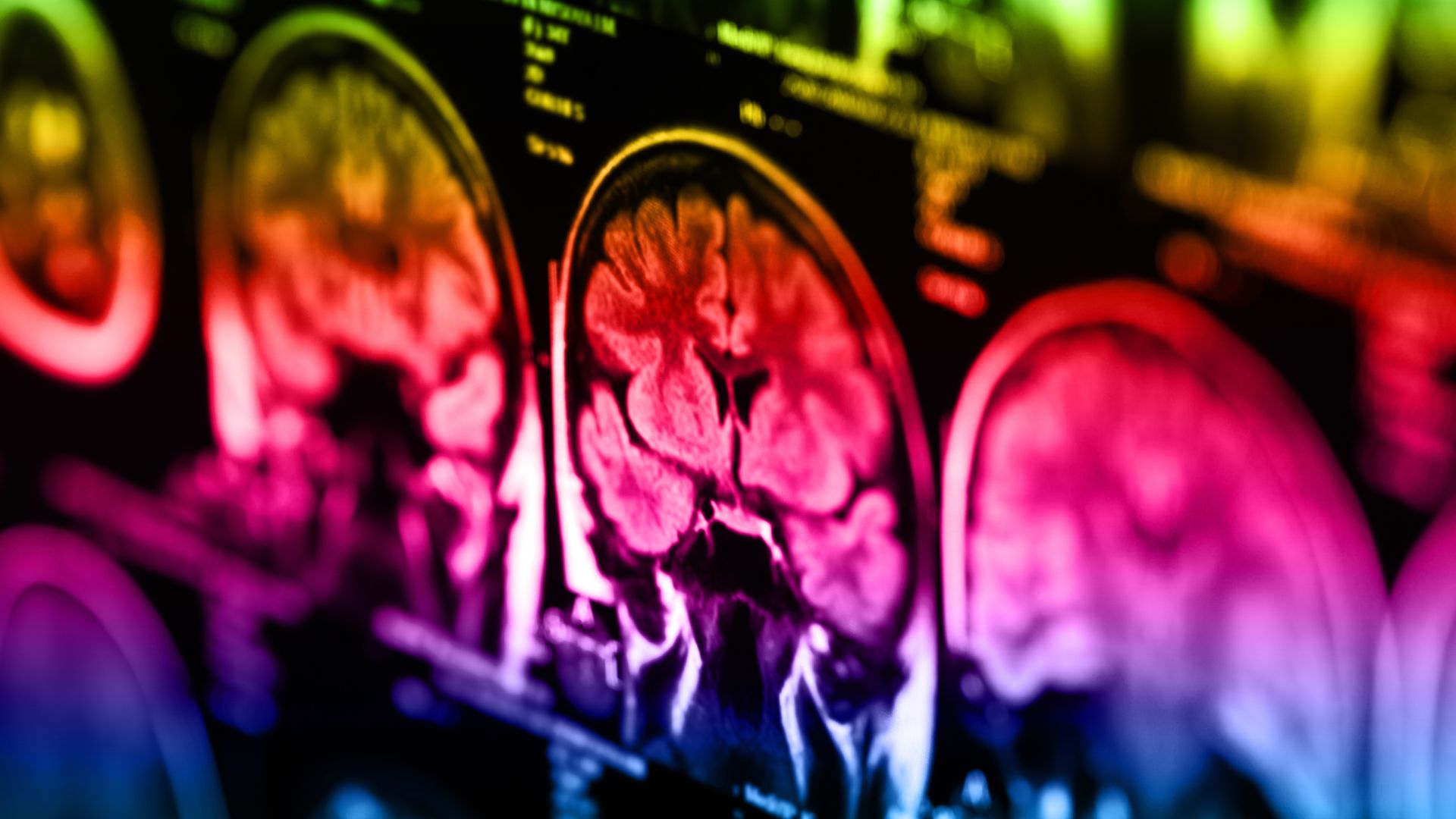

Two new studies from Ruhr University Bochum in Germany tackle a question that has puzzled scientists for decades. Why did consciousness evolve in some species but not others? Published November 13, 2025, in Philosophical Transactions of the Royal Society B, one study breaks consciousness into distinct evolutionary stages while the other examines awareness in birds. Together, the findings challenge assumptions about what consciousness requires and suggest it emerged far earlier in evolutionary history than previously assumed.
Researchers Focus on Consciousness’s Evolutionary Function

Research about consciousness has boomed over the past two decades, yet scientists still can’t pinpoint its evolutionary function. Professors Albert Newen and Onur Güntürkün at Ruhr University Bochum led separate working groups to identify why consciousness evolved at all. The answers are crucial to understanding why some species became conscious while others did not. According to the researchers, the key lies in examining three distinct types of awareness that emerged at different evolutionary stages, each serving a specific survival purpose.
Three Types of Consciousness Emerged at Different Times
Albert Newen and Carlos Montemayor from San Francisco State University categorized three types of consciousness, each serving different evolutionary functions. Basic arousal, general alertness, and reflexive self-consciousness developed at separate stages. Basic arousal came first, putting organisms in a state of ALARM during life-threatening situations. “Pain is an extremely efficient means for perceiving damage to the body and to indicate the associated threat to its continued life,” Newen explained. This survival mechanism triggers responses like fleeing or freezing when danger appears.
General Alertness Lets Animals Learn Complex Connections

The second evolutionary step brought general alertness, which lets organisms zero in on one thing even when multiple inputs compete for attention. When someone spots smoke while another person is talking, they can shift focus entirely to the smoke and track down its source. “This makes it possible to learn about new correlations: first, the simple, causal correlation that smoke comes from fire and shows where a fire is located,” Montemayor said. This targeted attention also helps animals grasp complex scientific relationships.
Reflexive Consciousness Allows Planning and Self-Reflection

Humans and some animals developed reflexive self-consciousness, which in its complex form enables reflection on past and future events. Organisms can form self-images and incorporate them into actions and plans. “Reflexive consciousness, in its simple forms, developed parallel to the two basic forms of consciousness,” Newen explained. Rather than focusing on the environment, this type of consciousness registers aspects of oneself, including body state, perceptions, sensations, thoughts, and actions. Its core function enables better social integration and coordination with others.
Some Animals Pass the Mirror Test
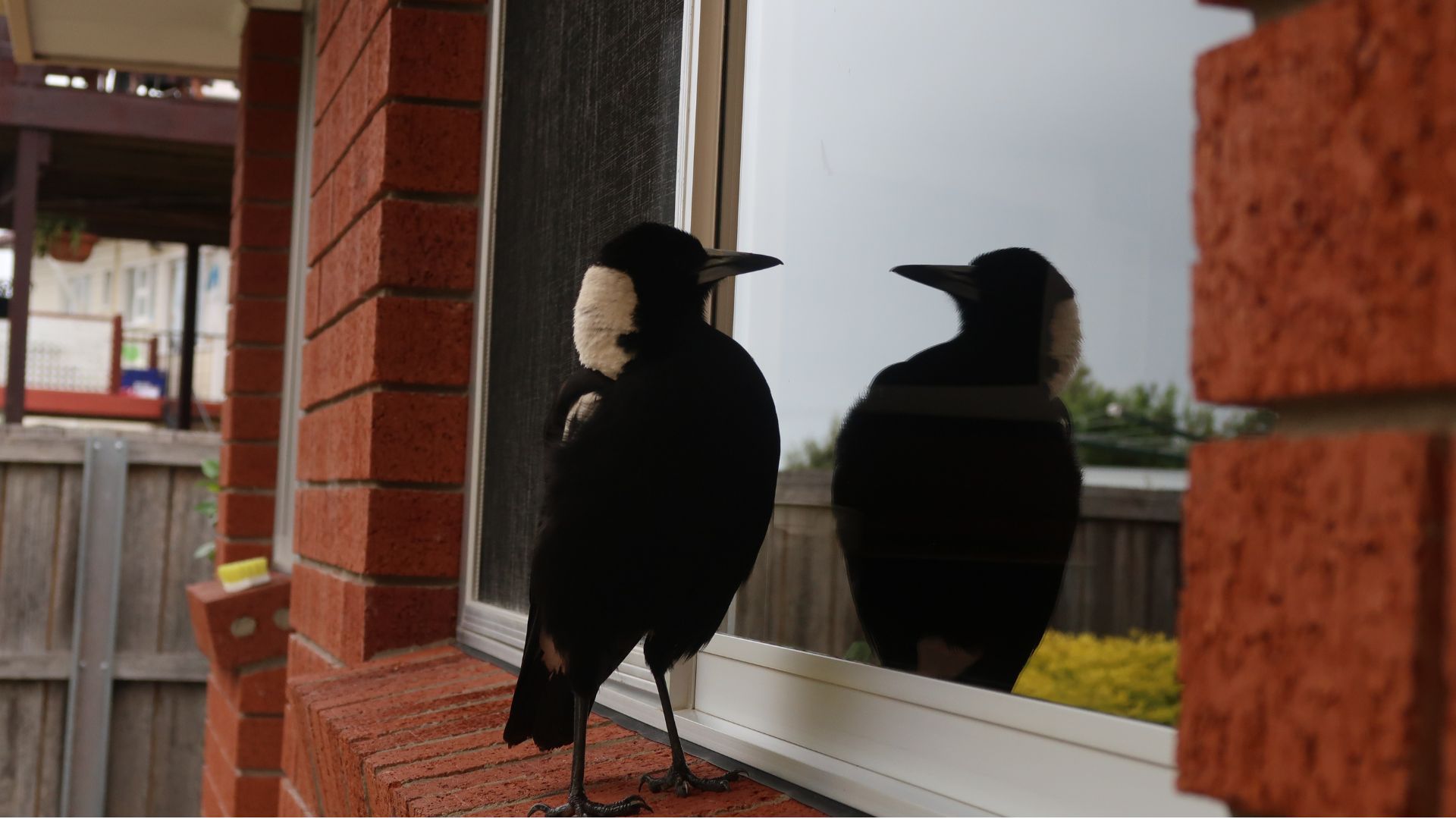
Recognizing yourself in a mirror is a form of reflexive consciousness that children develop around 18 months of age. Chimpanzees, dolphins, and magpies can do this too, as experiments have shown. Gianmarco Maldarelli and Onur Güntürkün took a closer look at consciousness in birds in the second study, uncovering surprising mental abilities across species. Birds appear to have basic forms of conscious perception even without the cerebral cortex found in mammals, challenging long-held assumptions about which brain structures enable awareness.
Pigeons Shift Between Visual Interpretations Like Humans
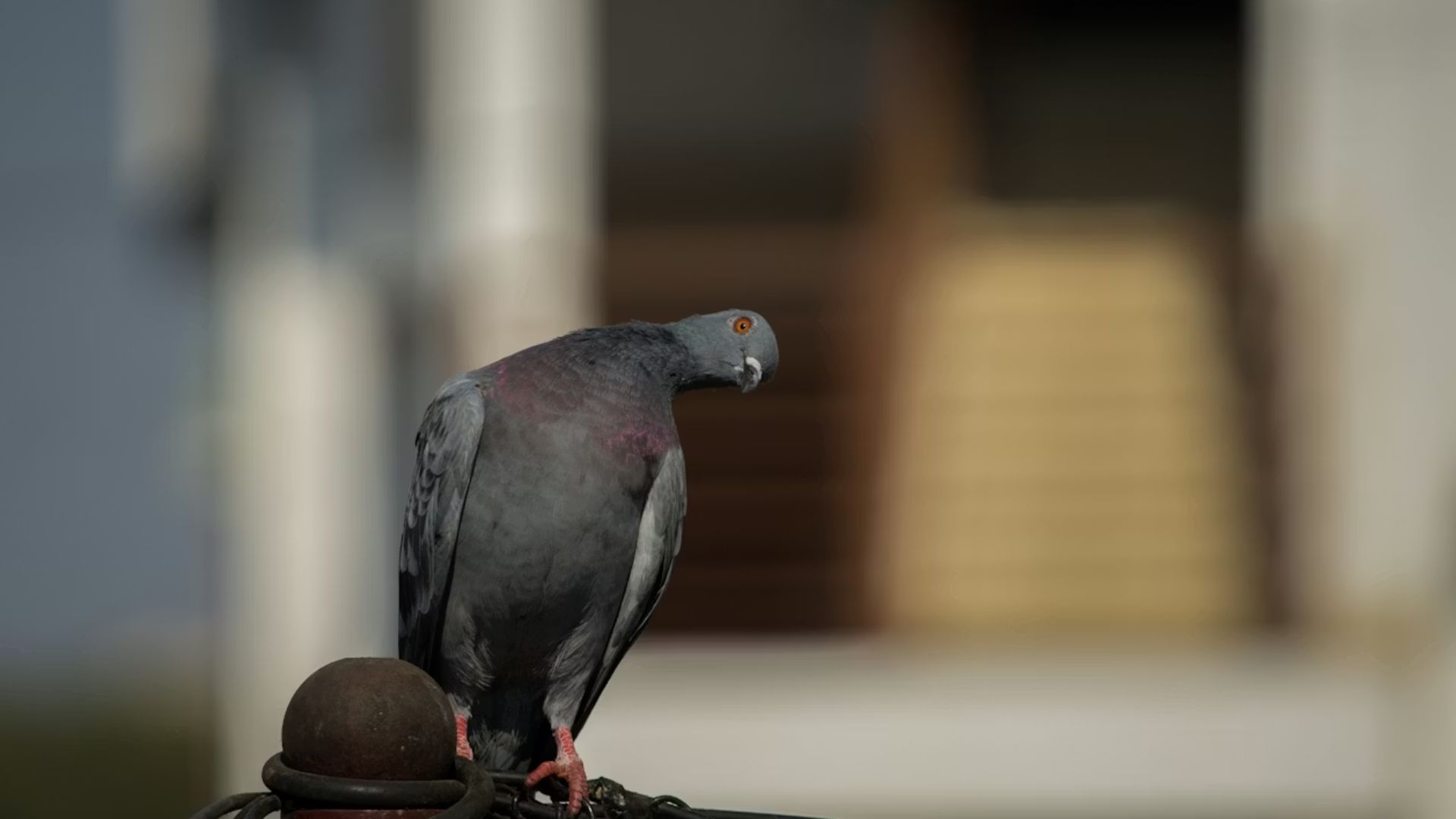
Studies of sensory consciousness reveal that birds actually experience what they sense rather than just processing it automatically. When pigeons encounter unclear visual stimuli, they switch between different interpretations, much like humans do. Crows have nerve signals that respond to their internal perception rather than the physical stimulus itself. When a crow consciously registers a stimulus in some moments but not others, specific nerve cells fire according to that internal experience, providing direct evidence of subjective awareness in birds.
Bird Brains Process Information Despite Different Architecture
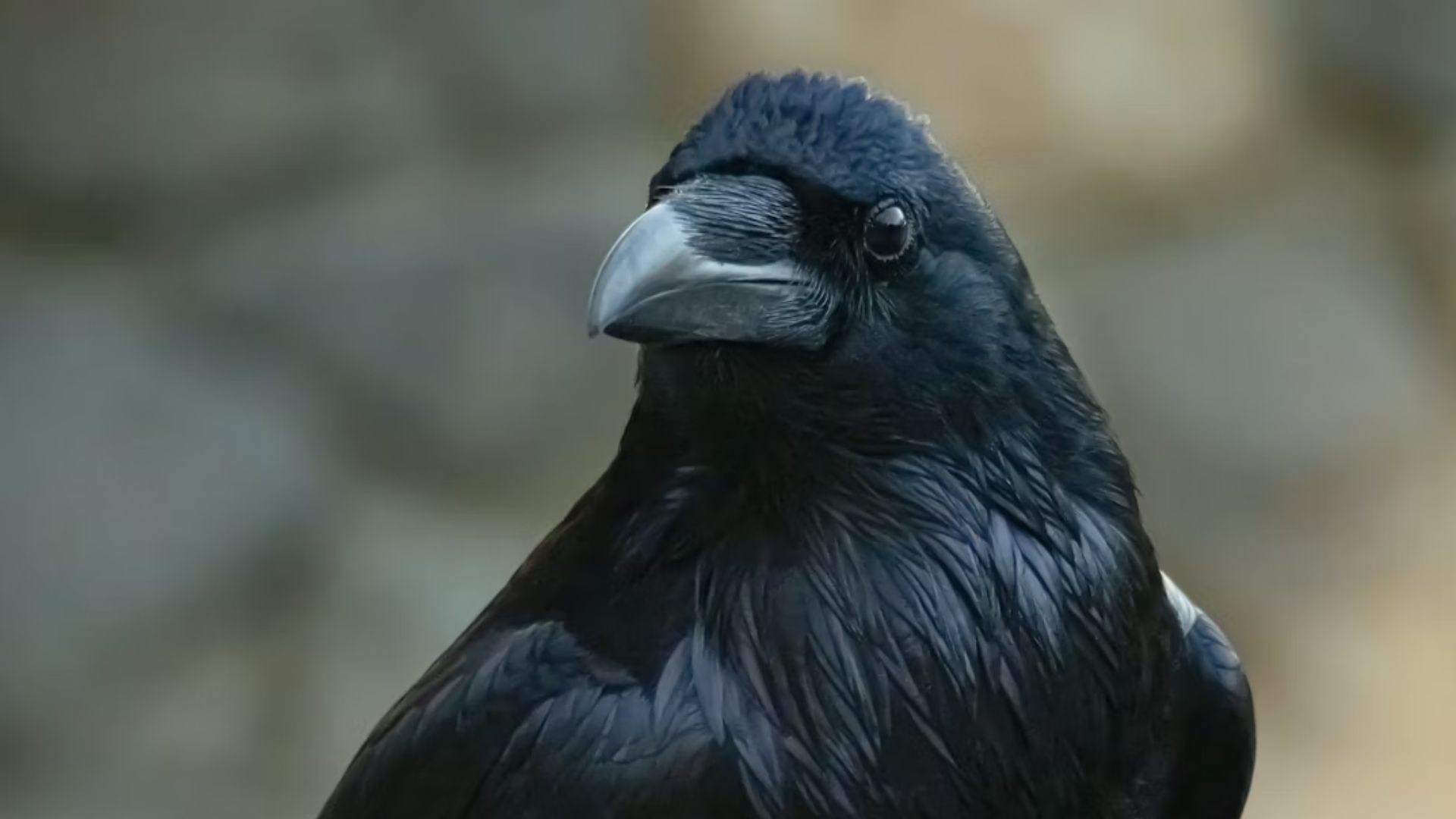
Bird brains have structures that meet the theoretical requirements for conscious processing, even though they’re organized completely differently from mammalian brains. The avian equivalent to the prefrontal cortex, called the NCL or nidopallium caudolaterale, is densely connected and allows flexible information processing, Güntürkün said. The connectome of the avian forebrain, which maps how information flows between brain regions, mirrors mammalian organization in important ways. Birds satisfy many criteria of established consciousness theories, like the Global Neuronal Workspace theory.
Roosters Distinguish Mirror Reflections From Real Birds
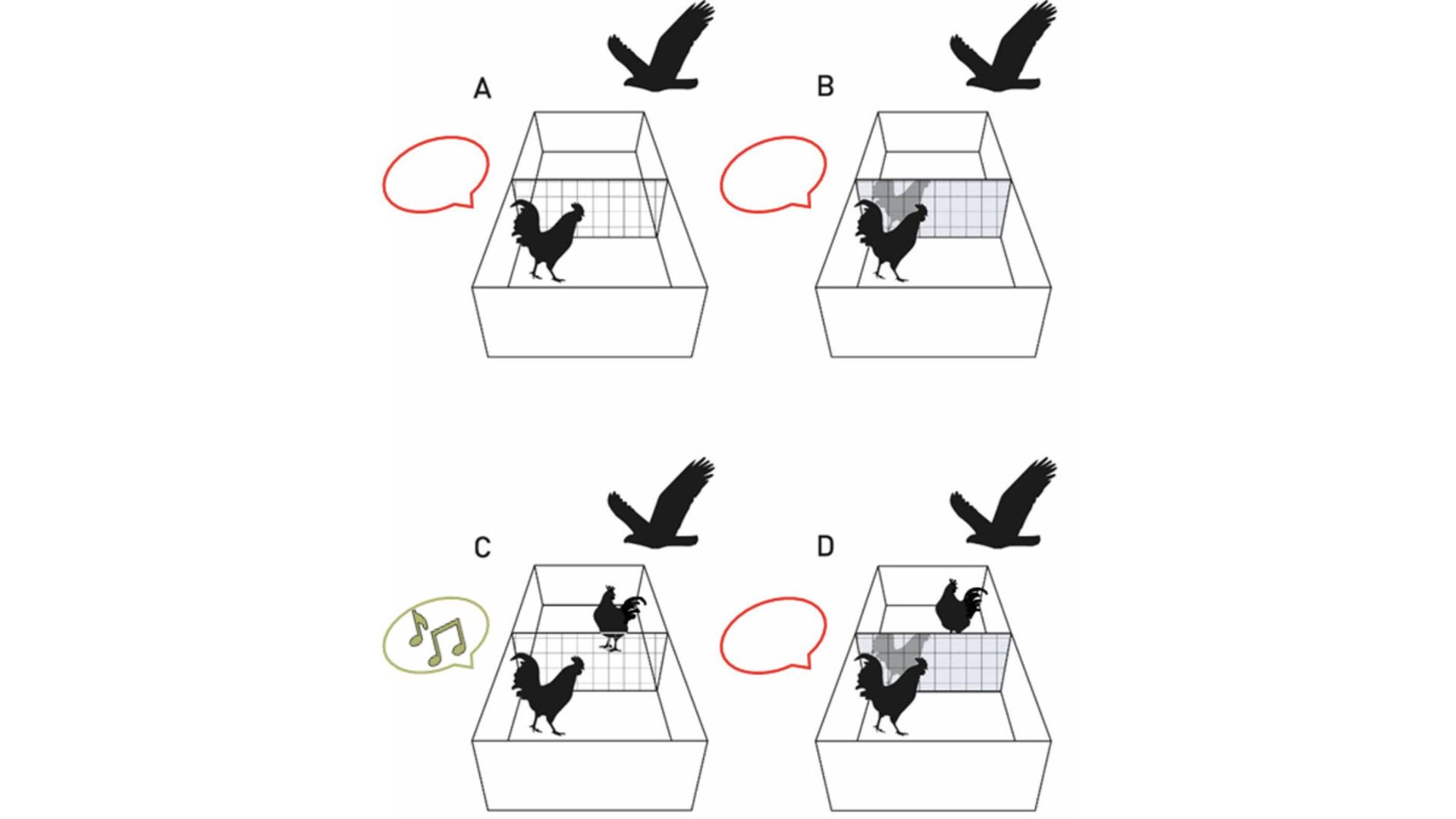
Recent experiments have revealed different types of self-perception in birds, extending beyond the traditional mirror test. Studies show pigeons and chickens can tell the difference between their reflection and an actual member of their species. When roosters in the mirror-audience test saw a predator shadow overhead, they warned companions behind transparent barriers but stayed silent when mirrors replaced the barriers. The roosters recognized their own reflection, showing they can tell themselves apart from others, demonstrating basic self-consciousness.
Consciousness May Be Older Than Scientists Previously Assumed
The findings suggest consciousness is an older and more widespread phenomenon than previously thought, according to the researchers. Birds show that conscious processing can happen without a cerebral cortex and that different brain structures can reach similar functional solutions. Evolution can arrive at the same endpoint through vastly different biological paths across distantly related species. The research indicates awareness exists on a spectrum rather than as something you either have or don’t.