Rare “God of Chaos” Asteroid to Sweep Unusually Close to Earth in 2029


A remarkable astronomical event is drawing global attention as a massive asteroid prepares for a close encounter with Earth. Known as 99942 Apophis, this object has intrigued scientists and sky enthusiasts alike due to both its size and its dramatic nickname, inspired by an ancient symbol of chaos.
On April 13, 2029, the asteroid will pass at an unusually short cosmic distance, offering a rare chance for direct observation. According to NASA, it will move closer to Earth than many satellites, an event that stands out even in the long history of astronomical records.
For observers across parts of the Eastern Hemisphere, the spectacle may be visible without telescopes, assuming favorable weather conditions. This accessibility transforms what is typically a distant scientific phenomenon into a shared, human experience of the night sky.
A Close Encounter That Redefined Scientific Confidence
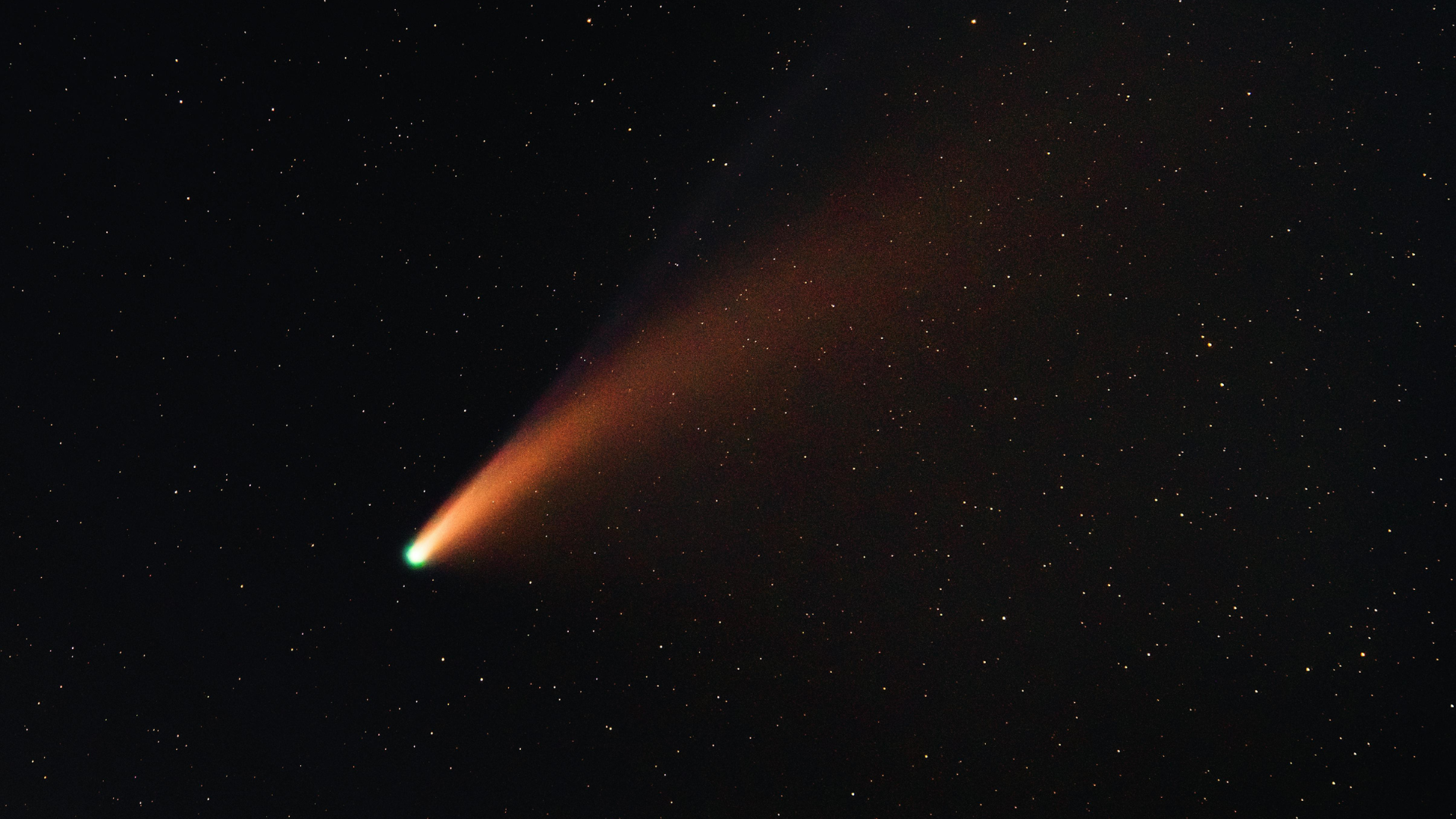
When 99942 Apophis was first identified in 2004, initial calculations raised concerns about a possible collision with Earth in future decades. These early projections placed the asteroid in the category of potentially hazardous objects, prompting extensive monitoring efforts.
Over time, advancements in observational techniques allowed astronomers to refine their understanding of its orbit. Data collected through radar imaging and optical tracking provided clarity, ultimately ruling out any impact risk for at least the next century.
This shift from uncertainty to confidence highlights the evolving precision of modern astronomy. It also underscores how scientific conclusions are continually reassessed as new evidence becomes available.
What Scientists Expect From the 2029 Flyby
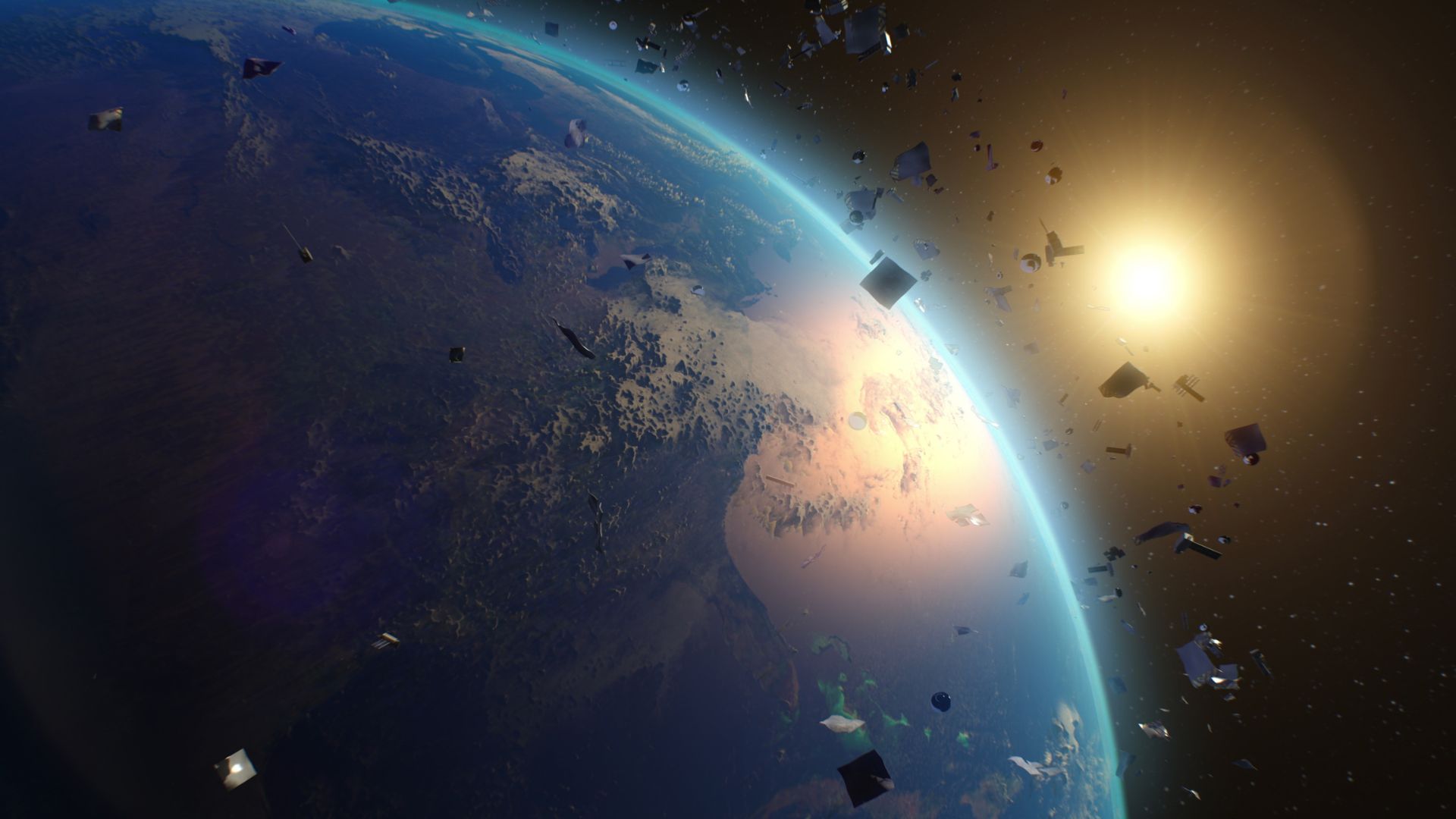
Although there is no danger associated with the flyby, the gravitational interaction between Earth and the asteroid remains of great interest. Scientists anticipate that Earth’s pull could subtly alter the asteroid’s trajectory, slightly extending its orbital path around the Sun.
This close approach presents a unique opportunity for research. Observatories worldwide, along with missions coordinated by European Space Agency and NASA, are preparing to gather detailed data about the asteroid’s structure, composition, and motion.
Such observations could deepen understanding of near-Earth objects and improve planetary defense strategies, an area of growing importance in space science.
An Ancient Relic From the Solar System’s Origins
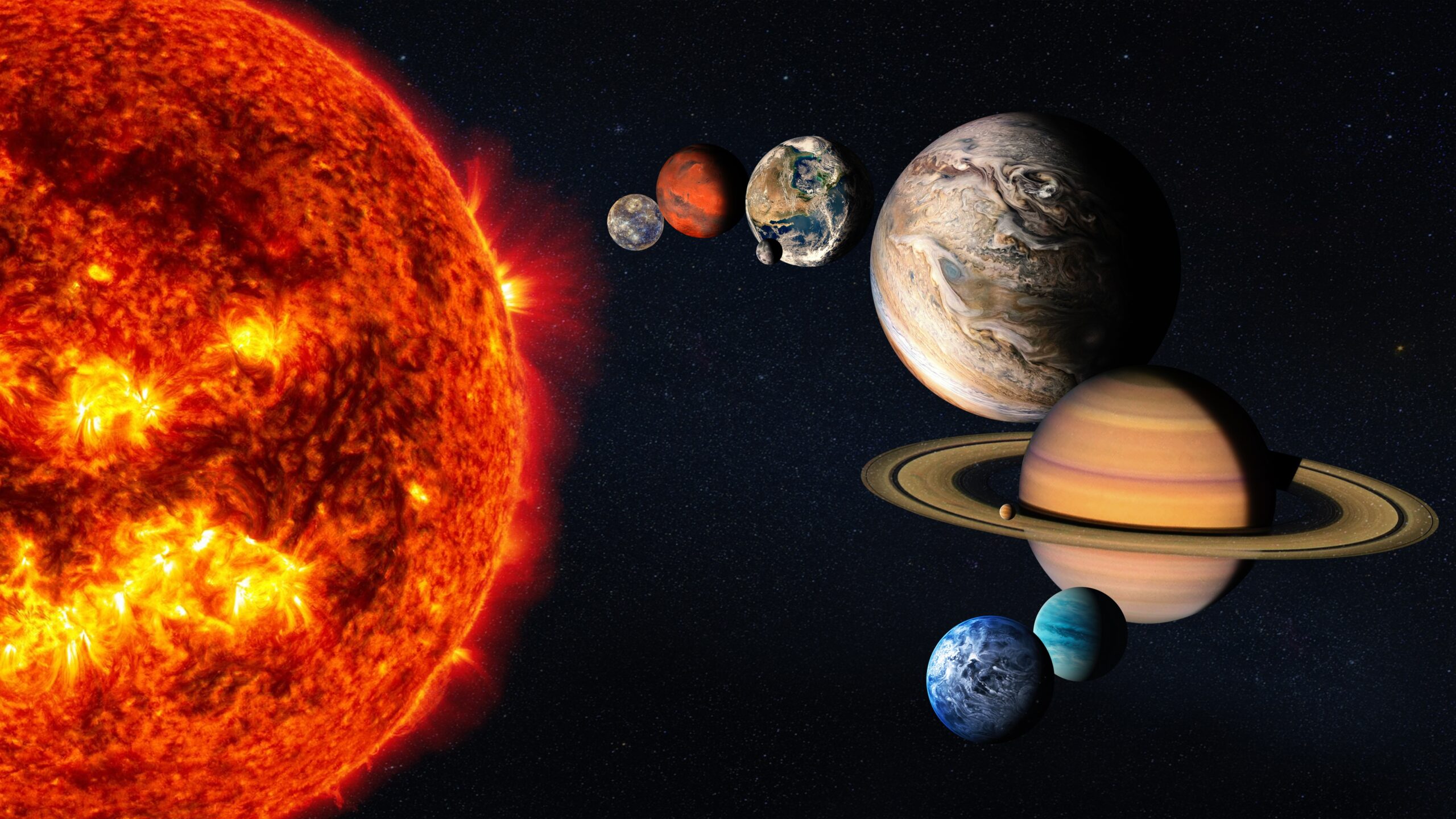
99942 Apophis is more than just a passing object, it is a fragment from the early solar system, formed approximately 4.6 billion years ago. Composed of primitive material that never became part of a planet, it offers a glimpse into the building blocks of planetary formation.
Its surface has endured millions of years of exposure to cosmic radiation and solar wind, leaving it weathered and scientifically valuable. Each detail captured during its approach could help reconstruct the environmental conditions of early space.
As 2029 approaches, this event is shaping up to be more than a visual spectacle. It represents a convergence of observation, technology, and curiosity, giving humanity a rare chance to study a traveler from the dawn of the solar system.