QR Code Ad Offering ‘Free Burritos’ Raises Concerns Over Driver Distraction
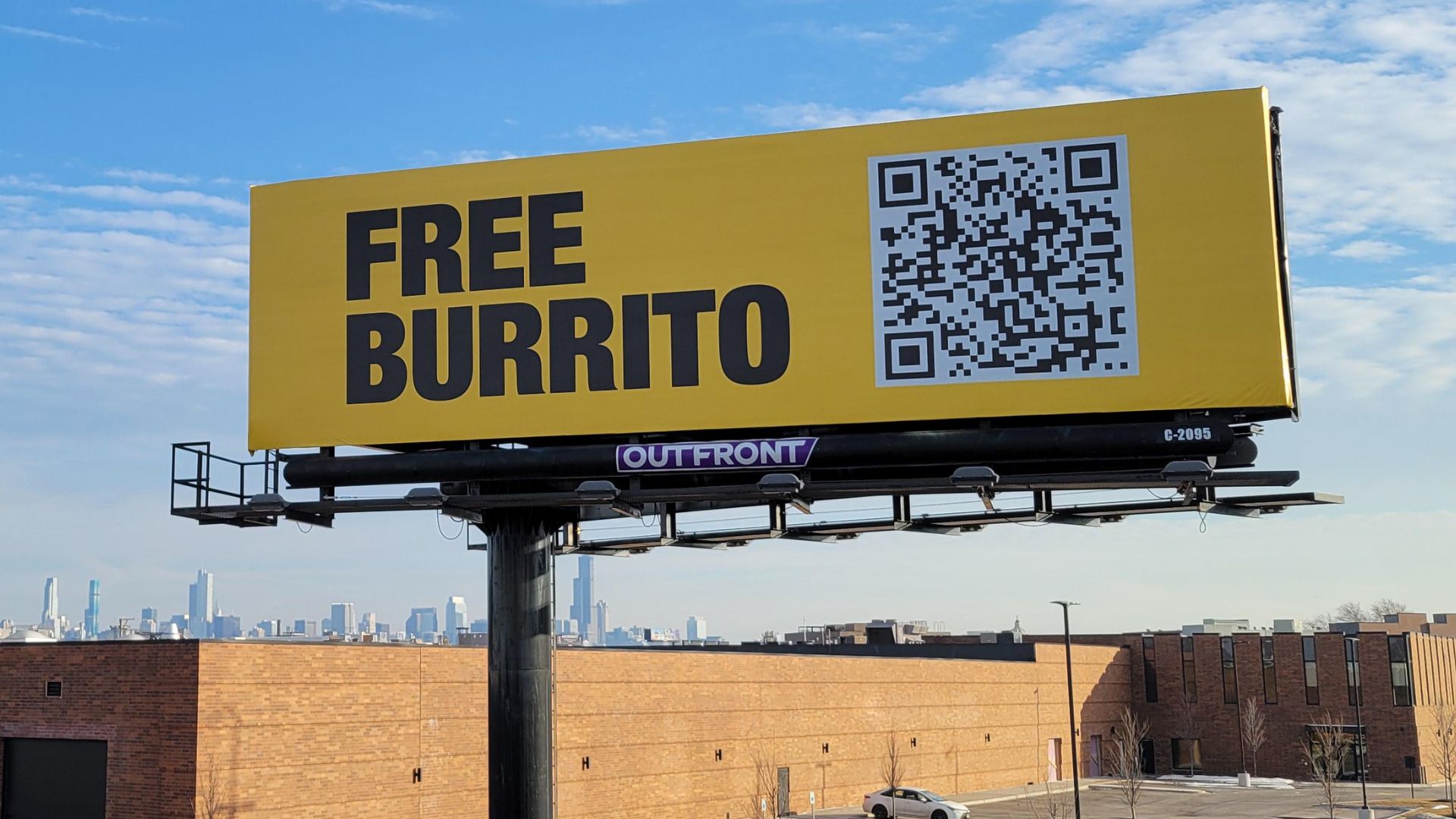

A single bright yellow billboard in Chicago offering free food just ignited a national conversation about advertising, distraction, and who is responsible when the road ahead gets ignored. The ad itself is simple: “FREE BURRITO” in bold letters next to a giant QR code. But to claim the offer, you have to pick up your phone while driving. That one detail turned a routine marketing campaign into a public safety debate no one saw coming.
The billboard is positioned near Damen and Elston in Chicago’s Bucktown neighborhood, in clear view of drivers heading south over the Damen Avenue bridge. It was put up in mid-December by Guzman y Gomez Mexican Kitchen, an Australian restaurant chain that opened its newest Chicago location at 1624 N. Damen Ave. The company said the campaign was meant to run for one month. By February 2026, more than two months later, it was still up, and people were noticing.
Community member Carter Smith told FOX Chicago he spotted the ad on his way to the gym. “The thought crossed my mind, for sure,” he said, referring to the temptation of scanning the code. He quickly added context: “I haven’t scanned it, but I have snapped a picture of it to send to my friends who love burritos. I was walking. I wasn’t driving.” His reaction captures exactly what road safety advocates fear most. Not everyone approaching that billboard will be on foot.
Officials Are Asking Questions
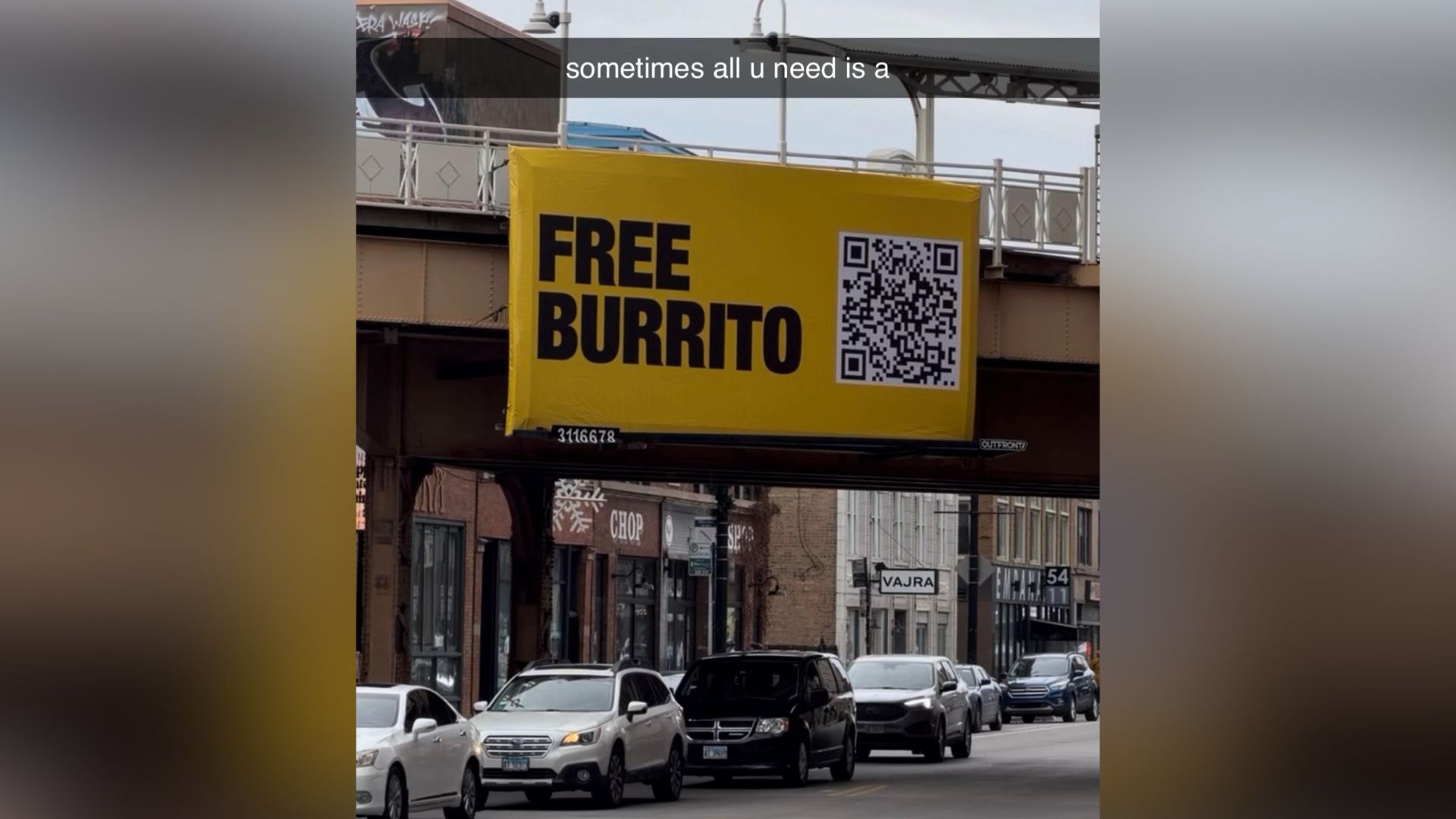
The billboard did not go unnoticed at City Hall. 32nd Ward Alderman Scott Waguespack said his office began receiving complaints from constituents who flagged the ad as a potential distraction. He has since asked the Chicago Department of Transportation (CDOT) to review the sign. The stretch of road where the billboard stands is a high-traffic corridor used heavily by commuters, with a highway entrance located nearby, making the timing and placement harder to dismiss.
Waguespack acknowledged that existing laws offer limited guidance on this specific situation. Current Illinois regulations restrict how quickly digital billboard images can cycle to prevent rapid-fire visual stimulus while driving, but a static QR code on a fixed sign sits in a grey area. “If it’s not offensive, it’s a free speech issue,” Waguespack said, “then you as a driver have to be responsible for the way you drive, and pulling out your phone to take a QR code is probably not responsible at all.”
His central question, though, went to the heart of the issue: “What is it doing to distract drivers, if anything? That’s usually the first question.” CDOT had not responded to media inquiries at the time of reporting. Outfront Media, the company that manages the billboard space, also did not respond. The regulatory silence leaves the issue exactly where it started: unresolved, and out there on the road for every passing driver to navigate on their own.
The Industry Already Has a Rule
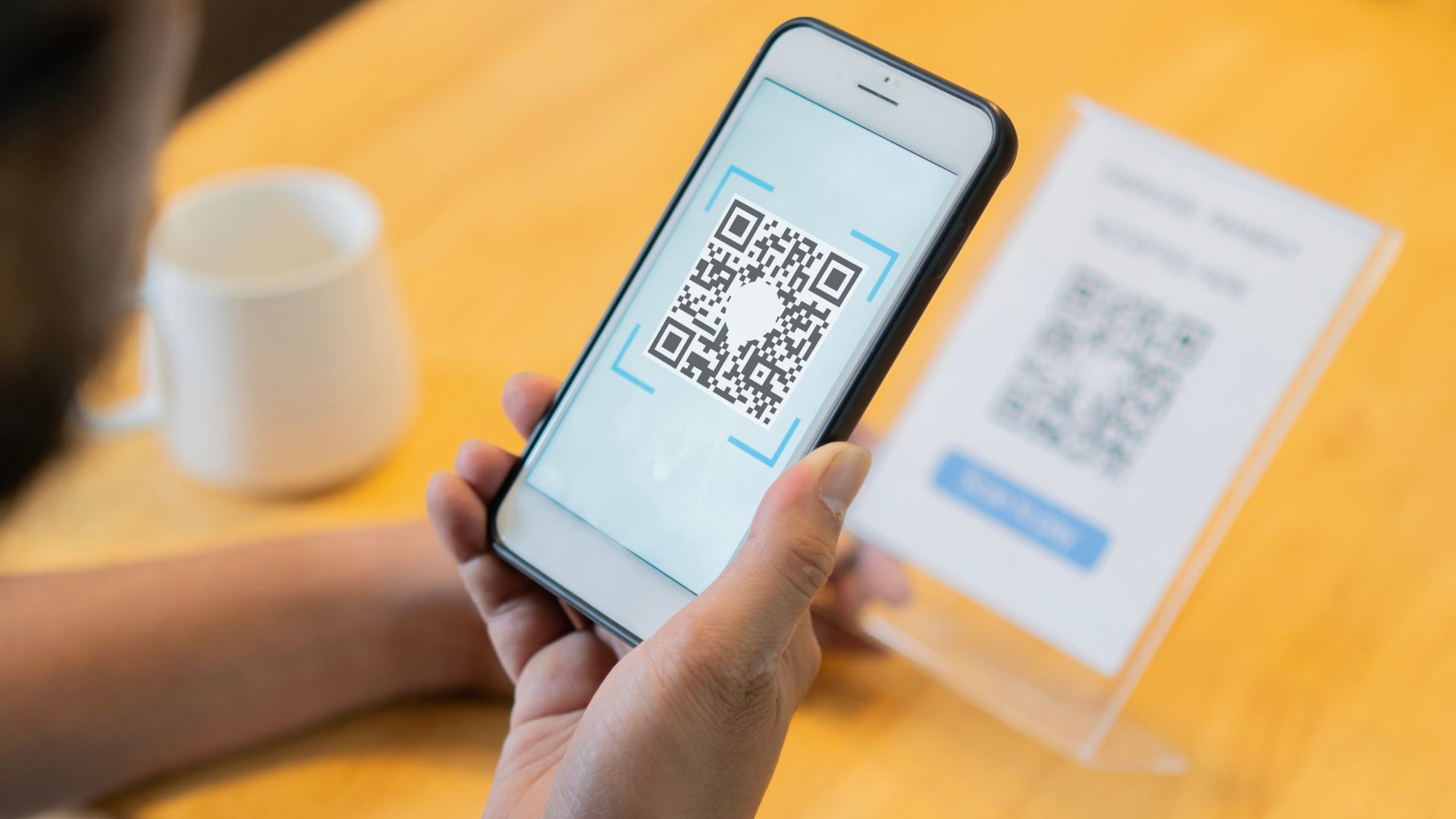
While politicians debated the legality, the advertising industry already has a clear position on this. The Out of Home Advertising Association of America strongly recommends that QR codes not be placed in locations where active drivers are the primary audience. The organization points out that most states prohibit handheld phone use while driving, meaning a billboard that requires a phone scan to function is, by design, encouraging an illegal act behind the wheel.
Advertising professionals have gone further. Attorney Marnie Cody, cited by Billboard Insider, called a QR code on a roadside sign “an accident waiting to happen.” Industry experts have also explained the physical problem: scanning a QR code requires a phone camera to hold steady on the image for one to four seconds, depending on data volume. At highway speeds, that window is nearly impossible to achieve safely. The code was designed for people who are standing still, not driving at speed.
The broader data on billboard distraction supports the concern. Research published by the U.S. Department of Transportation found that external distractions account for up to 10 percent of all traffic incidents, and that 23 percent of crashes and near-crashes in metropolitan areas involve drivers taking their eyes off the road for more than two seconds. Scanning a QR code from a moving vehicle would almost certainly require that long, or longer. The Bucktown billboard may be one small ad. The habit it could encourage is anything but small.
Guzman y Gomez Responded. But the Bigger Question Stays on the Road
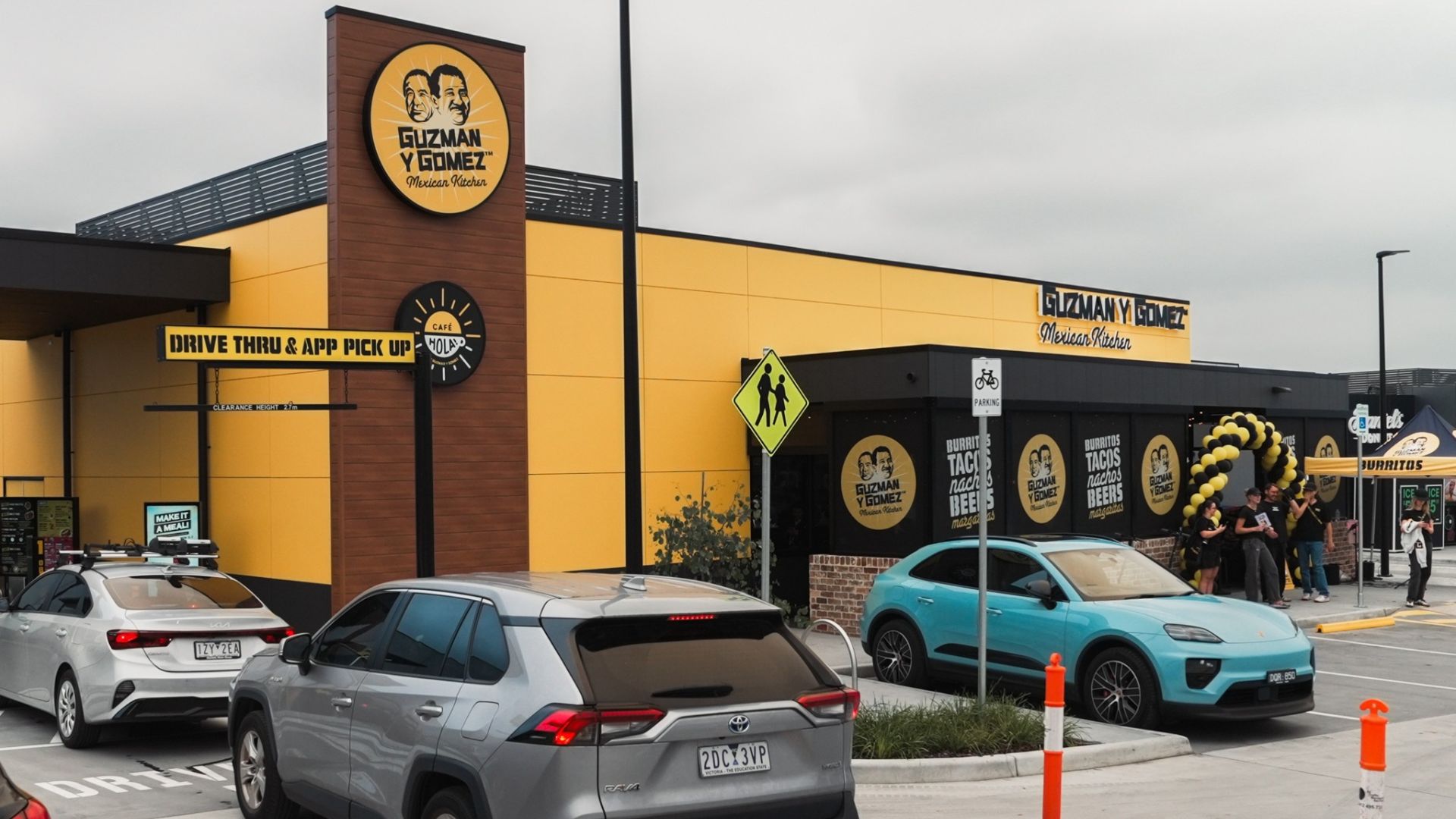
When FOX Chicago contacted the restaurant, a spokesperson acknowledged the situation and confirmed the contract had already expired. “The billboard went up in mid-December to promote the grand opening of the newest Guzman y Gomez location,” the statement read. “The contract was for one month and the billboard should have been taken down in mid-January. We have reached out to the billboard company and requested that the billboard be taken down.” The offer, they noted, remains accessible through the app.
The response shifted some accountability toward Outfront Media, the billboard operator, which had not commented publicly. But the incident raised a question the restaurant’s statement did not fully answer: even if the billboard had come down on schedule, should a QR code tied to a phone download ever appear on a roadside sign aimed at drivers? Residents and local officials called the situation a direct example of why broader restrictions on QR code billboards may be necessary.
The Bucktown billboard may already be gone by the time most people read about it. But the conversation it started is not going away. As QR codes become standard tools in outdoor advertising, cities across the country will need to decide whether current distracted driving laws are equipped to address marketing that is specifically designed to pull a driver’s attention, and their phone, off the road. A free burrito started this debate. The next version of it might cost far more.