Psychologists Say Retirement Feels Hard for Overlooked Reasons Many Don’t Expect


Most people spend years preparing for the financial side of retirement. Hardly anyone prepares for the psychological side. And according to psychologists, the identity crisis that follows can be more disorienting than any budget shortfall. The pension is in place, the calendar is clear, and the congratulations keep coming yet something feels deeply wrong. That gap between expectation and reality is where retirement gets hard in ways no one warned you about.
The Social Life That Quietly Disappears

Work delivers something most people take for granted: a built-in social world. The lunch conversations, the hallway check-ins, the meetings that doubled as human contact. None of it felt like friendship, but it functioned as one. According to the National Institute on Aging, retirement is a key trigger for social isolation, because the majority of daily interaction was embedded in a workplace structure that no longer exists. When the job ends, that world evaporates almost immediately.
The Partner Who Didn’t Ask for a Consultant

Decades of managing teams and solving problems leave some retirees ill-equipped for suddenly being home all day. They reorganize the kitchen. They propose a more efficient grocery routine. They offer input on household systems that were running fine without them. The spouse who managed daily life alone isn’t looking for an efficiency review. According to couples researchers, this dynamic — one partner arriving with workplace energy into a settled home — is among the most common sources of early retirement friction.
Mourning a Self That No Longer Has a Job

Work provided daily proof of competence: the solved problem, the finished project, the meeting that landed well. These small confirmations accumulated quietly into a sense of identity. Retirement removes them all at once. Clinical psychologist Geraldine Piorkowski described her own experience after leaving her university post: the phone stopped ringing, no one needed her, and travel couldn’t fill the gap. The role is gone, and the self that was built around it doesn’t know where to stand.
Feeling Guilty for Enjoying the Life You Earned

According to HelpGuide, some retirees feel guilty simply for receiving a pension without actively working for it, because decades of tying self-worth to productivity create a mindset where rest feels like failure. They sit down to read and feel like they should be doing something. They take a nap and wake up ashamed. The work ethic doesn’t retire with them — it just redirects inward. The result is a person who earned every quiet afternoon but can’t let themselves have a single one without converting it into a task.
When Monday Starts to Feel Like Thursday

The alarm, the commute, the deadlines — the rhythm of a workday provided something most people don’t recognize as valuable until it’s gone: a reason to get up, and a framework for how the hours unfold. Without that structure, time begins to blur. Mornings stretch, afternoons sag, and the drift isn’t laziness. Psychologists call it temporal disorientation, the jarring experience of having thousands of unstructured hours with no external system to organize them. Freedom starts to feel like falling.
The Mirror Doesn’t Match Anymore
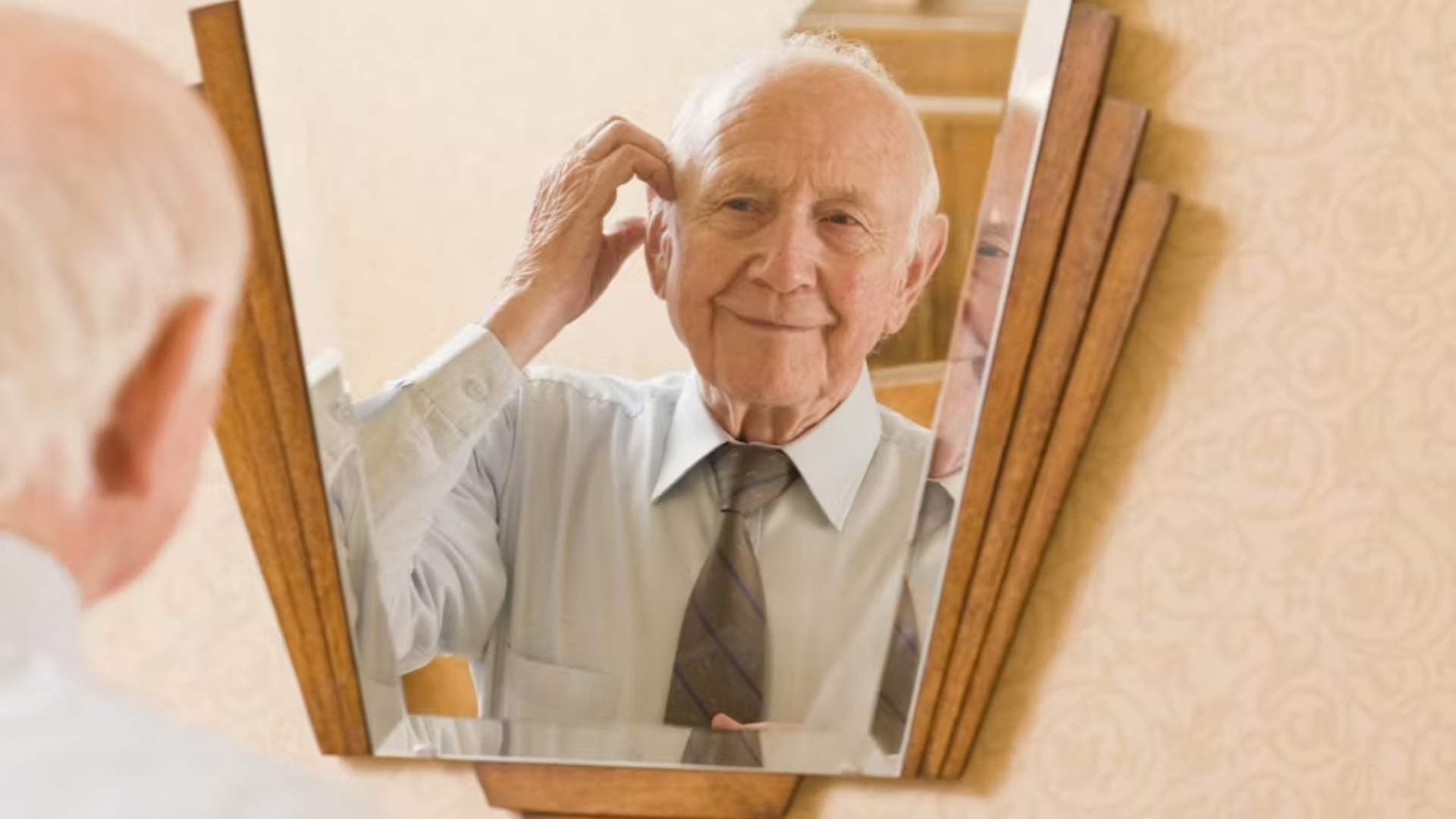
Adult identity is shaped heavily by the roles a person holds, and when a career disappears, a destabilizing gap opens between who someone believes they are and who their daily life reflects back. The retiree still feels like the person who led teams and carried responsibility. But the external world treats them differently now — slower, less relevant, easier to overlook. According to the American Psychological Association, that gap between internal self-image and lived reality is a recognized form of identity disruption, and retirement is one of its most common triggers.
Learning to Live With Someone You’ve Never Lived With

The relationship that worked beautifully with built-in distance — separate schedules, independent routines, evening reunions — now has to function without any of it. Research published in the journal Family Relations found that retirement regularly prompts couples to renegotiate roles, household responsibilities, and expectations, because the dynamic that held for decades may not survive sudden, constant togetherness. The partners aren’t falling out of love. They’re learning to be around each other in a way they’ve never had to before, and some couples find that harder than expected.
Fading in a Culture That Only Sees Producers

The cultural signal is subtle but consistent: if you’re not producing, you’re receding. Retirees walk into rooms where nobody asks about their work anymore. Conversations move past them. The younger generation nods politely and changes the subject. They don’t need the attention — but they spent decades earning relevance, and the moment they stopped working, the relevance evaporated. The world didn’t stop needing them all at once. It just stopped noticing them, and psychologists note that this invisible shift is one of retirement’s most painful and least-discussed losses.
Smiling Through It Because Retirement Should Be Great
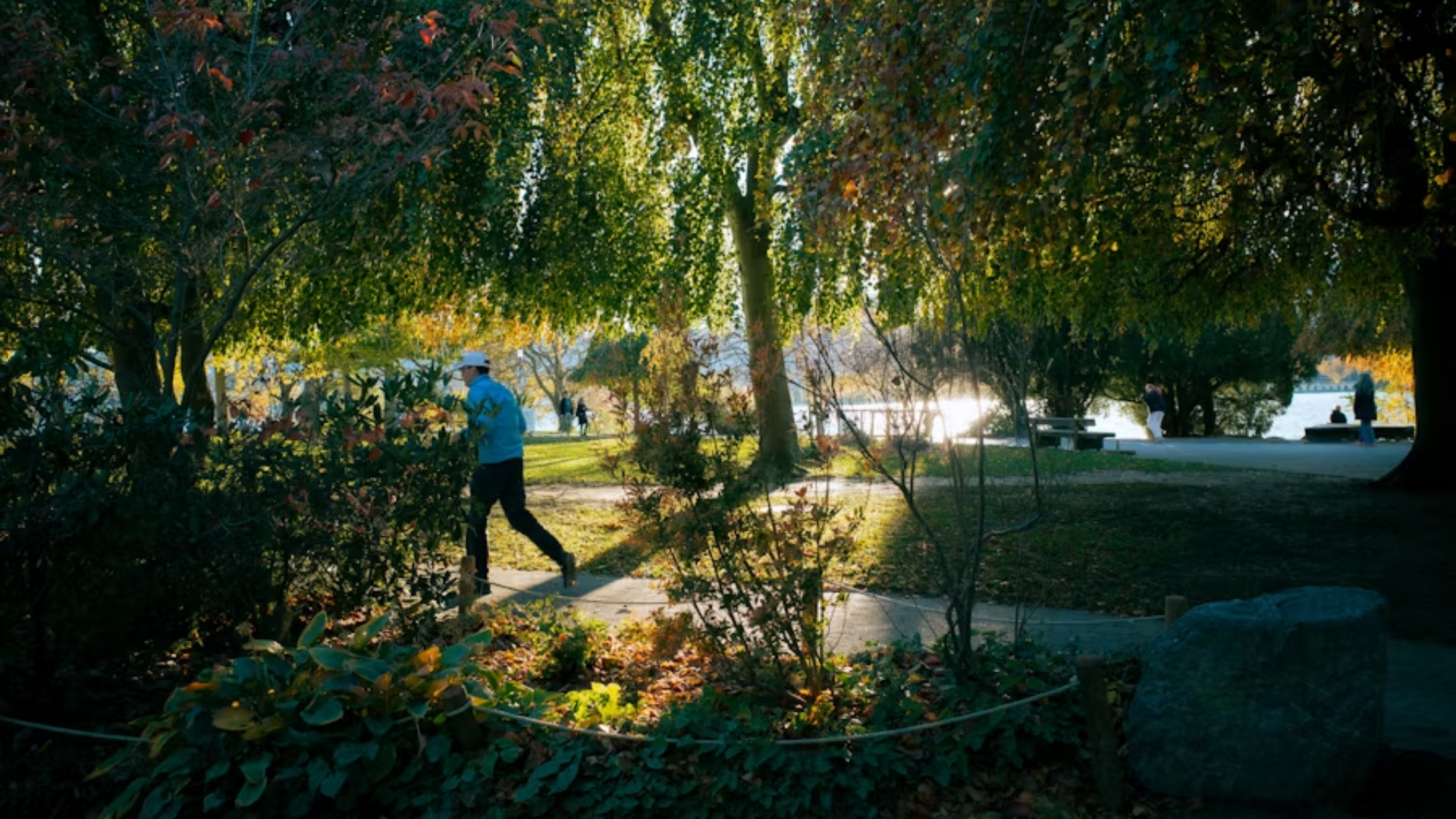
The congratulations kept coming for months. “You must be so happy.” “You’ve earned this.” The retiree who is struggling — lonely, disoriented, quietly grieving a version of themselves they didn’t expect to miss — smiles and says it’s great, because the alternative means admitting something no one wants to hear. Retirement has already been declared the reward. Struggling inside it reads, socially, as ingratitude. So the difficulty goes unspoken, and it’s carried alone by people surrounded by loved ones who simply never think to ask how they’re really doing.
The Loss That Retirement Never Announces

The real grief of retirement isn’t the loss of a job. It’s the loss of daily evidence that you still matter. The cleared inbox, the solved problem, the approving nod at the end of a meeting — these small completions quietly confirmed competence and forward motion. Hobbies rarely fill that gap, because finishing a crossword doesn’t carry the same weight as finishing a quarterly report. What retirees miss, at the core, is the steady confirmation that their time is doing something. Recognizing that loss is the first honest step toward building something to replace it.