7 Protected Animals You May Not Be Allowed to Remove From Your Yard
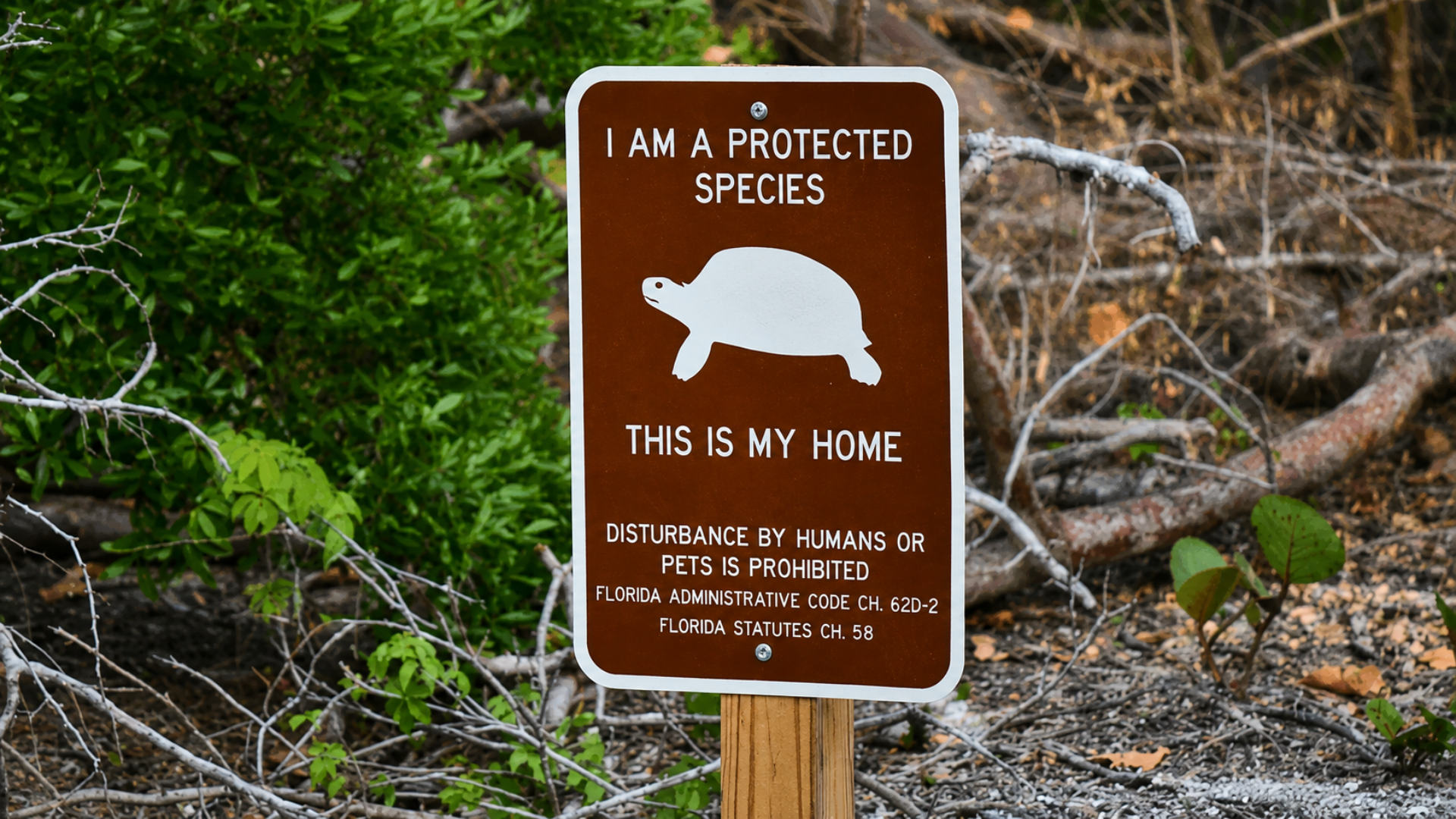

Not every animal wandering into your yard is fair game for the trap, the shovel, or the garden hose. A surprising number of common backyard visitors, from the bird nesting in your gutter to the turtle crossing your driveway, are legally protected. Remove or harm the wrong one, and you could be looking at fines instead of a solved nuisance problem. Here’s what’s actually off-limits, and what to do instead.
The Penalties Are Real, Even If The Enforcement Feels Rare

Wildlife protection laws in the U.S. operate on two levels at once: federal statutes that apply nationwide, and state regulations that vary sharply from one border to the next. What’s a simple trap-and-release in North Carolina can be a felony without written permission in Massachusetts. Most violations carry fines, and some carry criminal charges. The safest first move in almost every case is a phone call to a state wildlife agency, not a DIY removal.
That Nest In Your Gutter Is Federal Property, Legally Speaking
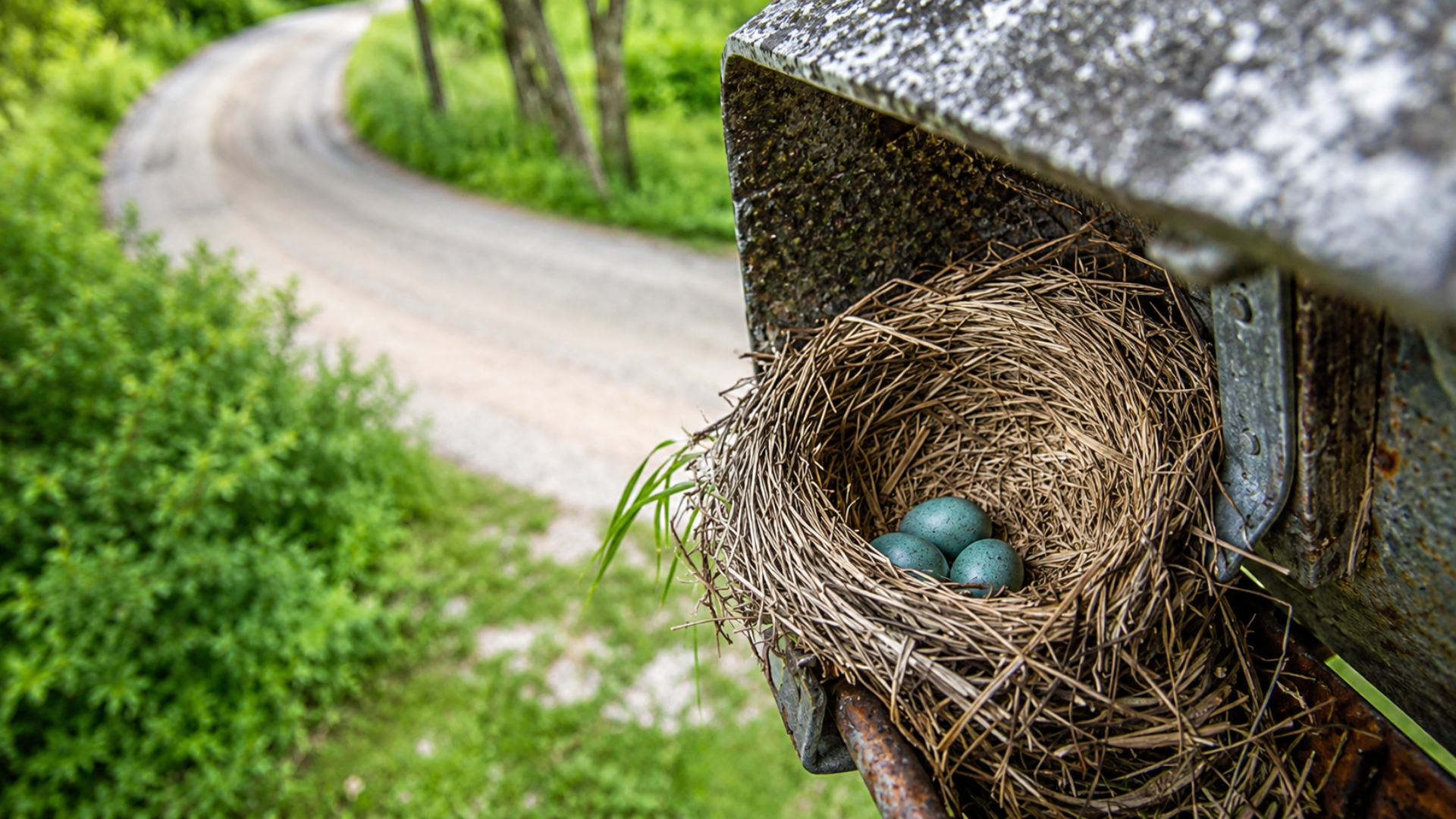
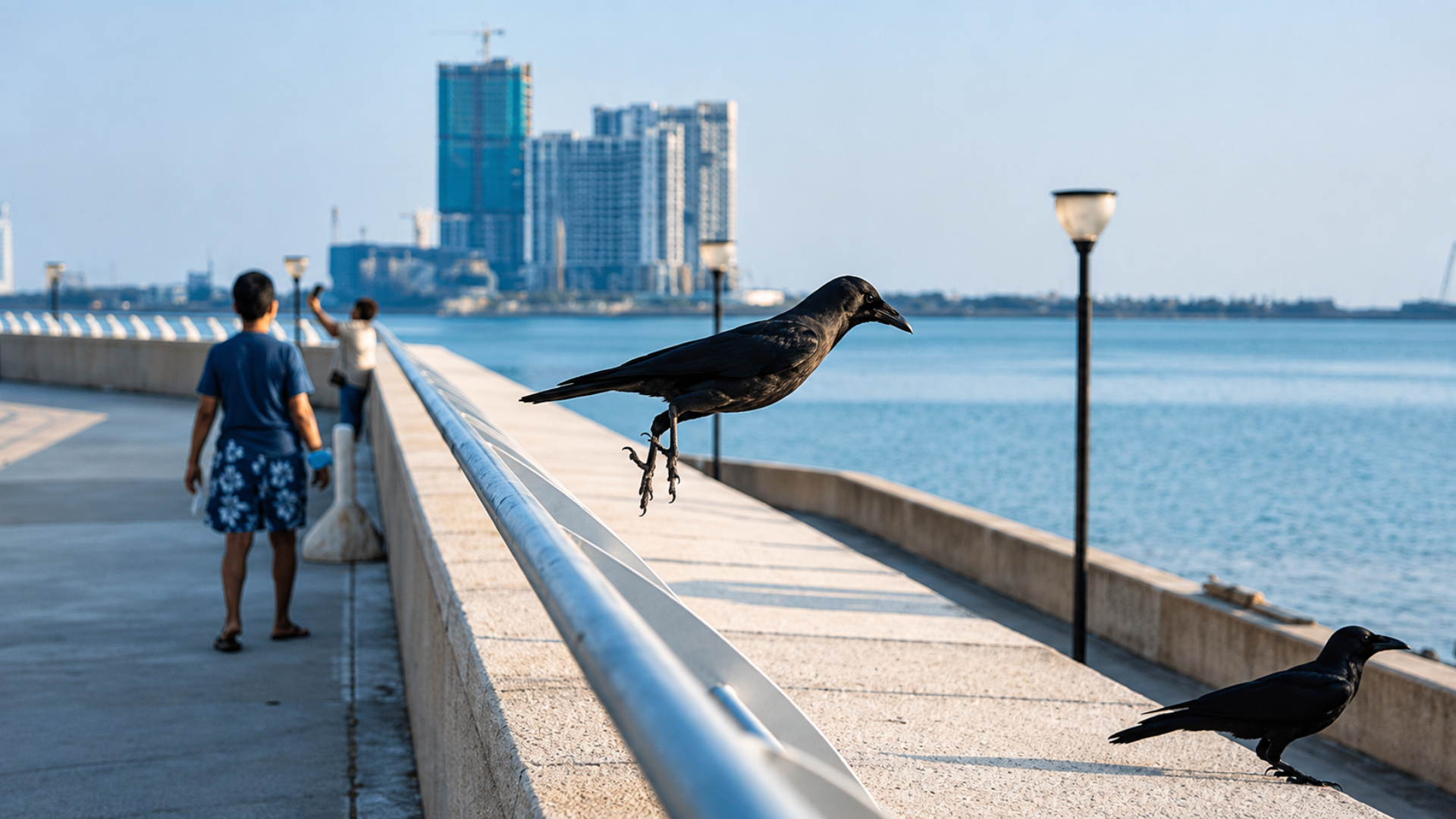
Nearly every native bird species in the U.S., from robins to woodpeckers, falls under the Migratory Bird Treaty Act, a law that predates most people’s grandparents. It’s illegal to disturb an active nest, possess an egg, or even keep a stray feather without a federal permit, and those permits are rarely granted to individual homeowners. One notable exception exists: house sparrows, a non-native species, carry no such protection.
The Turtle In Your Driveway Isn’t Yours To Relocate
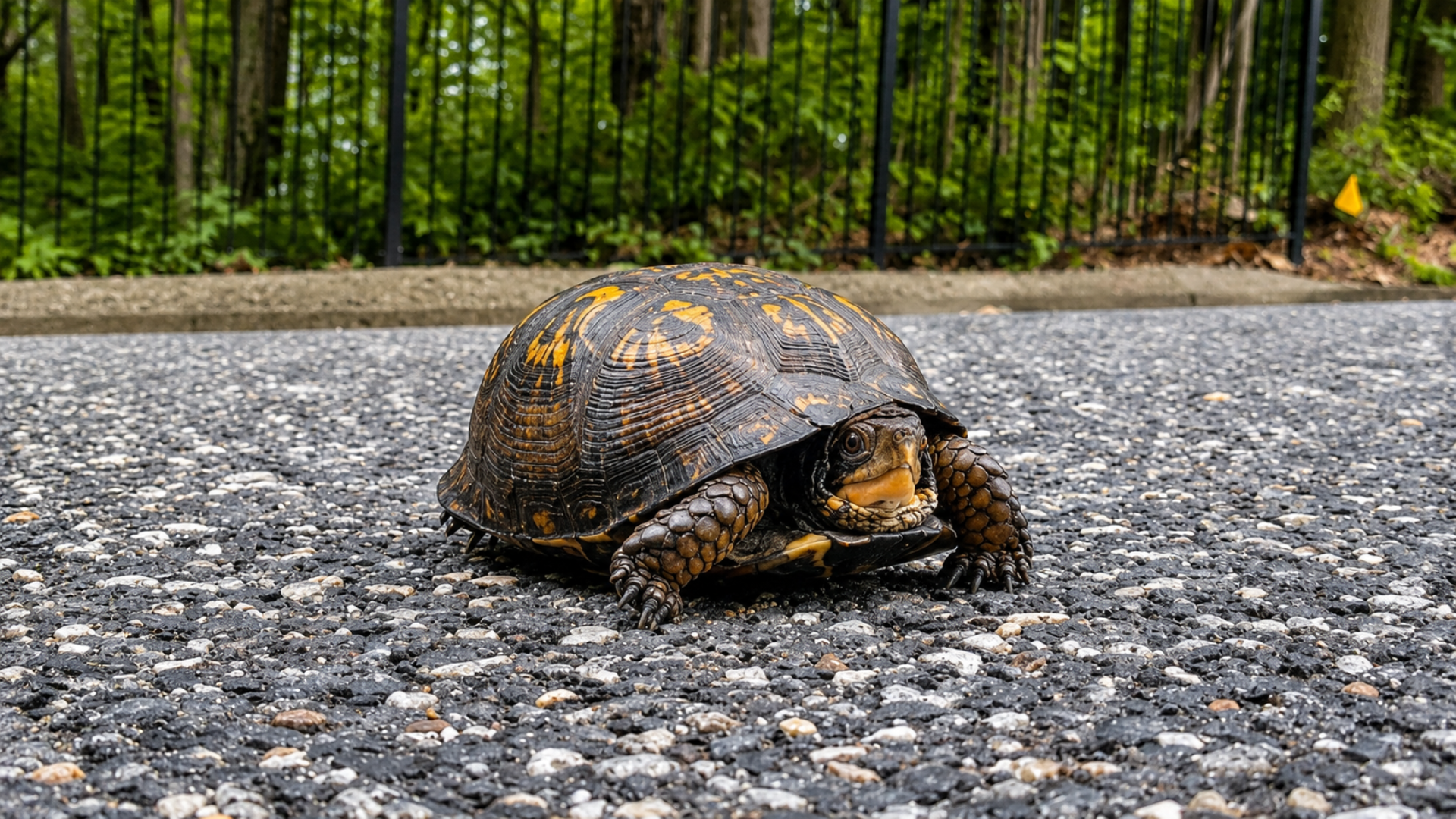
Native turtle species, box turtles especially, are protected under state law in much of the country, which makes scooping one up and driving it to a “better” spot illegal in many jurisdictions. Turtles carry detailed mental maps of a small home range, and moving them even a few miles away can strand them without food, water, or a mate. If one’s crossing a road, the correct move is nudging it gently in the direction it was already headed.
Bats Do More For Your Yard Than You Realize
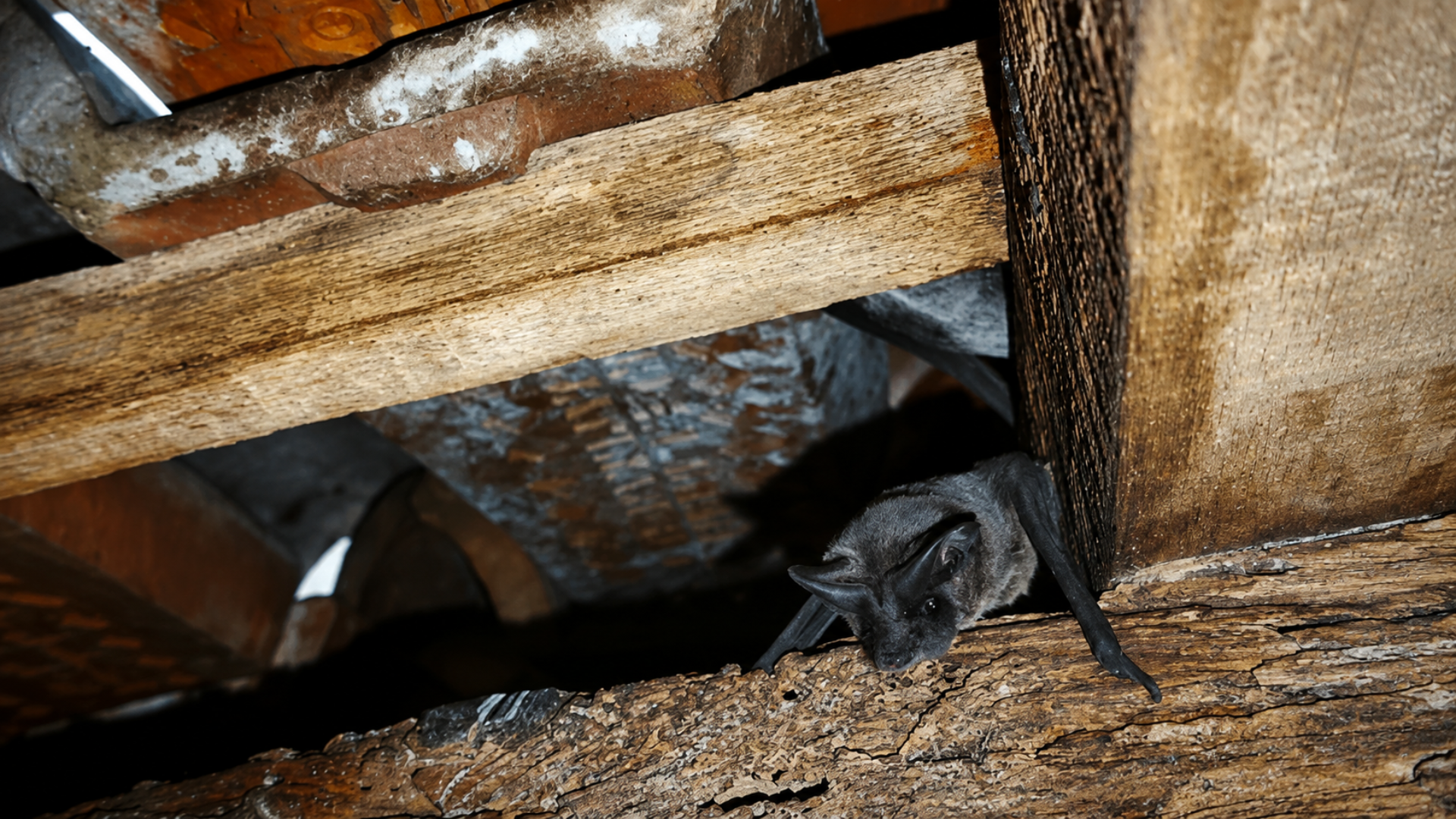
A single bat can eat thousands of mosquitoes in one night, which is part of why several U.S. bat species carry federal protection under the Endangered Species Act, particularly maternity colonies raising pups. Disturbing a roost or harming an individual bat can trigger serious legal penalties, separate from any state-level rules. If bats have moved into a structure, wildlife professionals use exclusion methods, sealing entry points once the bats have already left for the night, rather than direct removal.
Killing That Harmless Snake Could Be Illegal Where You Live
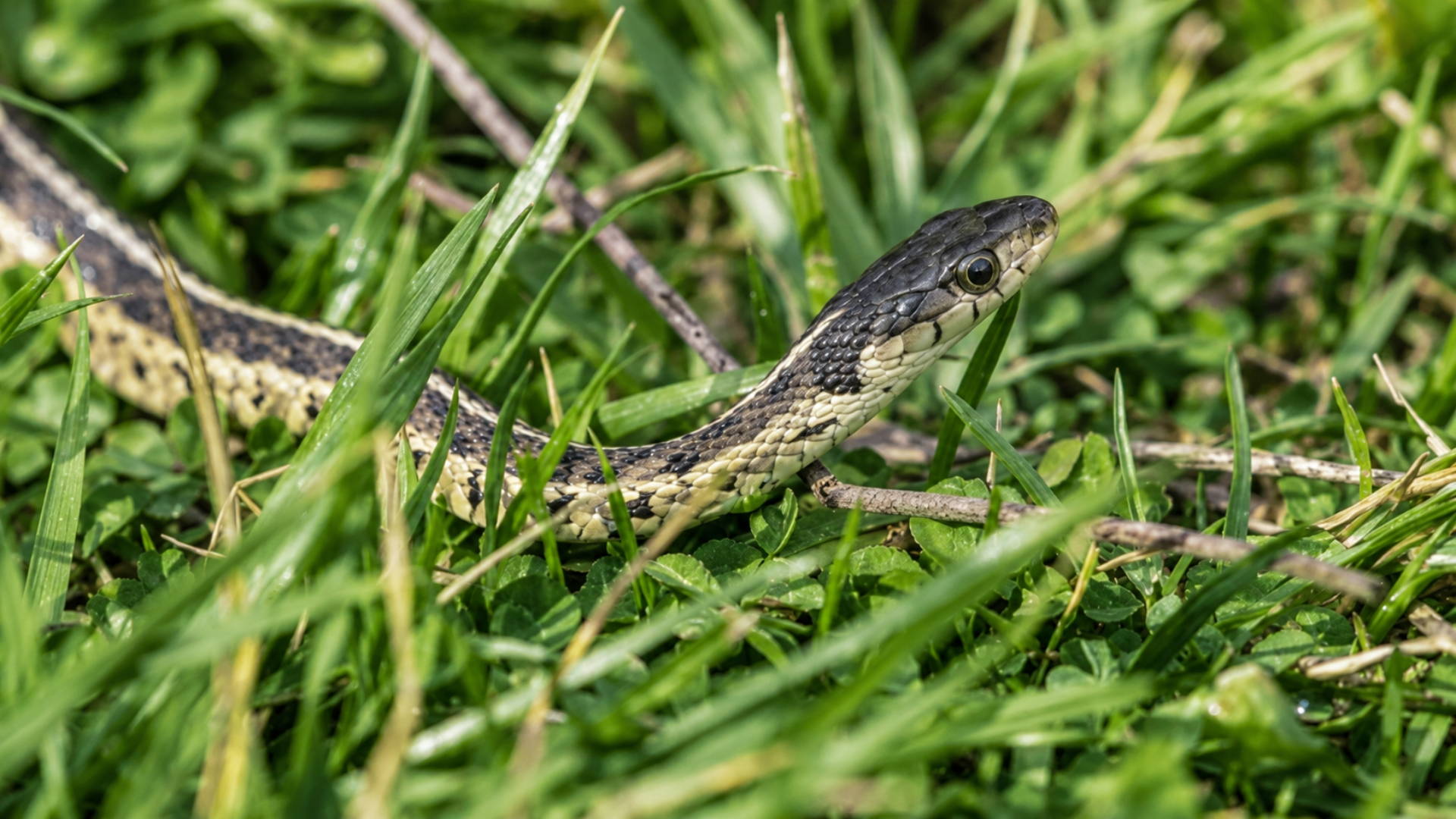
Most snakes that show up in a backyard aren’t venomous, and many common species are protected under state regulations because of the pest control they quietly provide. In numerous states, intentionally killing a non-venomous snake carries legal consequences even on private property. Learning to identify the handful of venomous species native to a region takes the guesswork out of the decision, and a licensed removal service can handle anything that still feels risky.
Trapping A Groundhog Isn’t As Simple As It Sounds
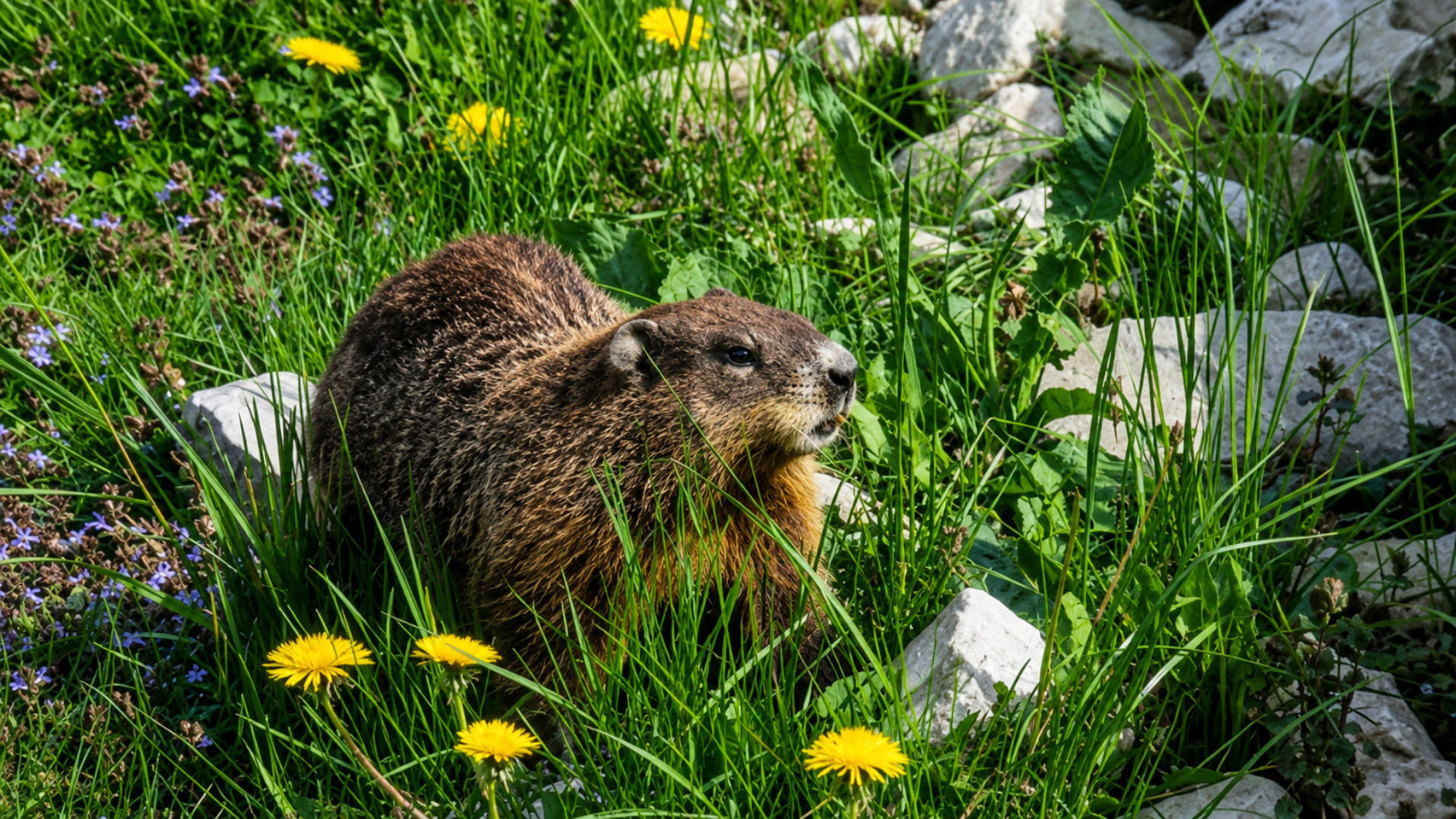
Groundhogs can wreck a garden and undermine a foundation with their burrows, but removing one is rarely as easy as setting a trap and driving away. Most states require a permit for relocation, largely over disease and territorial-survival concerns, and some states ban relocating them entirely, leaving euthanasia as the only legal option, itself often requiring authorization. Fencing and other deterrents remain the least complicated route for most homeowners.
The Fox In Your Driveway Is Protected, Even If It’s Bold
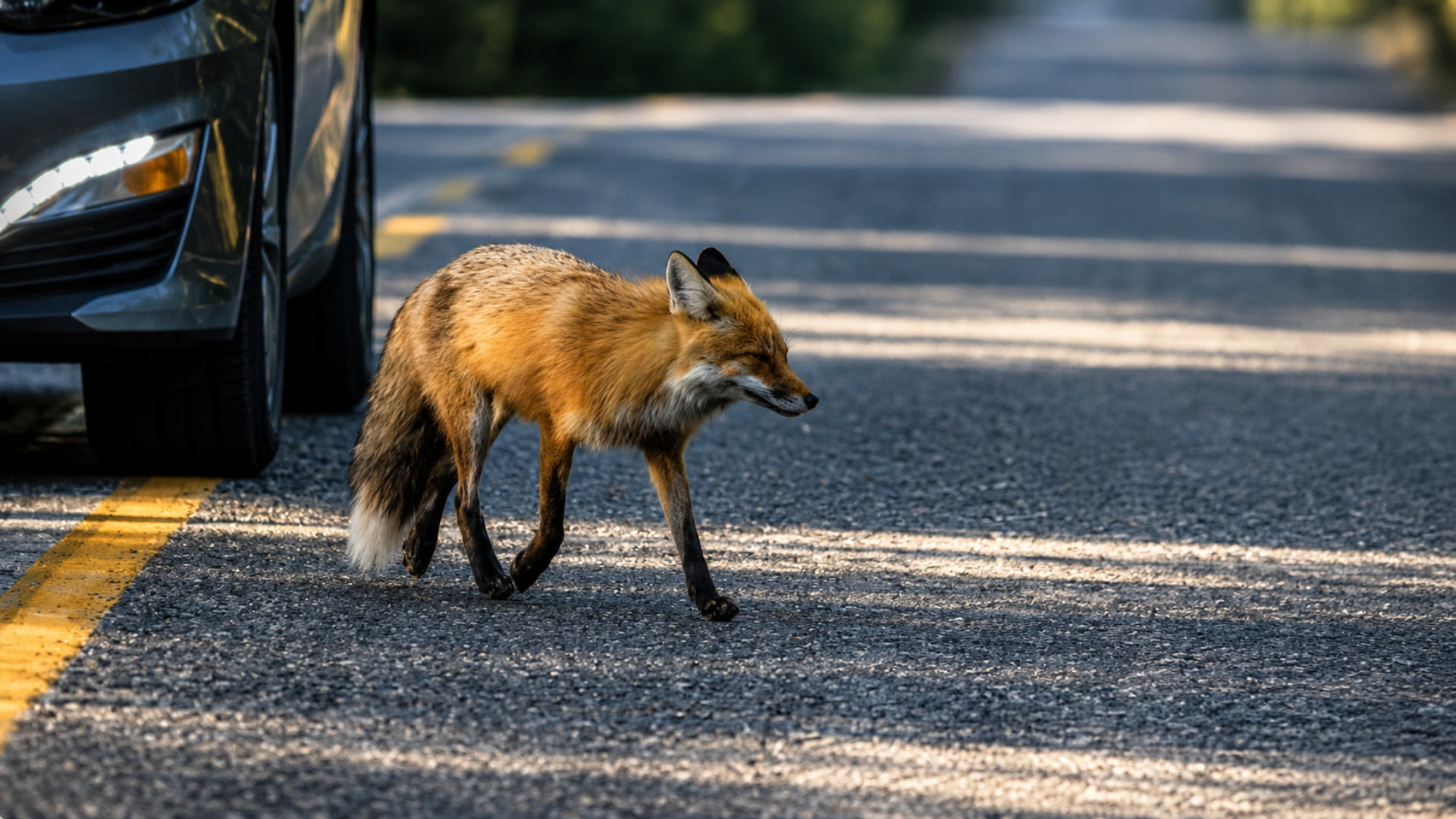
Red foxes have become increasingly common in suburban neighborhoods, and in most states they’re classified as protected wildlife under game laws, meaning harming or indiscriminately trapping one is illegal. Despite their opportunistic reputation around garbage and pet food, foxes rarely pose a direct threat to people and quietly help keep rodent populations in check. Securing food sources solves most conflicts; a fox that looks sick or aggressive is a call to wildlife authorities, not a DIY situation.
Even Your Yard’s Frogs Might Be Legally Untouchable
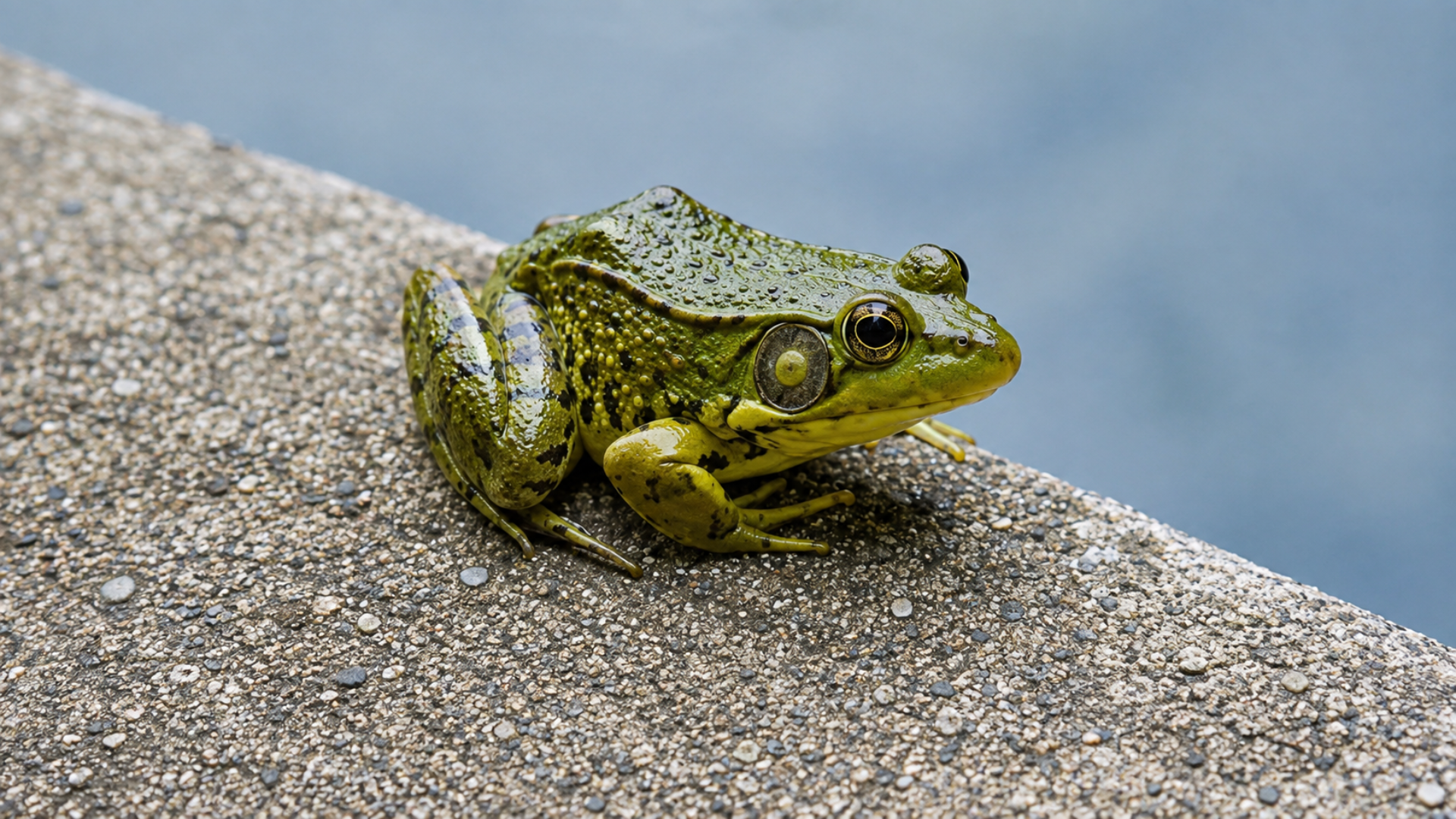
Frogs, toads, and salamanders are protected at the state or local level in many parts of the country, largely because amphibian populations are unusually sensitive to habitat loss and have been declining for decades. Collecting, harming, or relocating them is illegal in these areas. Skipping pesticides and keeping a natural water feature intact does more for these animals than any active management ever could.
The Legal Move Is Almost Always Coexistence, Not Removal
Across every one of these species, the pattern repeats: the animal was likely there first, the law tends to side with it, and removal usually requires more paperwork than people expect. Deterrents, exclusion methods, and a call to a state wildlife agency solve the vast majority of backyard conflicts without anyone breaking the law. The “nuisance” in the yard is frequently just wildlife doing exactly what it’s supposed to do.