Private Jets Aren’t the Only Issue: Study Says the Ultrawealthy Cause Nearly $1 Trillion in Climate Damage


When discussions turn to climate change and wealth, private jets often become the symbol of excessive carbon emissions. However, a new study suggests that the environmental impact of the ultrawealthy extends far beyond luxury travel. Researchers estimate that emissions linked to the world’s richest individuals have caused nearly $1 trillion in climate-related economic damages. The findings are fueling debate about whether climate policies should focus more heavily on high-emission lifestyles, investment portfolios, and consumption patterns among the wealthiest members of society.
Researchers Examined the Climate Impact of Extreme Wealth

The study explored how the activities and investments of the world’s wealthiest individuals contribute to greenhouse gas emissions. Rather than focusing solely on personal consumption, researchers examined the broader influence of wealth, including ownership stakes in companies, investment decisions, and industries tied to fossil fuel production. The findings suggest that the environmental footprint of extreme wealth may be much larger than commonly understood.
Private Jets Represent Only a Small Piece of the Puzzle

Private aviation has received significant attention because of its high emissions per passenger. However, researchers argue that private jets account for only a fraction of the climate impact associated with the ultrawealthy. Large investment portfolios, ownership interests in major corporations, luxury real estate holdings, yachts, and other high-consumption activities often generate far greater emissions than personal air travel alone.
Investments Can Create Massive Carbon Footprints
One of the study’s most significant findings involves the role of investments. Wealthy individuals often hold substantial stakes in companies operating across energy, manufacturing, transportation, and other carbon-intensive sectors. Researchers argue that these financial interests can indirectly contribute to emissions on a scale that far exceeds the environmental impact of personal lifestyle choices. As a result, climate experts are increasingly examining investment-related emissions when assessing responsibility for climate change.
The Economic Damage Adds Up Quickly
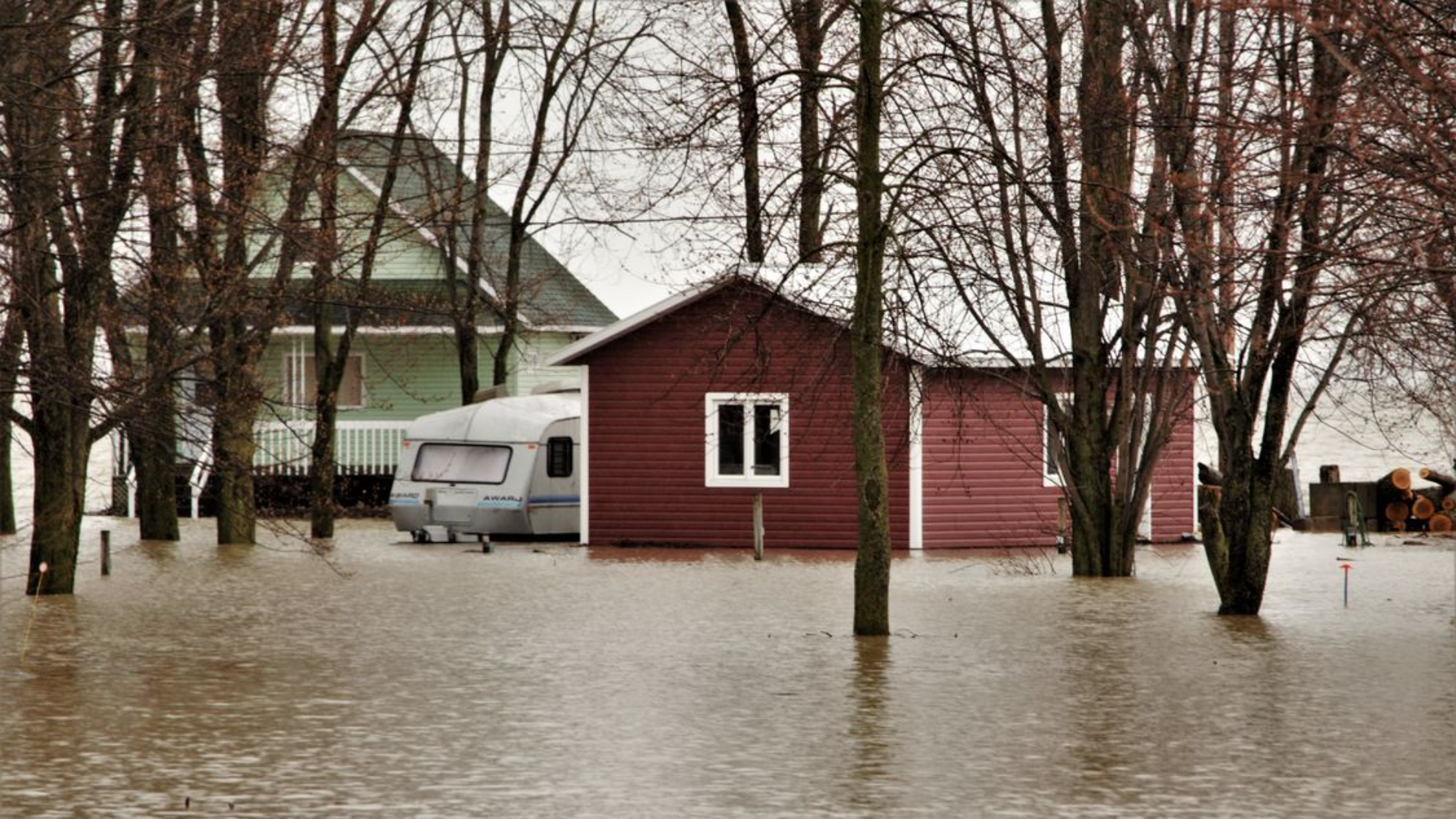
Researchers estimated that emissions associated with the world’s wealthiest individuals have contributed to nearly $1 trillion in climate-related damages. These costs can include property destruction, agricultural losses, infrastructure damage, health impacts, and economic disruptions caused by extreme weather events. While assigning precise financial values to climate impacts remains challenging, the study highlights the enormous economic consequences linked to greenhouse gas emissions.
Climate Inequality Is Becoming a Bigger Focus

The study contributes to a growing discussion about climate inequality. Many experts note that those who contribute the least to global emissions often face some of the greatest risks from climate change, including extreme heat, flooding, droughts, and food insecurity. Meanwhile, wealthier individuals generally have greater resources to adapt to environmental disruptions. This disparity has prompted calls for policies that address both emissions and economic inequality simultaneously.
Some Experts Support Wealth-Based Climate Policies
The findings have renewed interest in proposals targeting high-emission lifestyles and investments. Suggestions include carbon taxes on luxury goods, private jet fees, taxes on large yachts, stricter emissions reporting requirements, and policies encouraging sustainable investment practices. Supporters argue that such measures could reduce emissions while ensuring that those with the largest carbon footprints contribute more toward climate solutions.
Critics Question How Responsibility Is Assigned

Not everyone agrees on how emissions responsibility should be measured. Some critics argue that assigning emissions based on investment ownership can oversimplify complex economic systems. Others contend that consumers, corporations, governments, and investors all share responsibility for emissions. The debate reflects broader disagreements about how climate accountability should be calculated and who should bear the greatest burden of reducing emissions.
The Debate Extends Beyond Individual Behavior
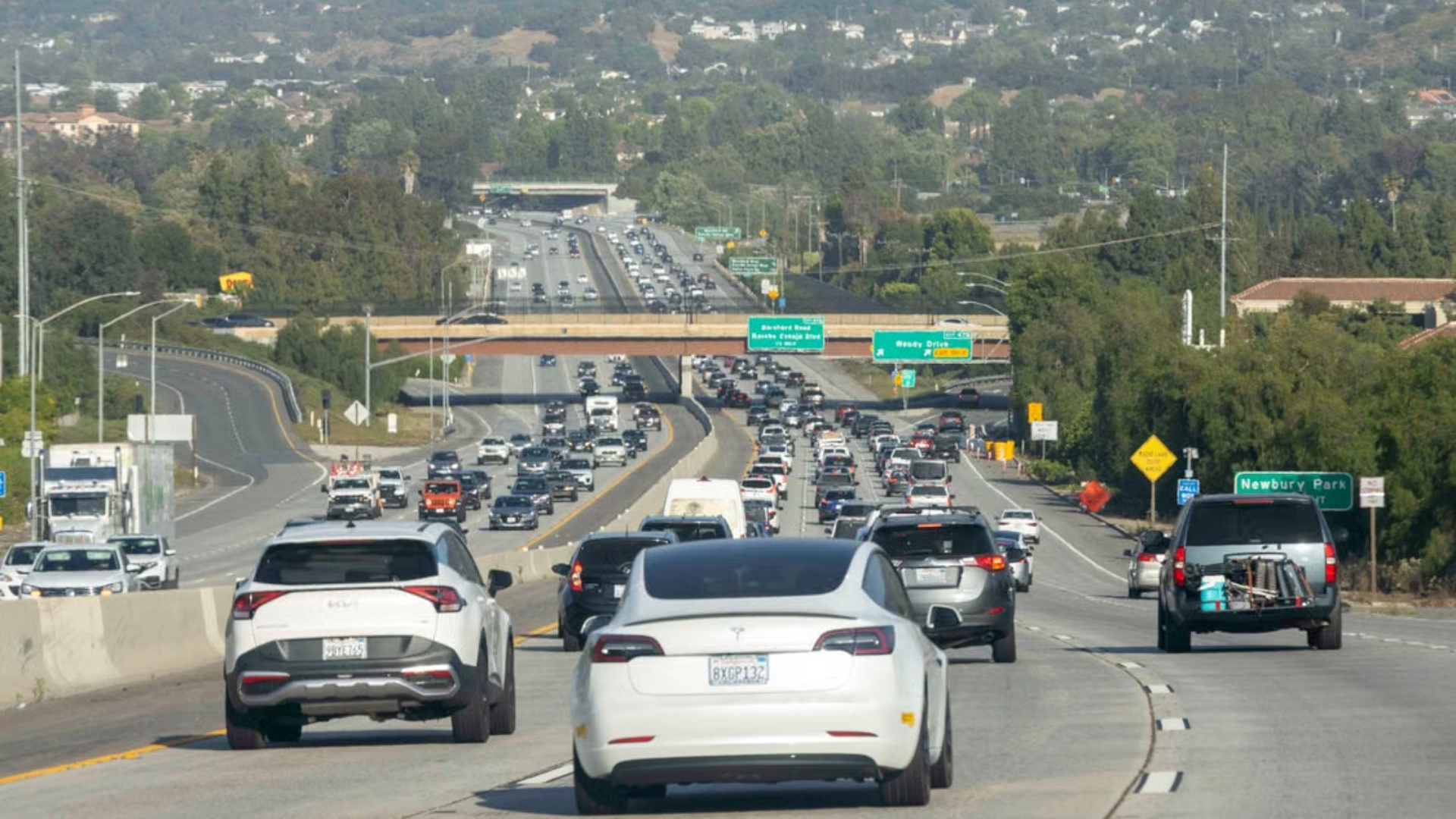
The study highlights a shift in climate discussions away from focusing exclusively on personal behavior. While actions such as recycling, driving less, and conserving energy remain important, researchers increasingly emphasize systemic factors including infrastructure, corporate practices, energy production, and investment decisions. Many experts believe meaningful emissions reductions will require changes at multiple levels of society rather than relying solely on individual choices.
Wealth and Climate Responsibility Are Becoming Linked

The study’s estimate of nearly $1 trillion in climate-related damages associated with the ultrawealthy is likely to intensify discussions about who bears responsibility for global emissions. While private jets remain a visible symbol of luxury-related pollution, researchers argue that the larger story involves investment patterns, corporate ownership, and the broader economic influence of extreme wealth. As governments, businesses, and communities search for ways to address climate change, questions about wealth, responsibility, and fairness are likely to remain at the center of the conversation.