Prices May Keep Rising for American Consumers as Companies Continue Passing on Tariff Costs



Many Americans have already noticed higher prices on everyday goods, but new research suggests more increases could still be on the way. According to economists at the Federal Reserve Bank of New York, many businesses are continuing to pass tariff costs on to customers instead of raising prices all at once. That means shoppers could continue seeing gradual price increases over the coming months rather than a single wave of inflation.
What The New York Fed Found
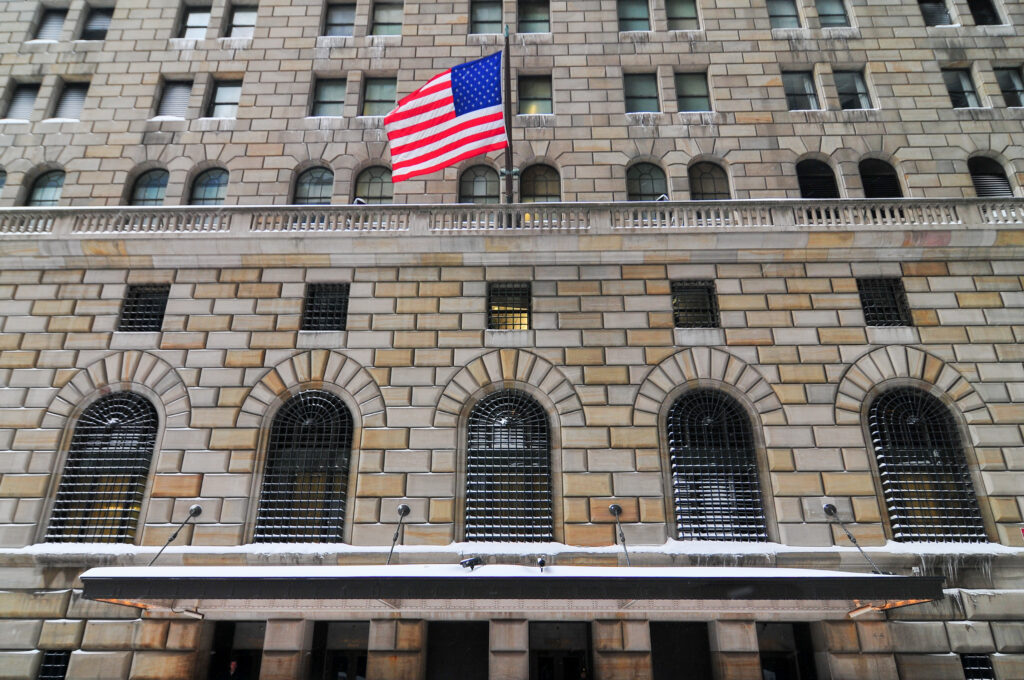
The New York Fed’s latest regional business surveys found that 47% of service companies and 44% of manufacturers that paid tariffs still expect to raise prices further. Most of those businesses said additional increases would happen within the next six months, while some manufacturers and service firms expect tariff-related price hikes to continue into 2027.
Why Companies Are Raising Prices Slowly

Researchers say businesses may be spreading out price increases instead of raising prices all at once. Some companies are waiting for existing customer contracts to expire before adjusting prices, while others are intentionally introducing smaller increases over time to avoid surprising customers with a sharp jump in costs.
Consumers Usually Bear Most Of The Cost

Past economic research cited by the New York Fed suggests consumers ultimately pay nearly 90% of tariff costs. Earlier estimates from the Tax Foundation also found that tariffs imposed after President Donald Trump returned to office were costing the average U.S. household about $1,000 annually, although later court rulings changed some of those tariffs.
More Price Increases Could Still Be Ahead
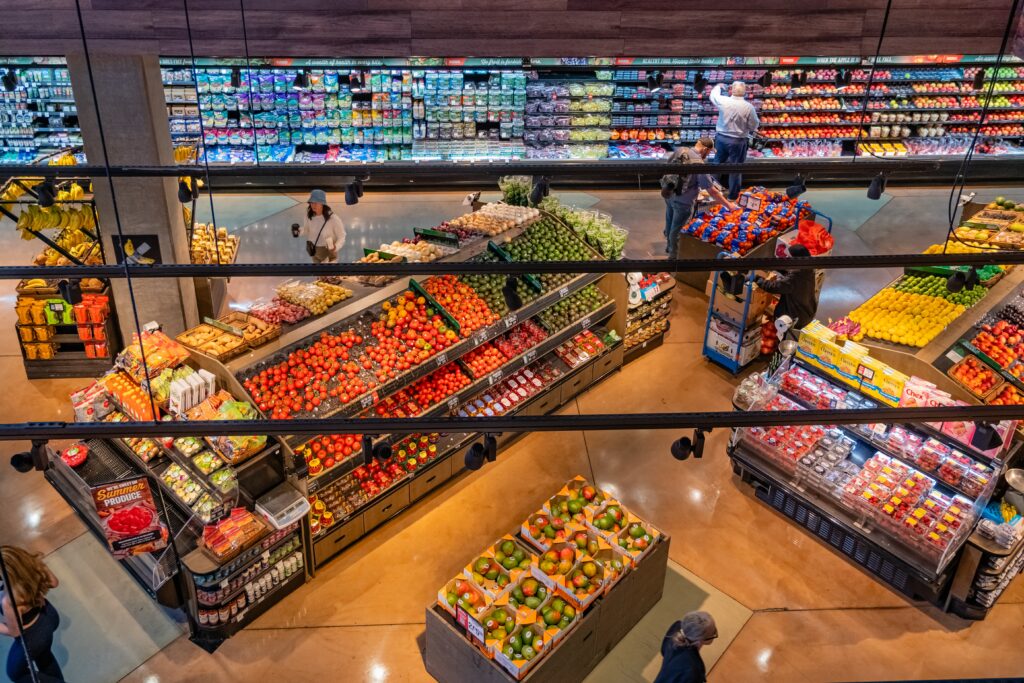
The New York Fed found that many businesses have not yet finished adjusting their prices after paying tariffs. Nearly half of surveyed manufacturers and service firms that incurred tariff costs said they still expect to raise prices, suggesting that some of those costs have yet to reach consumers.
Many Businesses Still Have Planned Price Increases
The New York Fed found that more than four in ten manufacturers and nearly half of service firms that paid tariffs still expect to raise prices. Most plan to do so within the next six months, while some businesses said tariff-related price increases could continue into 2027. The findings suggest many companies are still working higher import costs into their pricing.
Tariff Costs Could Keep Affecting Inflation

The New York Fed said many firms still have tariff-related costs working their way through their businesses, meaning the full impact on consumer prices may not have been felt yet. As companies continue adjusting to higher import costs, economists say tariffs could remain one factor influencing inflation over the coming months, even if the pace of price increases slows.
Economists Differ On What Comes Next
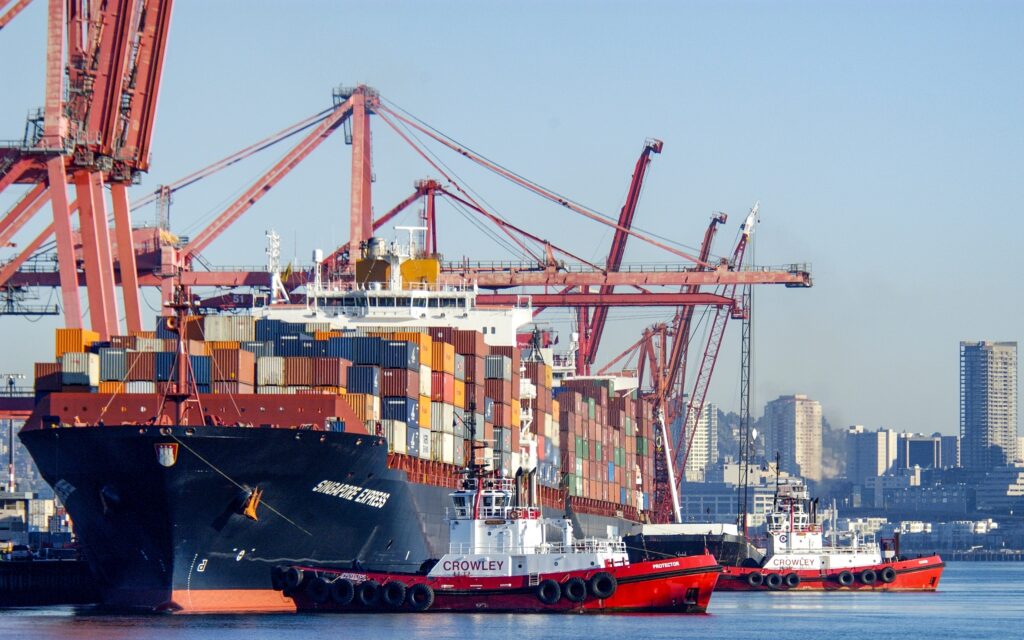
Some economists believe tariff-related inflation is fading because businesses have already absorbed much of the added cost and some tariff rates have fallen after court rulings. Others say additional price increases are still likely, especially for imported goods that take longer to move through supply chains, such as apparel and vehicles.
Household Budgets Remain Under Pressure

The possibility of more price increases comes as many Americans are already dealing with higher costs for groceries, fuel, and other essentials. A recent Harris Poll conducted for The Guardian found that 95% of Americans believe the country is facing an affordability crisis, highlighting how rising living costs continue to shape consumer sentiment.
Businesses Are Still Adjusting To Tariffs
The New York Fed’s research suggests the effects of tariffs are still working their way through parts of the economy. While some economists believe the biggest inflationary impact has already passed, many businesses continue to adjust their pricing strategies. How quickly those remaining costs reach consumers will help determine whether shoppers face additional price increases in the months ahead.