Poorest US State Sets Plan to Eliminate Income Tax Amid Cost-of-Living Strain
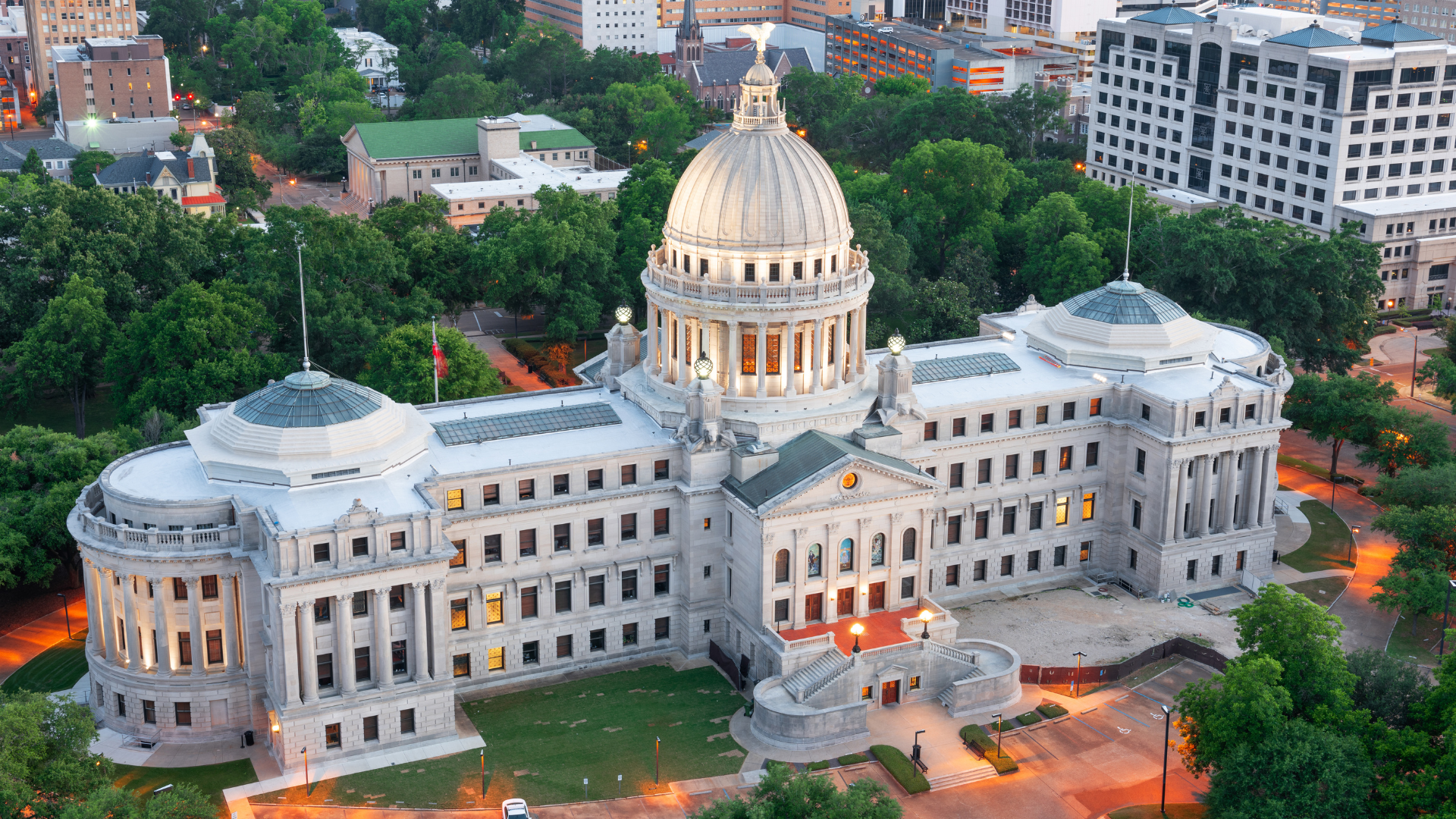

The poorest state in the United States is moving forward with a long-term plan to eliminate its state income tax, even as residents continue to struggle with rising costs of living and economic pressure. The proposal is part of a broader tax overhaul aimed at boosting economic growth, increasing household income retention, and making the state more competitive with zero-income-tax states. Officials argue the changes will help attract businesses and residents, while critics warn it could strain public services.
Why the State Is Considering Eliminating Income Tax
Lawmakers behind the proposal say eliminating income tax is designed to stimulate economic development and encourage population growth. The state currently relies heavily on sales and other taxes, and supporters argue removing income tax could make it more attractive for workers and employers. The plan is being positioned as a long-term strategy rather than an immediate change, with gradual adjustments expected over time. However, experts note that replacing lost revenue could be challenging.
Mississippi Identified as the Poorest State in the Nation

Mississippi is widely recognized as the poorest state in the country based on per capita income and poverty rates. A significant share of residents live below or near the poverty line, reflecting long-standing economic challenges. The state also has one of the lowest per capita incomes in the nation, contributing to its ranking. These conditions make tax policy changes especially impactful for households.
Cost-of-Living Pressures Driving the Debate

Rising costs for housing, groceries, and utilities have intensified financial strain on many households in the state. While the cost of living is lower than in many parts of the U.S., wages have not kept pace with inflation and essential expenses. This imbalance has made affordability a central issue in policy discussions. Lawmakers are using tax reform as one potential tool to address these pressures.
How the Income Tax Phase-Out Would Work

The plan to eliminate income tax is expected to be phased in gradually rather than implemented immediately. Lawmakers have discussed reducing rates over time until they eventually reach zero, depending on economic performance and revenue stability. This approach is intended to avoid sudden disruptions to the state budget. However, details on timelines and triggers remain under discussion.
Concerns Over Funding for Public Services

Critics of the proposal warn that eliminating income tax could significantly reduce funding for essential services. Education, healthcare, infrastructure, and public safety programs could face budget pressure if alternative revenue sources are not secured. Some policymakers argue that the state may need to raise other taxes to offset the loss. This concern remains one of the biggest obstacles to full implementation.
Supporters Point to Economic Growth Potential
Supporters of the plan believe eliminating income tax could attract new residents and businesses to the state. They argue that keeping more income in the hands of workers will boost consumer spending and economic activity. Similar tax-free income states are often cited as models for growth-oriented policy. However, economists note that results vary depending on broader economic conditions.
Part of a Larger National Tax Trend
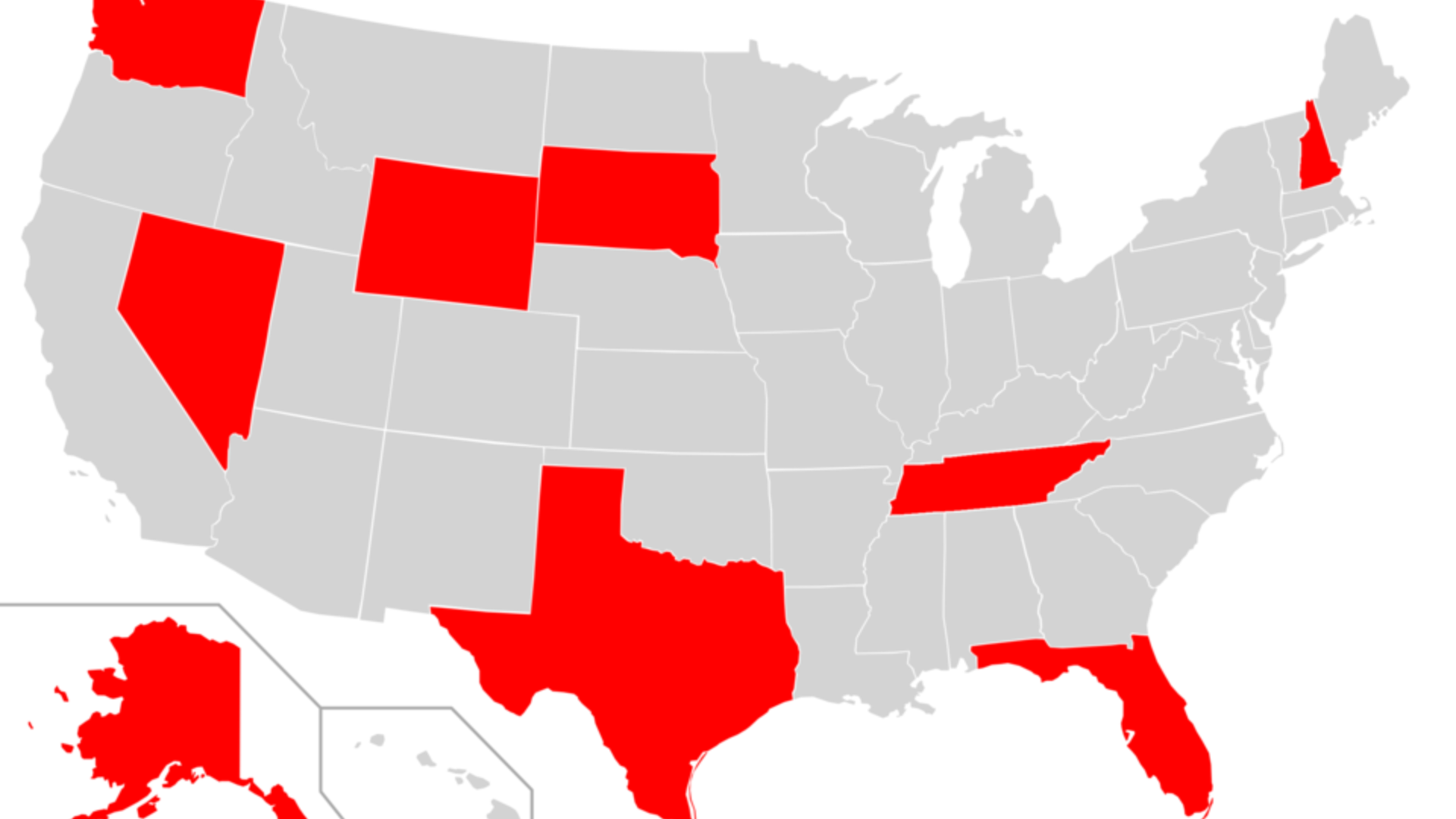
The proposal reflects a broader trend in several U.S. states moving toward lower or zero income tax policies. States like Texas, Florida, and others have used similar strategies to attract migration and investment. However, these models often rely heavily on alternative taxes such as property or sales taxes. The debate continues over whether such systems improve or worsen affordability for residents.
Economic Reality vs. Policy Ambition

While the policy aims to improve financial conditions for residents, economic analysts caution that the benefits may not be evenly distributed. Lower-income households could see limited relief if other taxes increase to compensate for lost revenue. At the same time, public services could face tighter budgets. This tension lies at the heart of the ongoing debate over the proposal’s long-term impact.
A High-Stakes Gamble on Tax Reform

The plan to eliminate income tax in the nation’s poorest state represents a major policy shift aimed at reshaping its economic future. Supporters see it as a path toward growth and competitiveness, while critics warn of potential risks to public services and financial stability. As cost-of-living pressures continue, the outcome of this proposal could have lasting consequences for millions of residents. The debate underscores the difficult balance between tax relief and economic reality.