Poll: 95% of Americans Say America Is Becoming Too Expensive to Live In


Ninety-five percent of Americans agree on almost nothing these days. This is one of the rare exceptions. A new poll finds nearly everyone across the political spectrum believes the country has become too expensive to live in. That level of agreement is rare in any survey, let alone one about the economy during an election year. What could possibly unite that many people when nothing else seems to?
This article was created with the assistance of AI and reviewed by our editorial team for accuracy and clarity.
Confidence Is Falling Even With Stocks at Record Highs
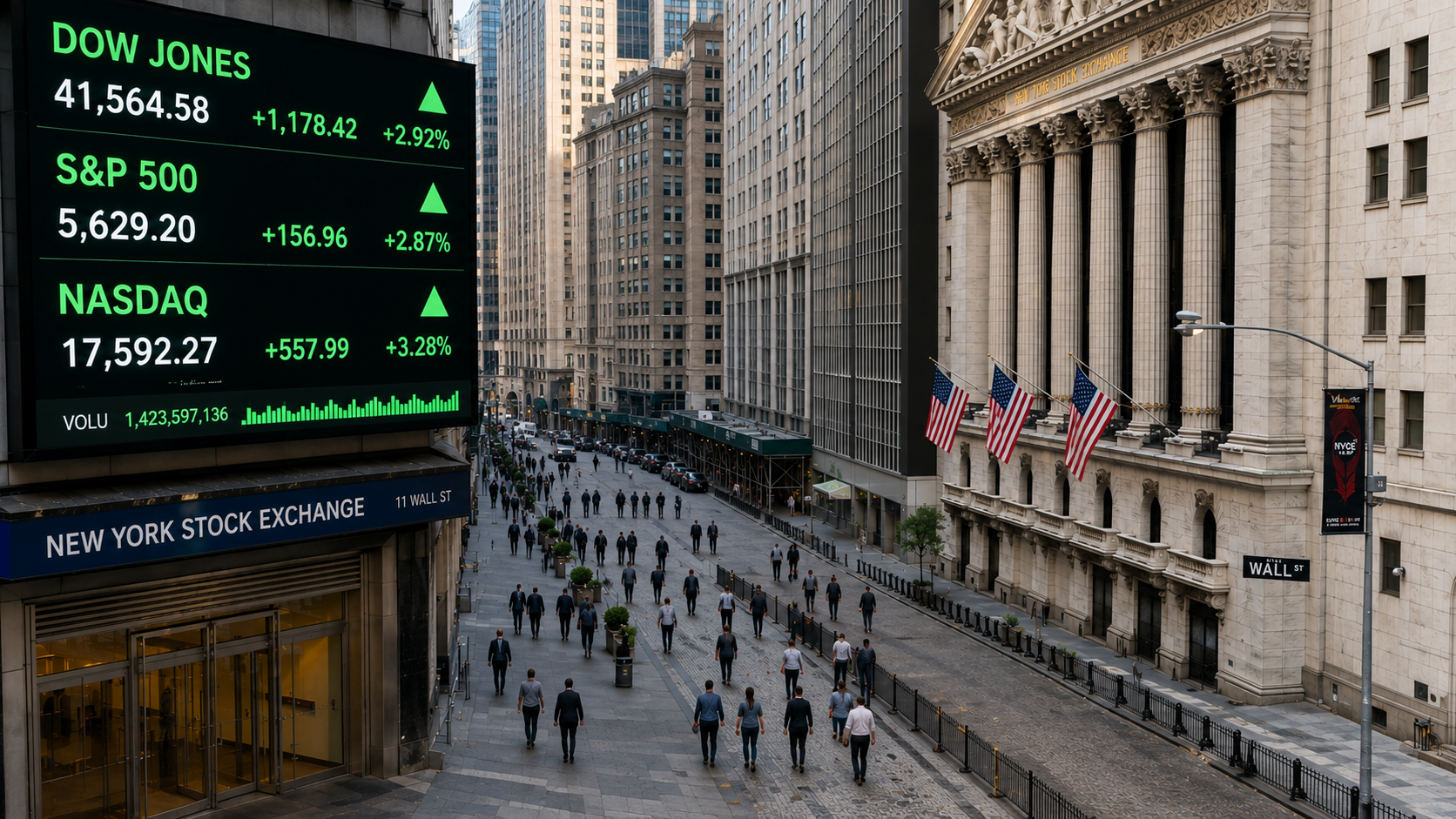
A near-universal number like 95% does not happen by accident. The Harris Poll, conducted for the Guardian, found that a share of Americans believe the US is suffering a genuine affordability crisis. 57% now say the overall economy is getting worse, up sharply from 46% back in February. Only 16% think things are improving, down from 28% earlier this year. This shift happened despite record-high stock markets and a stable job market.
This Isn’t One Party’s Problem, It’s Everyone’s
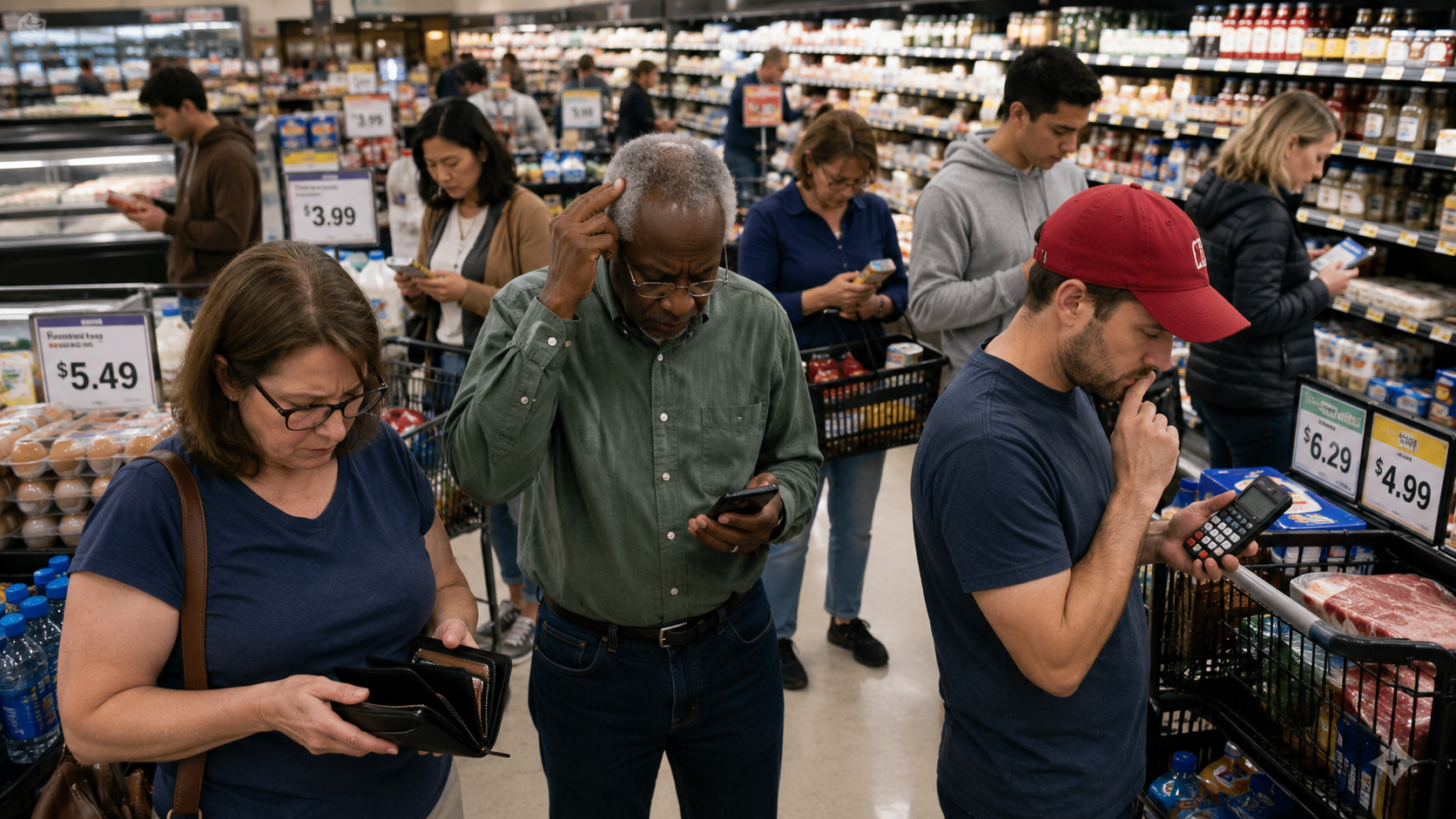
This is not a story about one political party feeling squeezed while another feels fine. Roughly half of Democrats, Republicans, and independents all report trouble affording everyday basics like gas and groceries. Two-thirds of Americans, including 49% of Republicans, say they have little faith the federal government will actually fix the cost of living crisis. When a problem crosses party lines this cleanly, it usually means the pain is showing up in everyone’s grocery cart.
Republican Optimism Just Fell Off a Cliff
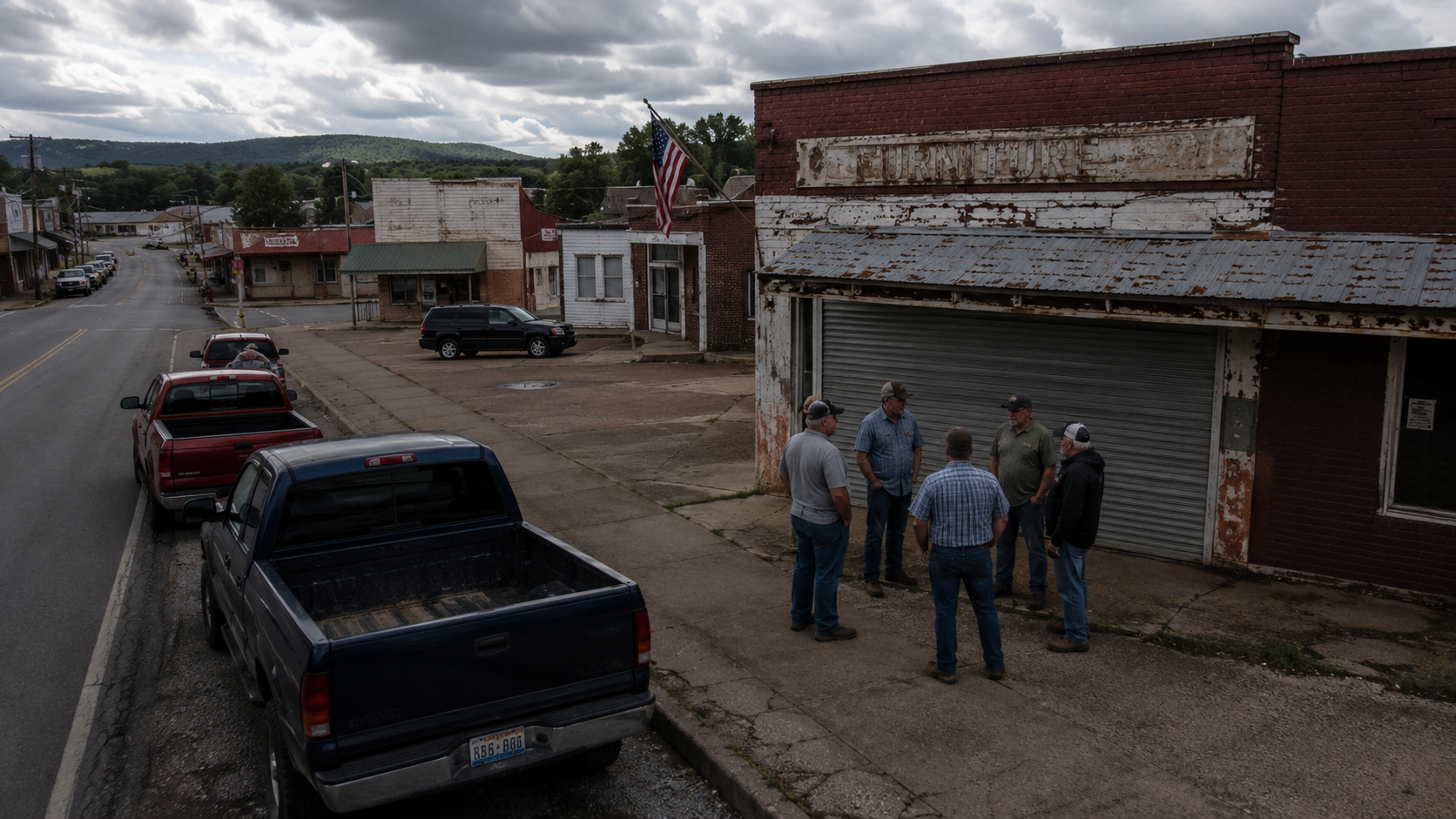
Republican optimism about the economy has fallen off a cliff since February. Back then, 49% of Republicans said the economy was improving. Now just 27% say the same, while the share calling the economy worse jumped from 22% to 38%. Rural Americans, a core part of the Republican base, moved even further, with 64% now saying the economy is getting worse, up from 46% earlier this year. That group also reported the sharpest sense that good jobs have disappeared.
This Is Exactly the Kind of Number That Costs Elections
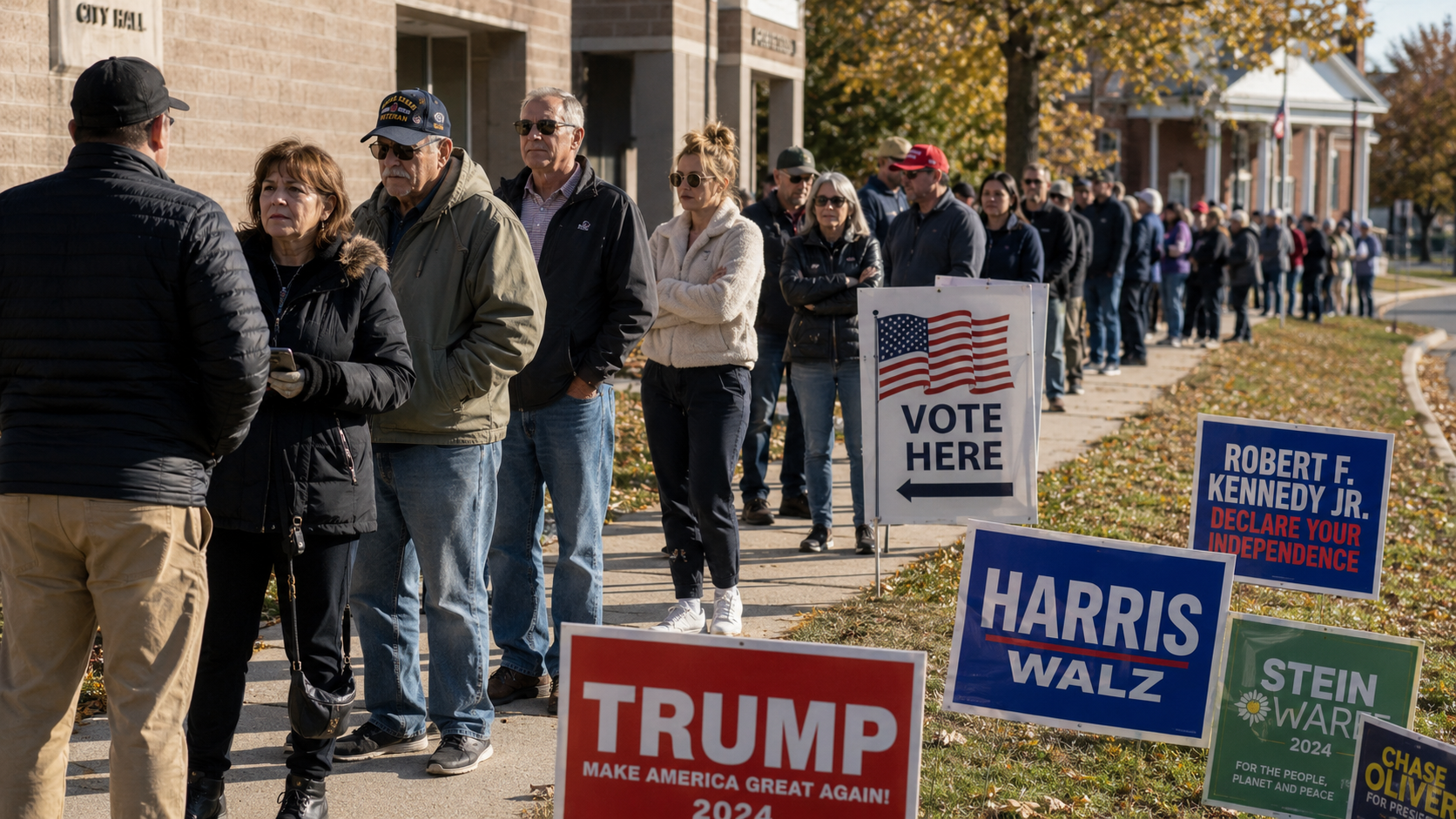
Numbers like these carry real political weight heading into an election year. Republicans currently hold a narrow majority in Congress, and cratering economic sentiment among their own base creates a genuine problem heading into the fall midterms. A party that built support partly on economic confidence is now watching that confidence slip fastest among the voters it needs most to turn out and vote this November.
Trump Denies the Crisis While Trying to Fix It
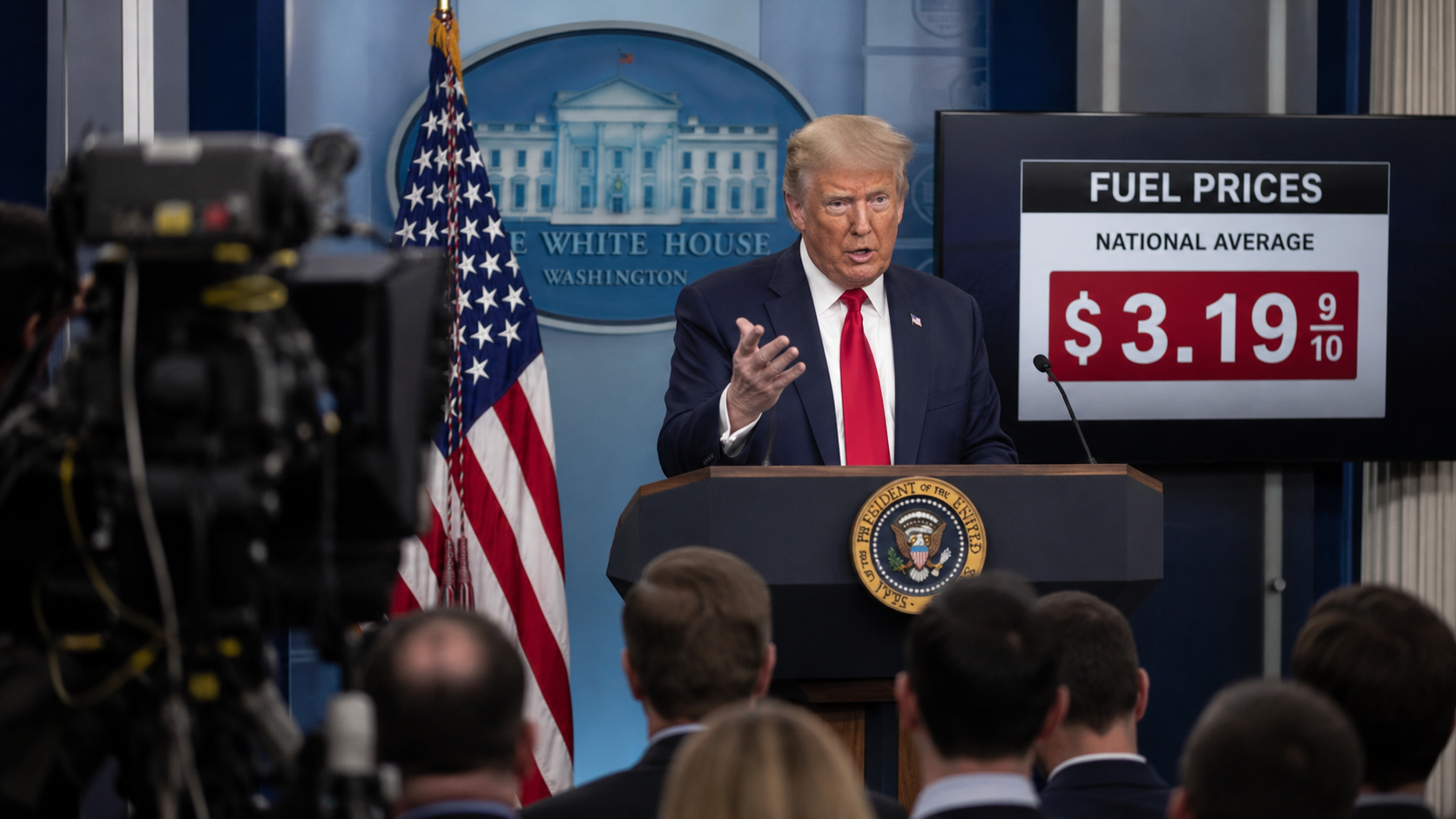
President Trump’s public response to the affordability concerns has sent mixed signals. He has denied that an affordability crisis exists while separately pushing to bring prices down himself, including pressuring oil and gas companies directly. Brent crude, the global oil benchmark, has fallen sharply since the US and Iran signed a peace deal in June. Gas prices at the pump, however, have been slower to follow that drop back down to prewar levels.
A Housing Bill Got Labeled “Minor Importance”
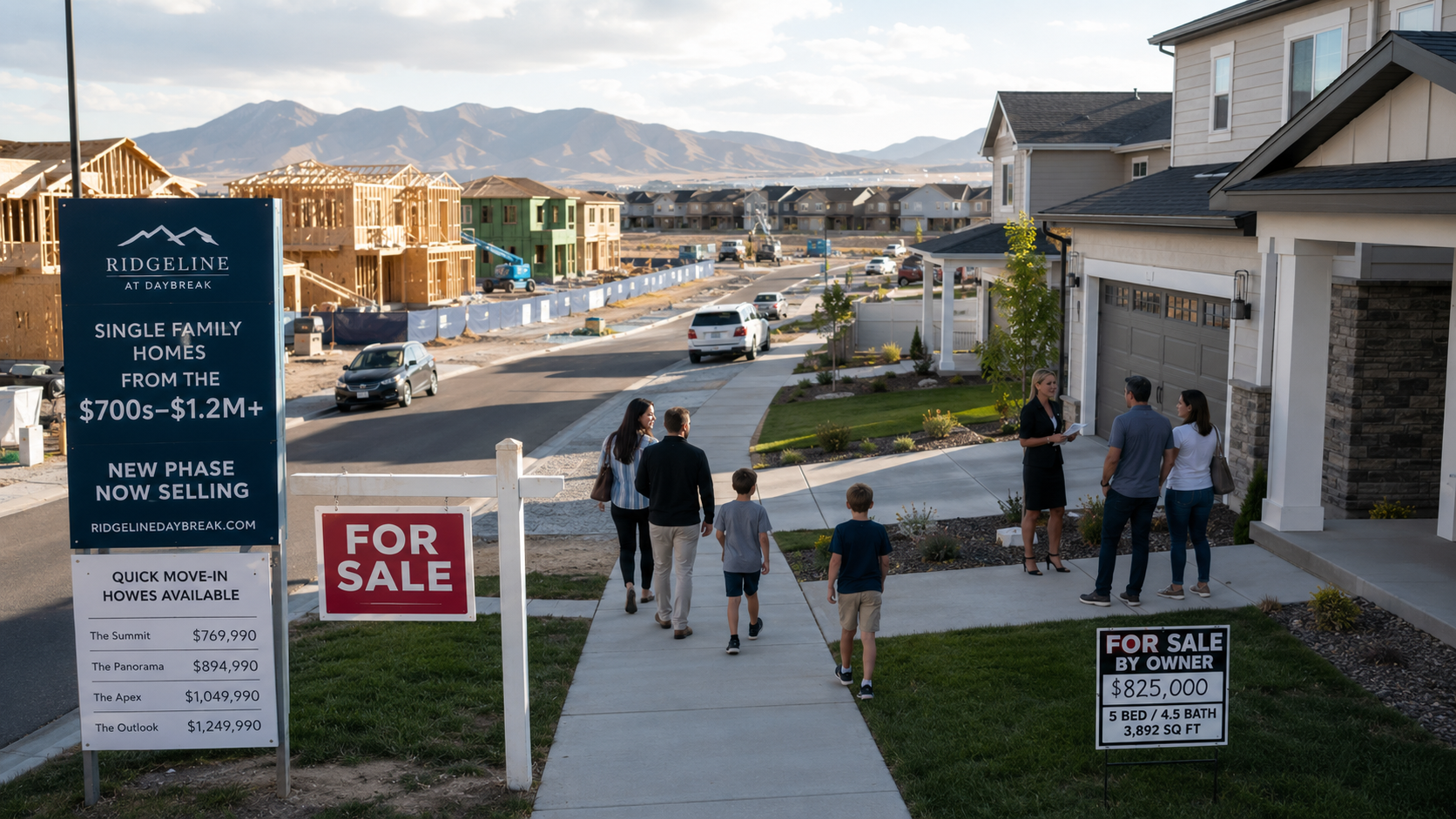
Not every response to the affordability crisis has focused on prices at the pump. Trump recently derailed a bipartisan housing bill aimed at addressing the country’s affordable housing shortage, describing it as of “minor importance” compared to other priorities. Those other priorities reportedly included unproven claims of voter fraud. For Americans specifically worried about housing costs, that decision landed as a signal about where the issue ranks.
Independents Don’t Think Either Party Has an Answer

This poll is not exactly good news for Democrats either. Among independent voters who believe an affordability crisis is real, more than half, 54%, said neither political party currently has a real solution. That finding suggests frustration with the cost of living has outpaced trust in either side’s ability to actually fix it. Voters, in other words, are not simply switching allegiance, they are losing faith in the whole system.
The Jobs Report and Your Wallet Tell Different Stories

Official economic data and everyday experience are telling two different stories right now. The most recent jobs report showed a relatively strong labor market, with an average of 111,000 new jobs added monthly over the past three months. At the same time, inflation rose to 4.2% in May, and average hourly earnings actually fell 0.7% compared with a year earlier. About half of those polled also said they are struggling to afford debt, including student loans under stricter repayment rules.
95% Agree on the Problem. Nobody Agrees on the Fix.

Ninety five percent of Americans rarely agree on anything, yet here they are, united by rising grocery bills and gas prices that refuse to fully retreat. The reasons behind that number split sharply by party, but the number itself does not. With midterm elections approaching this fall, both parties now face the same voters asking the same basic question: who is actually going to make this more affordable?