Police Officer Accessed Women’s License Plates 179 Times. Somehow, It Was Permitted
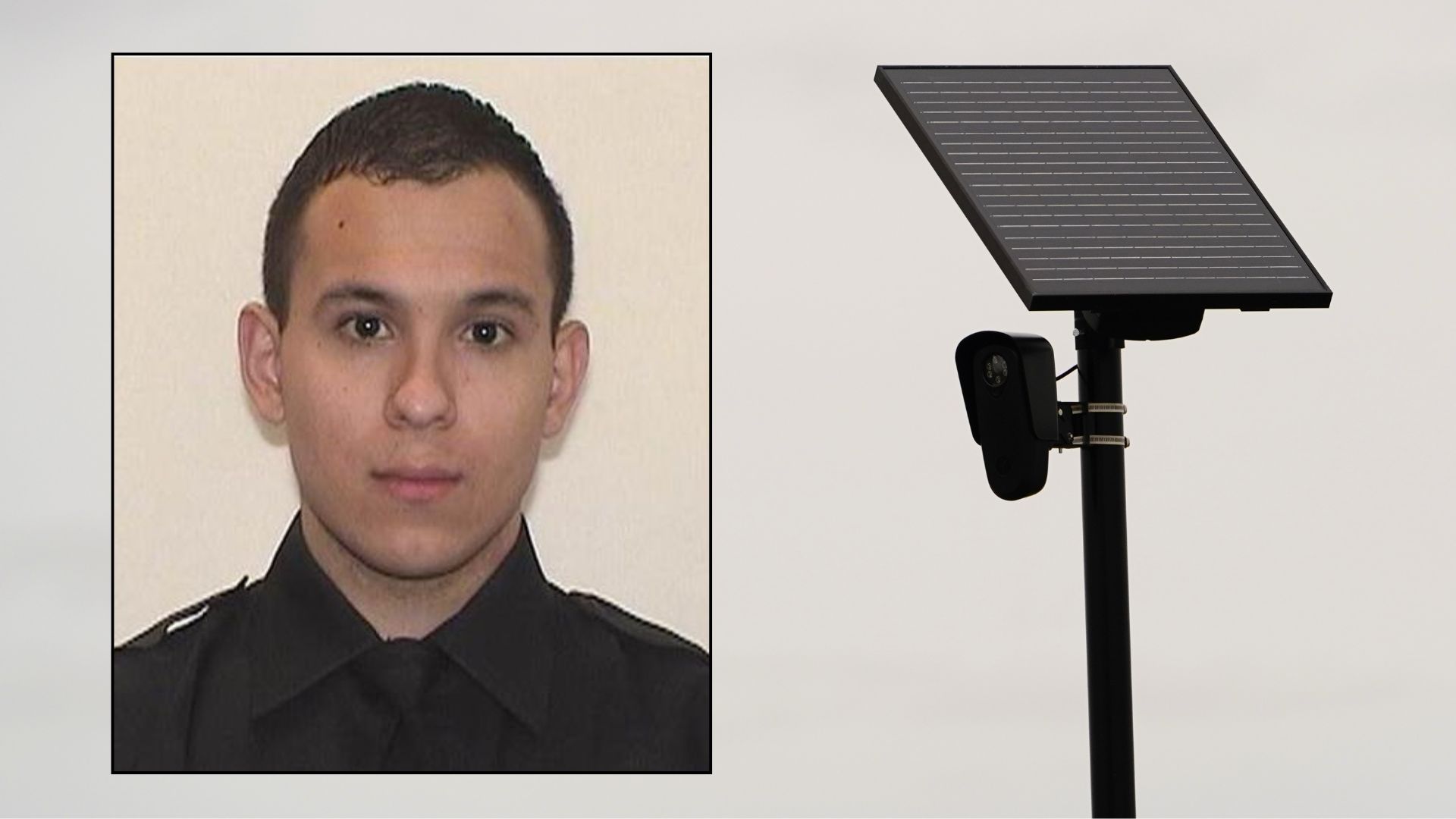

A Milwaukee police officer quietly tracked two women using a government surveillance tool for two months before anyone noticed. He ran their plates 179 times, logging every search as an official investigation. No investigation existed. His name is Josue Ayala, an eight-year veteran of the department. The woman he was dating only discovered she had been watched after checking a public transparency website herself. Nobody at the department flagged it first.
Flock Safety Cameras Were Sold as a Crime-Fighting Tool. Milwaukee Deployed Hundreds of Them
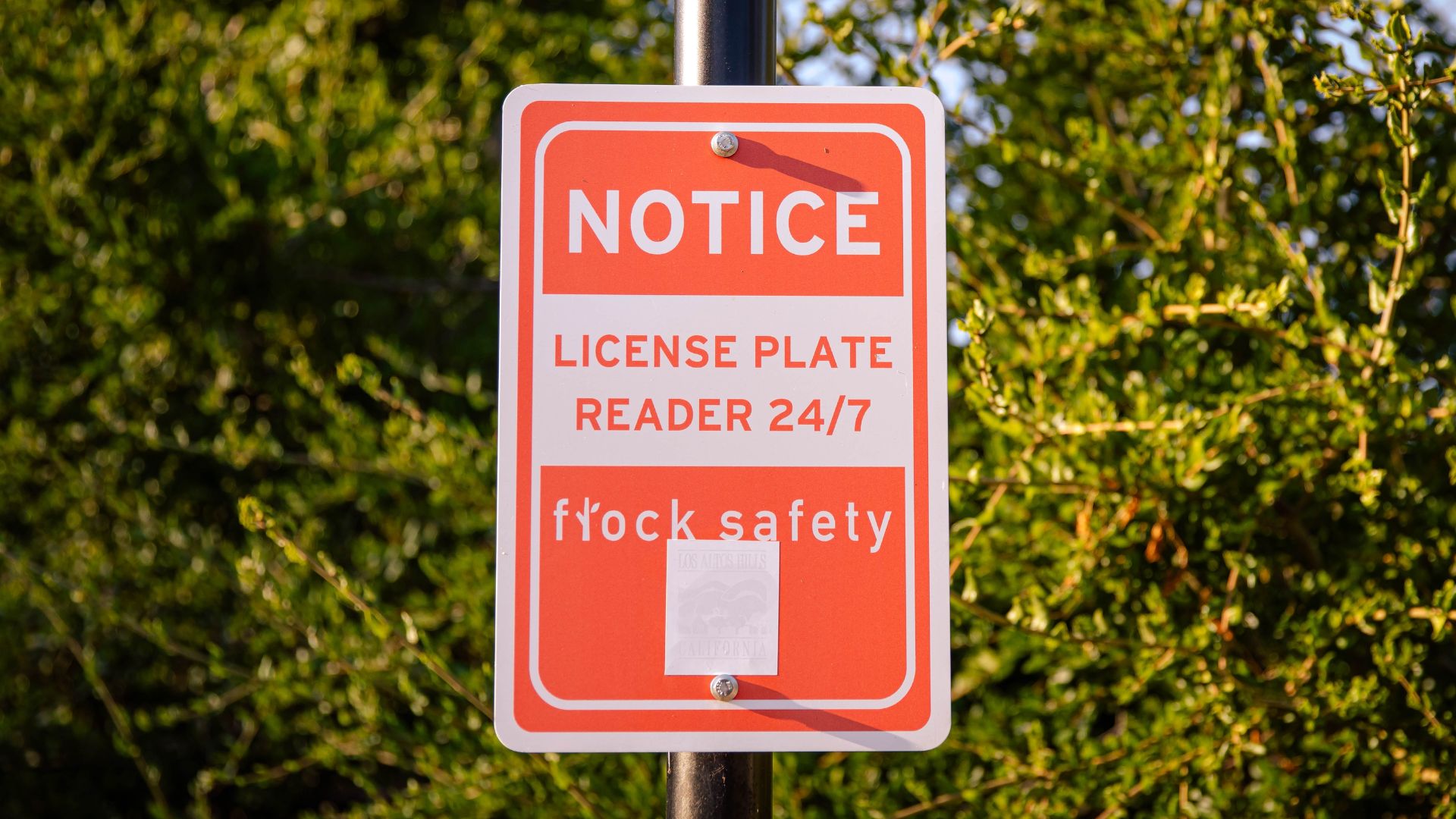
Automated license plate readers from a company called Flock Safety spread across Milwaukee as part of a promise to recover stolen vehicles, locate dangerous suspects, and cut serious crime. The cameras mount on police cruisers, traffic poles, and roadways, scanning every plate that passes and storing the data alongside the time and location of each hit. Milwaukee contracted with Flock and installed hundreds of these cameras around the city. The pitch was public safety.
Ayala Ran 179 Searches Across Two Victims, Logging Each One as an “Investigation”
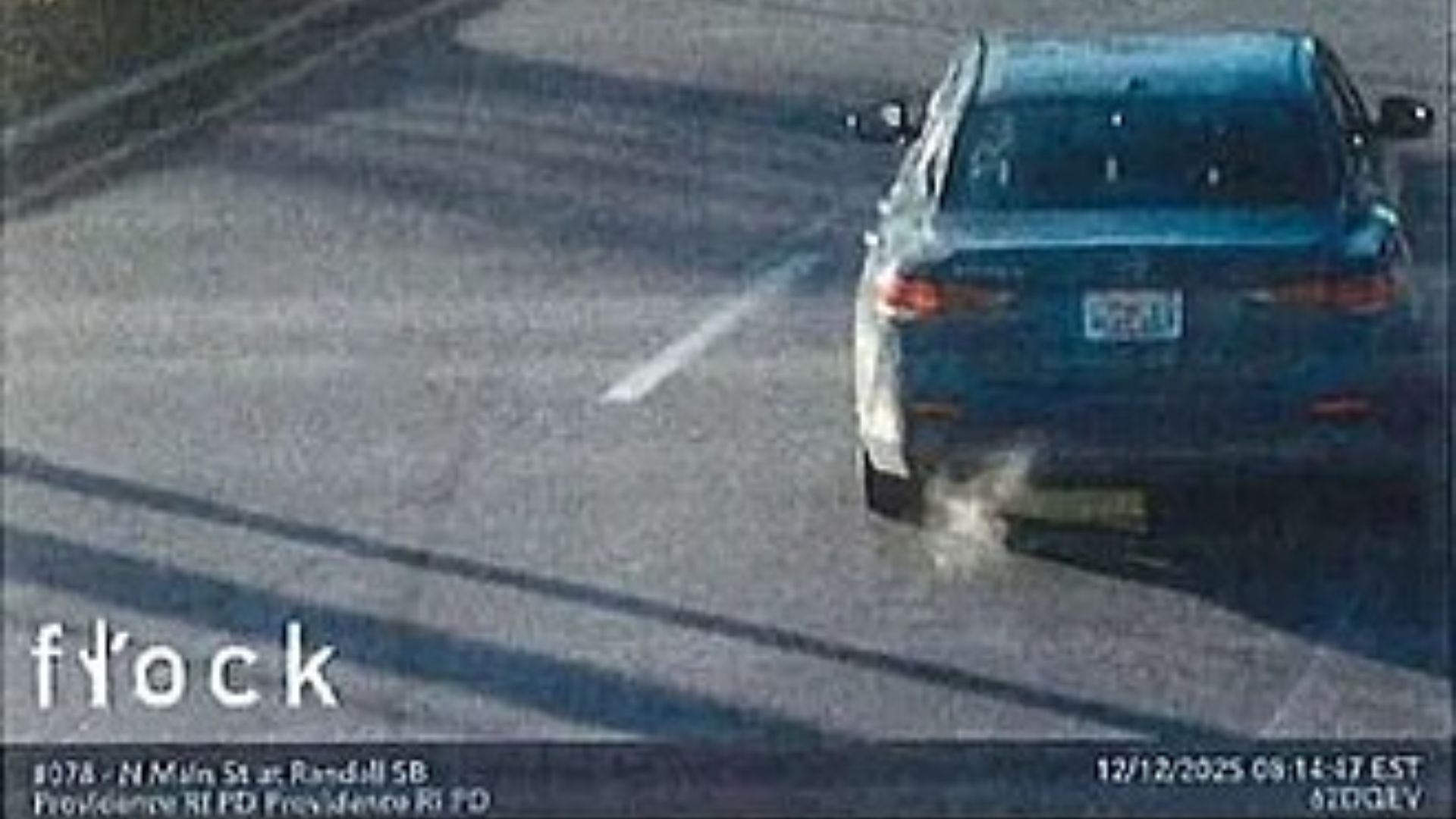
According to charging documents, Ayala used Milwaukee’s Flock system between March 26 and May 26, 2025. He ran the plate of a woman he was dating 55 times and ran the plate of her former partner 124 times, for a total of 179 searches. On every single occasion, he entered “investigation” as his reason in the system. Prosecutors say no active investigation tied to either plate ever existed. The system accepted each entry.
The Victim Found Out Through a Website, Not Through the Police Department

The woman did something most drivers never think to do. She visited HaveIBeenFlocked.com, a public transparency tool that publishes Flock Safety audit logs obtained through open records requests. The site showed her exactly how many times her plate had been scanned and by whom. Internal oversight at the Milwaukee Police Department had not caught the pattern. A civilian watchdog site did. Without that resource, Ayala’s searches might never have surfaced.
Ayala Resigned and Faces a Misdemeanor Charge. He Has Pleaded Not Guilty
Ayala resigned from the Milwaukee Police Department ahead of a court appearance in March 2026. Prosecutors charged him with one misdemeanor count of attempted misconduct in public office. He pleaded not guilty, and a court issued a $2,500 signature bond. The charge is a misdemeanor. For 179 searches conducted on two people he personally knew, across two months, while on duty, the legal exposure he faces sits at the lowest level of criminal offense.
A Kansas Police Chief Did It 228 Times. He Got Probation and Lost His Certification
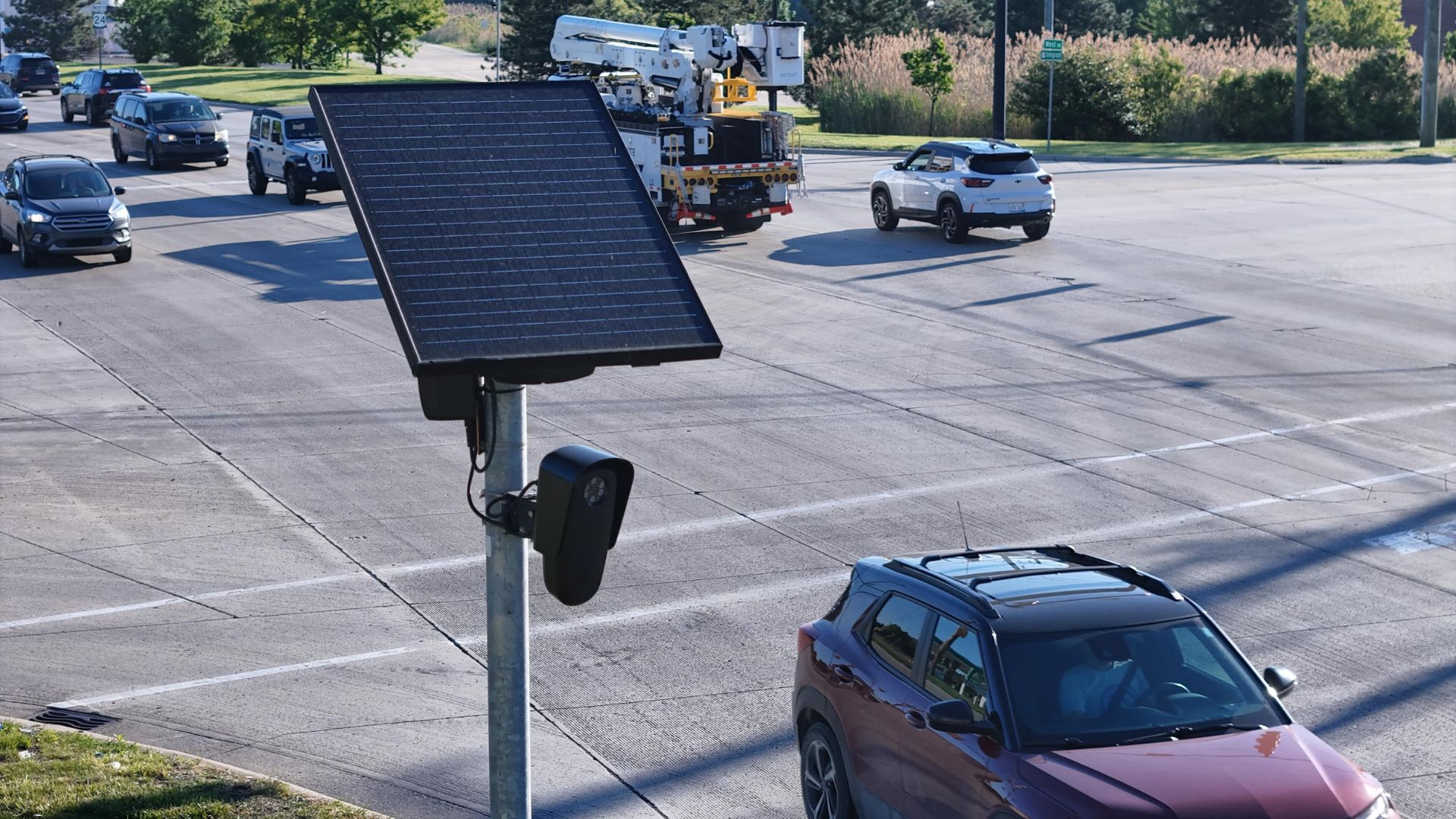
The Milwaukee case is not the most extreme on record. Former Sedgwick, Kansas Police Chief Lee Nygaard used Flock cameras to run his ex-girlfriend’s plate 164 times and her new boyfriend’s plate 64 times, a total of 228 searches over four months. He initially logged the searches as drug investigations and a missing child case. When caught, he admitted jealousy drove his actions. Nygaard received 18 months of probation, lost his police certification, and faced no criminal charges.
The Institute for Justice Has Documented At Least 18 Cases of Officers Abusing Plate Readers Nationwide

The Institute for Justice tracked at least 18 documented cases across the United States of officers allegedly using automated plate reader systems to monitor current partners, ex-partners, or strangers they wanted to pursue romantically. The bulk of those cases occurred since 2024. Incidents span Wisconsin, Kansas, Pennsylvania, Georgia, Florida, and California. In nearly every case, the abuse came to light through complaints or outside reporting, not through internal department review.
Every Passing Car Gets Logged. Most Drivers Have No Idea Their Movements Are Stored

Plate readers do not target suspicious vehicles. They scan everything passing a camera, storing location and time data from commuters, families, and anyone on a covered road. That movement history sits in searchable databases, accessible to officers with login credentials and almost no friction in many jurisdictions. The danger is not collection alone. It is that a single authorized user can silently convert a public safety database into a personal tracking system, and the subject has no way to know until someone checks.
Searches Get Logged as Investigations. That Paper Trail Is the Only Barrier Between Abuse and Detection
In Milwaukee, in Sedgwick, and across multiple documented cases, officers entered personal surveillance into official systems as legitimate investigative activity. The logging requirement exists as an accountability measure. In practice, it has functioned as a cover. No supervisor flagged 179 entries marked “investigation” over two months at Milwaukee PD. The paperwork recorded the searches. It did not stop them, question them, or trigger any internal review during the period Ayala was actively conducting them.
The Technology Expanded Faster Than Any System to Control It. The Abuse Numbers Confirm It
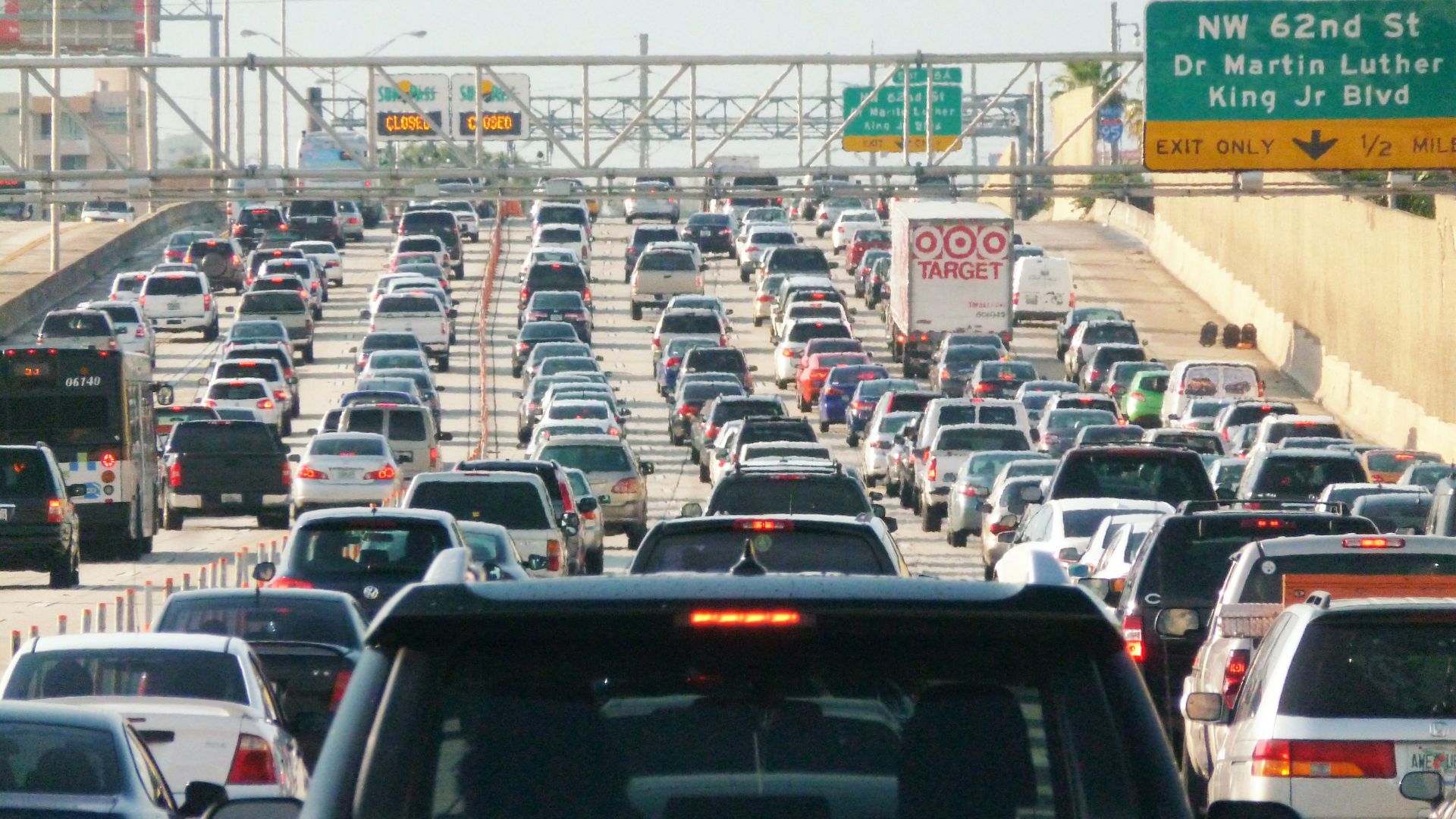
Josue Ayala resigned. Lee Nygaard got probation. At least 18 documented cases of officers using plate readers for personal surveillance have surfaced nationally, and experts note that this kind of abuse is exceptionally difficult to detect without civilian transparency tools. The searches in Milwaukee alone totaled 179. In Sedgwick, 228. The systems are already installed, already scanning, and already storing movement records on millions of drivers. The documented cases are not the ceiling. They are the floor.