Physicist Fears a Potential Global Catastrophe Is Coming in 2026


A prediction made more than 60 years ago is drawing attention again because it points to one specific year: 2026. Austrian American physicist Heinz von Foerster argued that humanity was heading toward a crisis driven by relentless population growth. His calculations suggested the world’s systems could reach a breaking point if population kept rising without limits, raising questions that still fuel debate among scientists today.
Heinz von Foerster Built His Warning With Mathematics
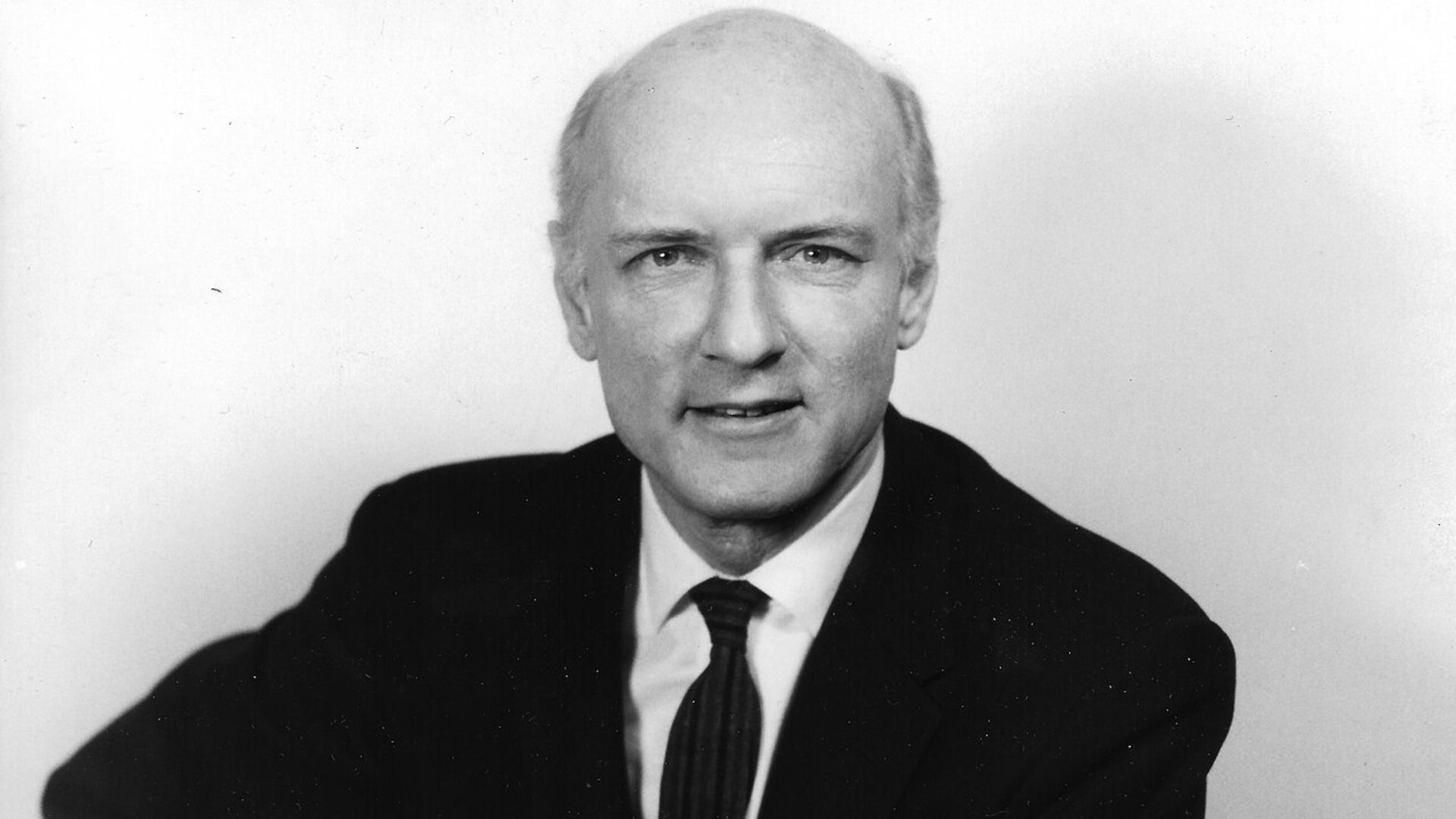
Von Foerster was a respected physicist and systems scientist who studied how complex systems change over time. In 1960, he and two colleagues published a paper modeling global population growth with a mathematical equation. Their curve closely matched historical population estimates and projected a dramatic surge toward a theoretical point where growth would become impossible to sustain.
An Older Theory Inspired the 2026 Prediction
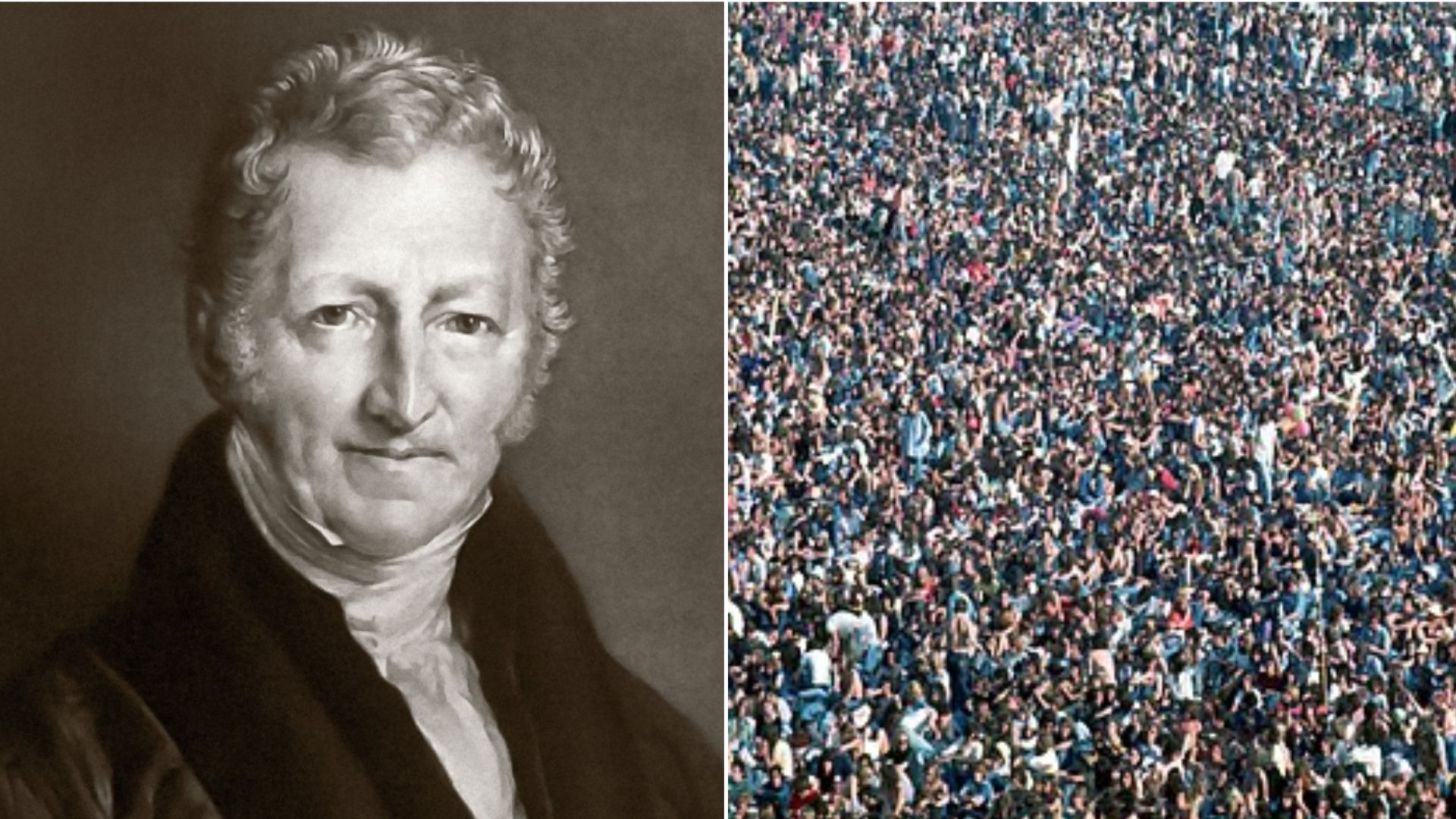
Von Foerster’s work echoed concerns first raised by English economist Thomas Robert Malthus in the late 1700s. Malthus argued that population grows faster than food production, eventually creating shortages and hardship. Advances in farming and technology delayed the disaster he expected, yet his central concern about finite resources continued shaping later research into population growth.
The Model Suggested Humanity Was Racing Toward ‘Doomsday’

The researchers called their projected endpoint “Doomsday” because their equation produced an impossible result. Population growth accelerated so rapidly that the curve approached infinity around Friday, November 13, 2026. They did not claim billions would suddenly die that day. Instead, the model indicated that the existing trend could not continue without fundamental changes to society.
Real Population Trends Changed the Story

Global population continued growing after the study, but birth rates gradually declined across many countries. Families became smaller, education expanded, urban lifestyles spread, and access to healthcare and contraception improved. Those changes slowed population growth well before the mathematical curve reached its projected endpoint, preventing reality from following the model exactly.
Scientists Still See Pressure on Food, Water, and Resources

Although the prediction itself did not unfold as projected, many of the underlying concerns remain. Growing populations increase demand for food, clean water, housing, and energy. At the same time, climate change, deforestation, biodiversity loss, and expanding cities place additional pressure on natural systems that support billions of people around the world.
The Biggest Challenge May Be Distribution, Not Population Alone

Many researchers argue that the world’s problems involve more than the number of people living on Earth. Food production has increased dramatically, yet hunger persists because of conflict, poverty, waste, and unequal distribution. Access to water, healthcare, and economic opportunity often determines quality of life as much as the total global population does.
Population Control Ideas Sparked Intense Ethical Debate

Von Foerster discussed concepts such as a hypothetical “Peoplo-stat,” an idea for regulating population before crises emerged. Suggestions involving birth control or government limits have long generated ethical and political controversy. Critics argue that protecting individual rights must remain central, while supporters emphasize balancing human needs with environmental sustainability and shared resources.
Critics Say Human Innovation Has Defied Dire Predictions Before
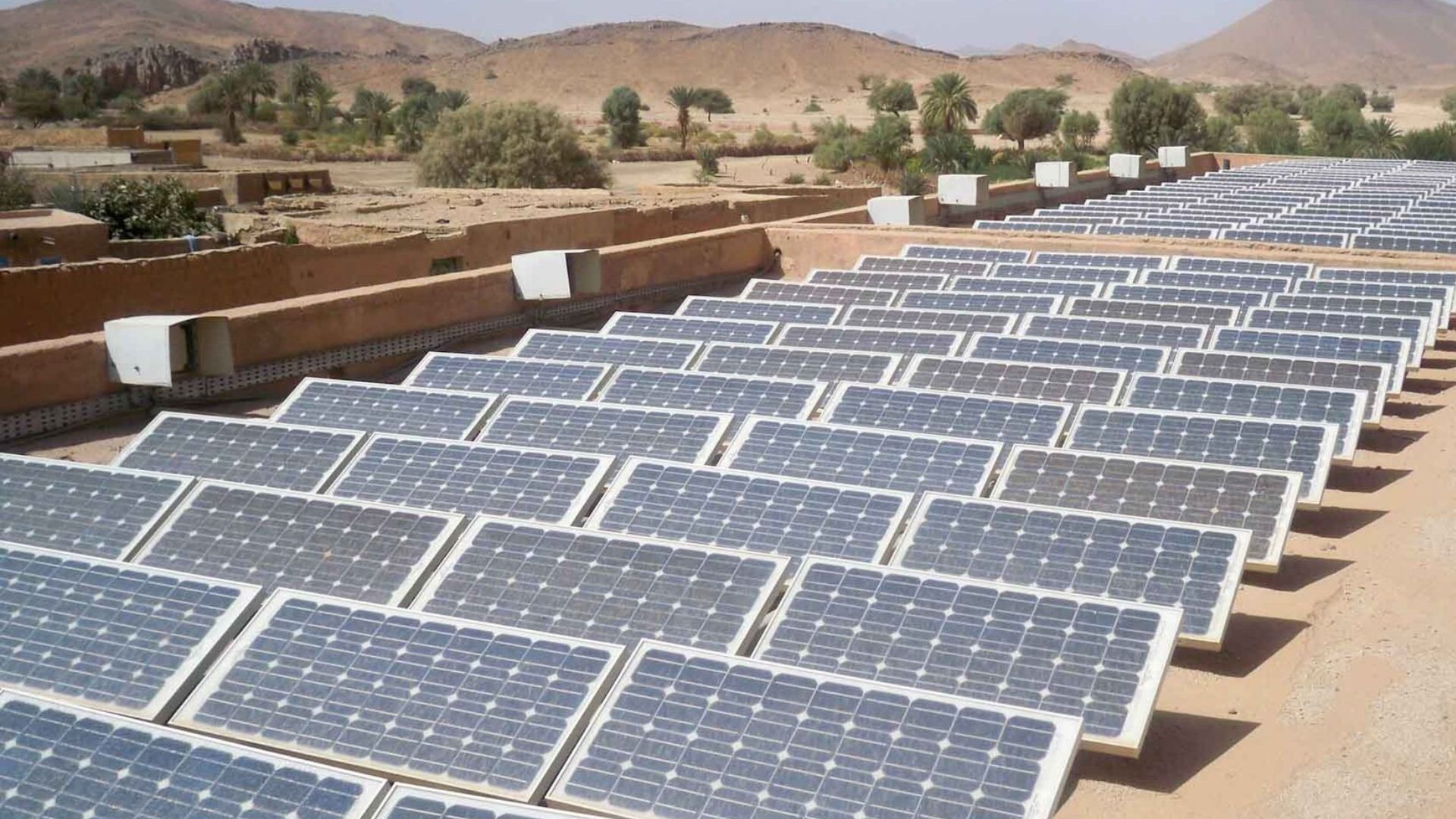
Many experts remain skeptical of doomsday forecasts because history shows technology often reshapes the future. Agricultural breakthroughs, renewable energy, medical advances, and improved resource management have repeatedly expanded humanity’s capacity to support larger populations. Critics believe future innovations could continue solving problems that once appeared mathematically unavoidable, even if significant challenges remain.
The 2026 Warning Lives On as a Lesson About Sustainability
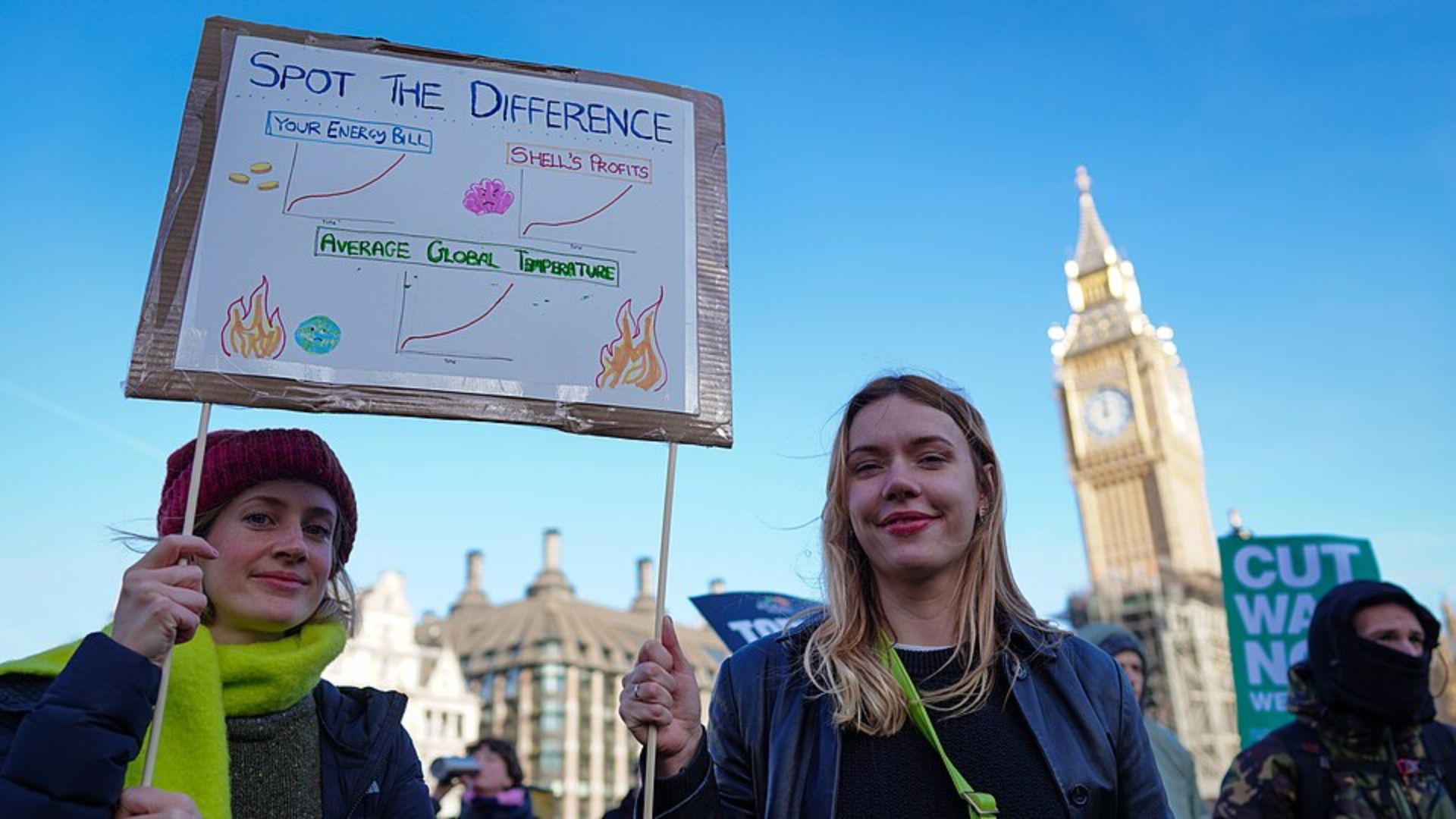
Von Foerster’s famous prediction ultimately became a warning about long-term sustainability rather than a literal forecast of catastrophe. Population growth slowed, but pressure on ecosystems, resources, and global inequality continues demanding attention. His work remains influential because it highlights how mathematics can reveal emerging risks while reminding policymakers that human choices shape the future.