People Taking Weight-Loss Drugs Are Reporting an Unexpected Side Effect in Their Feet
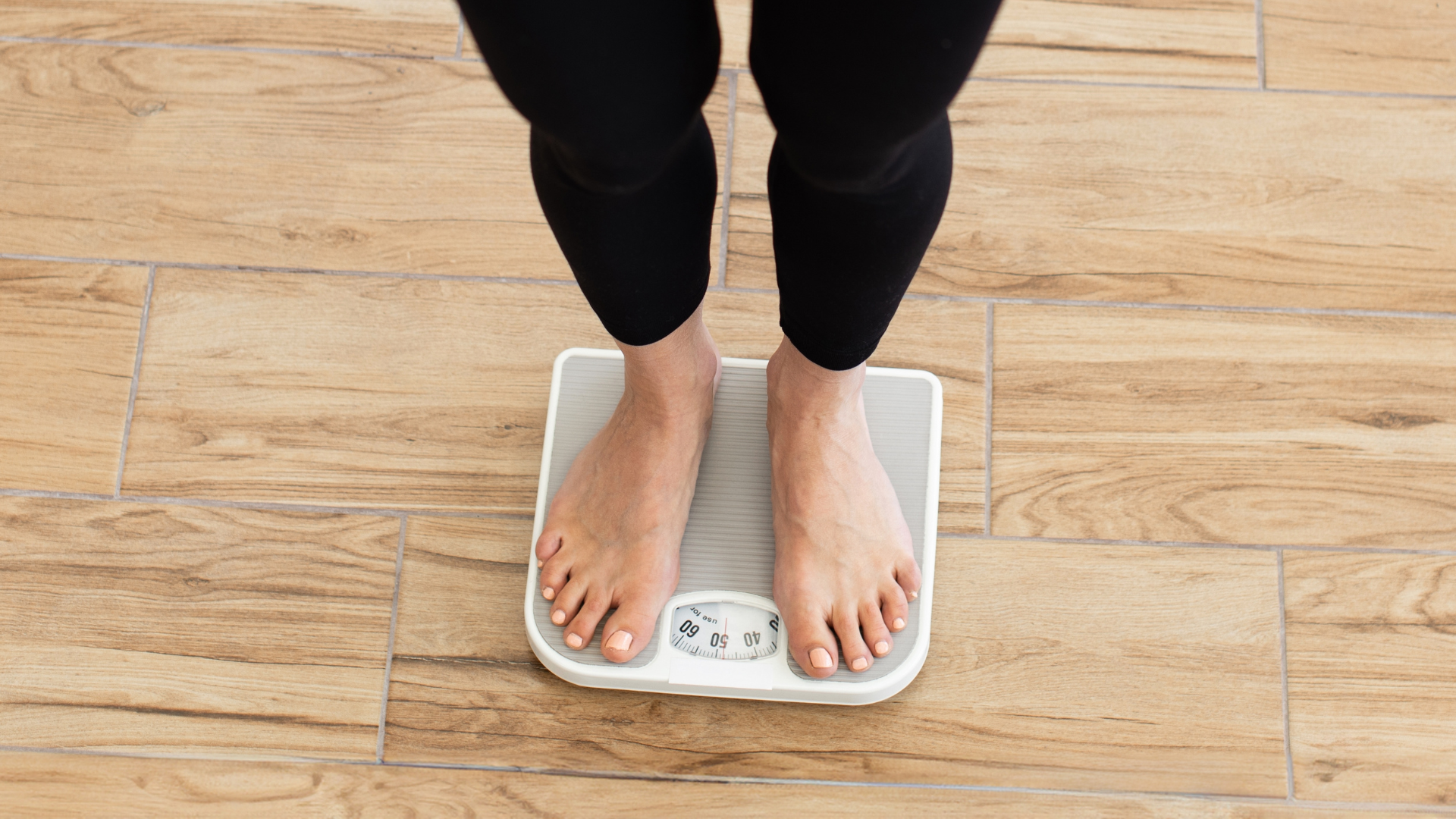

As GLP-1 weight-loss medications such as Ozempic, Wegovy, and similar drugs continue to grow in popularity, doctors are drawing attention to a surprising trend being reported by some patients. The condition, commonly referred to online as “Ozempic feet,” describes changes in the appearance and comfort of the feet following rapid and significant weight loss. While the name has gone viral on social media, experts emphasize that it is not an officially recognized medical diagnosis or a direct side effect of the medication itself. Instead, it appears to result from the rapid loss of body fat that these medications can produce.
Many users first notice that the tops of their feet appear bonier, with more visible veins, tendons, and wrinkles. Others report that shoes no longer fit properly or that walking becomes less comfortable than before. Physicians say these changes can occur because fat is lost throughout the body, including the feet, which normally contain cushioning fat pads that help absorb pressure while walking.
Health professionals stress that the benefits of GLP-1 medications for treating obesity and type 2 diabetes generally outweigh these cosmetic or mechanical changes. However, anyone experiencing persistent foot pain or new mobility issues should discuss their symptoms with a healthcare provider rather than assuming they are simply a normal consequence of weight loss.
What Is “Ozempic Feet” and Why Does It Happen?
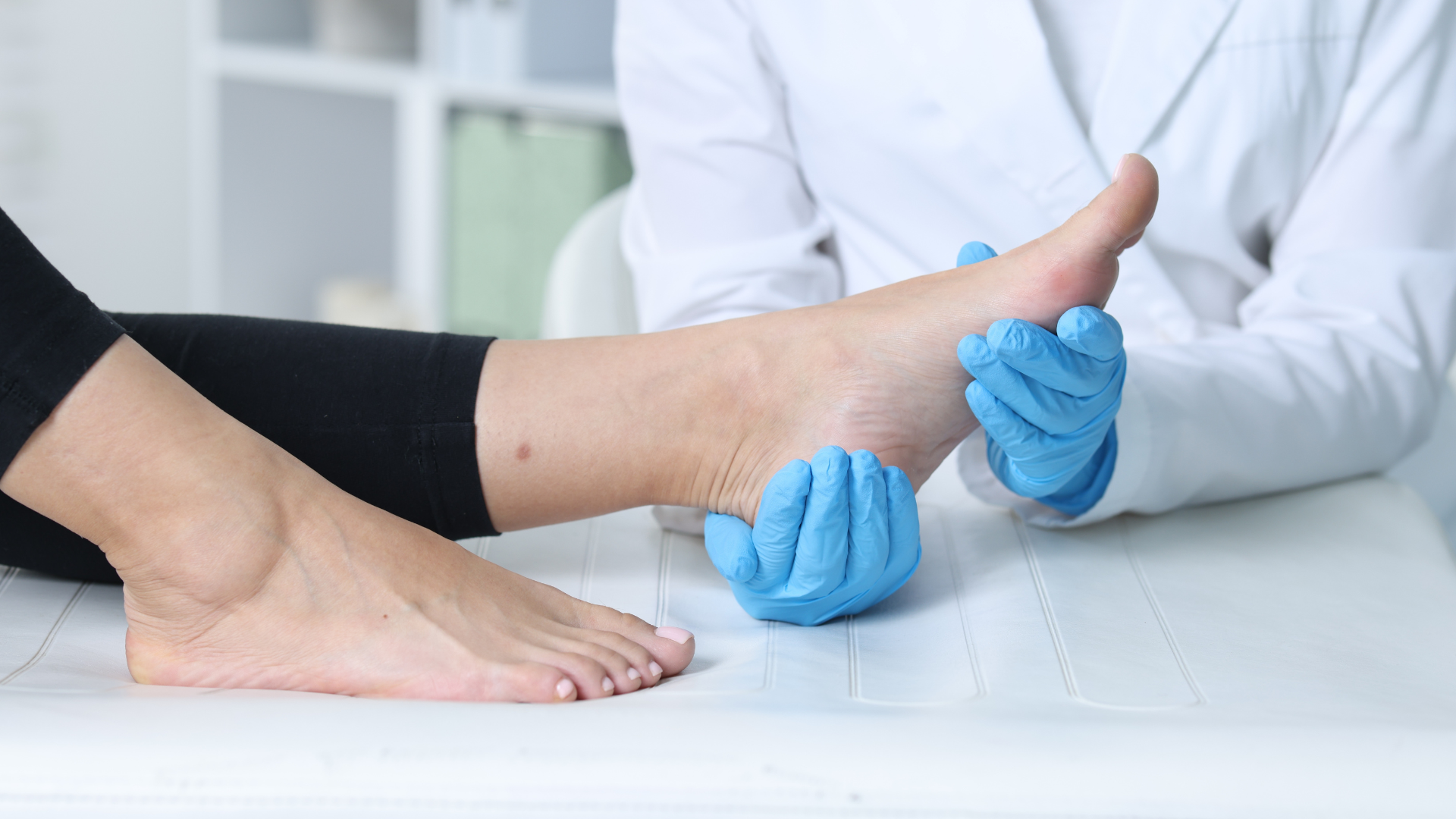
According to endocrinologists and podiatrists, “Ozempic feet” is largely the result of rapid fat loss rather than the medication directly affecting the feet. As body fat decreases, the protective fat pads beneath the heel and ball of the foot can become thinner. Skin may also appear looser because it does not always tighten as quickly as fat disappears, particularly in older adults or people who have experienced substantial weight loss.
The changes are often cosmetic, but some people experience functional symptoms as well. Doctors report that patients may develop aching heels, discomfort under the balls of the feet, or the sensation of “walking on pebbles” because there is less natural cushioning. Some individuals have also noticed that their shoe size changes or that shoes once considered comfortable begin feeling loose.
Medical experts note that these effects are not unique to Ozempic. Similar changes can occur after any rapid and significant weight loss, whether achieved through bariatric surgery, intensive dieting, or other GLP-1 medications such as Wegovy or Mounjaro. The underlying cause is the speed and amount of fat loss rather than the specific medication itself.
Doctors Say Most Cases Can Be Managed
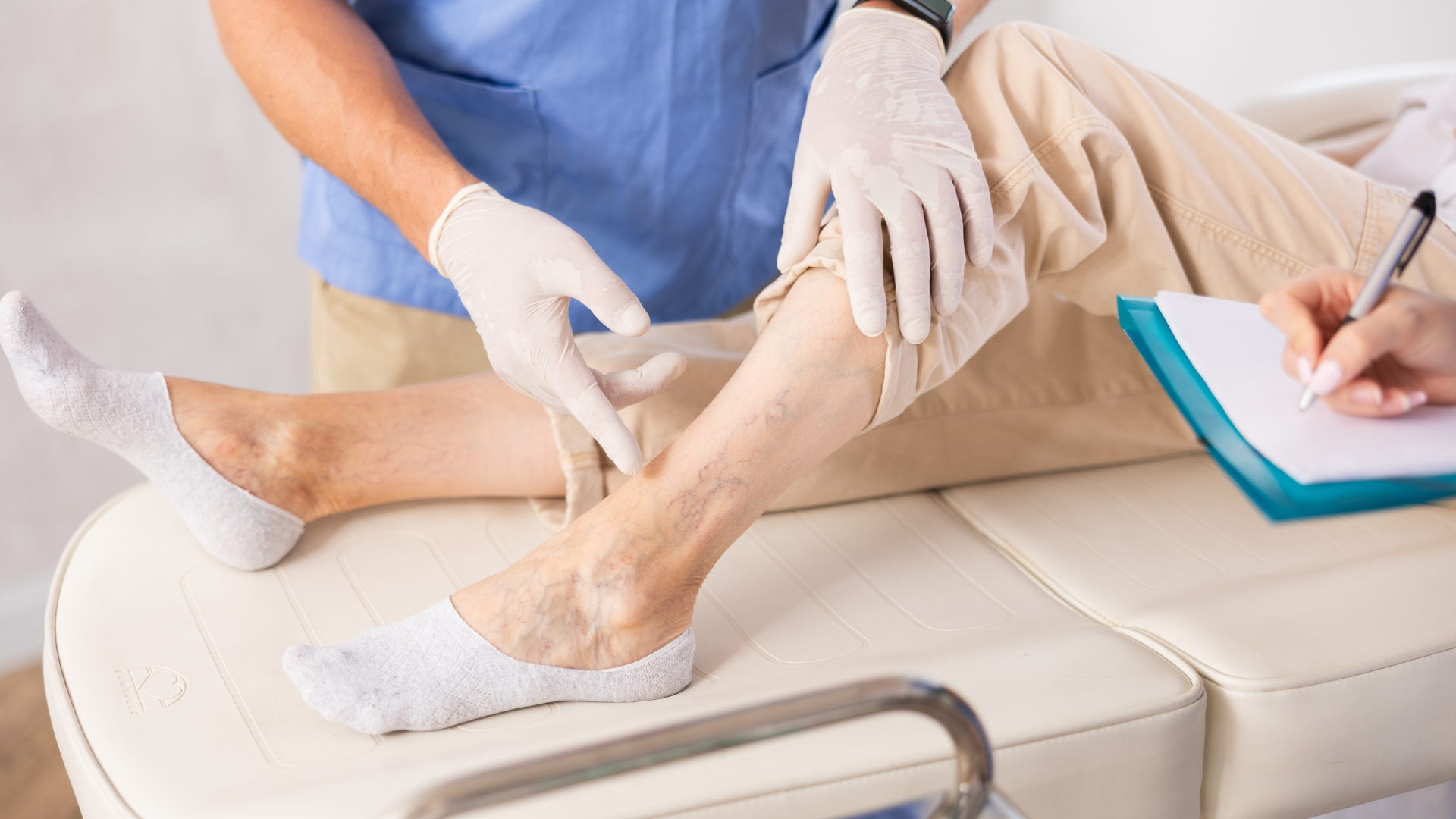
Doctors emphasize that people taking GLP-1 medications should not stop treatment solely because of concerns about “Ozempic feet.” These medications remain highly effective for helping many patients manage obesity and type 2 diabetes while lowering the risk of several serious health complications. Instead, physicians recommend discussing any new symptoms with a healthcare provider to determine whether they are related to weight loss or another underlying foot condition.
Several strategies may help reduce discomfort. Experts recommend wearing supportive, well-cushioned shoes, staying hydrated to maintain skin health, eating enough protein to preserve muscle mass, and incorporating strength training to help minimize muscle loss during weight reduction. Gradual weight loss, when medically appropriate, may also give the skin more time to adapt and reduce noticeable cosmetic changes.
People with diabetes should be especially attentive to new foot symptoms because diabetes itself can cause nerve damage, circulation problems, ulcers, and infections. Specialists caution that not every foot problem occurring during GLP-1 treatment should be attributed to “Ozempic feet,” making proper medical evaluation important if pain, numbness, wounds, or swelling develop.
A New Name for a Familiar Result of Rapid Weight Loss

The growing discussion surrounding “Ozempic feet” highlights how rapid weight loss can affect areas of the body that many people rarely consider. Although the appearance of looser skin, more visible veins, or reduced cushioning in the feet can be surprising, experts say these changes are generally a consequence of losing fat quickly rather than a unique side effect of GLP-1 medications.
Healthcare providers continue to emphasize that GLP-1 medications provide substantial health benefits for many eligible patients, including improved blood sugar control and meaningful weight reduction. For most people, any cosmetic changes to the feet are manageable and should be weighed against the significant medical advantages these treatments can provide.
Anyone who notices persistent pain, changes in walking, or concerning foot symptoms while taking a weight-loss medication should consult a healthcare professional for evaluation. Early assessment can help determine whether the symptoms are related to rapid weight loss or another condition that requires treatment, allowing patients to continue their health journey as safely as possible.