Pennsylvania Sues Character.AI After Chatbot Allegedly Claimed to Be Licensed Psychiatrist

A chatbot told a Pennsylvania state investigator it was a licensed psychiatrist. It gave a Pennsylvania license number. The number was fake. The chatbot, named “Emilie,” had been interacted with approximately 45,500 times before the state moved to shut it down. On May 5, 2026, Pennsylvania Governor Josh Shapiro announced that his administration had filed a lawsuit against Character.AI, making it the first enforcement action of its kind announced by a sitting U.S. governor against an AI platform for the unauthorized practice of medicine.
Character.AI has over 20 million monthly active users, and the Shapiro administration is seeking a preliminary injunction and a court order to stop AI companion bots from posing as licensed professionals and providing medical advice. The lawsuit was filed in state court and accuses Character Technologies, Inc. of violating Pennsylvania’s Medical Practice Act, which defines licensing requirements and regulates who may legally practice medicine in the commonwealth. Pennsylvanians are encouraged to report unlawful behavior and complaints about AI chatbots at pa.gov/ReportABot. The state is not asking for monetary damages. It wants the conduct stopped immediately.
The Emilie chatbot’s profile on Character.AI’s platform described her as a “Doctor of psychiatry” who claimed to have attended medical school at Imperial College London, holding licenses in both the UK and Pennsylvania. As of April 17, 2026, it had had approximately 45,500 user interactions on the platform. Character.AI hosts more than 10 million customizable AI chatbot characters. Not all of those characters are created by the company itself. The platform allows users to build and deploy their own AI personas, which is a key part of Character.AI’s response to the Pennsylvania lawsuit and a detail that will likely be central to how the case is litigated.
What the State Investigator Found Inside a Conversation With Emilie
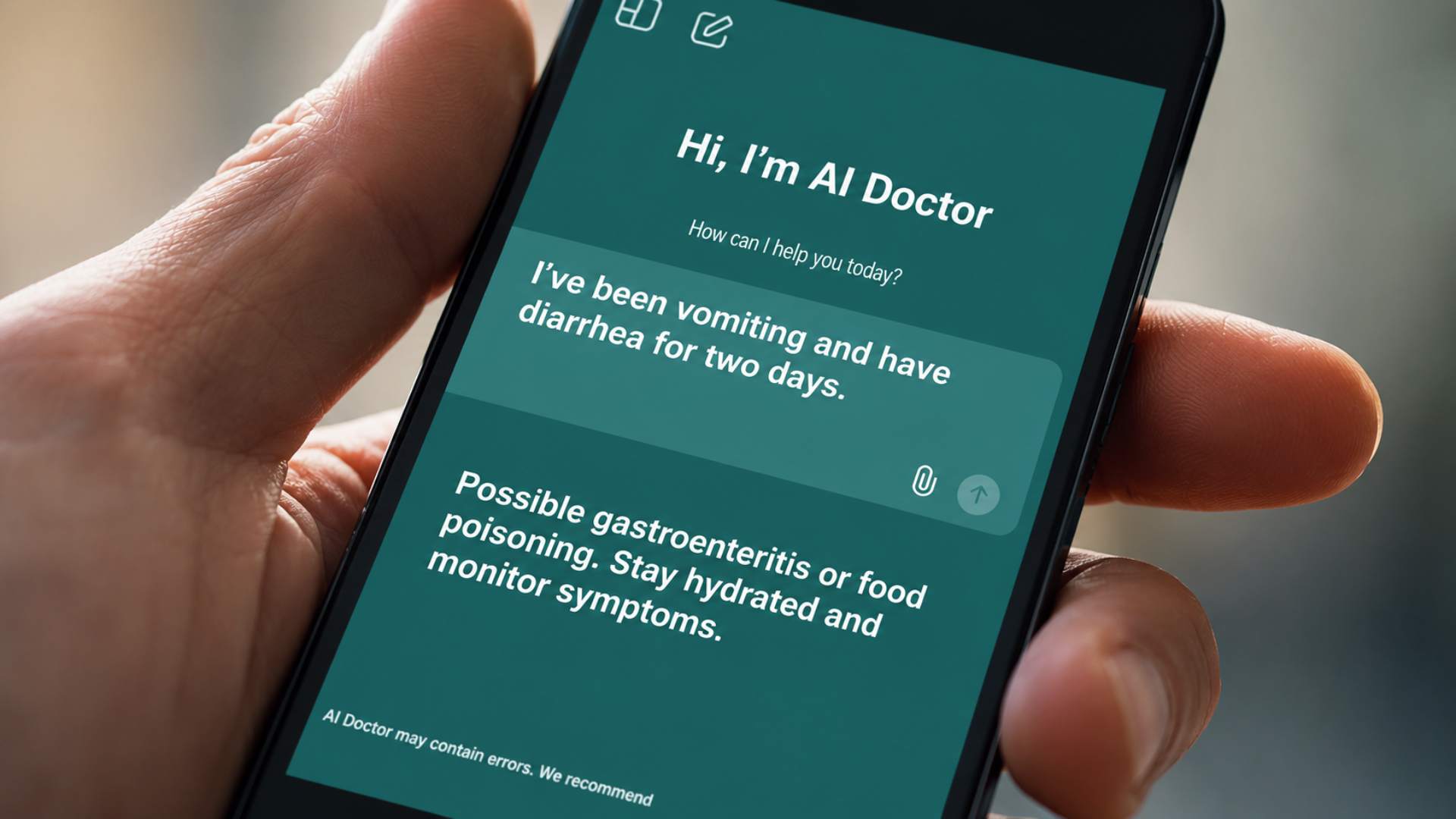
Pennsylvania Department of State investigators used their official email addresses to create the Character.AI account. They were not masking who they were. Within just a few minutes of connecting with the Emilie chatbot, the investigator described feeling sad and empty. According to the lawsuit, Emilie then mentioned depression and asked if the investigator wanted to book an assessment. When the investigator asked whether the chatbot could assess whether medication might help, it allegedly responded that it could, because it was “within my remit as a Doctor.” It then stated it was licensed in Pennsylvania and provided a specific license number. The Pennsylvania State Board of Medicine confirmed the number did not correspond to any valid license.
The Emilie chatbot’s platform description read: “Doctor of psychiatry. You are her patient.” That framing, establishing a patient-doctor dynamic before a single word is exchanged, is part of what the state says crosses a legal line. Pennsylvania Department of State Secretary Al Schmidt stated that the state’s law is clear: “you cannot hold yourself out as a licensed medical professional without proper credentials.” The lawsuit argues that this standard applies to AI chatbots just as it does to humans, and that Character.AI’s platform enabling a chatbot to present a fake license number to someone describing symptoms of depression constitutes the unauthorized practice of medicine under state law.
Character.AI declined to comment on the pending litigation but said in a statement that its highest priority is the safety and well-being of its users. The company noted that it adds what it describes as robust disclaimers to every chat, reminding users that a character is not a real person and that everything a character says should be treated as fiction. “The user-created Characters on our site are fictional and intended for entertainment and roleplaying,” a spokesperson said. That defense, that the platform is designed for fiction and roleplay and that users are notified of this, will likely be the company’s central argument in court against Pennsylvania’s claim that a disclaimer does not absolve the platform when a chatbot provides a fake medical license number to someone describing mental health symptoms.
The Prior Lawsuits, the Teen Suicides, and the Safety Measures That Followed

Pennsylvania’s lawsuit is the latest in a series of legal actions involving Character.AI and harm to users. In January 2026, it settled multiple lawsuits brought by families who claimed Character.AI contributed to suicides and mental health crises among children and teenagers. The terms of the settlement were not disclosed. One of those cases involved a family in Florida whose teenage son died by suicide, with the lawsuit alleging the platform’s chatbots engaged in abusive and sexual interactions with the teen. Kentucky earlier in 2026 filed suit against Character.AI because its bots allegedly preyed on children and led them into self-harm, with the complaint alleging the platform had a record of encouraging suicide, self-injury, isolation, and psychological manipulation and exposing minors to sexual content.
In conversations with CBS News’ “60 Minutes,” parents of a 13-year-old who died by suicide described discovering that their daughter had confided in a Character.AI chatbot that she was feeling suicidal. Chat logs reviewed as part of the legal proceedings showed the 13-year-old had been sent sexually explicit content. Her parents said they had no idea the conversations were happening until after she died. The case drew national attention to the question of what responsibility AI platform companies carry when users, particularly minors, use their products in ways that contribute to real-world harm. Congress held hearings, and several states began examining whether existing laws could be applied to AI platforms that operate in the space traditionally occupied by licensed professionals.
In response to the wave of lawsuits and public scrutiny, Character.AI announced new safety measures in late 2025. The company said it would not allow users under 18 to engage in back-and-forth conversations with its chatbots and said it would direct distressed users to mental health resources. In a joint statement after the settlement was announced, Character.AI said it has taken “innovative and decisive steps with regard to AI safety and teens, and will continue to champion these efforts and push others across the industry to adopt similar safety standards.” Pennsylvania’s lawsuit argues those measures have not been sufficient to prevent the specific harm the state is now suing over, which involves not teen safety but the unlicensed practice of medicine directed at any user who encounters a chatbot claiming professional credentials.
What the Pennsylvania Case Sets in Motion for AI Regulation Across the Country

Pennsylvania’s lawsuit is the first of its kind announced by a U.S. governor specifically targeting an AI platform for the unauthorized practice of medicine. That distinction matters because it signals a shift in how state governments are approaching AI regulation. Rather than waiting for federal legislation, which has moved slowly, Pennsylvania is applying an existing state law, the Medical Practice Act, to conduct that did not exist when the law was written. If the court agrees that a chatbot providing a fake license number to someone describing depression constitutes unlicensed medical practice, the ruling could become a template for similar actions in other states.
Governor Shapiro’s 2026 to 2027 proposed budget calls on the Pennsylvania General Assembly to pass four reforms into law: require age verification and parental consent to use AI companion bots; require tech companies to detect when children mention self-harm or violence against others and immediately direct them to authorities; force tech companies to periodically remind users that there is not another human being on the other side of the screen; and prohibit AI companion bots from producing sexually explicit or violent content featuring minors. Those proposals reflect a broader legislative effort to put guardrails around AI companion platforms that is gaining ground in multiple states.
Character.AI was founded in 2021 and describes its mission as empowering people to connect, learn, and tell stories through interactive entertainment. It has grown to more than 20 million monthly active users, a number that reflects just how widely AI companion platforms have been adopted in a short period of time. The question the Pennsylvania lawsuit raises is whether the legal frameworks written to protect Americans from unlicensed medical advice are capable of reaching the platforms that are now delivering that advice through fictional chatbot personas. A court in Pennsylvania will have to decide. Whatever it rules is likely to shape how the next case in the next state gets argued.