Pandemic Car Buyers Are Now Stuck With Debt as Vehicle Values Sink


Imagine owing $40,000 more on a vehicle than it is worth, and still needing a new car. That is the reality facing a growing number of American drivers in 2026. The pandemic scrambled the car market so severely that millions of people bought vehicles at record-high prices. Now those buyers are trapped in a cycle of debt that financial experts say could take years to escape. The numbers are alarming, and they keep rising.
What Does ‘Underwater’ on a Car Loan Actually Mean?
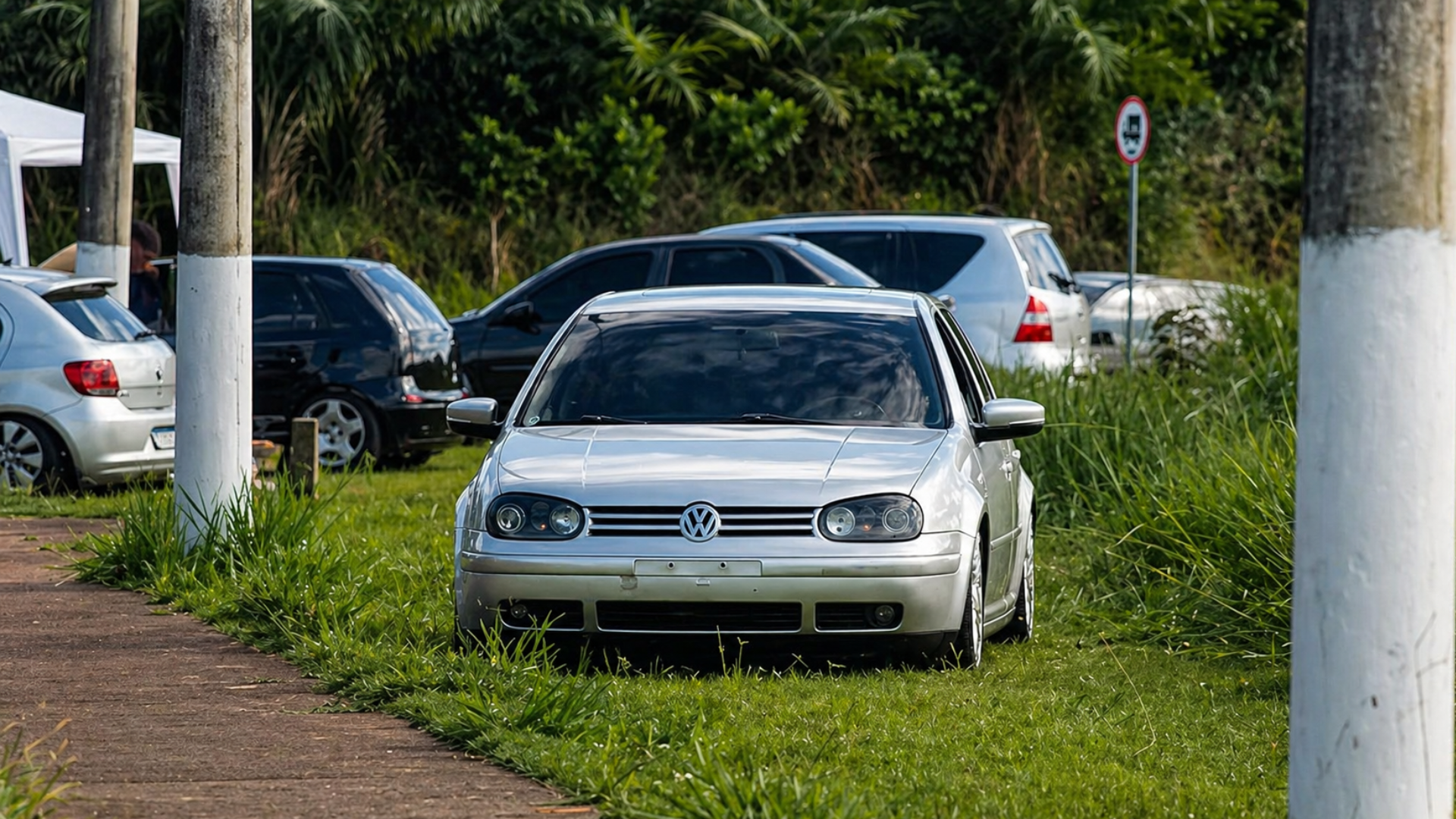
When you owe more on a car loan than the vehicle is currently worth, you are “underwater,” or carrying “negative equity.” It sounds abstract, but the consequences are concrete. If you want to trade in your car for a new one, the dealership does not forgive that gap. The difference gets rolled into your next loan, meaning you start your new financing already in the red before you have driven a single mile off the lot. It is debt compounding on debt.
The Scale of the Problem Is Bigger Than Most People Realize
About 30% of borrowers who traded in a car in early 2026 had negative equity, according to car-shopping website Edmunds. Those drivers owed an average of $7,200 more than their vehicle’s value before signing a new loan. That average has jumped 42% compared to the same period five years earlier. One Ohio Mercedes-Benz dealer recently saw a customer trying to trade in a Ford F-150 Lightning worth roughly $47,000 while still owing $87,000 on it.
Pandemic Prices Set the Trap That Buyers Are Now Falling Into
The roots of this crisis go back to 2020 and 2021. A global shortage of semiconductors crippled car manufacturing, draining dealer inventories. Demand stayed high while supply collapsed, and prices surged. Some dealerships charged thousands above the sticker price. By April 2021, the average new car cost about $41,000. Buyers, many flush with pandemic savings or simply desperate for transportation during lockdowns, paid those inflated prices without fully understanding the long-term consequences waiting for them.
High Interest Rates Made an Already Bad Situation Worse
Just as car prices peaked, the Federal Reserve began raising interest rates sharply to fight inflation. For car buyers, this meant borrowing money became significantly more expensive at the exact moment vehicles cost the most. People who financed overpriced cars in 2021 and 2022 locked in both a high purchase price and a high interest rate. According to Edmunds, the average loan on a new car in early 2026 stretched to 70 months, and monthly payments above $1,000 have become routine. Some loans run beyond eight years.
Rolling Over Debt Is a Cycle That Can Be Nearly Impossible to Escape

When a buyer with negative equity takes out a new loan, the shortfall from the old vehicle gets added to the fresh loan total. Edmunds reports that negative-equity buyers financed an average of nearly $56,000 in early 2026 — about $12,000 more than the typical buyer. Their average monthly payment hit $932, the highest ever recorded. A 2024 study by the Consumer Financial Protection Bureau found these buyers were more than twice as likely to have their car repossessed within two years compared to those who had equity in their trade-in.
Repossessions Are Rising to Levels Not Seen in Over a Decade
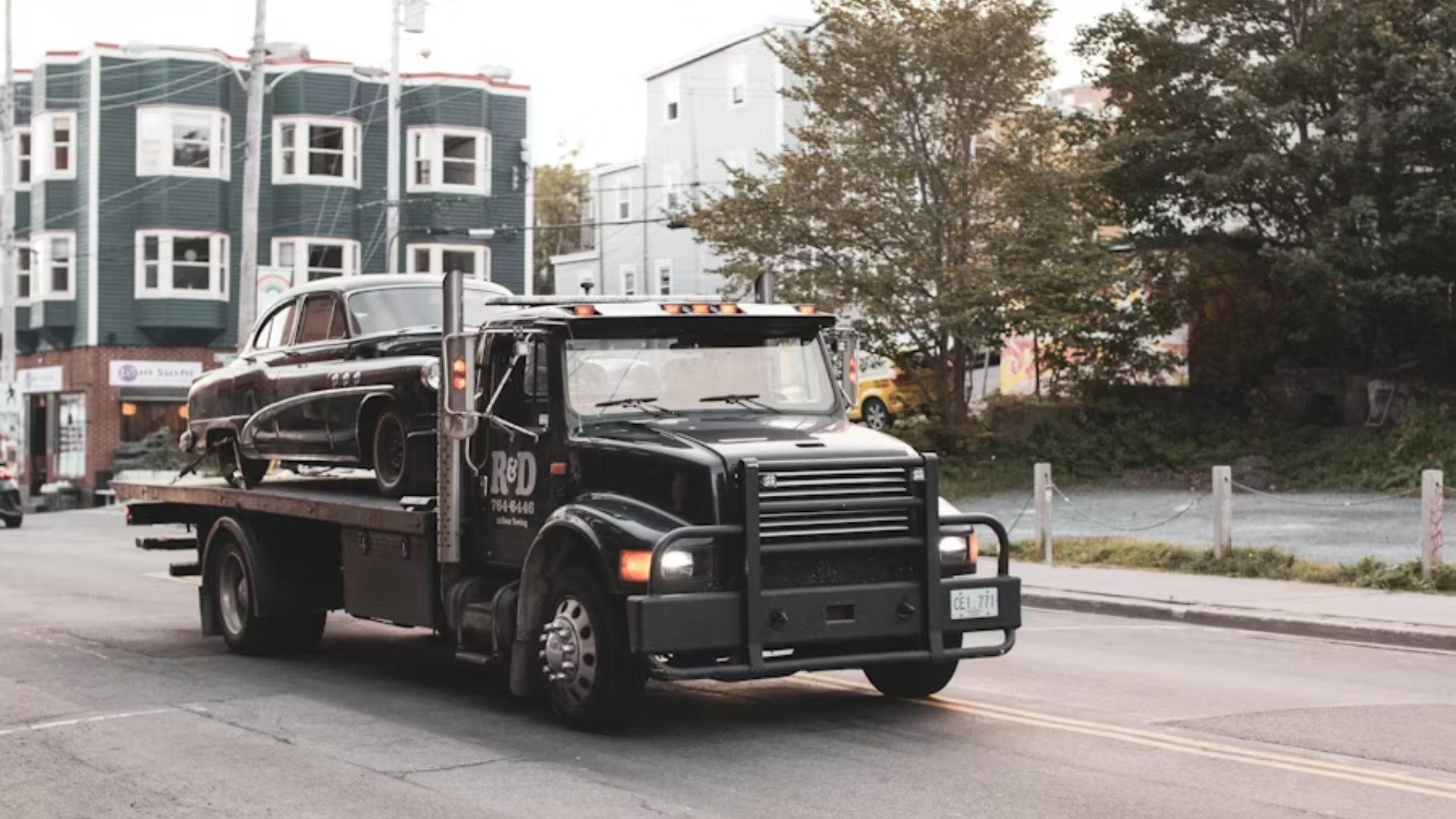
The financial strain is now showing up in loan default data. Cox Automotive, an industry research firm, reported that default rates on car loans in March 2026 reached the highest levels recorded since 2010. More defaults typically mean more repossessions, which leaves families without transportation and damages their credit for years. Eric Frehsée, president of the Tamaroff Group dealerships in the Detroit area, noted that pandemic-era vehicles are now returning to lots carrying significant negative equity built during the surge in dealer markups.
Not Every Driver Is Struggling — This Is a Two-Speed Crisis
The picture is not uniformly grim. The average trade-in in March 2026 still carried positive equity of more than $6,800, according to J.D. Power. Tyson Jominy, the firm’s senior vice president of data and analytics, said the average consumer is actually in a reasonable position when buying a vehicle. The crisis is concentrated among buyers at the lower end of the income spectrum, reflecting what economists call a K-shaped recovery, where wealthier households thrive while those with fewer financial resources fall further behind.
More Pressure May Be Coming From Rising Gas Prices and Tariff Uncertainty
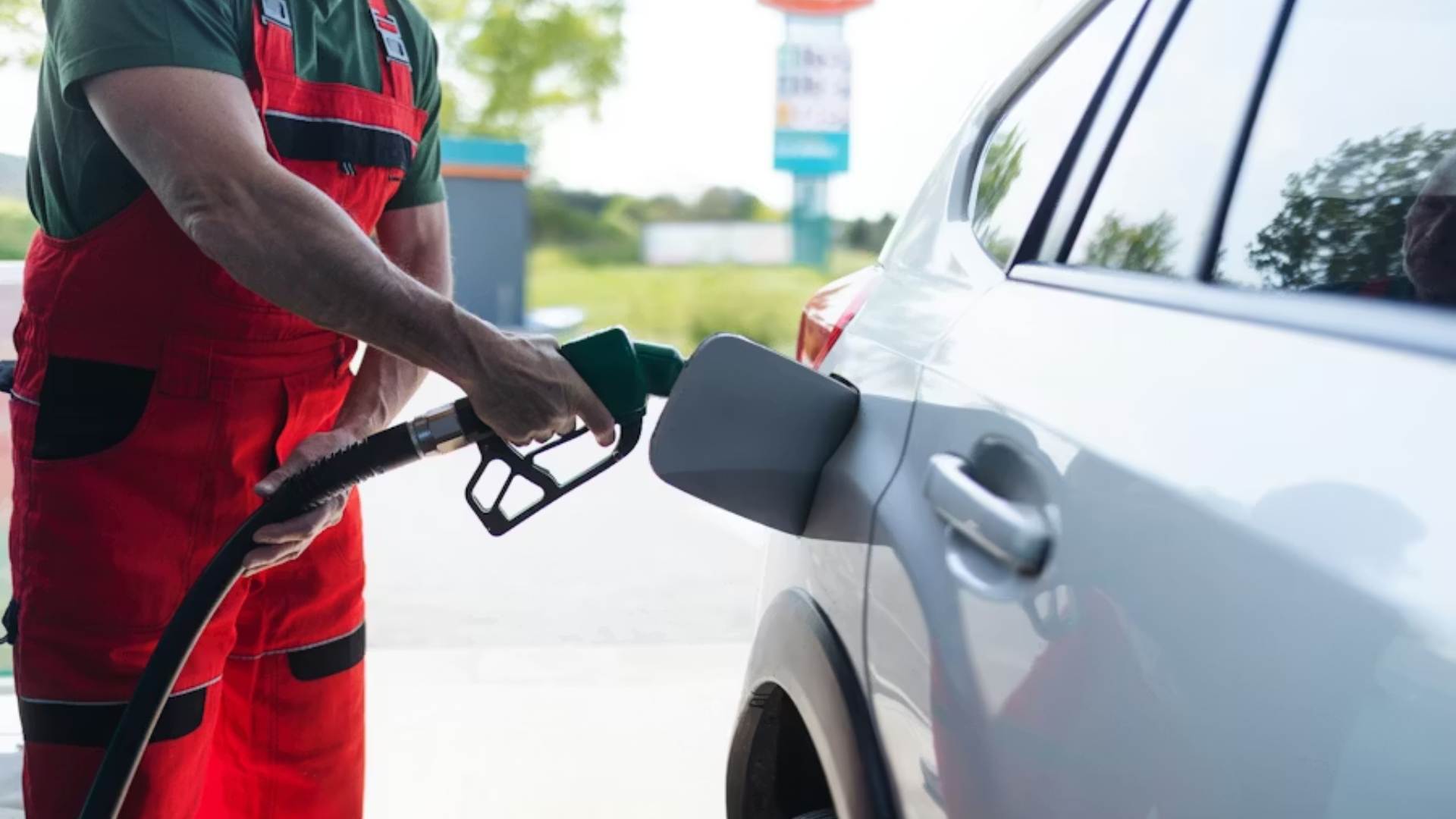
The auto market is already navigating additional headwinds. Rising gasoline prices linked to conflict in the Middle East have added uncertainty for consumers deciding whether to buy. Trade tariffs have pushed up the cost of vehicles and components. Dealers and executives say they do not expect a dramatic sales collapse unless these pressures persist for many months, but even short-term shocks can be enough to tip an already debt-strained buyer into missing a payment, triggering the repossession cycle that data suggests is increasingly likely.
The Debt Trap Shows No Sign of Releasing Its Hold Anytime Soon

Jessica Caldwell, head of insights at Edmunds, is direct: prices paid during the pandemic are not coming back down, and the elevated negative equity levels are unlikely to shrink in the near term. Millions of Americans are locked into car loans that may take years to work off. The pandemic car bubble was not just a market quirk. It was a financial trap that snapped shut quietly, and for many households, the full cost is only beginning to register. The question is not whether damage was done, but how deep it will go.