Paid-Off Homes Can Still Face This Risk, and the FBI Wants Homeowners to Know

Finally paying off a mortgage is one of the most satisfying financial milestones a homeowner can reach. According to a recent FBI warning, that exact milestone might also make your property more attractive to a specific kind of criminal. The bureau has flagged a steady increase in a scam known as quitclaim deed fraud, or home title theft, and mortgage-free properties sit right at the center of the risk. It’s a genuinely unsettling twist for anyone who assumed that owning their home free and clear meant one less thing to worry about. Here’s exactly how this scheme works, why paid off homes are especially vulnerable, and what you can actually do to protect yourself.
This article was created with the assistance of AI and reviewed by our editorial team for accuracy and clarity.
What Home Title Theft Actually Involves

At its core, this scam involves criminals forging legal documents, most commonly something called a quitclaim deed, to make it falsely appear that ownership of a property has legitimately transferred to someone else. Once that fraudulent document gets recorded with a local county clerk’s office, the scammer can attempt to sell the property, take out a loan against it, or even rent it out to unsuspecting tenants, all without the real owner’s knowledge or consent. Victims frequently don’t discover what’s happened until well after a fraudulent sale has already closed and money has changed hands, at which point recovering the property often requires a lengthy and stressful legal battle.
Why Paid Off Homes Are Specifically at Risk
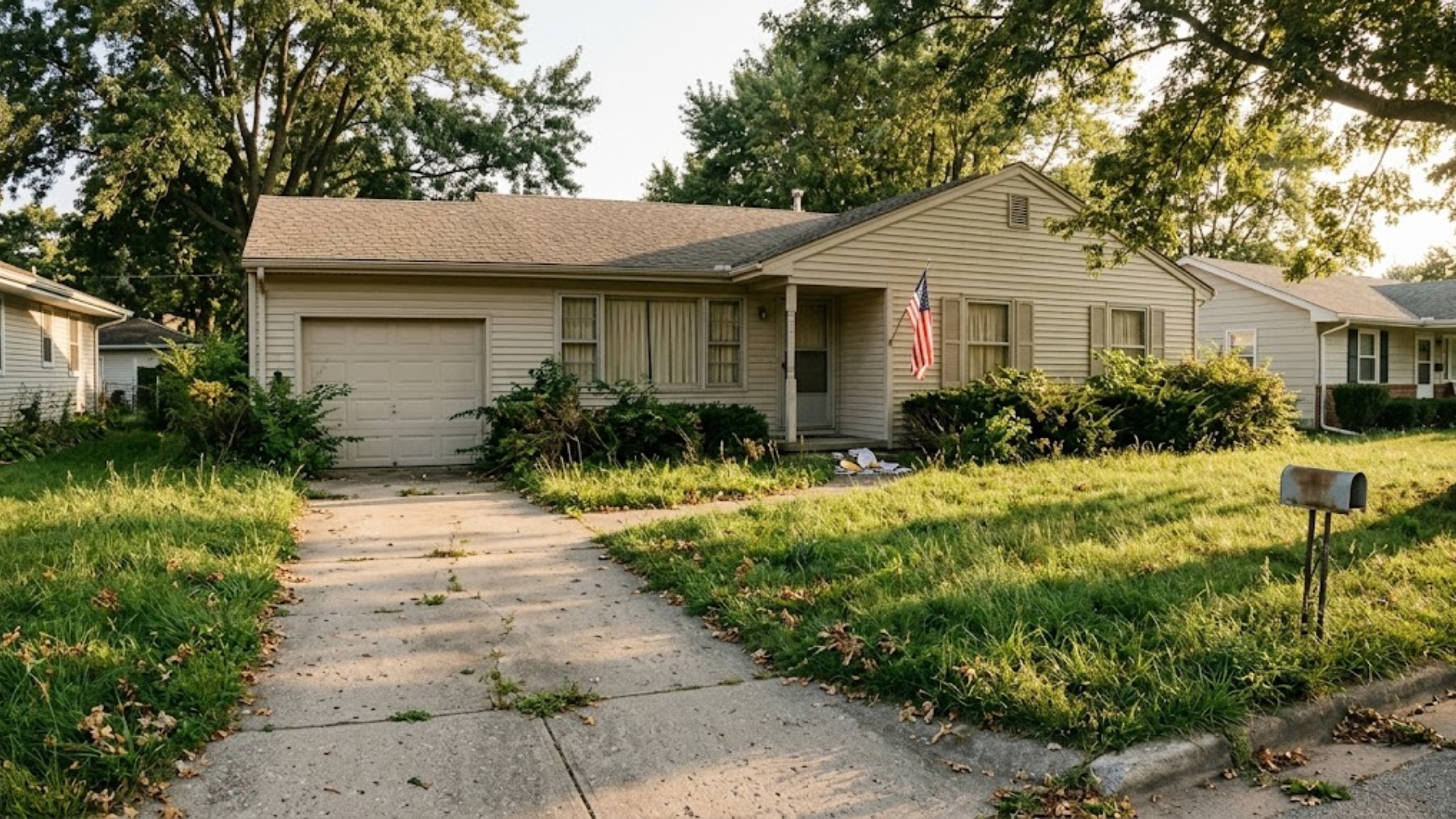
The FBI’s warning specifically highlights mortgage-free properties and vacant land as being at particular risk, and the reasoning comes down to a simple structural gap in how real estate transactions normally work. When a property has an active mortgage, a lender’s lien must be formally cleared at closing, creating a built in checkpoint where inconsistencies in ownership documentation are more likely to get caught. A fully paid off home has no such lender involved, removing that extra layer of scrutiny. There’s also a financial incentive at play, since with no outstanding mortgage balance to repay, a larger share of any fraudulent sale proceeds becomes available for the scammer to pocket entirely.
A Real Case Shows How Organized These Schemes Have Become

This isn’t a theoretical or rare occurrence. On July 23, the U.S. Attorney’s Office for the District of Massachusetts announced criminal charges against three people connected to an alleged scheme specifically targeting vacant, mortgage-free properties across Massachusetts, Georgia, Indiana, and Tennessee. According to prosecutors, the individuals used fake identification documents, along with email addresses and internet-based phone numbers designed to make them appear legitimate, to impersonate out-of-state property owners. They then reportedly tricked real estate professionals into helping list and sell properties that didn’t actually belong to them at all.
How Scammers Actually Identify Their Targets

Understanding how criminals find vulnerable properties in the first place reveals another important layer of this scheme. Fraudsters frequently comb through publicly available property records specifically searching for vacant land or homes without an active mortgage or lien attached, since these details are often easy to find through basic public searches. Criminals sometimes referred to as title pirates then impersonate the legitimate owner when contacting real estate agents, often relying on properties owned by people who live out of state or don’t visit the property regularly, since that distance reduces the odds anyone will notice something suspicious happening before a sale is already finalized.
Elderly Homeowners Face an Additional Layer of Risk

Beyond impersonation schemes targeting distant or vacant properties, another troubling version of this fraud specifically targets elderly homeowners directly. In these cases, family members or close associates sometimes convince an older relative to unknowingly sign over property rights, often through manipulation or by taking advantage of confusion about complex legal paperwork. Because these cases often involve someone the victim actually knows and trusts, they can be considerably harder to detect early and prevent compared to scams involving complete strangers using stolen identity information found online.
Just How Big This Problem Has Actually Become

The financial scale of real estate fraud broadly, which includes but isn’t limited to deed fraud specifically, is genuinely significant. Between 2019 and 2023, the FBI’s Internet Crime Complaint Center received reports from 58,141 victims, totaling approximately 1.3 billion dollars in reported losses. The FBI itself has noted that actual losses are likely considerably higher than reported figures suggest, since many victims either don’t know where to report this kind of crime, feel embarrassed about having been scammed, or simply haven’t yet realized their property was ever targeted in the first place.
Why Your Homeowners Insurance Probably Won’t Help

One important detail many homeowners get wrong involves what kind of insurance actually protects against this specific threat. A standard homeowners insurance policy is generally designed to cover things like property damage, theft of personal belongings inside the home, and general liability, not someone fraudulently tampering with your legal title. Title insurance, a completely different type of coverage typically purchased at the time you originally bought your home, is the policy that may actually provide protection against forgery or help cover the costs associated with legally restoring your rightful ownership after this kind of fraud occurs.
Practical Steps to Protect Your Property Right Now

The FBI recommends several concrete steps homeowners can take to catch this kind of fraud early, before it results in an actual sale. Regularly checking your property records online through your county recorder, register of deeds, or local appraisal district is one of the simplest ways to catch unauthorized changes. Many local government offices also offer free property or title alert services that automatically notify you if any document gets recorded against your property. Investigating any unexpected changes to your property tax bills or utility accounts, and periodically checking in on vacant properties you own, rounds out the bureau’s basic recommended precautions.
What to Do If You Suspect You’ve Been Targeted

If you notice any warning signs, unfamiliar documents recorded against your property, unexpected mail related to a sale or refinance you didn’t initiate, or sudden changes to your tax or utility accounts, acting quickly matters considerably. Suspected fraud can and should be reported directly to the FBI’s Internet Crime Complaint Center. It’s also worth reviewing your existing title insurance policy now, before any problem arises, specifically checking whether it includes coverage for forgery related issues. Given how quietly and quickly these schemes can unfold, staying proactive about monitoring your property records remains the single most reliable defense every homeowner actually has.