This article was created with the assistance of AI and reviewed by our editorial team for accuracy and clarity.
Overconsumption Comes at a Huge Cost. Here Are 10 Eye-Opening Facts That Show Why

Published August 29, 2026
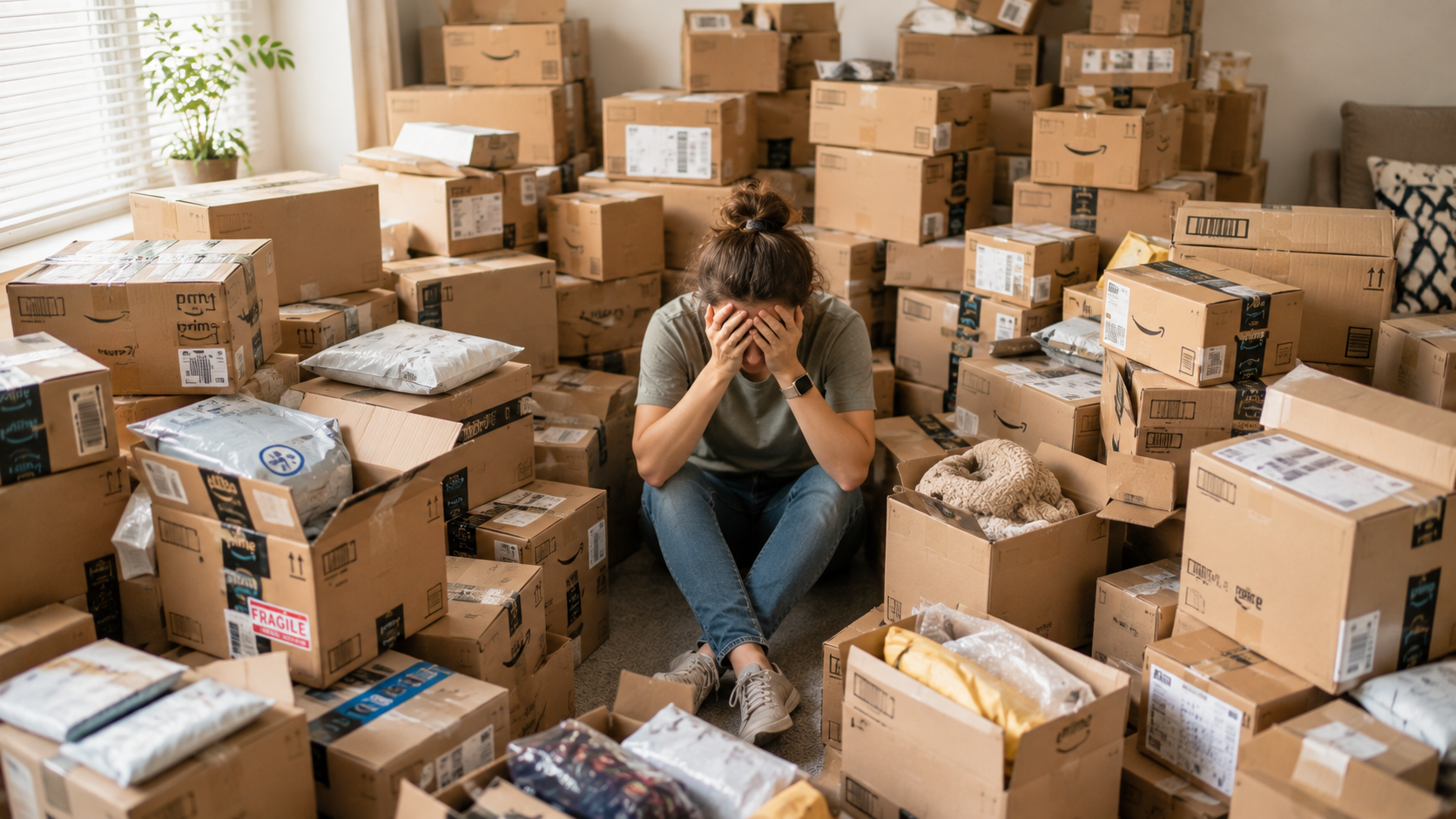
In a world where next-day delivery, flash sales, and constant product launches have become the norm, it’s easy to lose sight of what happens after we make a purchase. While buying something new can feel harmless in the moment, our collective consumption habits have lasting effects on landfills, natural resources, energy use, and even food security. These 10 facts offer a closer look at the hidden costs behind everyday consumer choices.
Americans Throw Away an Average of 81.5 Pounds of Clothing Every Year
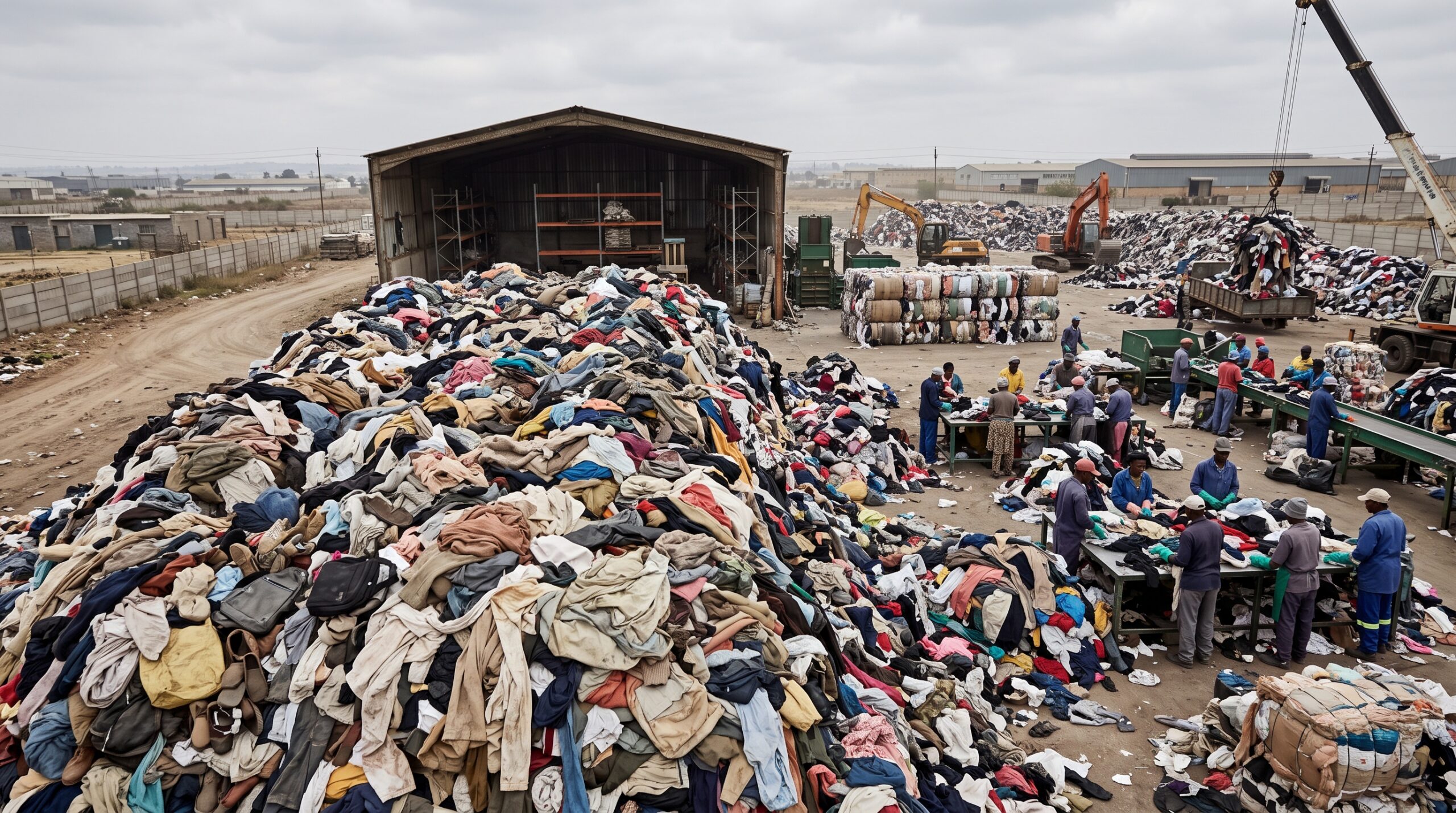
Fast fashion has made clothing more affordable and accessible than ever, but it has also encouraged people to replace garments more frequently. According to Bank & Vogue, the average American discards 81.5 pounds of clothing annually, sending huge amounts of textile waste to landfills while wasting the resources used to grow, manufacture, transport, and sell those clothes.
One Million Plastic Bags Are Used Every Minute Worldwide
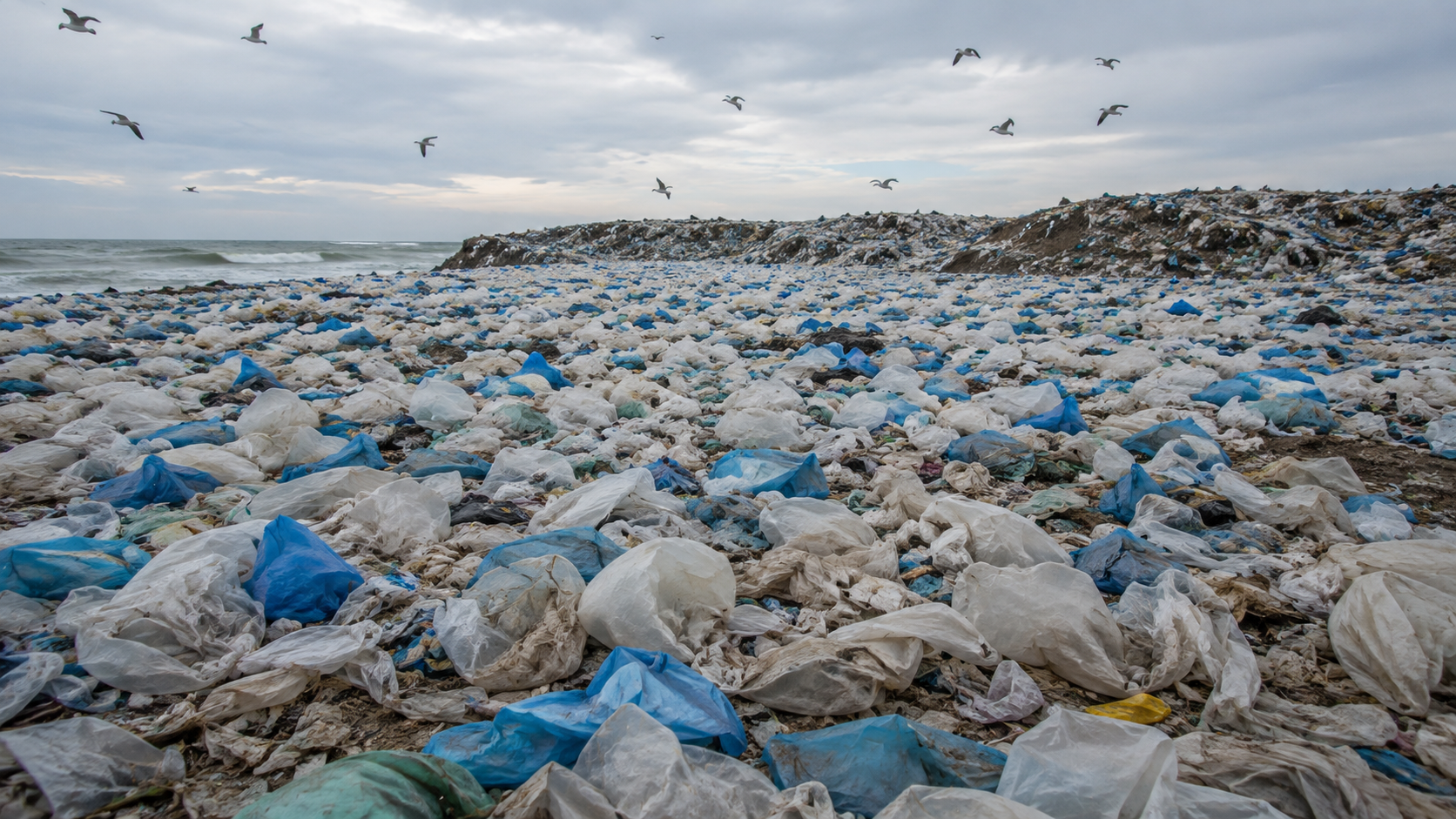
Plastic bags are often used for only a few minutes before being thrown away. Yet many can take up to 1,000 years to decompose, making them one of the clearest examples of how short-term convenience can create long-term environmental problems. The sheer volume of plastic bags used every minute also illustrates how quickly small daily habits can add up on a global scale.
Nearly 40% of Food in the United States Never Gets Eaten
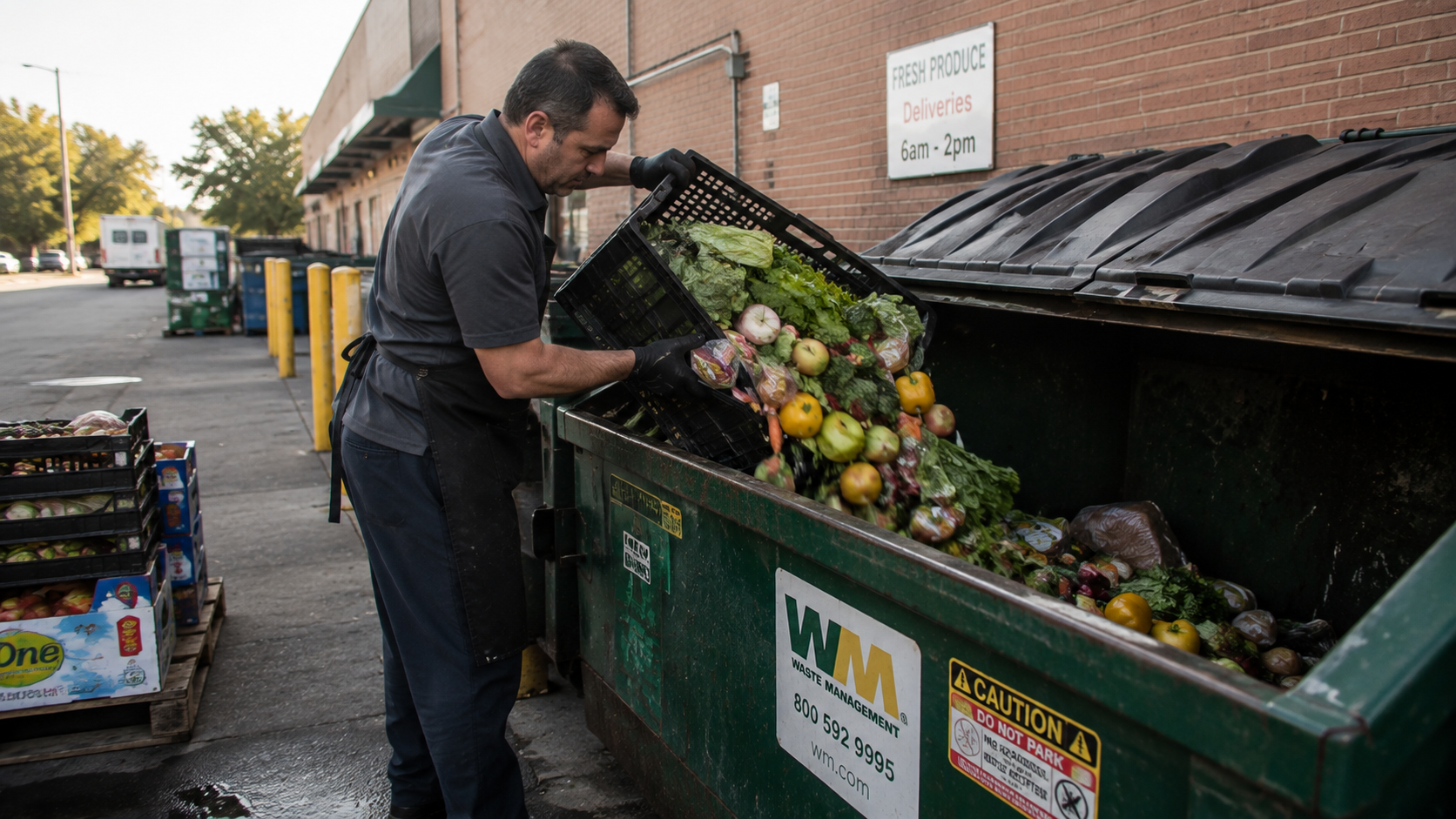
Food waste doesn’t just mean discarded meals. It also represents the water, land, energy, transportation, and labor invested in growing, processing, and delivering food that ultimately ends up in the trash. According to the source, about 40% of food in the United States goes uneaten, making food waste one of the biggest hidden forms of overconsumption.
The Average U.S. Household Contains Around 300,000 Items
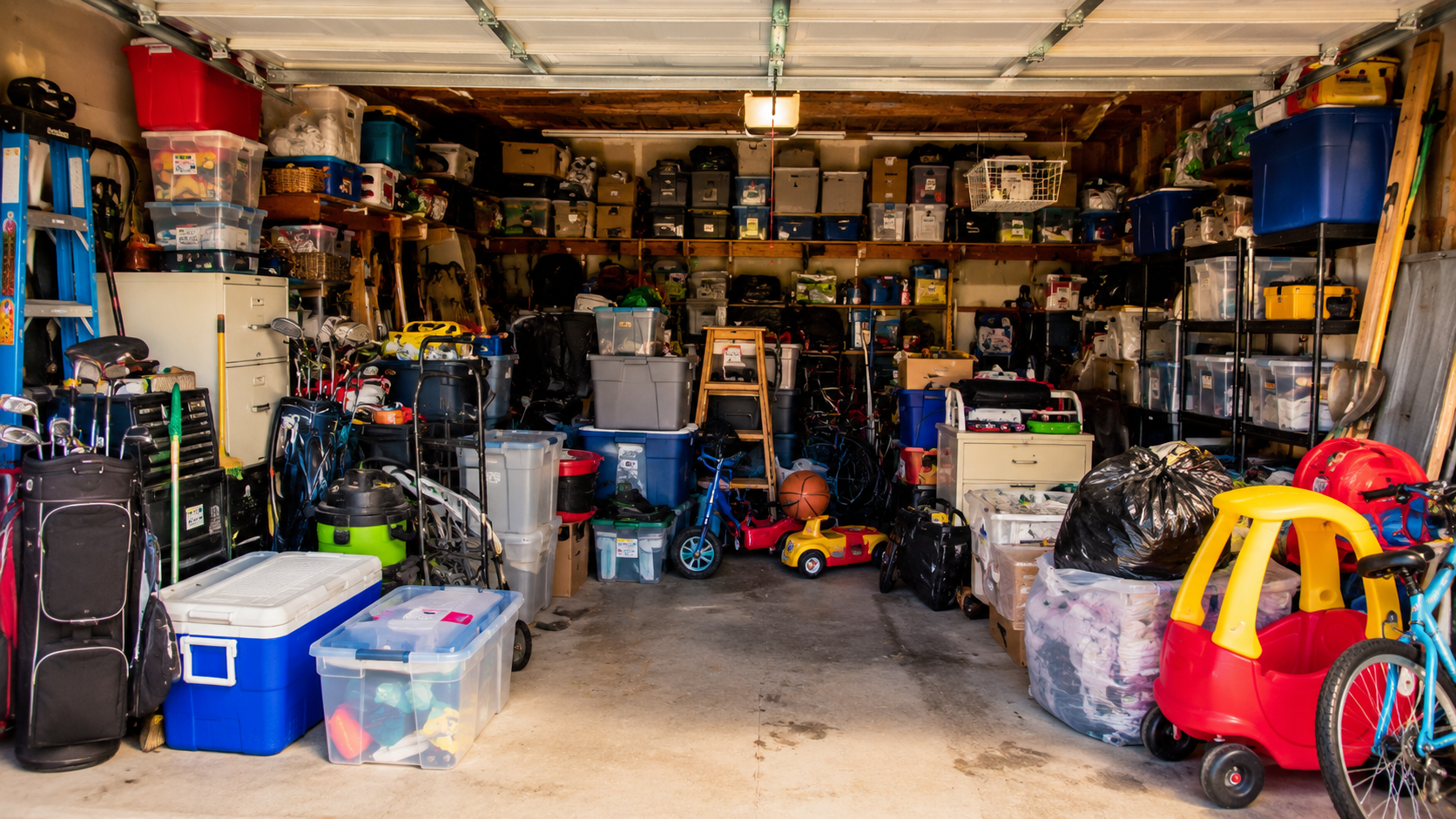
From kitchen gadgets to clothing, toys, and electronics, many homes contain far more possessions than people regularly use. Bank & Vogue cites an estimate that the average U.S. household has around 300,000 items, reflecting how modern consumer culture often encourages accumulation well beyond necessity.
Electronic Waste Is Growing Faster Than Any Other Waste Stream
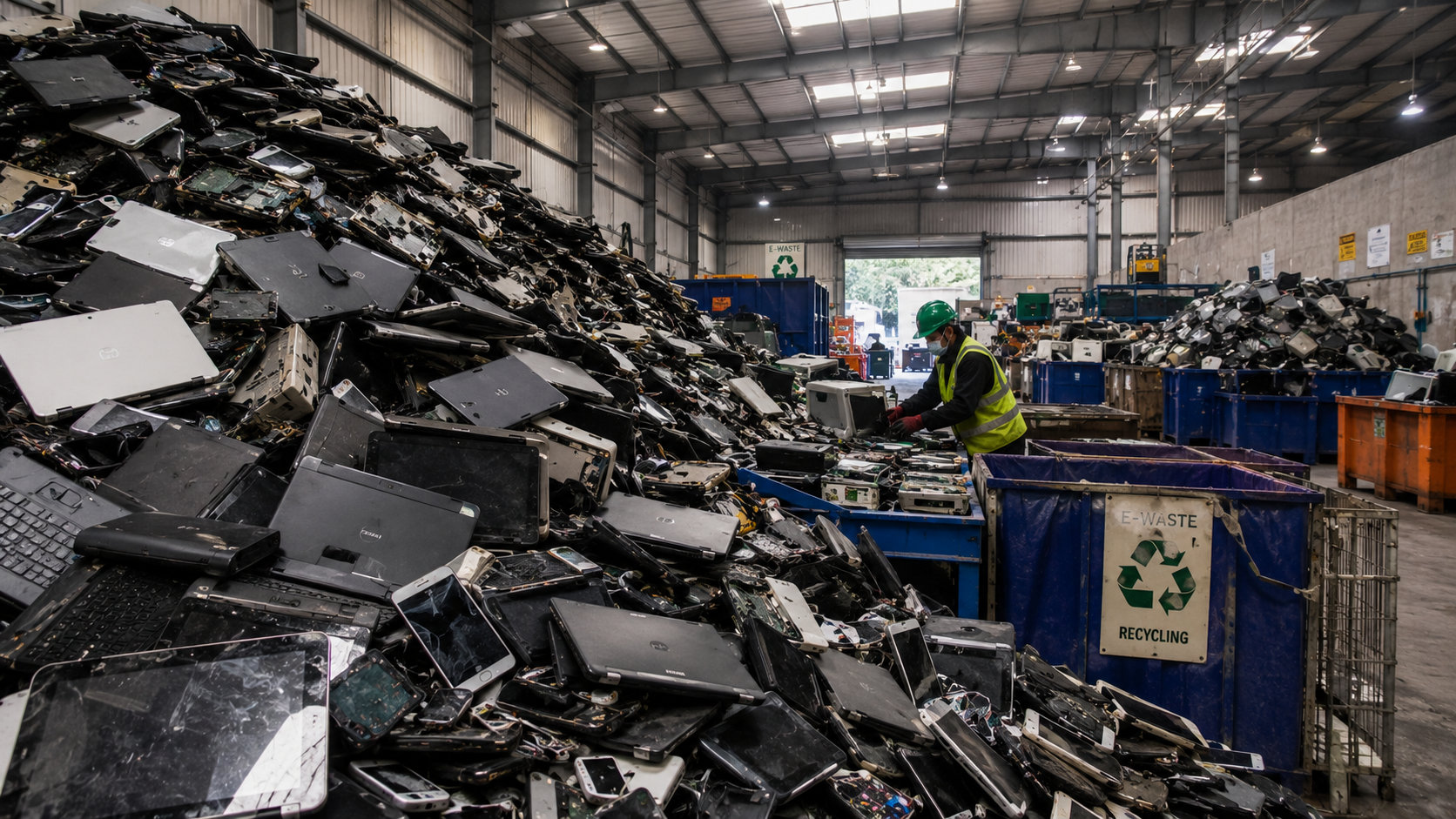
As smartphones, laptops, televisions, and other devices are replaced more frequently, electronic waste has become the world’s fastest-growing waste stream. Many electronic products contain valuable materials that can be recovered, but they also include hazardous substances that make safe recycling more difficult and costly.
Most Cars Spend About 95% of Their Time Parked

Cars require enormous amounts of raw materials and energy to manufacture, yet Bank & Vogue notes that the average vehicle sits idle for roughly 95% of its lifetime. The statistic highlights that overconsumption isn’t limited to disposable products. Even expensive, long-lasting purchases can consume significant resources while being used only a fraction of the time.
One-Third of the World’s Food Is Wasted While Millions Go Hungry

One of the starkest examples of global imbalance is the contrast between food waste and hunger. The source notes that one-third of all food produced worldwide is wasted, even as an estimated 815 million people experience hunger. The comparison underscores that the challenge isn’t only how much food is produced, but also how efficiently it is distributed and consumed.
If Everyone Lived Like the Average American, We’d Need Five Earths
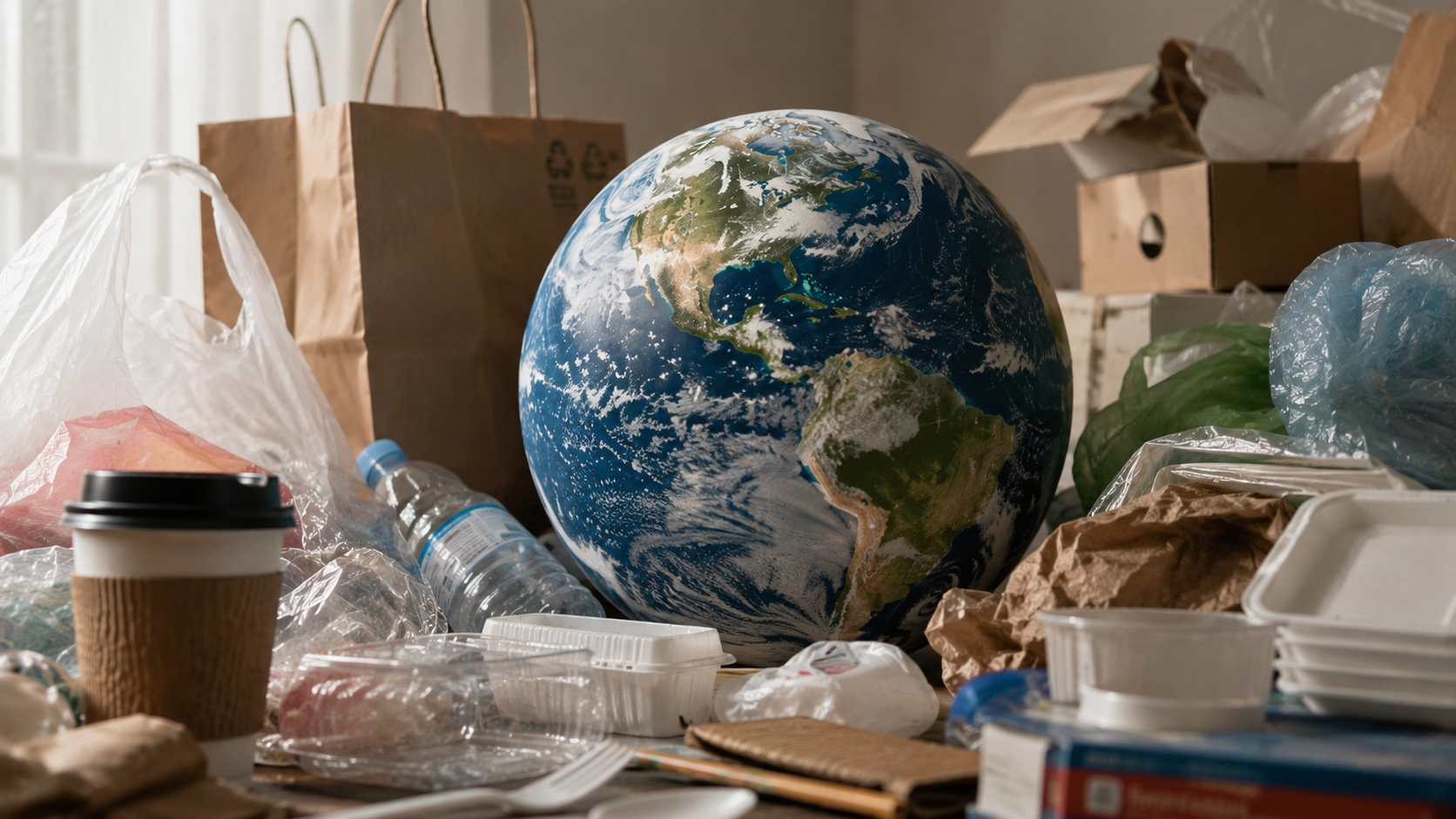
Bank & Vogue points to an estimate that if everyone adopted the average American lifestyle, humanity would require the equivalent of five Earths to provide enough natural resources. While the figure is intended to illustrate ecological impact rather than predict a literal outcome, it highlights how consumption patterns in wealthier countries place heavy demands on the planet’s finite resources.
Small Purchasing Decisions Add Up Over Time

No single shopping trip determines the future of the planet, but billions of purchasing decisions made every day collectively shape demand for products, packaging, transportation, and waste disposal. These statistics don’t suggest that people should stop buying altogether. Instead, they show how being more intentional about what we purchase, use, and keep can reduce waste, conserve resources, and lessen the broader impacts of overconsumption over time.