Over 6,000 Americans Flag AI Data Centers Over Power, Water and Noise Concerns


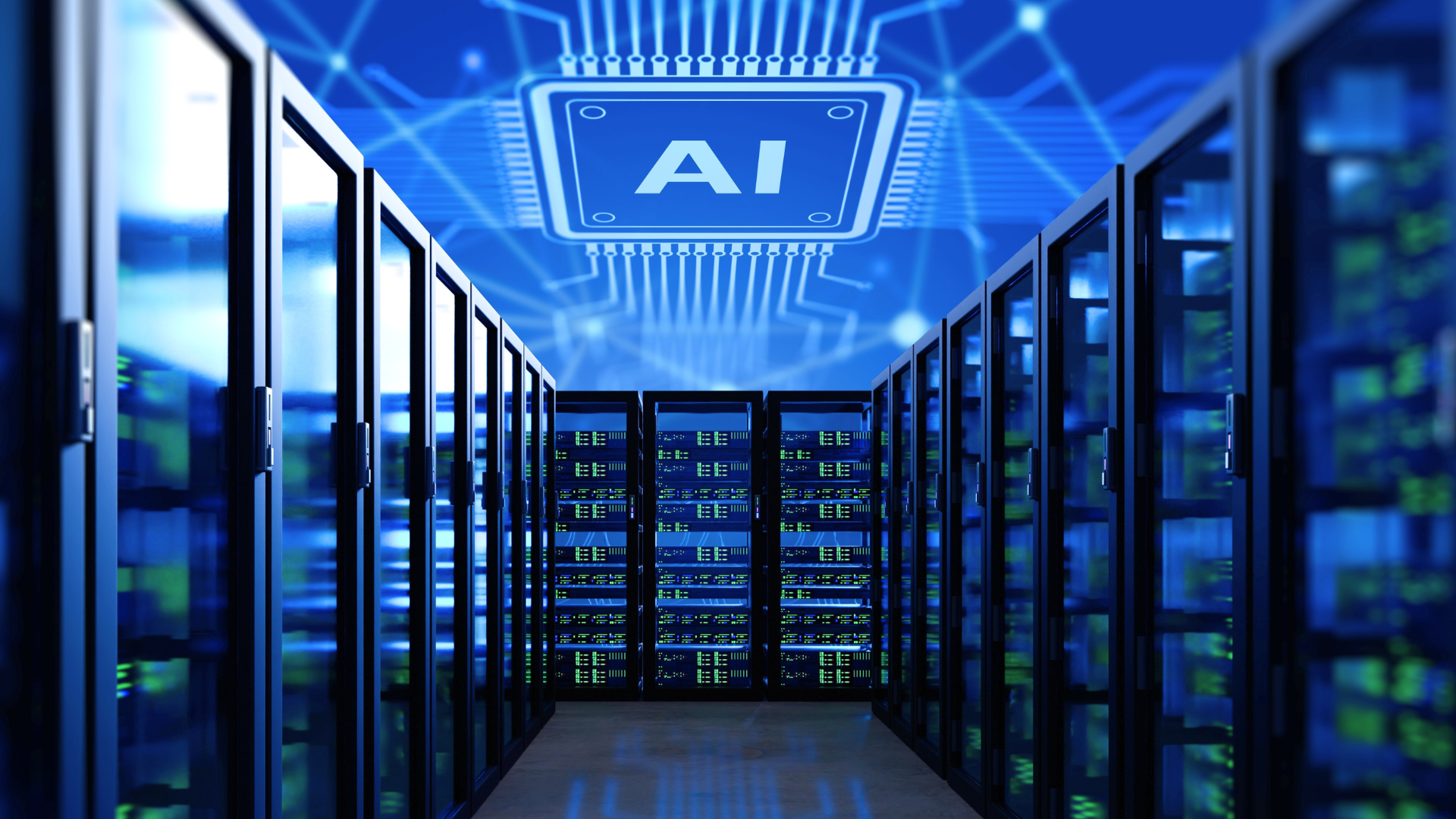
As artificial intelligence continues to fuel a massive data center construction boom across the United States, growing numbers of residents are voicing concerns about the impact these facilities may have on local communities. Consumer advocate Erin Brockovich recently thanked thousands of Americans who submitted information and photographs documenting data center projects in their neighborhoods. According to reports, more than 6,000 submissions have been received as citizens raise questions about electricity demand, water consumption, noise pollution, environmental impacts, and long-term community planning. The growing response highlights how AI infrastructure is becoming a local issue for communities far beyond the technology sector.
Why AI Is Driving a Data Center Boom

The rapid expansion of artificial intelligence has dramatically increased demand for data centers capable of processing enormous amounts of information. AI systems require far more computing power than traditional internet applications, leading technology companies to invest billions of dollars in new facilities nationwide. As firms race to build the infrastructure needed to support advanced AI models, communities across the country are seeing proposals for larger and more energy-intensive data centers than ever before.
More Than 6,000 Residents Have Responded
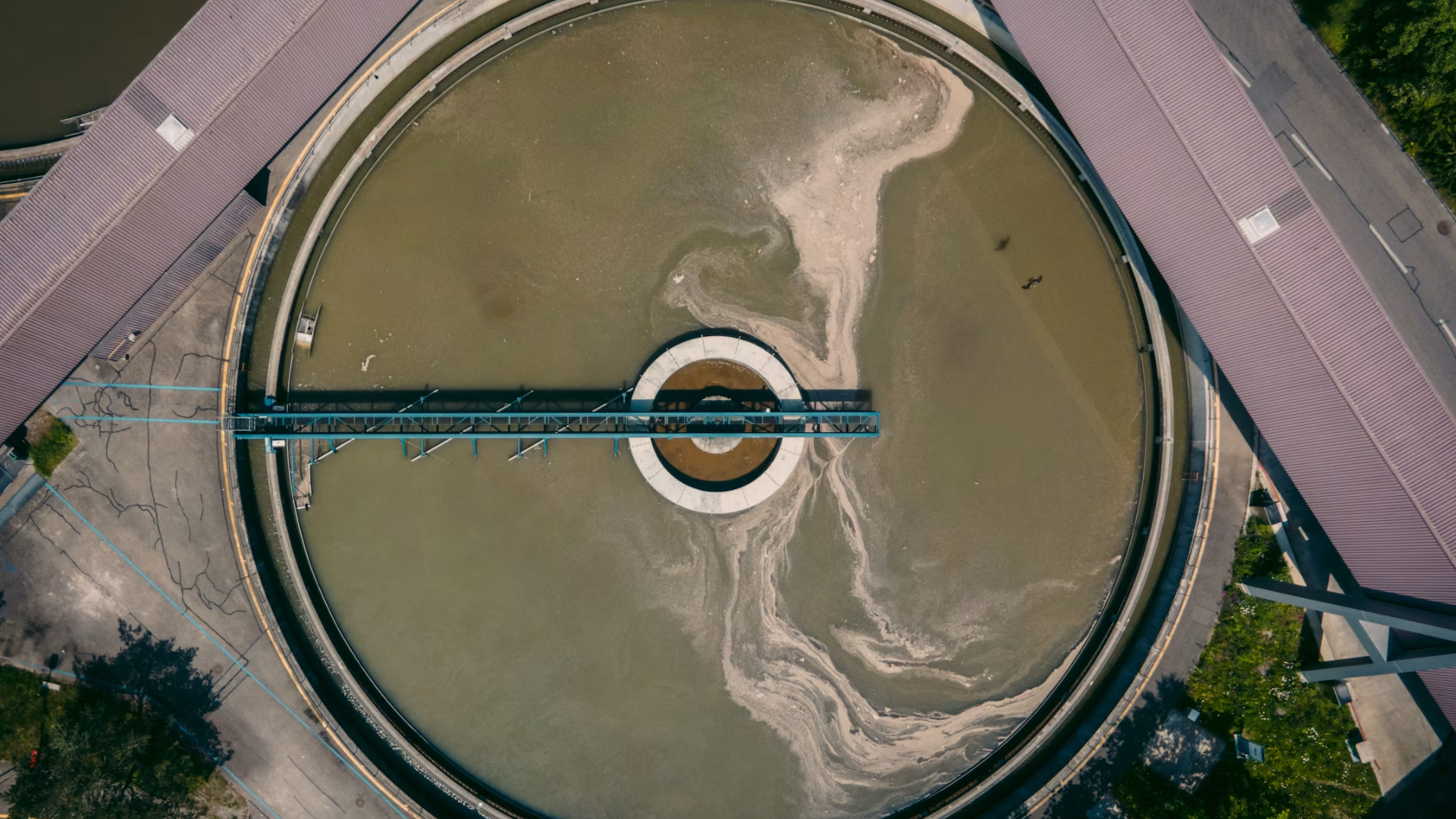
According to the campaign highlighted by Erin Brockovich, more than 6,000 Americans have submitted reports, photos, and information regarding nearby data center projects. The submissions come from communities experiencing existing construction, proposed developments, or concerns about future expansion. Organizers say the volume of responses demonstrates that many residents want greater transparency about how these facilities may affect local resources and quality of life.
Electricity Demand Is a Major Concern
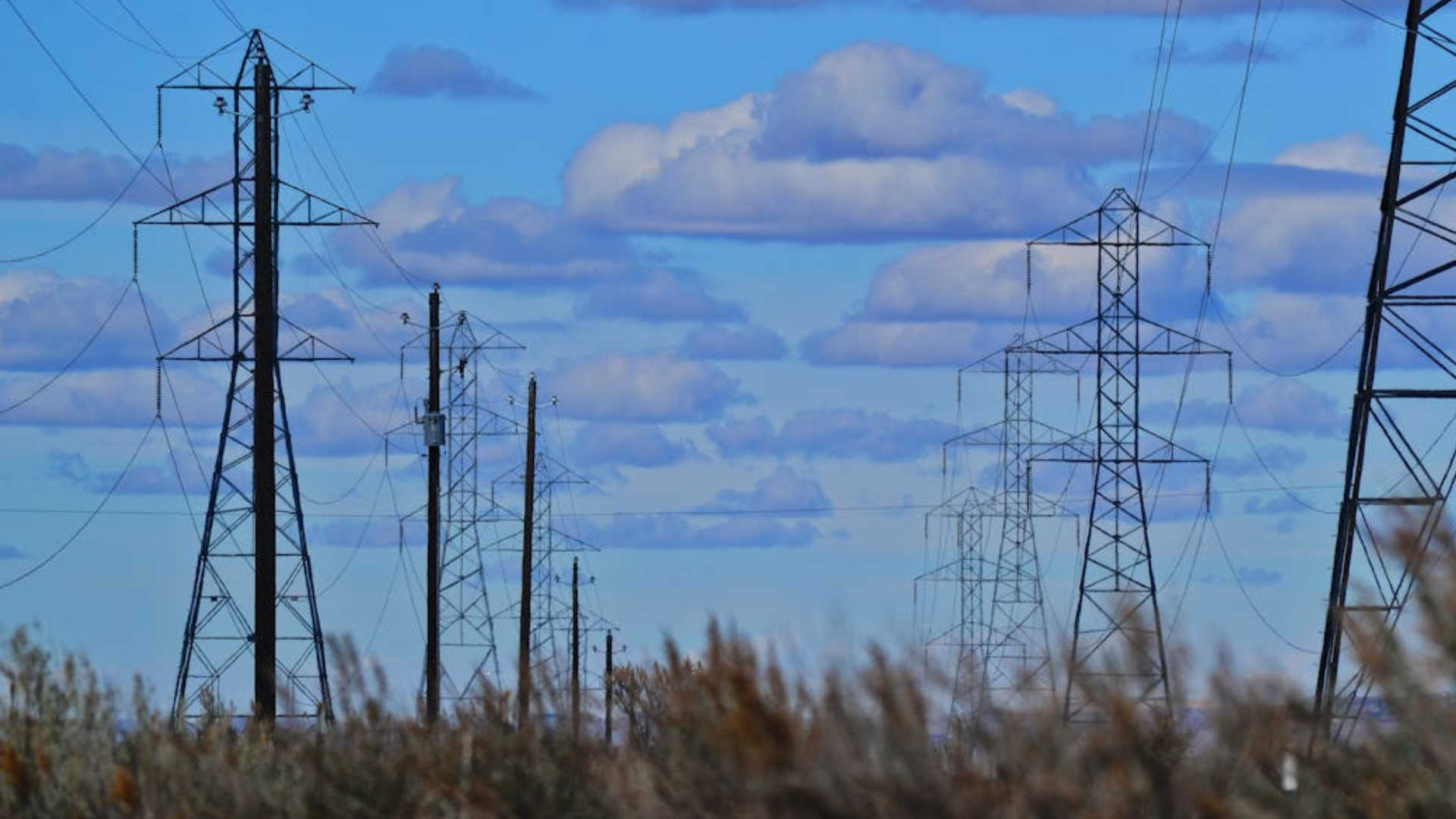
One of the most frequently cited concerns involves the enormous amount of electricity required to power AI data centers. Some facilities consume as much electricity as small cities, placing additional strain on local power grids. Residents worry that increased energy demand could contribute to higher utility costs, require expensive infrastructure upgrades, or create reliability challenges during periods of peak electricity usage. Utilities and regulators are now examining how to balance growing AI demand with existing customer needs.
Water Usage Is Drawing Increased Scrutiny
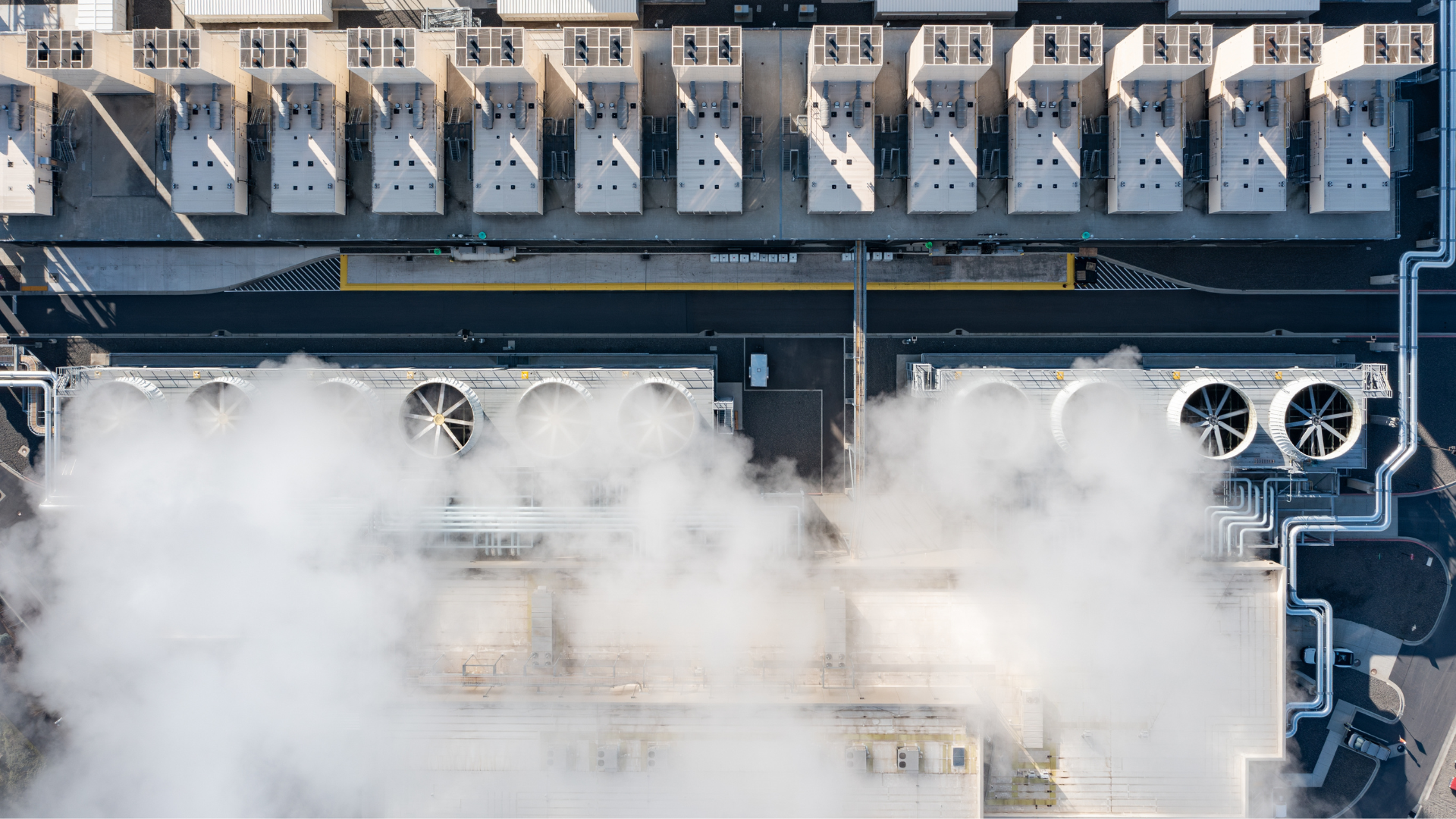
Many data centers rely on water-based cooling systems to prevent servers from overheating. Depending on the design and climate, facilities can consume millions of gallons of water annually. In regions already facing drought conditions or water supply challenges, residents are questioning whether large-scale AI projects could place additional pressure on local resources. Environmental groups and community advocates are increasingly requesting detailed disclosures regarding projected water consumption before projects receive approval.
Noise Complaints Are Becoming More Common
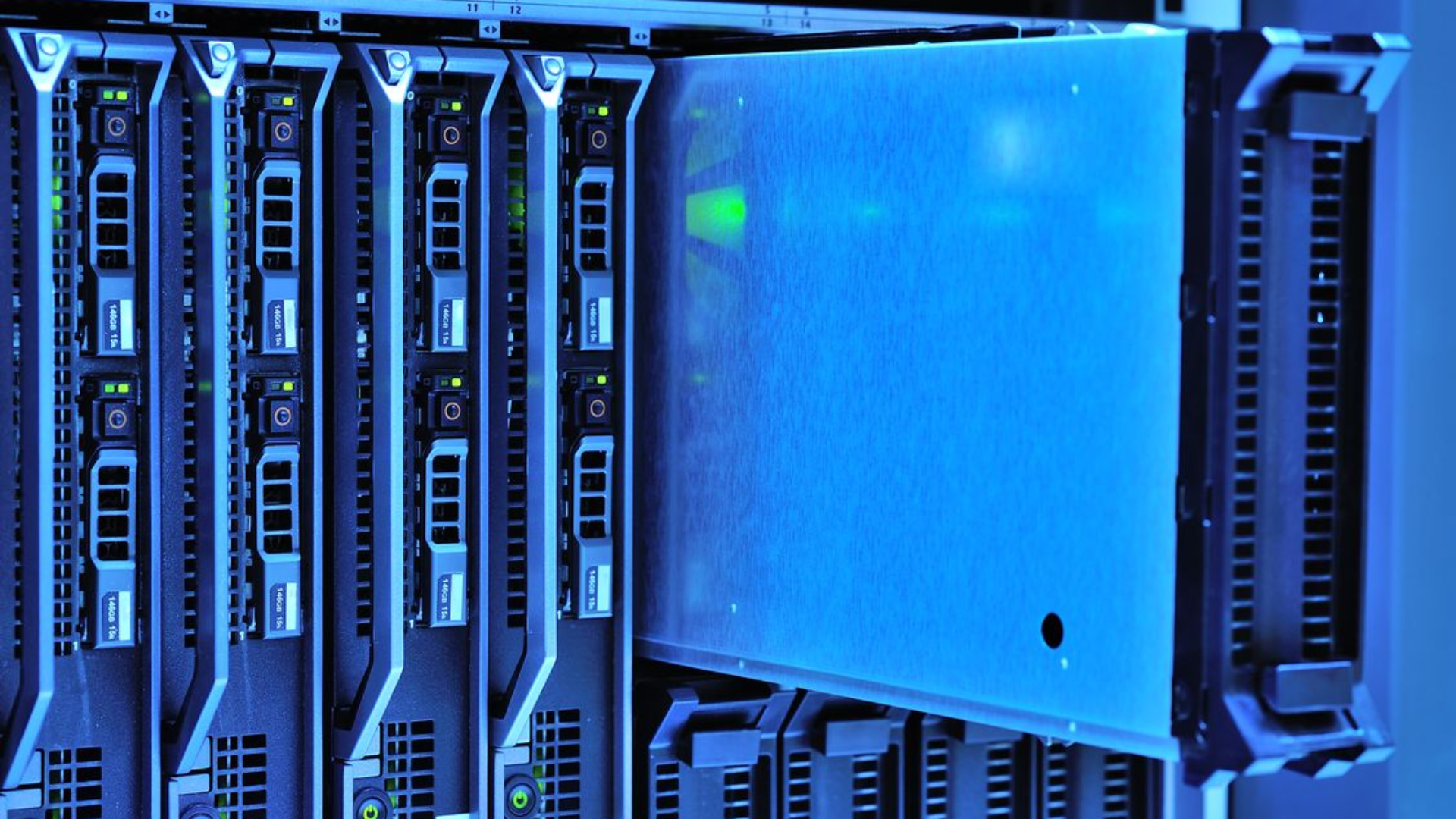
Beyond concerns about power and water, many residents say constant equipment noise has become a growing issue. Data centers often operate around the clock using cooling fans, backup generators, and mechanical systems that can produce continuous sound. Neighbors living near existing facilities have reported frustration with noise levels, particularly during overnight hours. Some communities are now pushing for stricter noise regulations and monitoring requirements as new projects move forward.
Communities Want More Transparency

Many local residents say they are not necessarily opposed to data centers themselves but want more information before projects are approved. Questions often focus on electricity consumption, environmental impacts, emergency backup systems, tax incentives, traffic, and long-term land use plans. Public meetings involving data center proposals have become increasingly contentious as citizens seek greater involvement in decisions that could affect their communities for decades.
Technology Companies Defend the Projects
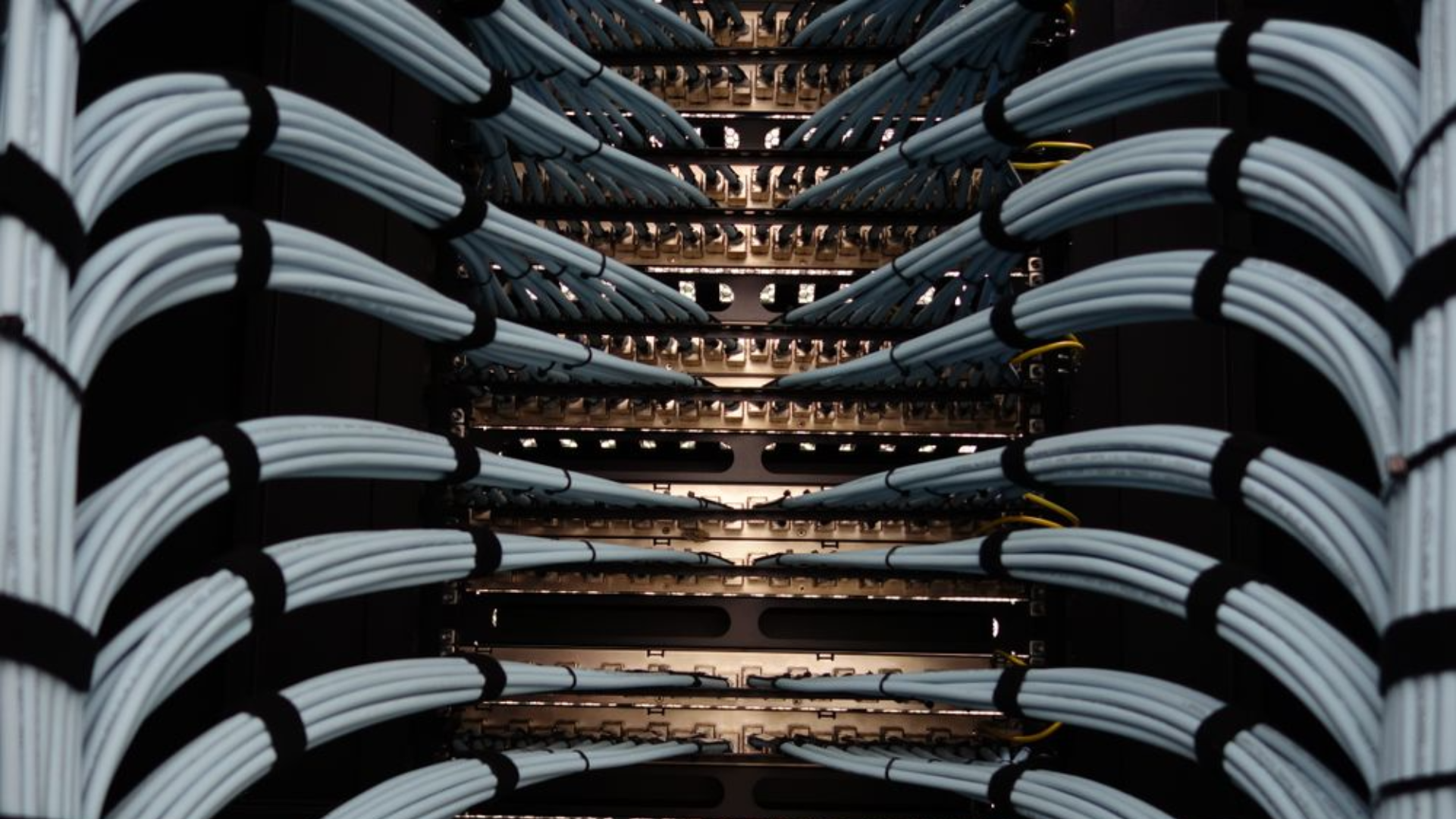
Technology companies argue that data centers bring significant economic benefits, including construction jobs, tax revenue, infrastructure investment, and support for digital services used by millions of people. Industry representatives also point to efforts to improve energy efficiency, expand renewable energy usage, and reduce water consumption through advanced cooling technologies. Companies contend that AI infrastructure is essential to maintaining American competitiveness in emerging technologies.
Regulators Face Growing Pressure
As more communities raise concerns, regulators are finding themselves caught between economic development goals and public demands for oversight. State agencies, local governments, utility commissions, and environmental regulators are increasingly being asked to evaluate the broader impacts of large-scale AI infrastructure. The debate is prompting discussions about zoning rules, environmental reviews, utility planning, and how costs should be distributed among residents, businesses, and technology companies.
The AI Race Is Reaching Local Communities
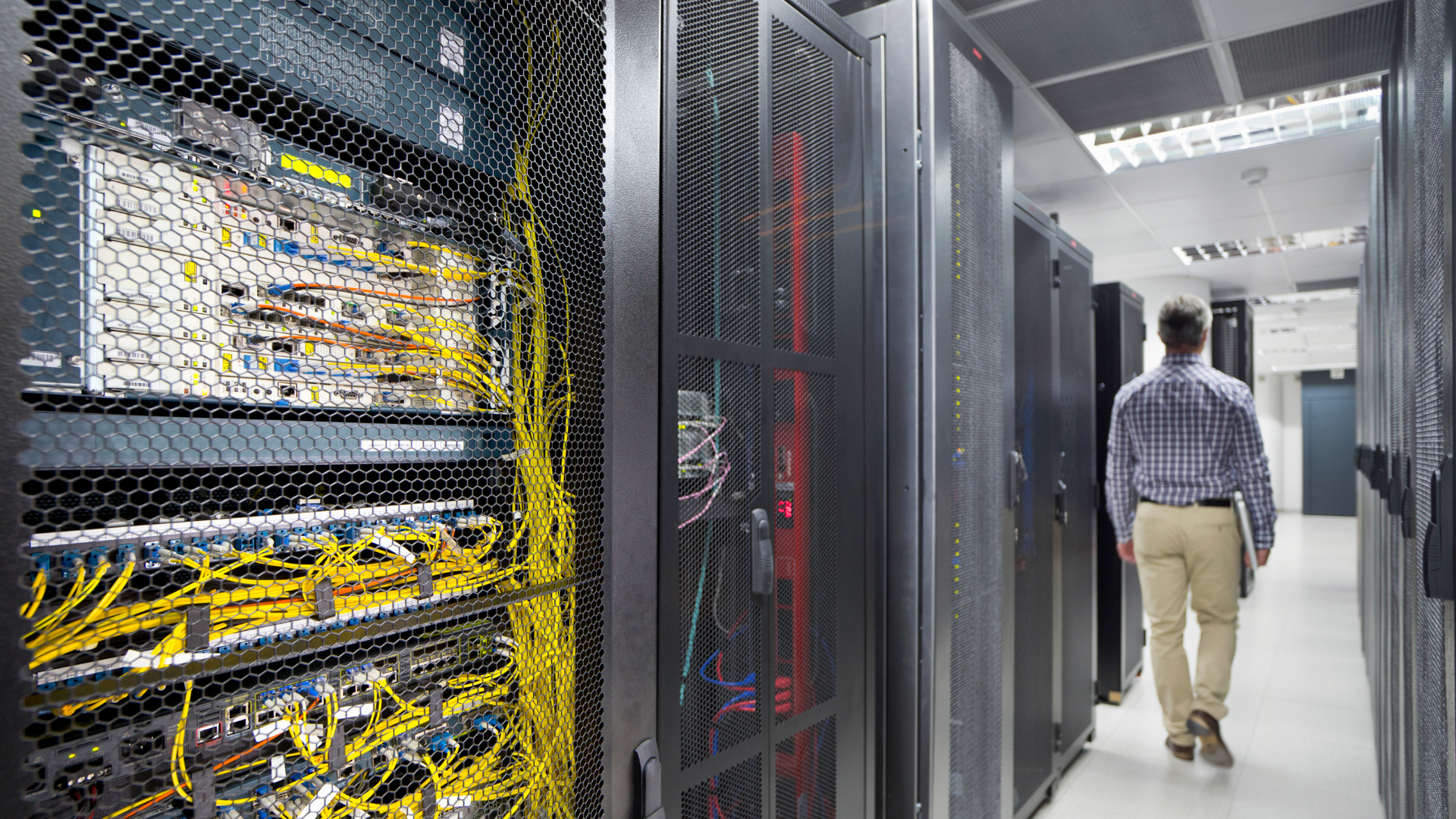
The growing response from more than 6,000 Americans shows that concerns about artificial intelligence now extend far beyond software and technology. As companies continue building the infrastructure needed to support AI development, communities are paying closer attention to the real-world impacts of data centers on electricity systems, water supplies, noise levels, and local planning decisions. The debate is likely to intensify as more projects are proposed, forcing policymakers, technology companies, and residents to find common ground on how AI’s physical footprint should be managed in the years ahead.