Over 400,000 Evacuated as Hurricane Melissa Becomes One of the Strongest Hurricanes Ever Recorded in the Atlantic
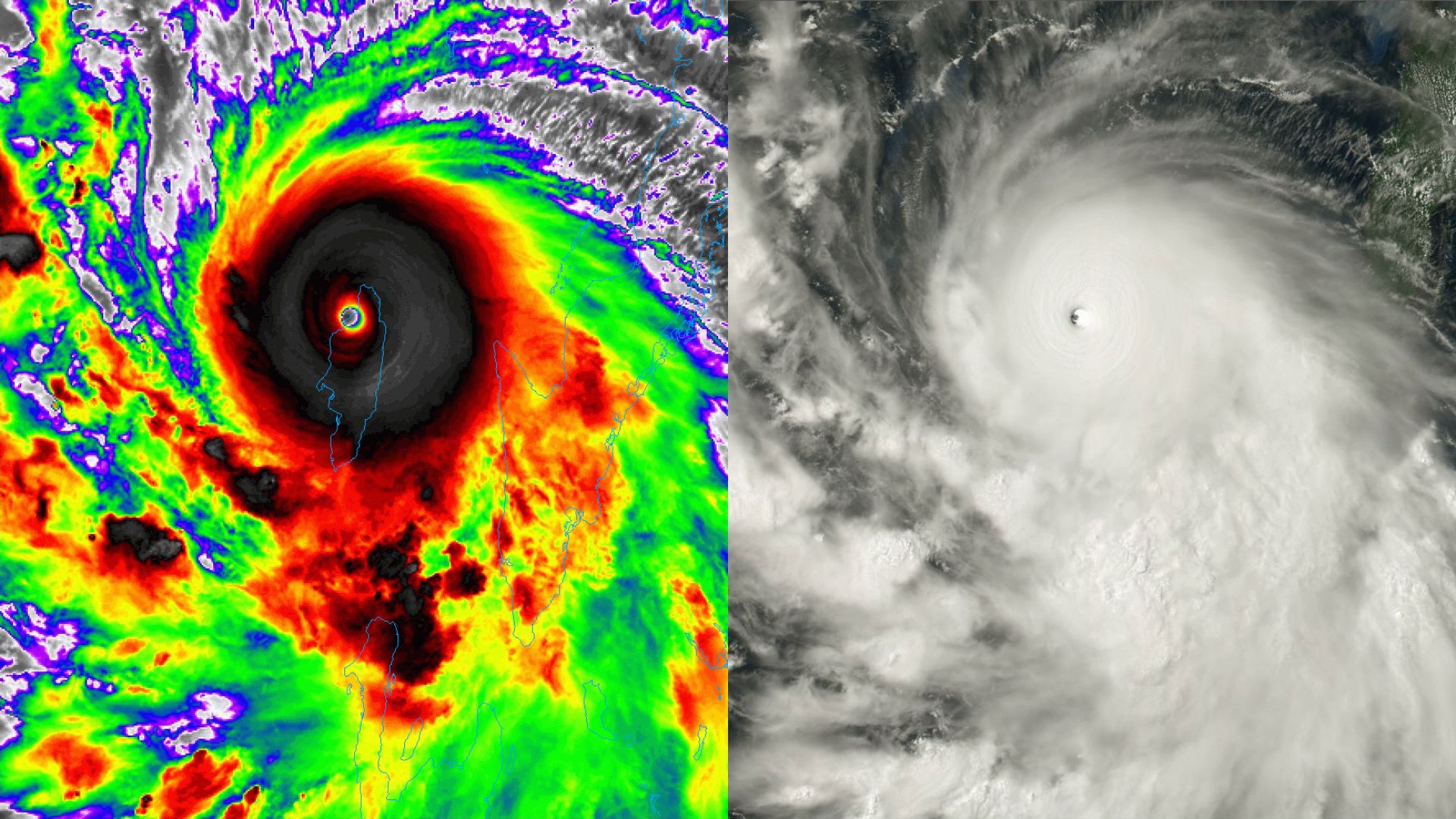

More than 400,000 people have been evacuated as Hurricane Melissa surged toward the Atlantic coast, marking one of the most powerful hurricanes ever recorded in the basin. The storm intensified rapidly before making landfall in Jamaica with sustained winds of up to 185 mph. Authorities across the Caribbean and along the projected path issued large-scale evacuation orders and warned of life-threatening conditions.
Evacuation Effort
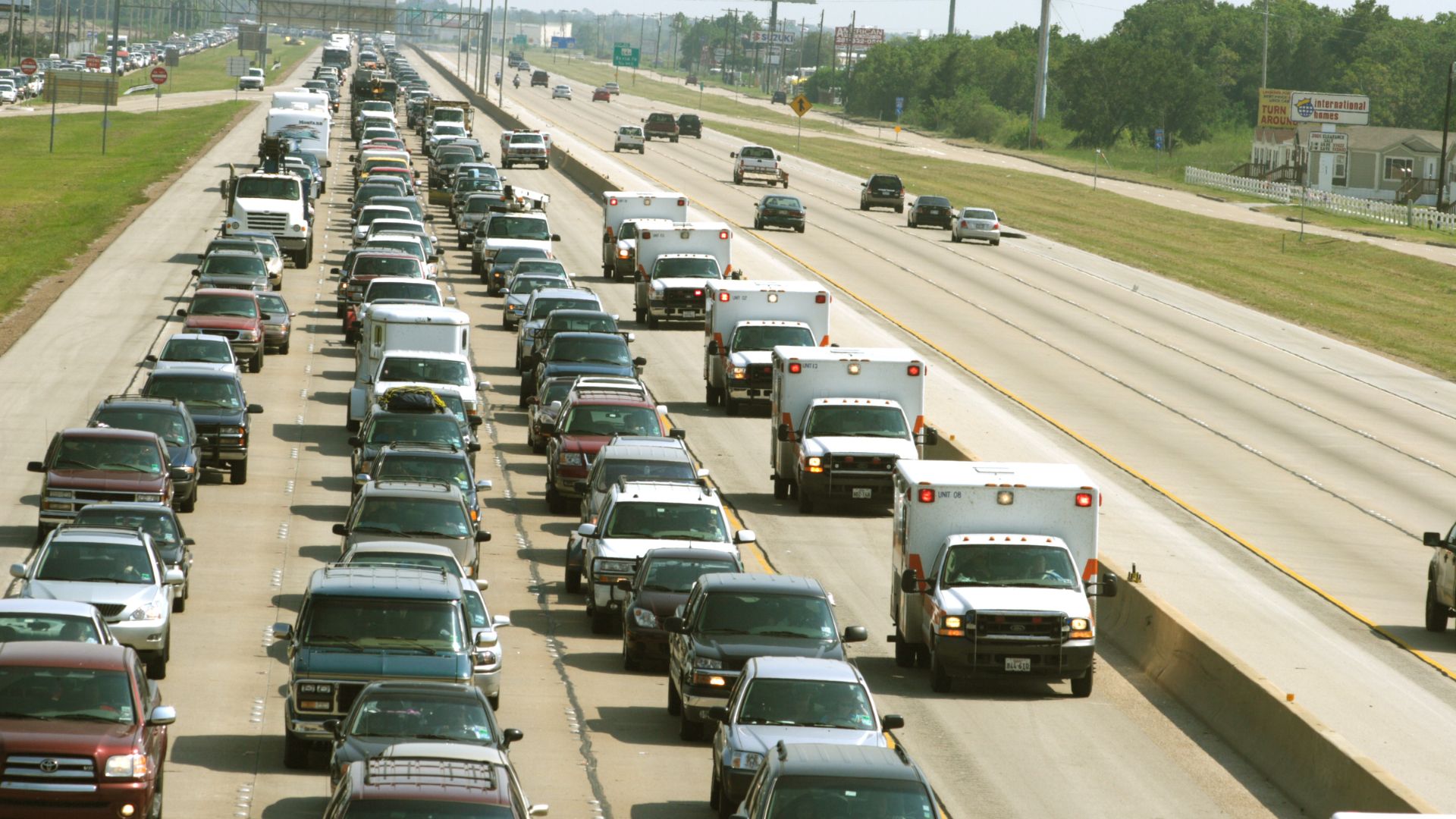
Evacuations were ordered in Jamaica, eastern Cuba, and the Bahamas, with reports of hundreds of thousands leaving high-risk zones ahead of the storm’s arrival. The Cuban authorities alone evacuated approximately 281,000 people from eastern provinces. Regional governments mobilized shelters, closed airports and deployed resources to move residents out of vulnerable coastal and low-lying areas.
Storm Strength
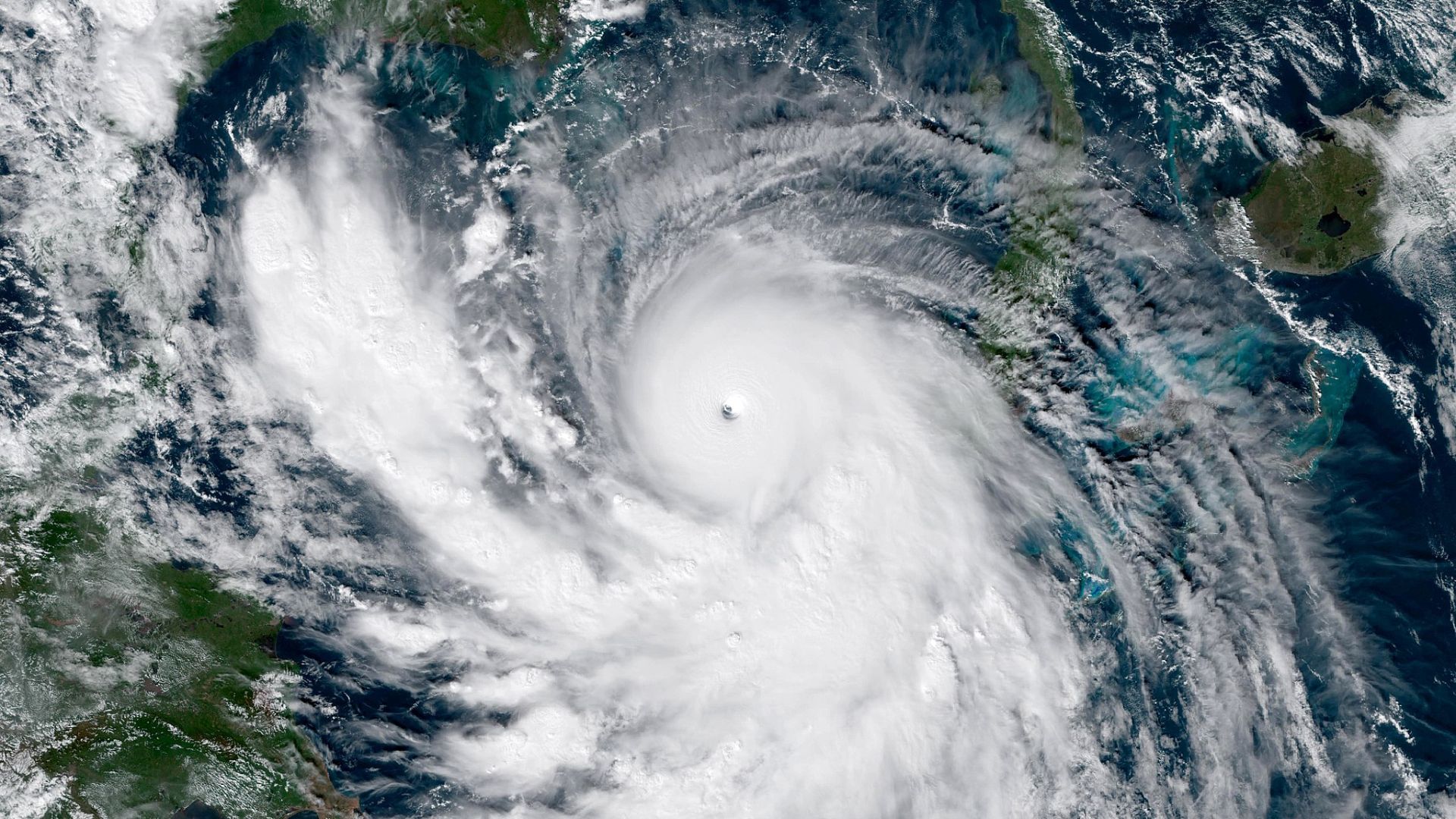
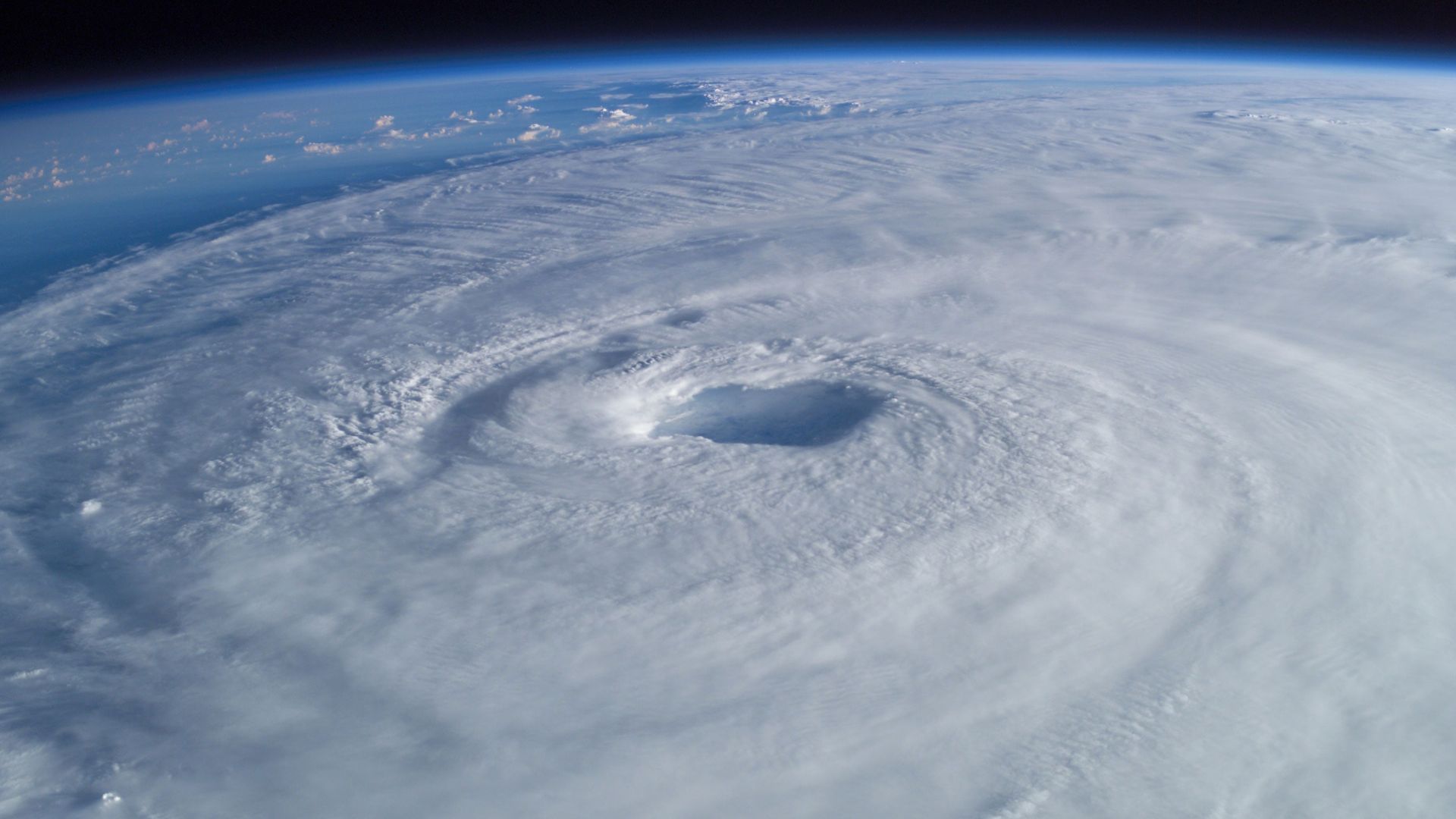
When Hurricane Melissa made landfall in Jamaica on October 28, it was a Category 5 storm with top sustained winds of 185 mph—tying it for one of the strongest Atlantic landfalls on record. Its central pressure dropped to approximately 892 millibars, placing it among the most intense storms ever documented in the Atlantic basin. Meteorologists highlighted its rapid intensification over unusually warm Caribbean waters.
Path and Impact
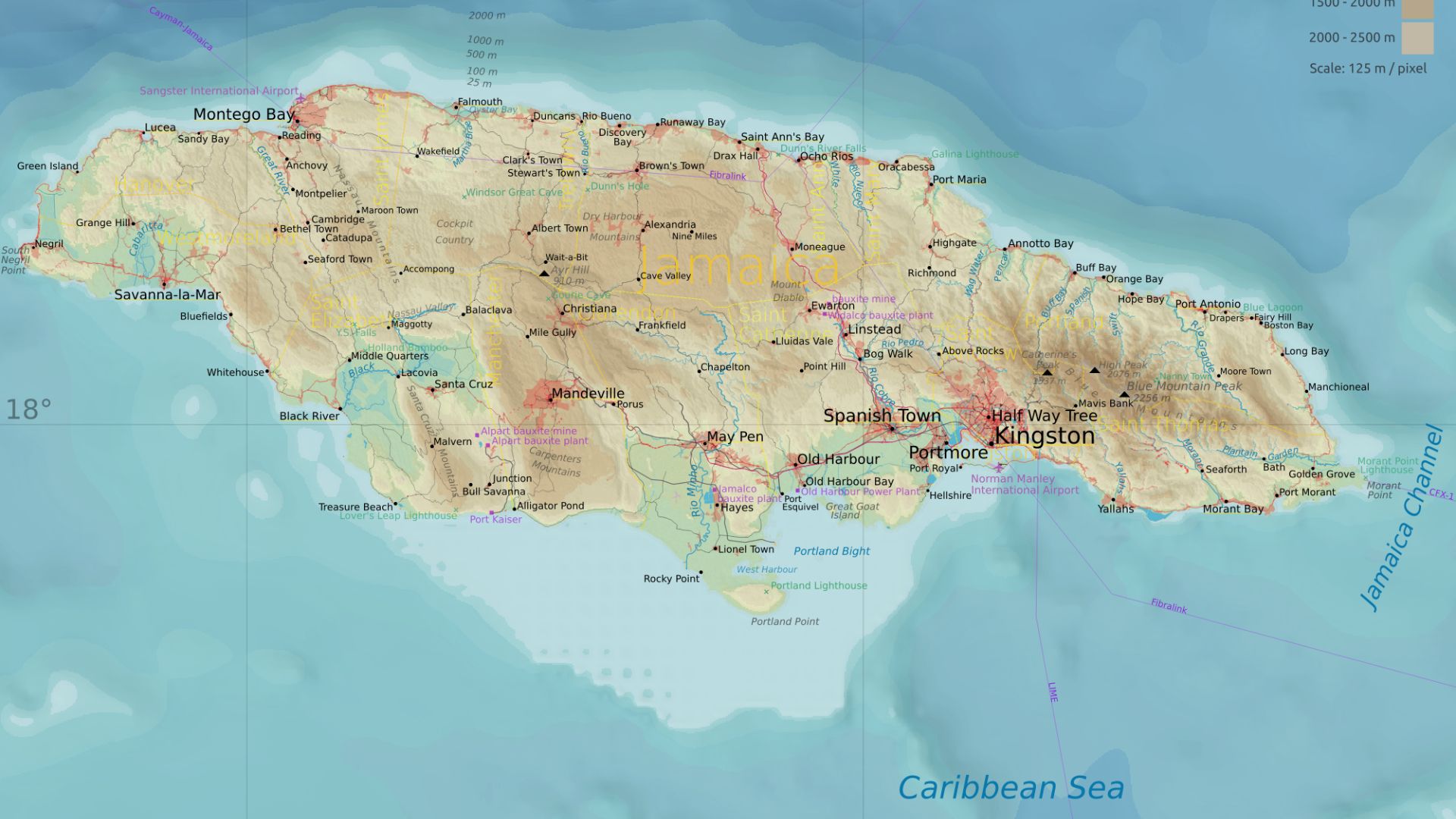
After Jamaica, the storm moved through eastern Cuba then into the Bahamas, before heading northeast toward Bermuda. As of early reports, at least 28 people died in the Caribbean, with the vast majority in Haiti and Jamaica due to flooding, landslides and structural collapse. In Jamaica alone, more than 70 percent of the population lost power, and entire communities were cut off by damaged roads and infrastructure.
Historical Context
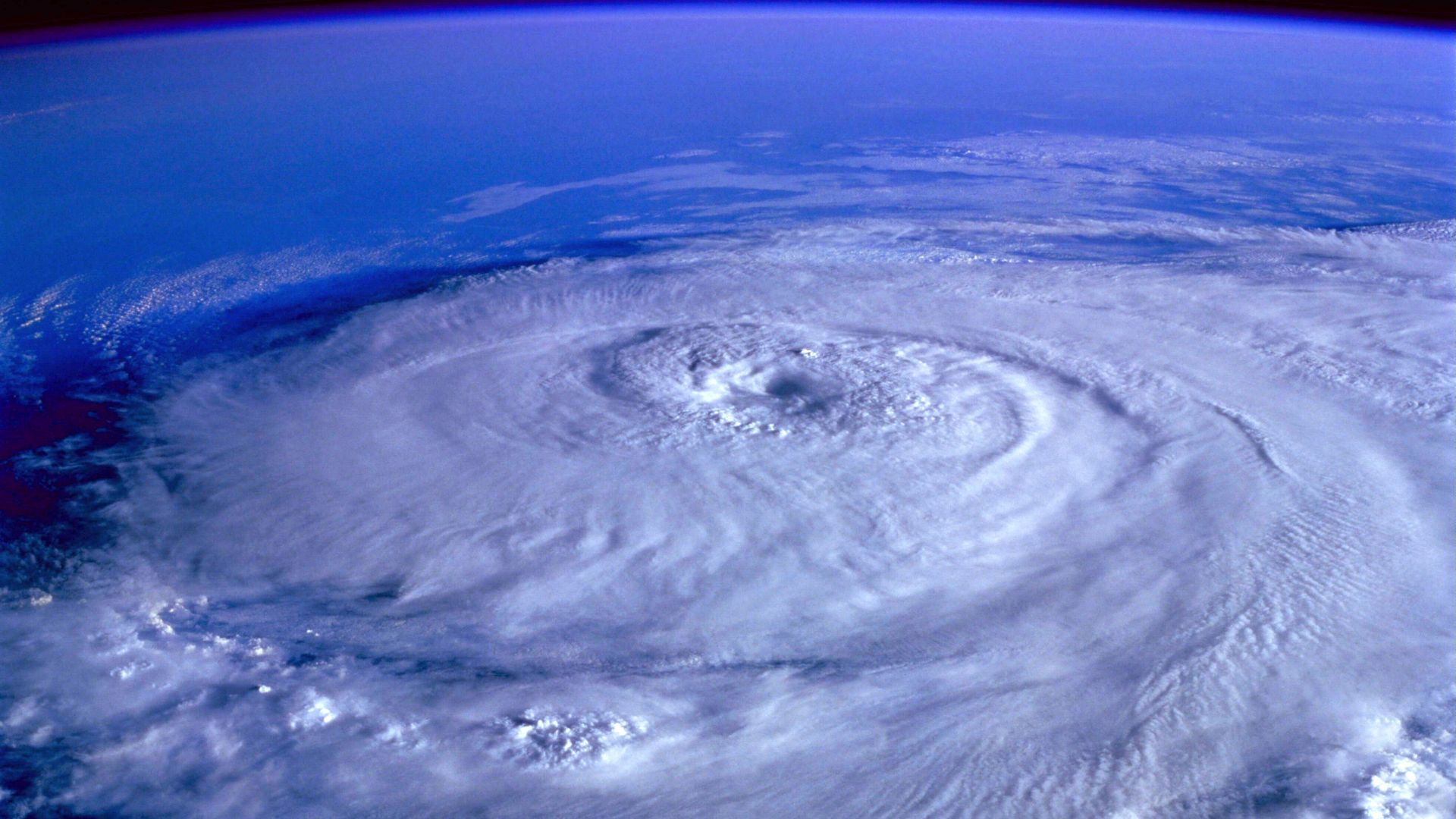
Hurricane Melissa is now recorded as one of the strongest hurricanes ever for the Atlantic. It joined an exclusive list of storms—including the 1935 Labor Day hurricane, 1988’s Gilbert and 2019’s Dorian—that made landfall with winds near 185 mph. For Jamaica, it was the first recorded Category 5 landfall in its history.
Why It Intensified
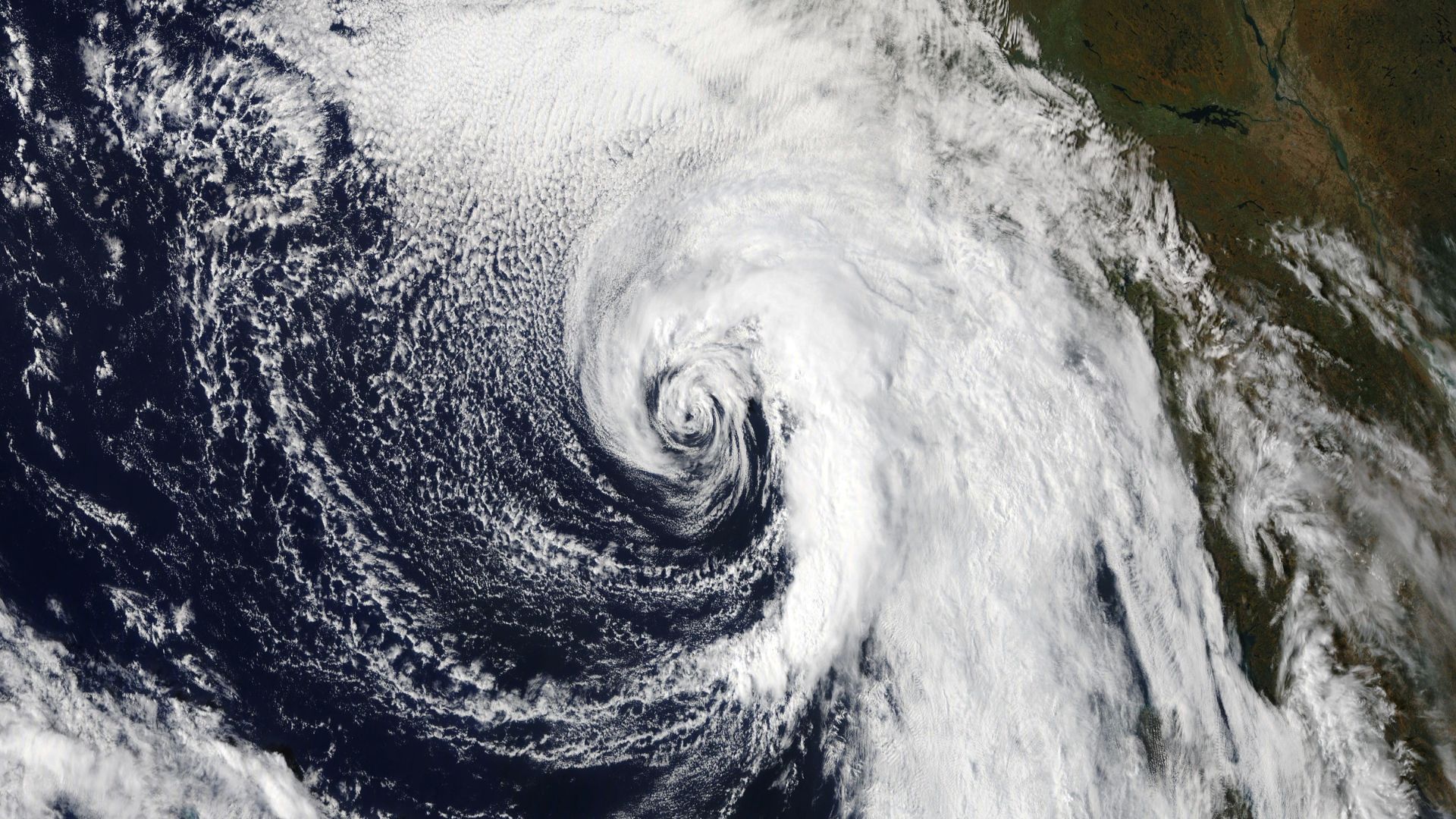
Experts attribute the storm’s explosive growth to very warm sea-surface temperatures—2 to 3 °C above normal—and low wind shear creating ideal conditions for rapid intensification. These conditions allowed Melissa to strengthen quickly into a major hurricane shortly before landfall. Scientists say such patterns are becoming more common with global ocean-warming trends.
East Coast Preparations
Although the U.S. mainland was not directly hit, forecasters warned the Mid-Atlantic and Northeast that Melissa’s moisture could fuel other storms and produce heavy rain, dangerous surf, and wind through Friday. Coastal states from North Carolina to New Jersey stood ready, with emergency officials monitoring ripple effects and issuing alerts for potential flooding and erosion.
Relief Mobilization
The United States deployed dozens of disaster-relief workers and urban search-and-rescue teams to assist Caribbean nations hit by Melissa. Supplies and equipment—including humanitarian packages—were also staged for rapid delivery to Jamaica, Cuba and Haiti. International aid groups began coordinating with local governments to address immediate needs such as shelters, power restoration and water supplies.
Damage Assessment
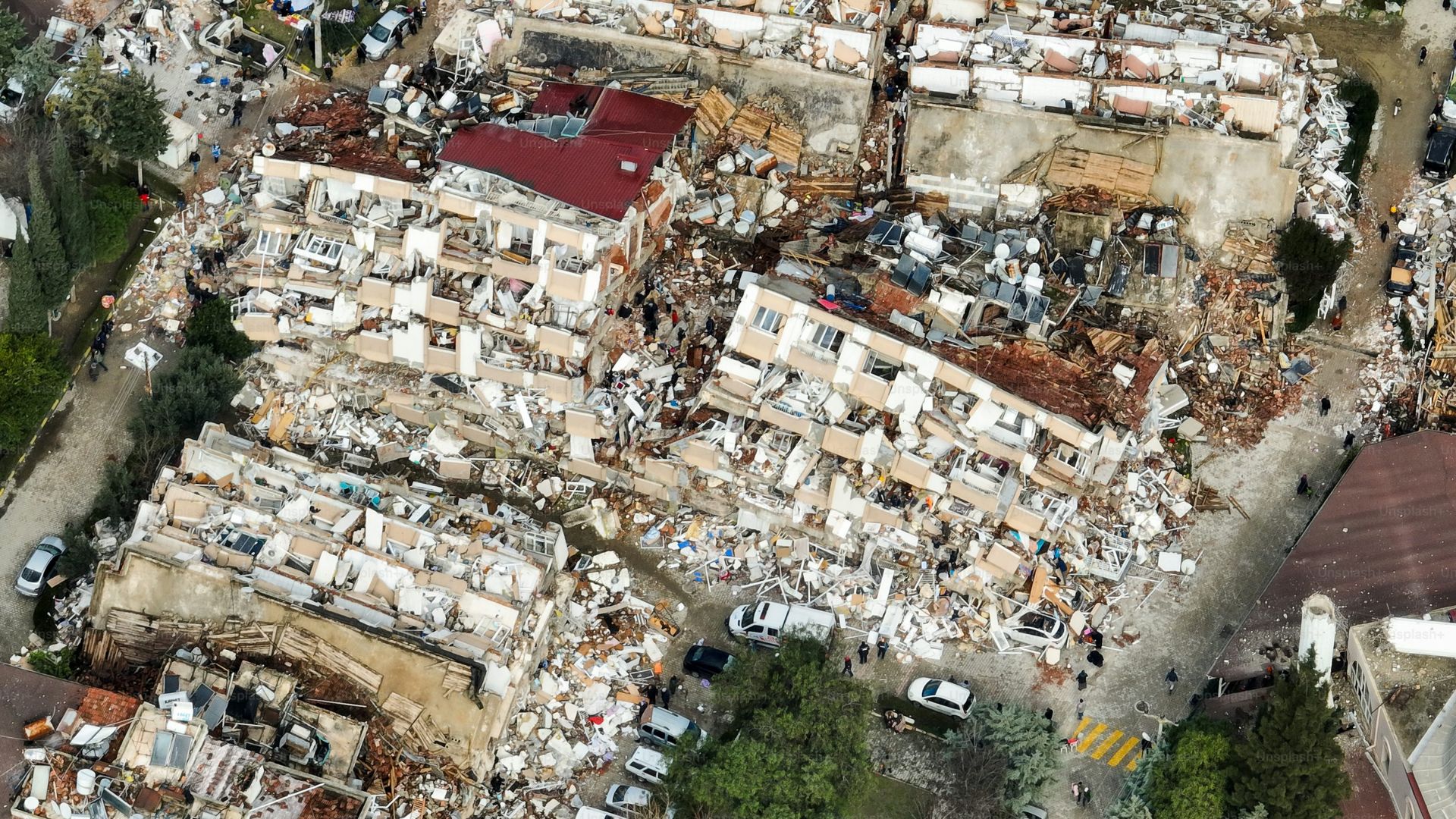
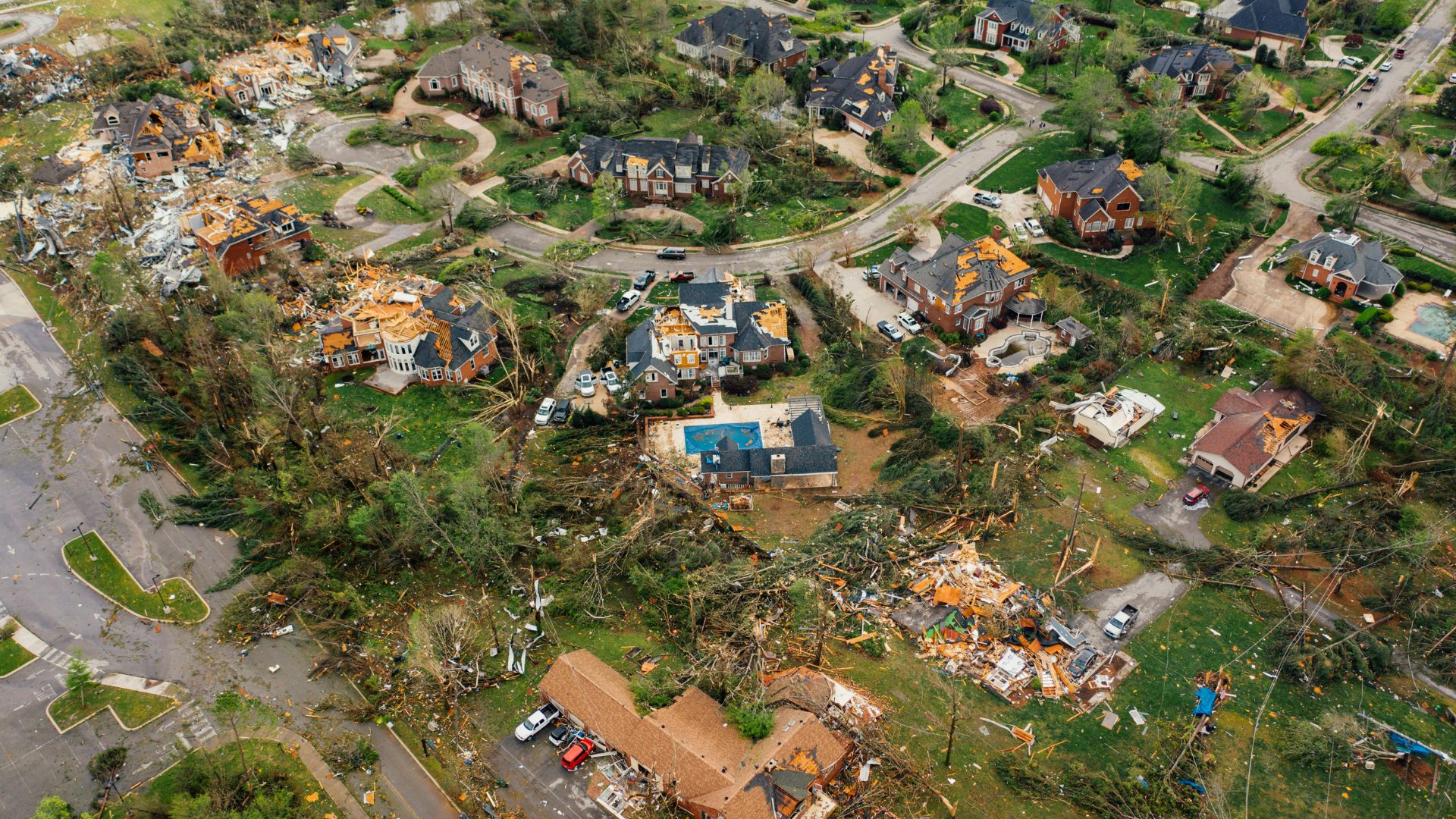
In Jamaica, satellite imagery and on-the-ground reports show widespread devastation—roofless homes, downed power lines and submerged areas especially in western parishes like St. Elizabeth. In Haiti, river floods triggered by the storm killed at least 20 children, while Cuba evacuated over 735,000 residents ahead of its landfall and reported heavy damage to crops and infrastructure.
Conclusion
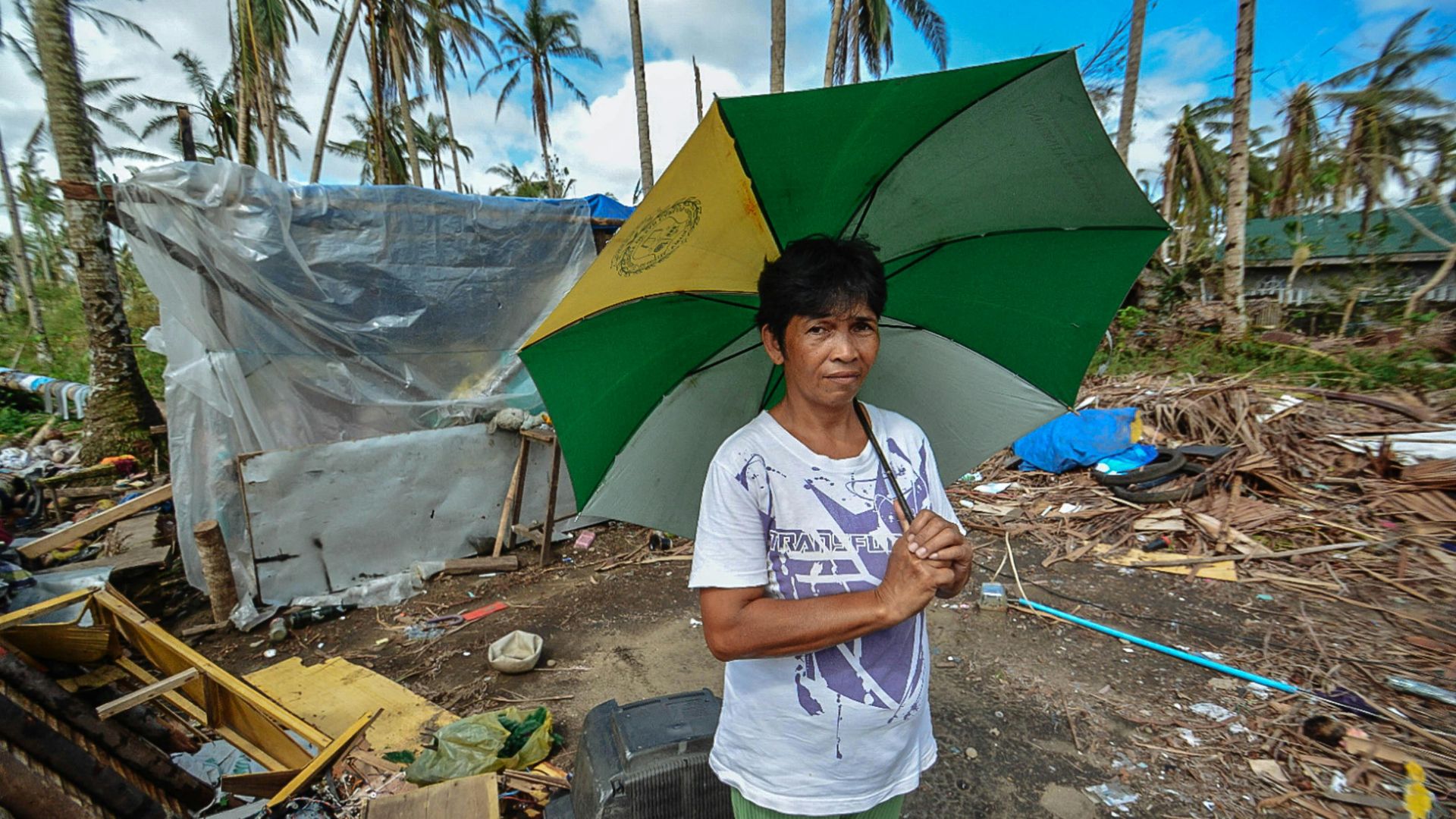
Hurricane Melissa has left a trail of destruction across the Caribbean and triggered one of the largest evacuations of the season. Its historic strength and wide-ranging impact underline growing concerns about extreme weather events. As recovery efforts get underway, regional officials are bracing for a long rebuilding process and watching closely for further storm-related threats.