OpenAI’s First Influencer Getaway Turned Into a Public Relations Problem

A tech company spent thousands of dollars putting internet stars inside fancy cabins. Most brand trips just sell beauty items or clothes. This retreat tried to sell artificial intelligence as a friendly lifestyle. OpenAI invited popular creators to a luxury resort in New York. The goal was simple. They wanted positive posts about ChatGPT. Instead, angry online users quickly flooded the comment sections with sharp criticism.
The company flew popular creators to Wildflower Farms in the Hudson Valley. Private cabins at the high-end resort cost more than one thousand dollars per night. Influencers posted photos of group dinners, outdoor activities, and private learning sessions. OpenAI said creators help people learn about new tools. The company explained that it values healthy debate. However, viewers saw an overly rich party hosted by a controversial tech giant.
Internet users quickly attacked the creators for joining the expensive trip. Critics called the event tone-deaf while regular families struggle with high prices. Disability advocate Imani Barbarin said OpenAI is selling an easy lifestyle that average workers cannot buy. She warned that automation will soon replace traditional jobs. The lavish weekend showed a growing divide. People are becoming deeply worried about the real cost of new technology.
Content Creators Face Harsh Public Backlash for Promoting Artificial Intelligence

Online creators often travel on free trips to talk about new products. Taking money from a major computer company felt very different to many followers. Viewers accused the influencers of selling their morals for a free vacation. Six creators did not answer questions from reporters about the trip. The fast backlash proved that public trust in tech brands is falling. Followers expect creators to think carefully about the companies they support.
Some creators defended their choice to join the luxury getaway. Creator Grace McCarrick has over ninety-three thousand Instagram followers. She said her morals were not compromised by attending. McCarrick said she wanted to hear directly from people guiding big changes. Fellow creator Megan Lieu replied that she was baffled by the negative comments on her videos. Lieu said she prefers moving toward future changes rather than fighting against them.
The angry comments show how much people now distrust tech companies. Creators thought they were joining an exciting learning event. Viewers saw them taking gifts from a industry that threatens their livelihoods. Meredith Lynch posted a video calling the creator trip deeply embarrassing. The public reaction created a major media problem. Influencers learned that promoting controversial computer tools can quickly ruin their own online reputations.
Giant Data Centers Strain Local Power Grids and Threaten Nearby Communities
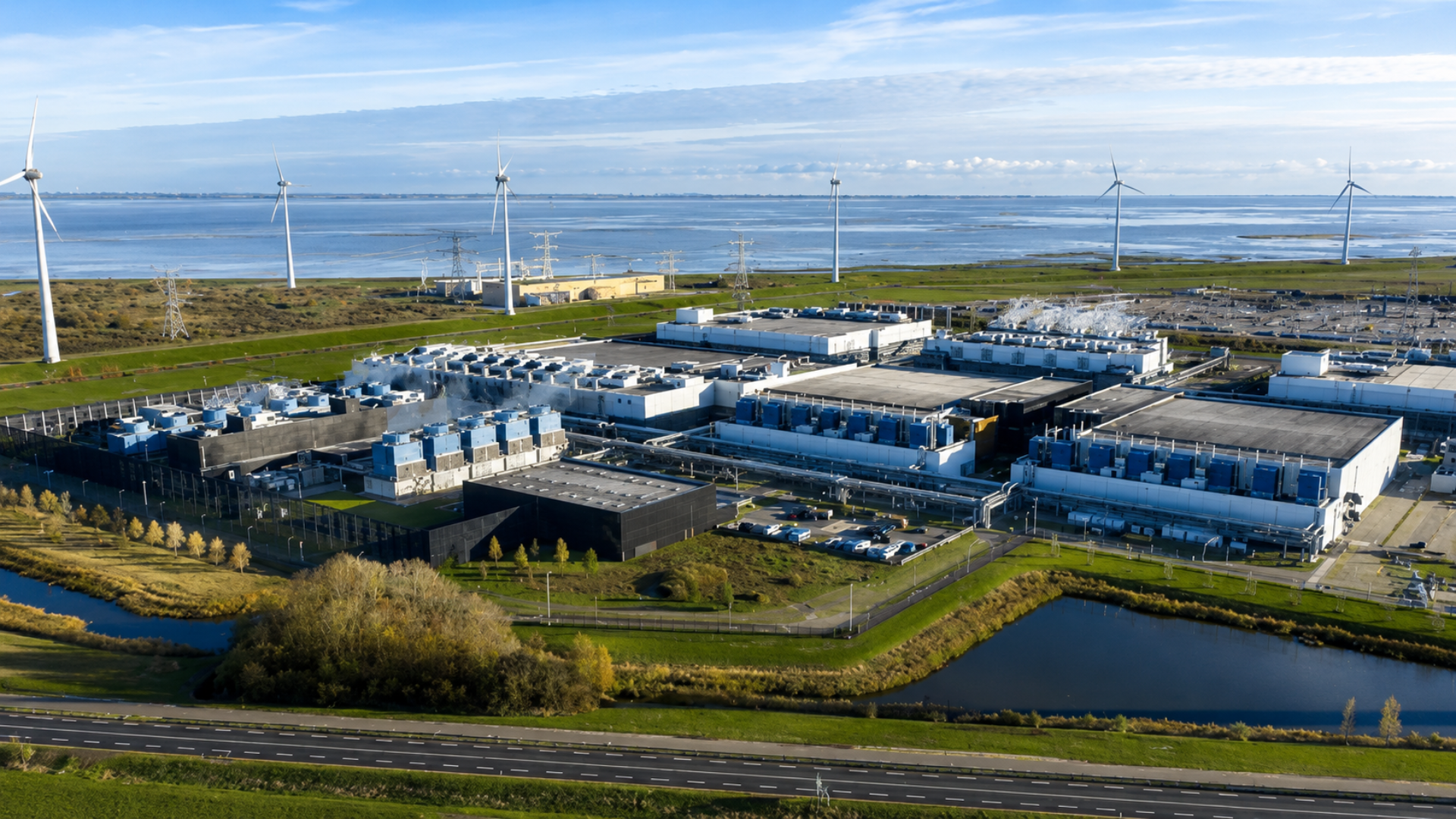
Behind the smooth computer tools lies a massive web of noisy machines. Computer centers use vast amounts of local electricity to process daily questions. These big facilities strain power grids across the country. They also create air pollution, water waste, and constant noise for nearby neighbors. Environmental groups worry about the fast growth of these sites. The hidden physical cost of the internet is getting harder to ignore.
People are also worried about how new technology connects to the government. OpenAI recently made a business deal with the Department of Defense. That deal raised sharp questions about how military leaders will use smart software. Critics worry that powerful tools could be used for harm. While influencers enjoyed luxury dinners, regular citizens raised serious ethical questions. Modern software tools carry real risks that go far beyond friendly smartphone apps.
The gap between rich tech executives and average workers is growing wider. Tech firms spend thousands of dollars per person on influencer trips. At the same time, power bills are going up for local homeowners living near computing plants. People feel the hidden costs of tech in their daily lives. A free luxury weekend highlights those inequalities. The event showed that regular people are paying for corporate growth.
Lavish Marketing Campaigns Cannot Mask Growing Fears About Job Losses

An expensive vacation cannot hide the real worries people have about their futures. Sending creators to a peaceful resort was meant to make new software look safe and helpful. Yet no amount of pretty photos can erase public fear. Workers worry that smart software will soon take away their jobs. When a rich company throws a party, it reminds people of what they stand to lose.
The disaster shows that old marketing tricks do not work on modern technology. Companies used to sell beauty products by giving away free trips. Selling software that replaces human labor requires a much different conversation. Giving away free gifts to famous influencers makes tech giants look out of touch. People want real answers about safety and job security. Pretty pictures on a phone screen cannot replace genuine human trust.
The failed trip marks a big turning point for how tech companies talk to the public. As smart tools enter offices and schools, people will keep asking tough questions. Shiny marketing campaigns cannot cover up environmental damage or lost wages. Companies must address real human concerns directly. If tech giants keep ignoring public fears, even their best promotional events will continue to backfire.