One State Just Shattered a Tornado Record. What It Could Mean for Millions of Americans
Source: Shutterstock

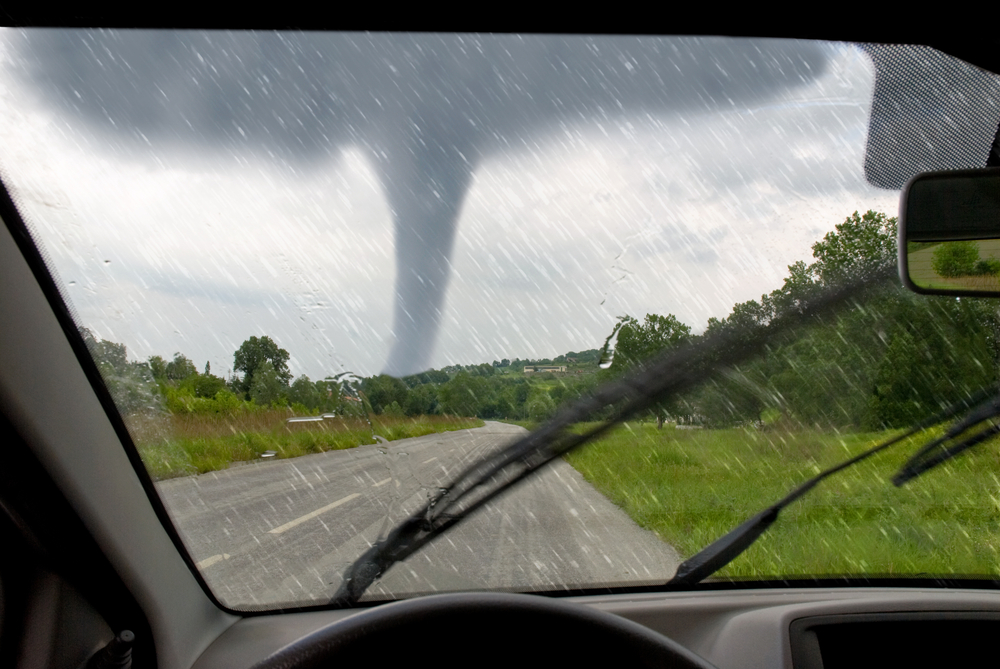
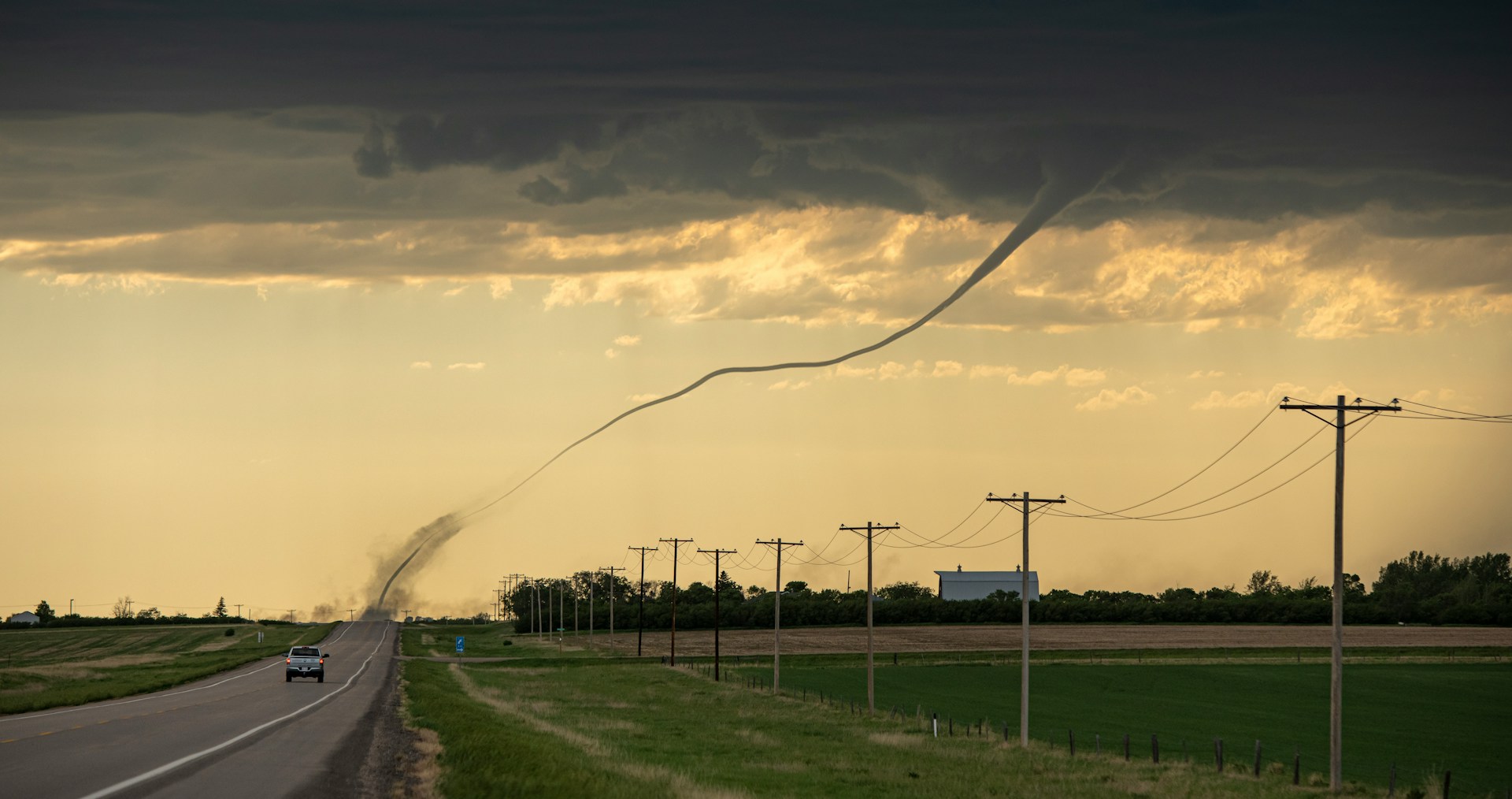
Illinois has already recorded more tornadoes in 2026 than in any previous year, breaking the state’s all-time record before July even began. After averaging about 54 tornadoes annually between 1991 and 2020, the state has now confirmed well over 150 tornadoes this year, with additional storm surveys still underway. The milestone has drawn national attention because tornado season is far from over.

The Numbers Stand Out Even Against Recent Active Years

Source: Shutterstock

Illinois has experienced several unusually active tornado seasons in recent years, recording 121 tornadoes in 2023, 142 in 2024, and 126 in 2025. Even against that backdrop, 2026 has surged past every previous record months before the traditional end of tornado season. Unlike 2024, when a concentrated outbreak accounted for much of the annual total, this year’s tornadoes have been spread across multiple spring storm systems, making the activity unusually persistent.

Why Illinois Has Become The Center Of Activity

Source: Shutterstock

Meteorologists say this year’s atmospheric pattern has repeatedly favored Illinois instead of the traditional Tornado Alley states farther west. According to AccuWeather, storm tracks have remained farther north while drought and warm air aloft have reduced severe weather opportunities across parts of Texas and Oklahoma. As a result, Illinois has led the nation in tornado reports for much of the year, an unusual reversal from the long-term pattern.

Scientists Urge Caution Before Drawing Big Conclusions

Source: Dennis MacDonald / Shutterstock

The record does not automatically mean climate change is the sole explanation. Illinois State Climatologist Trent Ford says year-to-year tornado counts naturally fluctuate and that the past four years are unusually active even by modern standards. While researchers have identified some long-term signals, including increases in early spring tornadoes and outbreaks containing multiple tornadoes, Ford says the recent spike is more consistent with normal weather variability layered onto a modest long-term climate trend rather than a dramatic shift.

But Researchers Also See Longer-Term Changes

Source: Shutterstock

At the same time, scientists acknowledge evidence suggesting tornado-favorable environments are gradually becoming more common across portions of the Midwest and lower Mississippi Valley. Research has pointed to shifts away from parts of the traditional Great Plains, although experts stress that Illinois has always been one of the nation’s more tornado-prone states. Historical records show Illinois frequently experiences tornado activity comparable to parts of classic Tornado Alley, even if public perception often focuses farther west.

The Human Toll Extends Beyond The Statistics

Source: Unsplash

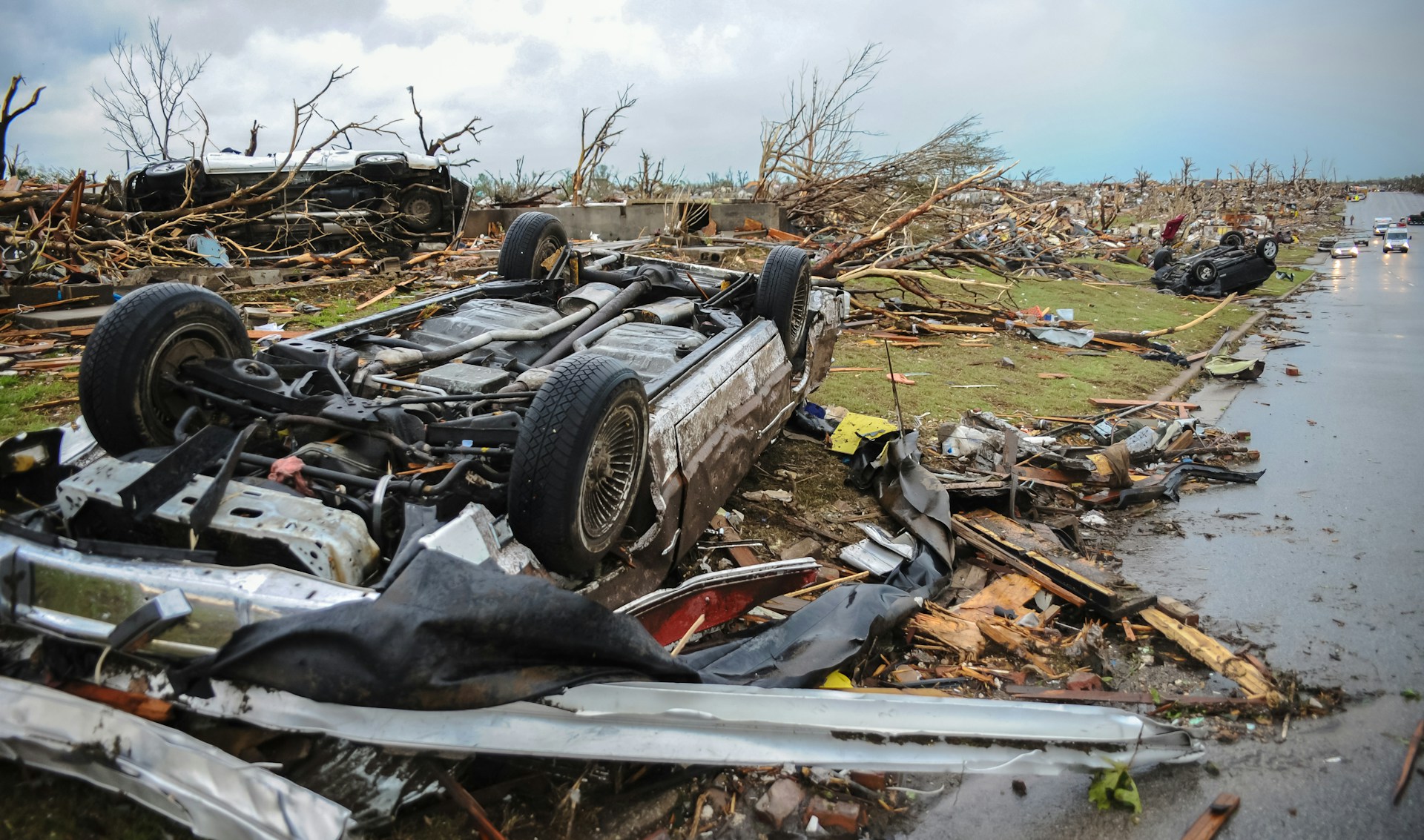
This year’s tornadoes have included multiple EF-3 storms capable of producing winds between 136 and 165 mph. Several outbreaks have destroyed homes, damaged businesses, injured residents, and claimed lives, including deadly March and June tornadoes in Kankakee, Jefferson, Effingham, and neighboring counties. Each confirmed tornado represents more than a data point, bringing rebuilding costs, insurance claims, and long-term recovery challenges for affected communities.

Warnings Have Also Reached Record Levels

Source: Canva Pro

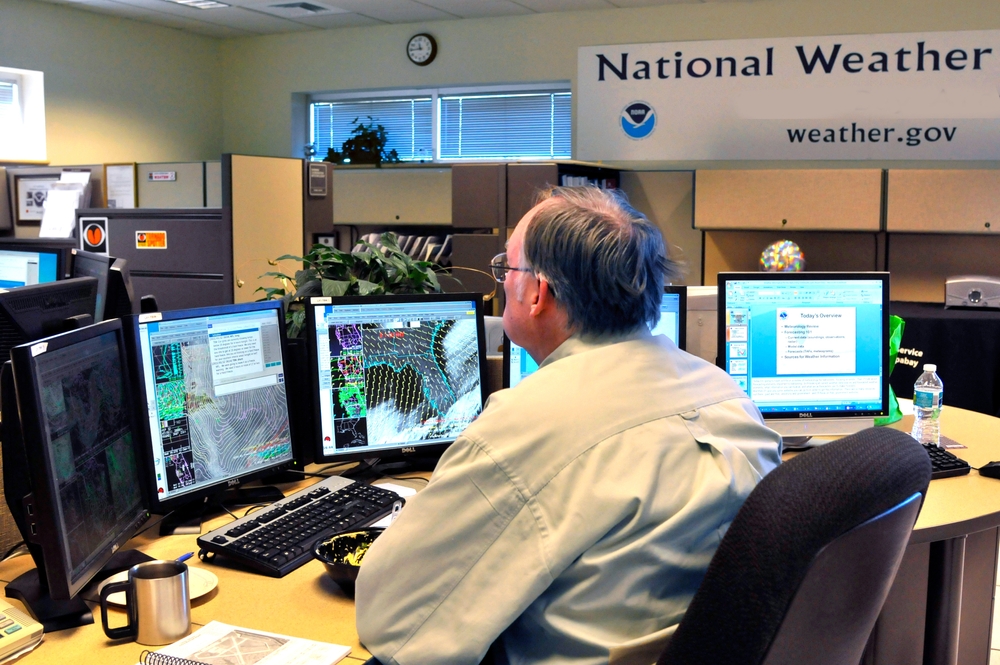
The unusually active season has forced the National Weather Service to issue more tornado warnings across Illinois than ever before. Nearly 300 warnings had already been issued by late June, surpassing the previous statewide record. Officials note that warning totals are separate from confirmed tornado counts because warnings are issued whenever radar or trained spotters indicate a tornado threat, helping provide advance notice even if a tornado never reaches the ground.

More Americans May Need To Prepare For Severe Weather

Source: Canva Pro

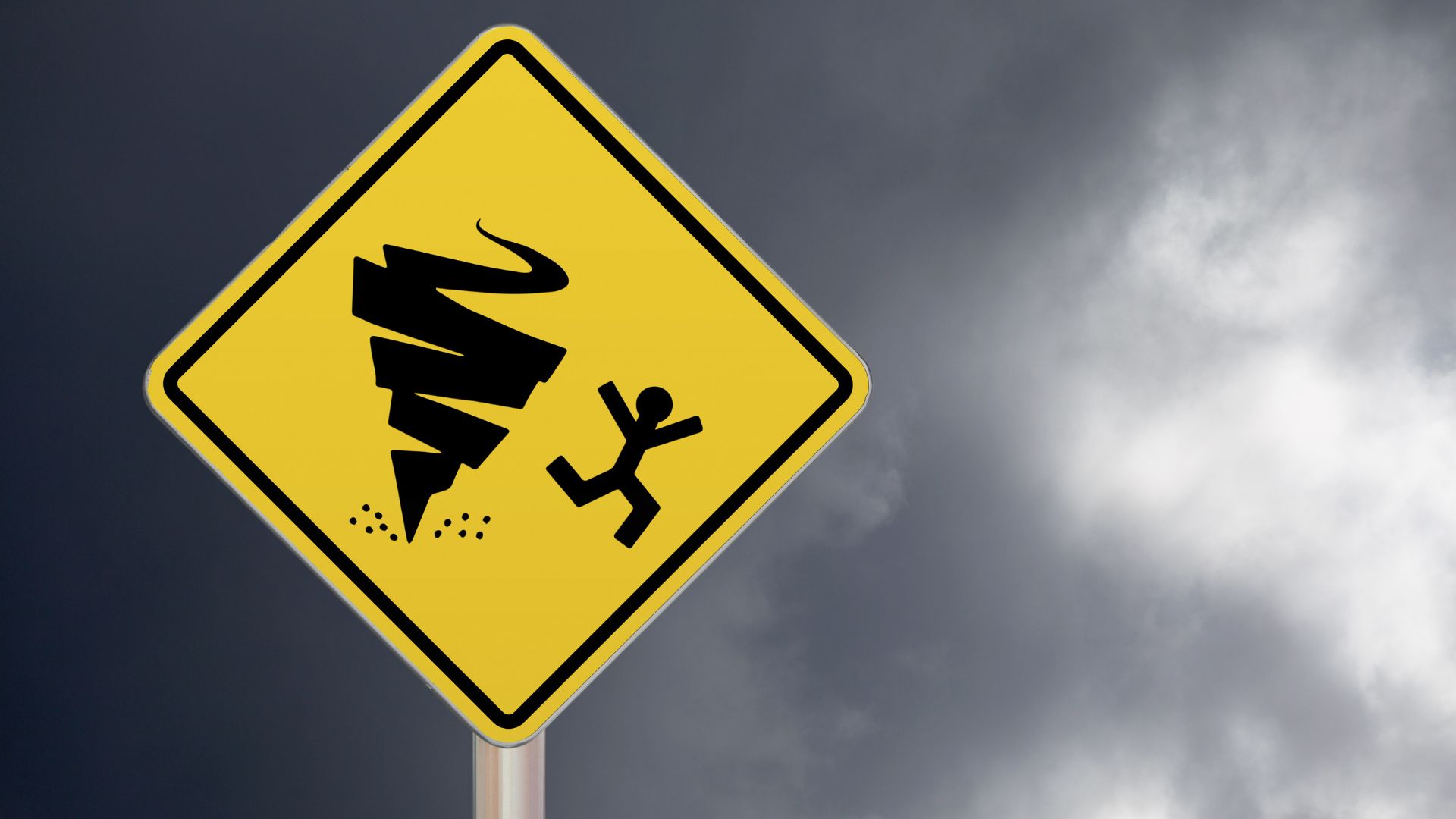
Whether or not tornado frequencies continue increasing, emergency managers say preparedness remains essential because tornadoes are occurring in places and at times many people may not expect. Illinois emergency guidance recommends identifying a basement or small interior room as a shelter, monitoring NOAA Weather Radio or trusted local alerts, and acting immediately when tornado warnings are issued rather than waiting to see the storm.

Recovery Is Becoming More Complicated

Source: Pexels

Communities face another challenge after the storms pass. Capitol News Illinois reports that Illinois has seen increasing tornado damage while federal disaster assistance approvals have become more difficult to secure, placing greater financial pressure on state and local governments during recovery efforts. Officials argue that rebuilding after repeated severe weather requires coordination across local, state, and federal agencies, especially as damaging events become more frequent in some regions.

What Happens Next May Matter More Than The Record

Source: Unsplash

Illinois’ historic tornado season is significant not simply because one record has fallen, but because it has intensified discussions about how Americans prepare for severe weather in a changing environment. Scientists will continue studying whether recent patterns represent temporary variability, emerging climate signals, or a combination of both. For millions of people across the Midwest and beyond, the practical takeaway is immediate: tornado risk cannot be viewed as someone else’s problem, and communities may need to adapt to severe weather seasons that are becoming harder to predict.