Once-Near-Eliminated “Biblical” Diseases Are Making a Comeback, Health Officials Say
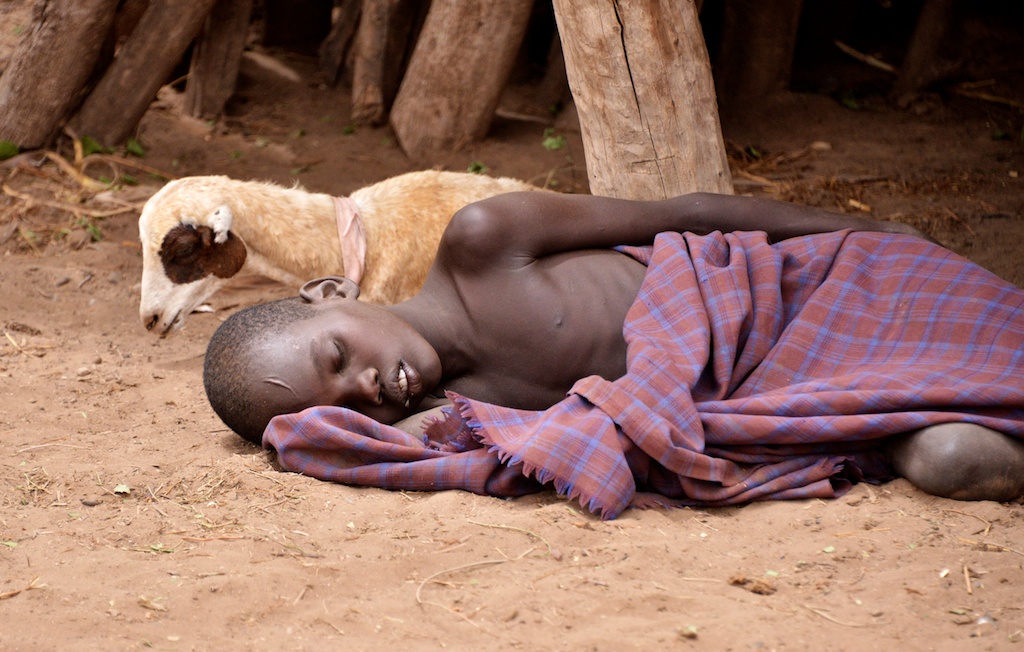

For decades, public health officials believed humanity was steadily pushing some of history’s oldest diseases toward extinction. Vaccines, mass drug campaigns, and improved sanitation had dramatically reduced illnesses once described in ancient texts. Now, new warnings suggest that progress is beginning to unravel.
What “Biblical Diseases” Really Means
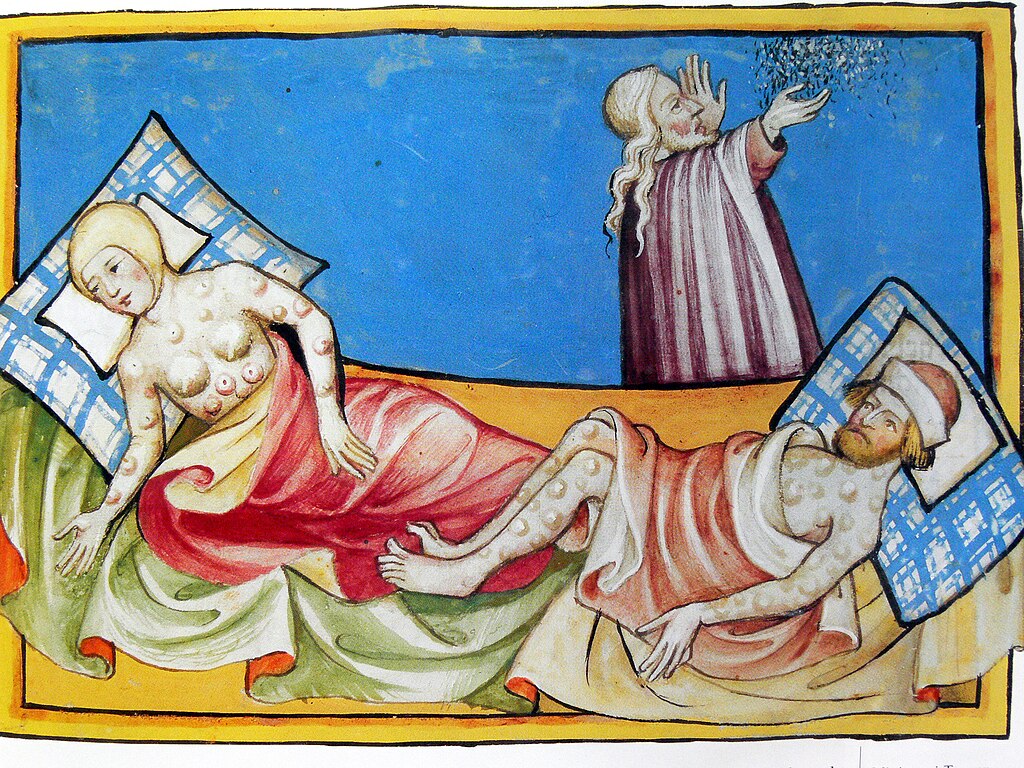
The term refers to illnesses that have plagued humans for thousands of years and appear in early religious and medical writings. Diseases like leprosy, malaria, cholera, and river blindness shaped societies long before modern medicine existed. Their reappearance highlights how persistent these pathogens remain despite scientific advances.
A Warning From Africa
A recent report by The New York Times states that several neglected tropical diseases are at risk of resurging across parts of Africa. Health officials interviewed by the paper said decades of progress could be reversed if prevention programs fail. The warning comes as funding and surveillance systems face growing uncertainty.
River Blindness Nearly Defeated, Then Interrupted
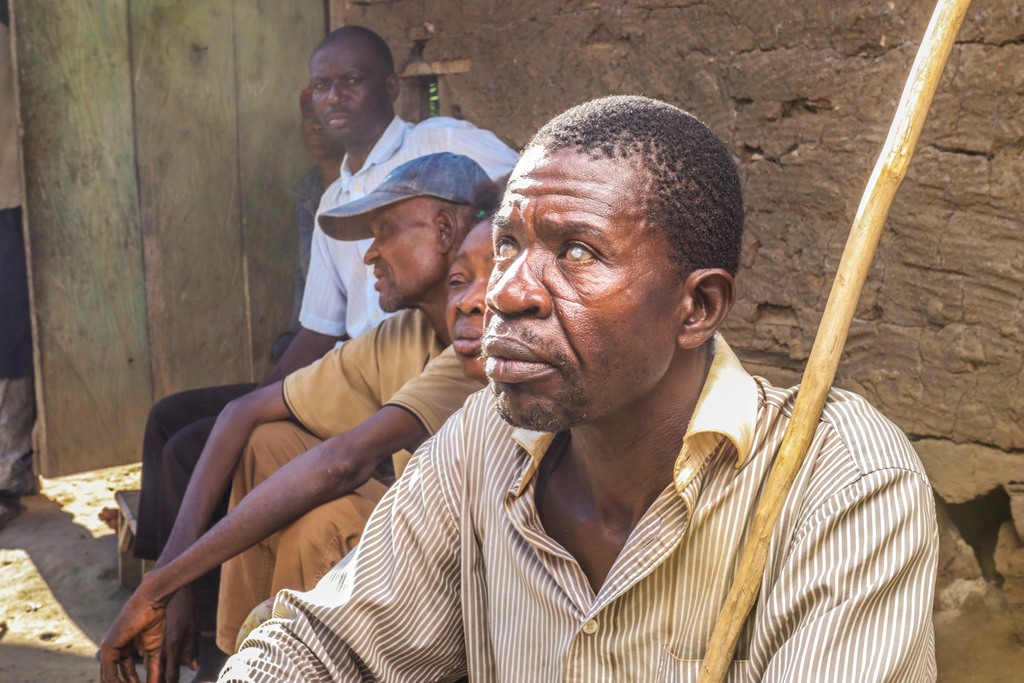
In Cameroon, health workers were close to eliminating onchocerciasis, also known as river blindness, after years of door-to-door treatment. Mass drug distribution protected entire communities from parasites that cause intense itching and blindness. That effort stalled when major funding cuts disrupted deliveries and monitoring, putting hard-won gains at risk.
Why These Diseases Come Back Fast
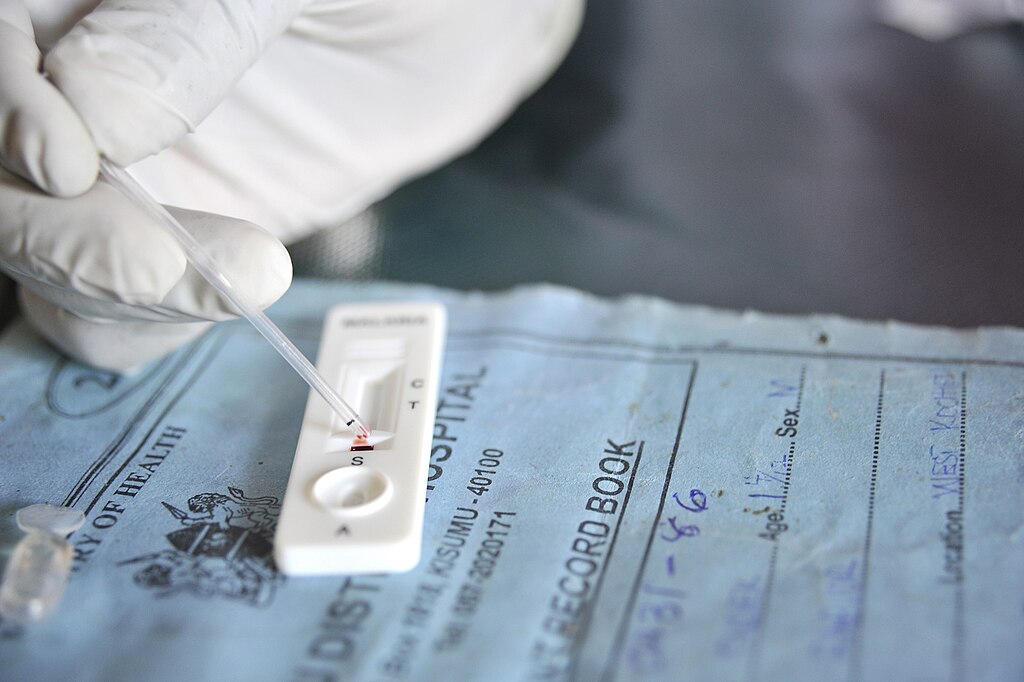
Neglected tropical diseases such as river blindness often require relentless consistency rather than complex medicine. Health officials say if treatment pauses before transmission is fully stopped, infections can rebound within a year. Once surveillance lapses, it becomes harder to know where diseases are spreading until symptoms reappear.
Climate and Conflict Add Pressure

Environmental changes are reshaping where diseases thrive. Warmer temperatures expand the range of insects that transmit illness, while floods and drought strain water and sanitation systems. At the same time, conflict and displacement interrupt healthcare delivery, creating openings for old infections to resurface.
Weak Systems, Not Weak Science
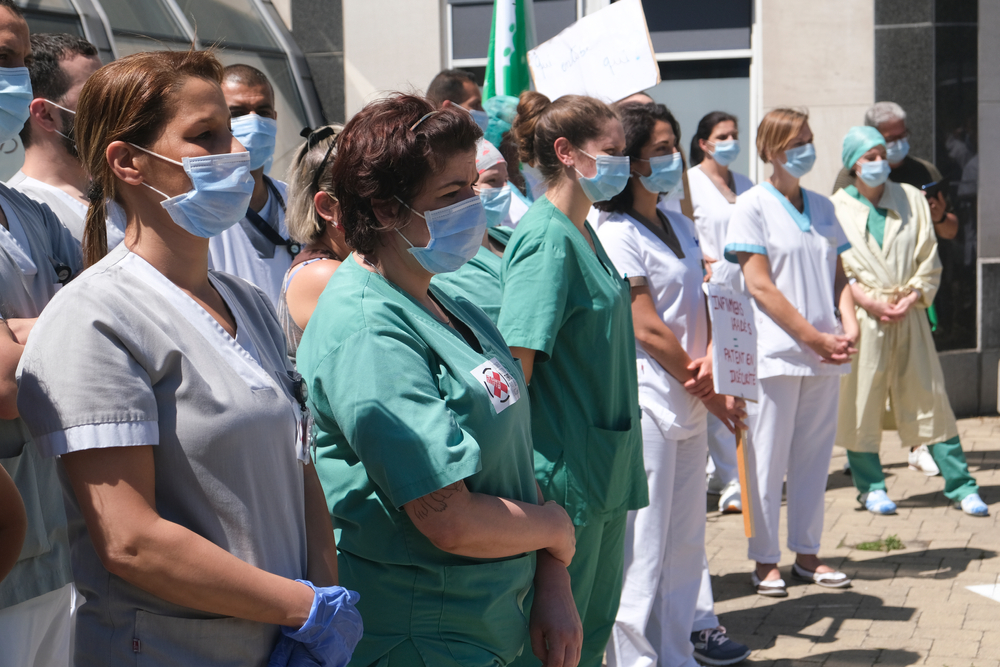
Medical experts stress that resurgence does not mean cures stopped working. Treatments for many of these diseases are cheap, effective, and often donated by pharmaceutical companies. The real vulnerability lies in fragile health systems that struggle to transport drugs, pay community workers, and track infections over time.
The Cost of Neglect

Neglected tropical diseases rarely make headlines because they are seldom fatal, but their impact is lasting. They cause blindness, disfigurement, chronic pain, and disability that can trap families in poverty for generations. Public health officials warn that ignoring them allows quiet suffering to spread unchecked.
Progress That Almost Worked

Over the past two decades, coordinated global programs delivered billions of treatments and helped multiple countries eliminate at least one disease. Those successes showed elimination is possible with sustained effort. Health leaders say the danger now is assuming the work is finished when it is not.
A Reversible Future

Officials emphasize that the resurgence of “biblical” diseases is not inevitable. Prevention tools already exist, and recent setbacks could still be reversed if funding and surveillance resume quickly. The lesson, they say, is simple but urgent: ancient diseases never truly disappear, they wait.