Officials Warn Spoof Callers Are Draining Bank Accounts After One Victim Lost $40,000


Officials are warning bank customers about a growing spoof-calling scam that can drain accounts within hours, after victims reported losing thousands of dollars to callers pretending to be bank fraud departments or law enforcement officials. In one reported case, a Chase customer lost $40,000 after scammers made the call appear to come from the same number printed on the back of her debit card.
The scam works because criminals use caller ID spoofing to make incoming calls look legitimate, then create urgency by claiming the customer’s money is at risk. Some victims say callers knew personal account details, including balances or account numbers, which made the fraud feel even more convincing and harder to recognize in the moment.
Authorities say the most important warning sign is pressure. Scammers often rush victims, tell them not to hang up, or claim they must move money immediately to protect it, when in reality they are guiding the customer into transferring funds directly into the criminals’ control.
How The Spoof Call Scam Works
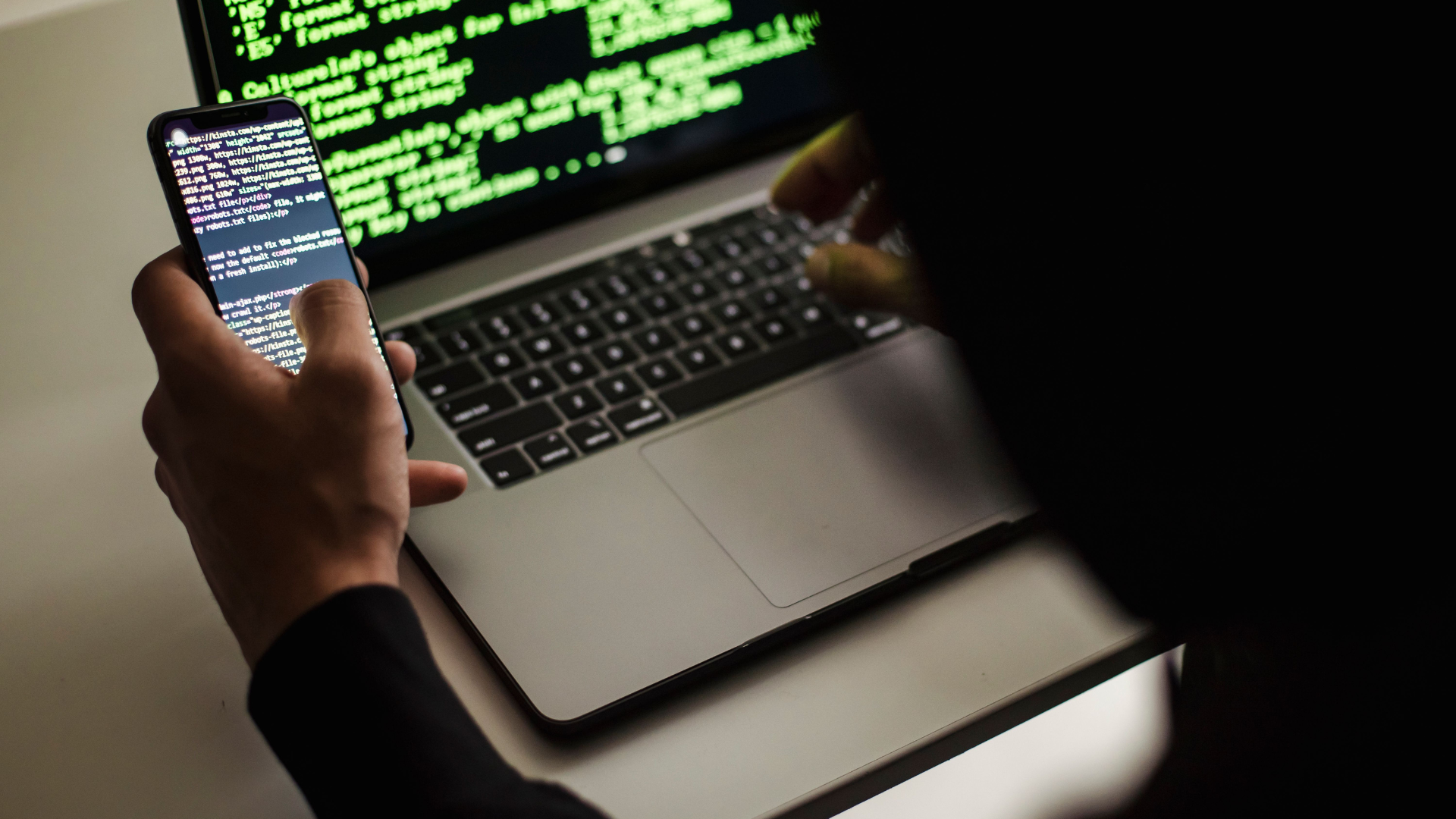
In many cases, the scam begins with a call that appears to come from a trusted bank number, sometimes even the official number listed on a debit card or bank website. The caller may claim to be from a fraud department and warn that suspicious activity has been detected, giving the victim just enough detail to seem credible.
The caller then tells the customer their money must be moved to a “safe” or “secured” account, or that they need to follow urgent instructions to stop fraud already in progress. Instead, the victim is unknowingly sending their own money to scammers through transfers, payment apps, wire transactions, or other methods that can be difficult to reverse.
Officials say scammers may also impersonate law enforcement to increase fear and compliance. By making victims believe they are in trouble or that their accounts are actively being attacked, criminals push them to act quickly before they have time to call their bank directly or speak with someone they trust.
Why Victims Fall For It

Experts say these scams are effective because they combine realistic technology with emotional manipulation. Caller ID spoofing makes the call look authentic, while personal account details make victims believe they are speaking with a real bank employee rather than a criminal.
The pressure tactics are also deliberate. Fraudsters often keep victims on the phone, warn them not to contact anyone else, and create a false emergency that makes normal decision-making harder. FBI officials warn that once victims are rushed and frightened, they are more likely to follow instructions they would normally question.
Even careful customers can be fooled because the scam does not always start with an obvious red flag. The call may sound professional, the number may look correct, and the caller may appear to know private information, which is why authorities say people should verify every unexpected banking call independently.
What Bank Customers Should Do Next
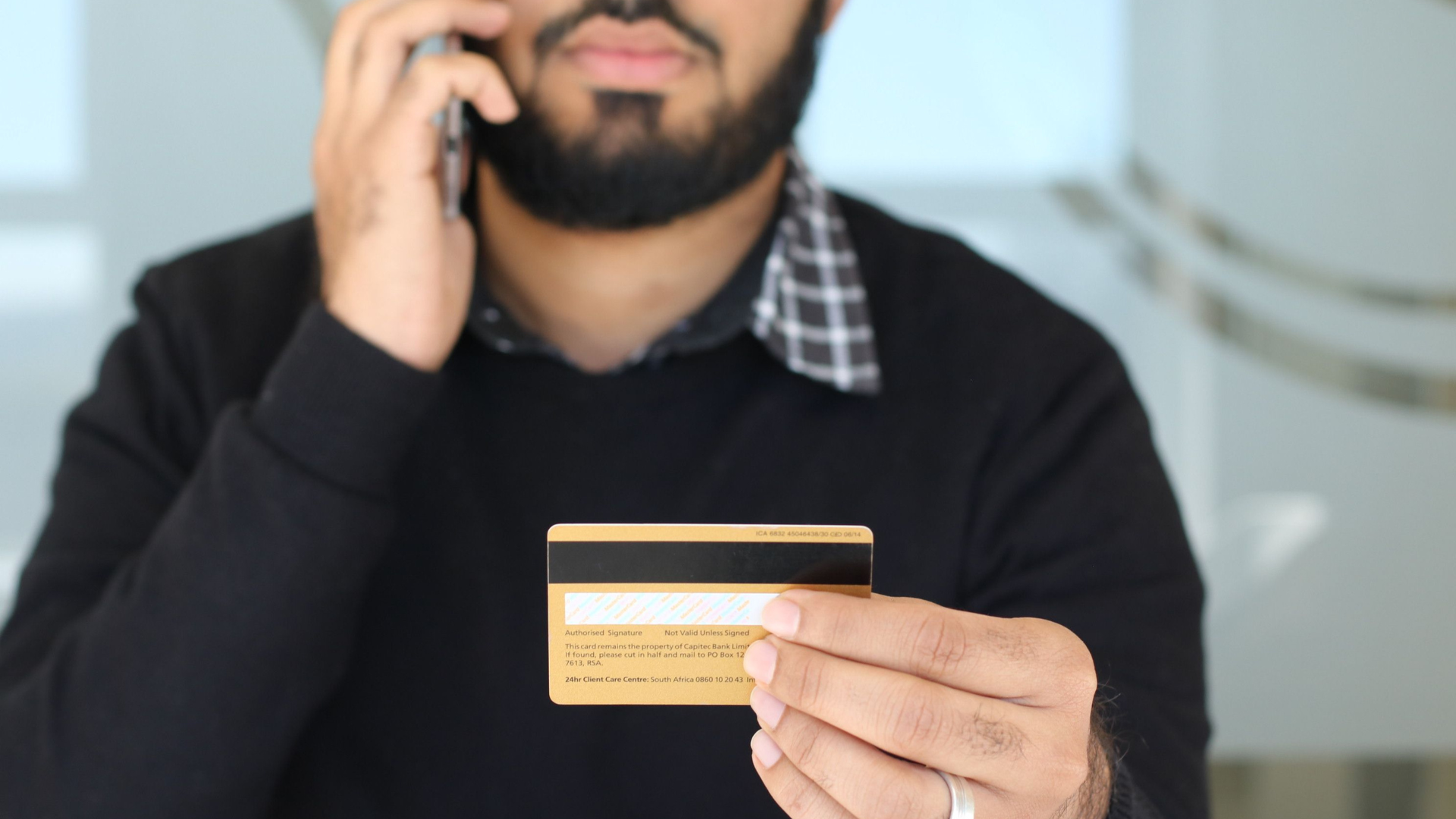
If you receive a call claiming to be from your bank, officials recommend hanging up immediately and calling the bank directly using the number on your card, statement, or official website. Do not use a number provided by the caller, and do not stay on the line while they tell you to move money.
Customers should never transfer money, share one-time passcodes, provide PINs, or disclose online banking credentials because of an unexpected phone call. Banks may contact customers about fraud concerns, but they will not ask them to move funds into a new account to “protect” the money.
Anyone who believes they were targeted should contact their bank immediately, report the incident to local law enforcement, and file a complaint with the FBI’s Internet Crime Complaint Center. Acting quickly may improve the chances of freezing transactions before the money disappears, though officials warn recovery is often difficult once funds are moved.